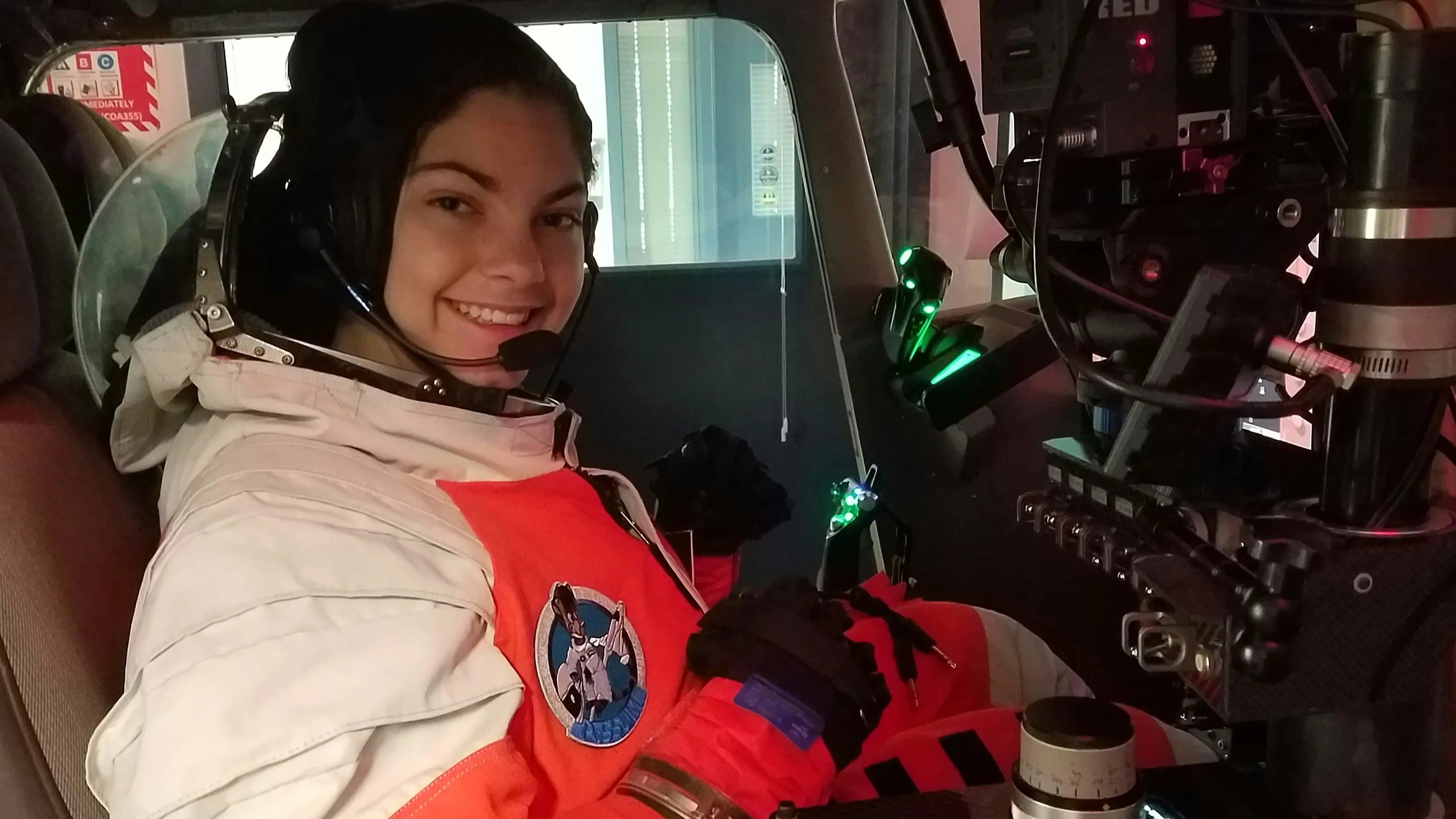
24-year-old who wanted to be first person on Mars breaks down 4 major problems with getting there

Astrobiologist Alyssa Carson has spoken of her dream of going to Mars but also outlined the many issues that come with such an epic mission.
If science fiction is anything to go by, humanity should have already reached the red planet and beyond by now.
But in reality, the science and technology needed to put a person on the planet is very complicated and filled with challenges.
24-year-old astrobiologist and science communicator Alyssa Carson knows this all too well, having been interested in space travel and Mars since she was a child and built a career that will likely help us better understand the red planet.
Advert
Speaking to UNILAD, Carson reflected on her goal of being the first person on Mars, something she has often shared on her social media channels over the years.
She noted at this point, while space exploration and getting to Mars is still a goal, she is doing her best to simply give herself the tools needed to succeed before applying to be an astronaut.

With that said, she also revealed that getting to Mars isn’t nearly as easy as it seems in cartoons or movies, and there are a whole host of issues that need to be addressed before humanity takes its first steps on the planet.
Speaking about progress being made towards the goal, she said: “NASA has built up a pretty big partnership with the European Space Agency (ESA), and [made] more of a joint [step forward] with the new Artemis program.
“So I think that is very promising. We are hopefully having a new Artemis launch. I think their launch window opens next month. So we are very much on the verge of sending people back to the moon.”
Carson remarked that this is a good step forward and only takes us closer to getting to Mars. She added a more regular presence on the moon opens up the opportunity to establish a permanent post, something that could help us get to Mars.
However, she also highlighted that one of the biggest issues of a mission to Mars right now is the timeline.
Carson said: "Any sort of timeline, anything that we've done previously, that's just such a long time, and it also drives more problems. You know, food supply, radiation levels, your body's exposure to micro gravity for that long."
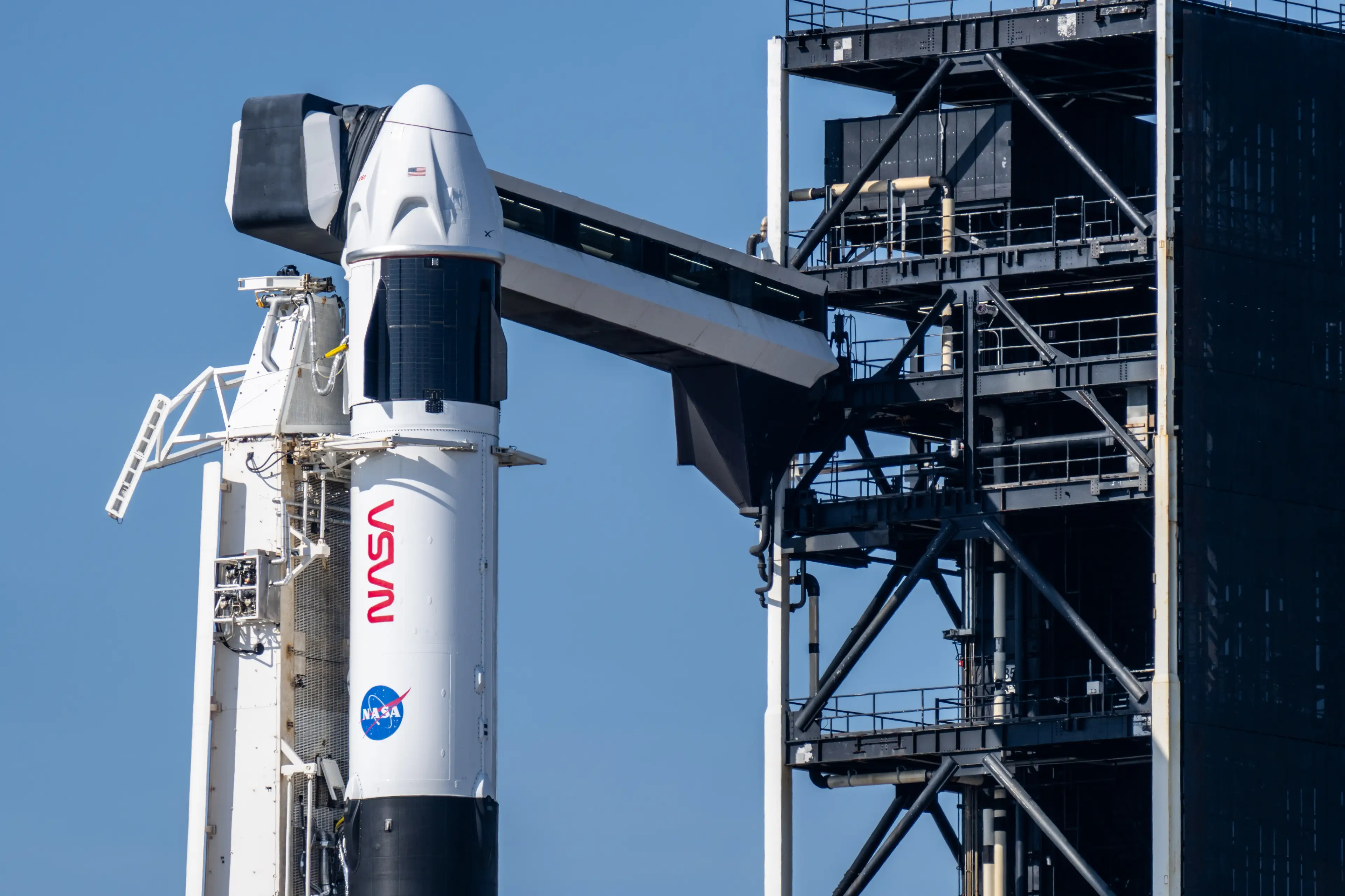
The timeline problem
She continued to explain: “With the older engines that they were looking at, you know, they were saying it's going to take, you know, six to nine months just to go from Earth to Mars, then you have to live on Mars for a while, then come back. And that's definitely a lengthy mission.”
A recent NASA article saw Orbital Dynamics expert Brent Barbee confirm the time it takes to get to Mars, saying the planet is about 50 percent further away from the Sun than Earth is. He added: “NASA’s Mars Reconnaissance Orbiter mission took about seven and a half months to reach Mars. And NASA’s MAVEN mission took about ten months to reach Mars.”
While getting to the planet is one of the biggest issues, this problem is underpinned by three others.
Food supply
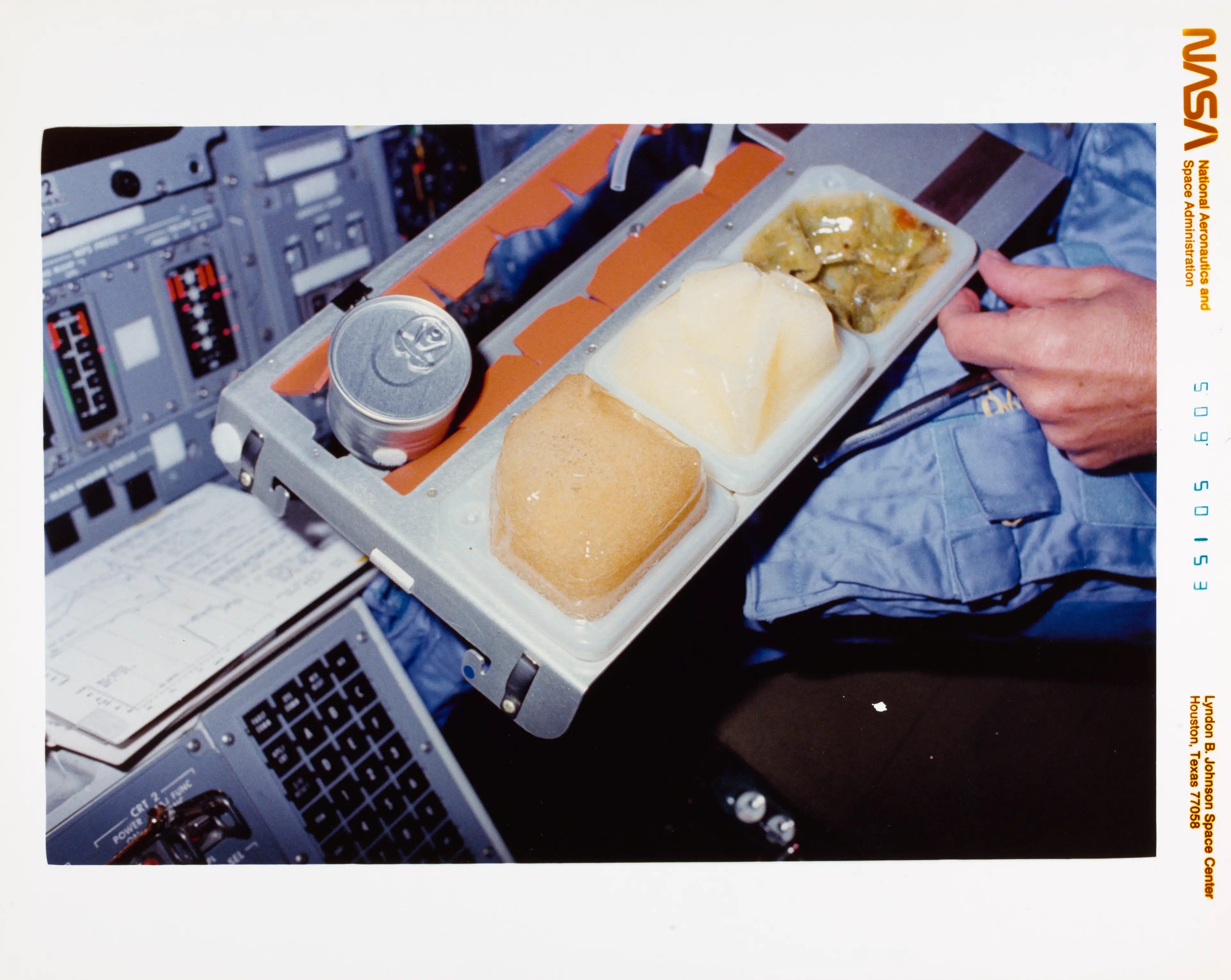
With such a lengthy mission, having a sufficient food supply is another problem that has to be addressed - just think how much food you eat over a 9-month period...
NASA scientists Grace Douglas, Sara Zwart, and Scott Smith have highlighted that when it comes to food, there are a bunch of issues even with shorter missions, including its safety, palatability, nutrition and reliability.
Radiation
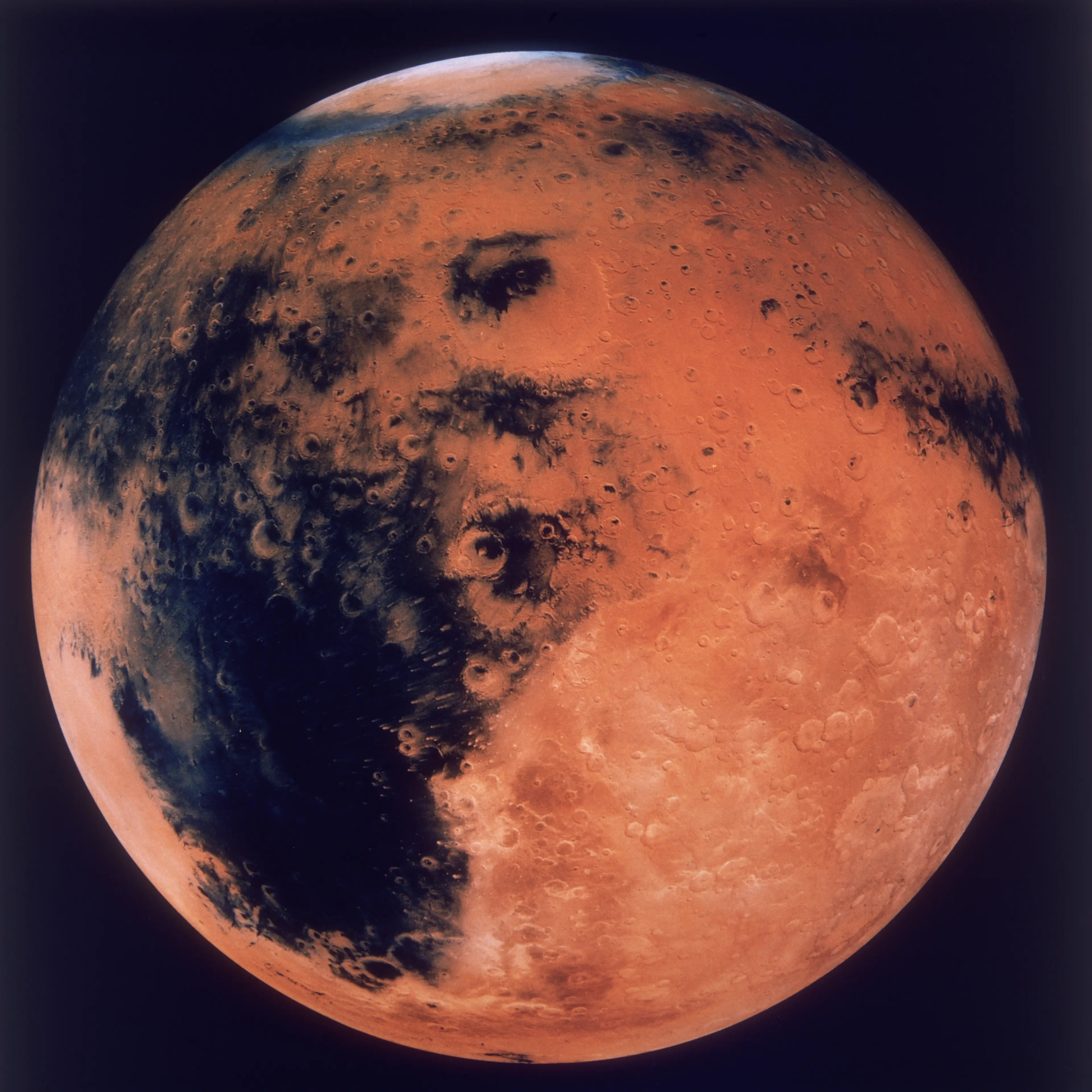
When it comes to being on Mars, contrary to how popular media depicts it, the red planet is very radioactive, and extensive exposure to this radiation on the planet comes with.... well, the same problems we face on Earth regarding radiation exposure.
Jonathan Pellish, a space radiation engineer at NASA Goddard Space Flight Center has said: “There’s a lot of good science to be done on Mars, but a trip to interplanetary space carries more radiation risk than working in low-Earth orbit.”
Microgravity
The final issue is the impact microgravity will have on the human body.
While being considerably lighter - both on the planet and during travel - might sound great, the issues that follows are long documented.
A 1992 study by NASA scientists JW Wolfe and JD Rummel highlighted that the most significant issues are ‘negative calcium balance resulting in the loss of bone, atrophy of antigravity muscles, fluid shifts and decreased plasma volume and cardiovascular deconditioning that leads to orthostatic intolerance’.
Getting to Mars in the future
So, the brightest minds have quite a few issues to contend with before we're planting flags on Mars and expanding our reach in the solar system.
Outlining these issues, Carson did admit there was progress being made on reducing travel time that would limit the issues.
She added: “There's a lot of issues that just come with the sheer length. So, I mean, I think a big goal that they've been looking at is getting newer engines, newer technology. I know a big goal was to develop newer engines, to reduce that time from six months to six weeks. So I think that that's where we're kind of hovering right now.”
Topics: Mars, News, Space, US News, NASA, Social Media, World News
 Gerrard Kaonga