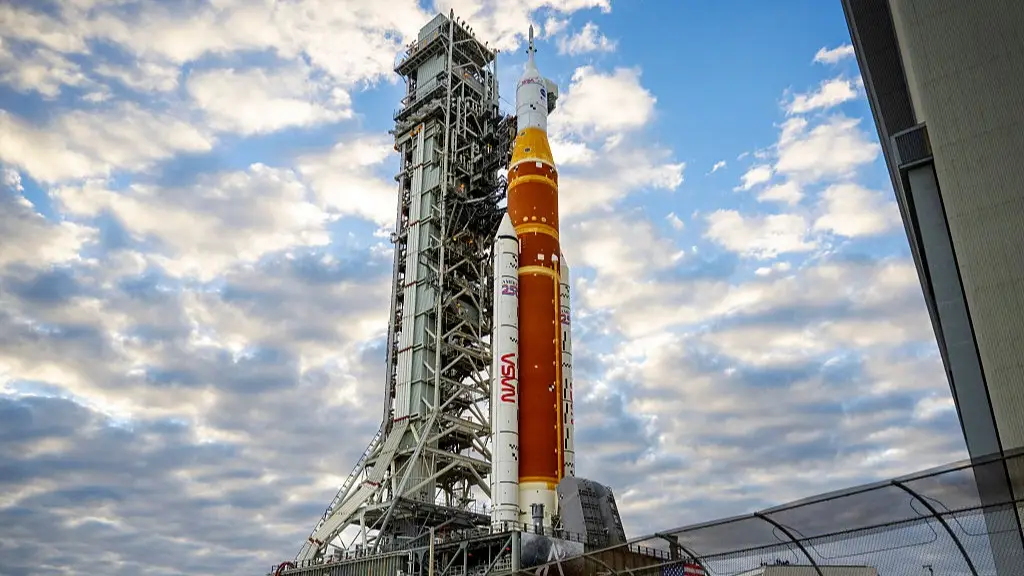
NASA postpones Artemis II launch after practice run identifies major issue

NASA's historic Artemis II mission has been pushed back once more after its 'wet dress rehearsal' threw up a major technical issue.
Four astronauts are set to travel farther into space than ever before as they fly around the Moon and back to Earth in the first crewed lunar mission since 1972's Apollo 17.
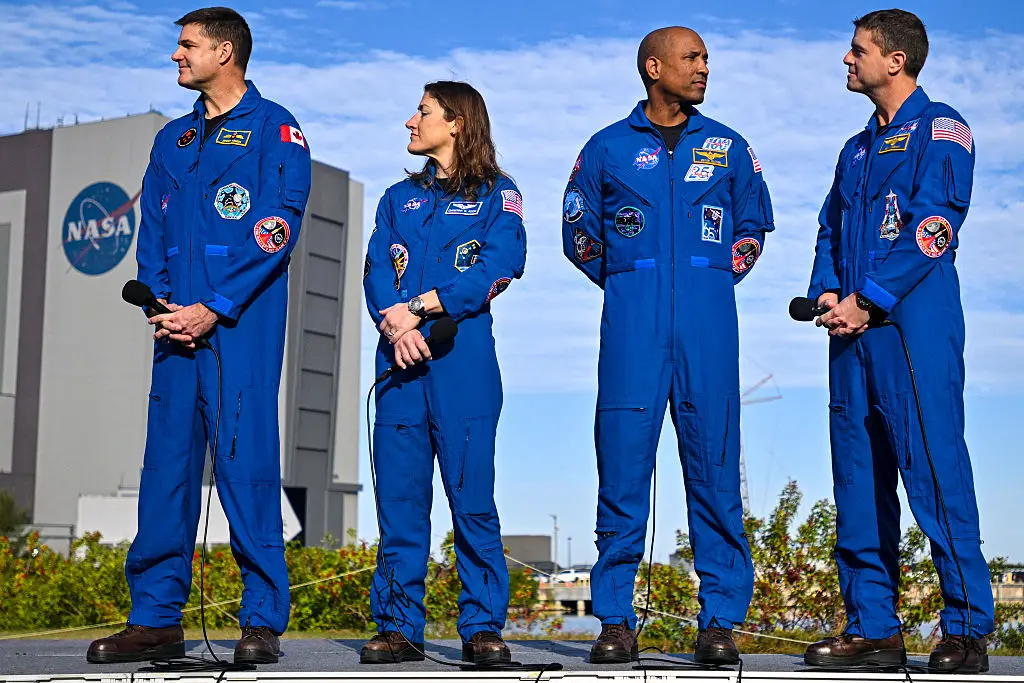
Canadian Space Agency's Jeremy Hansen and NASA's Christina Koch, Victor Glover and Reid Wiseman will take off on a Space Launch System rocket in an Orion spacecraft from Florida's Kennedy Space Center, spending 10 days in space and traveling 4,600 miles beyond the Moon.
The earliest launch date was pencilled in for Friday (February 6), but that was pushed back to Sunday (February 8) - the same day as the Super Bowl - due to adverse weather conditions.
Advert
And after Monday night's practice run (February 2), NASA administrator Jared Isaacman confirmed the feat has now been postponed until March at the earliest.
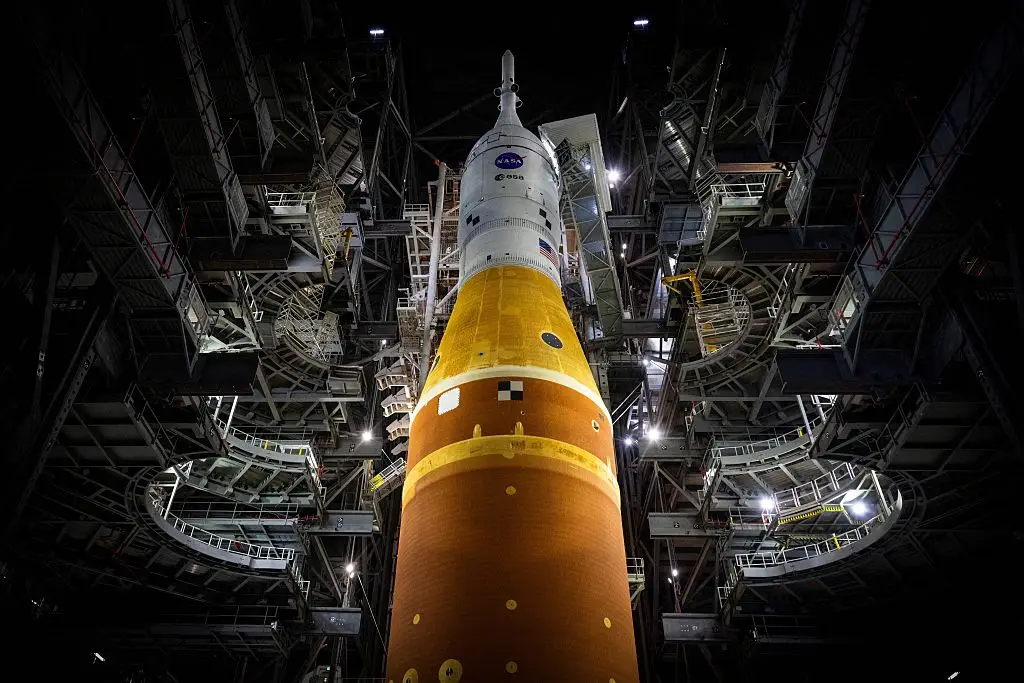
During the 'wet dress rehearsal' - essentially a test run for the SLS's fueling system - engineers powered up the rocket’s core stage and loaded it with more than 700,000 gallons of liquid oxygen and liquid hydrogen, as NASA explained.
"During the test, teams worked through a liquid hydrogen leak at a core stage interface during tanking, which required pauses to warm hardware and adjust propellant flow," Isaacman said in a statement posted to X.
"All core stage and interim cryogenic propulsion stage tanks were successfully filled, and teams conducted a terminal countdown to about T-5 minutes before the ground launch sequencer halted operations due to an increased leak rate."
Issues with audio channels to ground teams also occurred, while cold weather impacted some cameras, he added.
He continued to say that challenges are 'fully anticipated', adding: "That is precisely why we conduct a wet dress rehearsal. These tests are designed to surface issues before flight and set up launch day with the highest probability of success.
"We will only launch when we believe we are as ready to undertake this historic mission."
NASA's 2022 Artemis I mission faced similar issues before its successful, uncrewed flight around the Moon. The feat was delayed by six months after hydrogen leaks were found during its first practice run, NBC reports.
The Artemis II crew had been in quarantine in Houston ahead of the anticipated February 8 launch, but they have now been released and will return to isolation two weeks before the next targeted take-off.
"With March as the potential launch window, teams will fully review data from the test, mitigate each issue, and return to testing ahead of setting an official target launch date," NASA said.
Topics: Space, NASA, US News, Technology
 Ellie Kemp