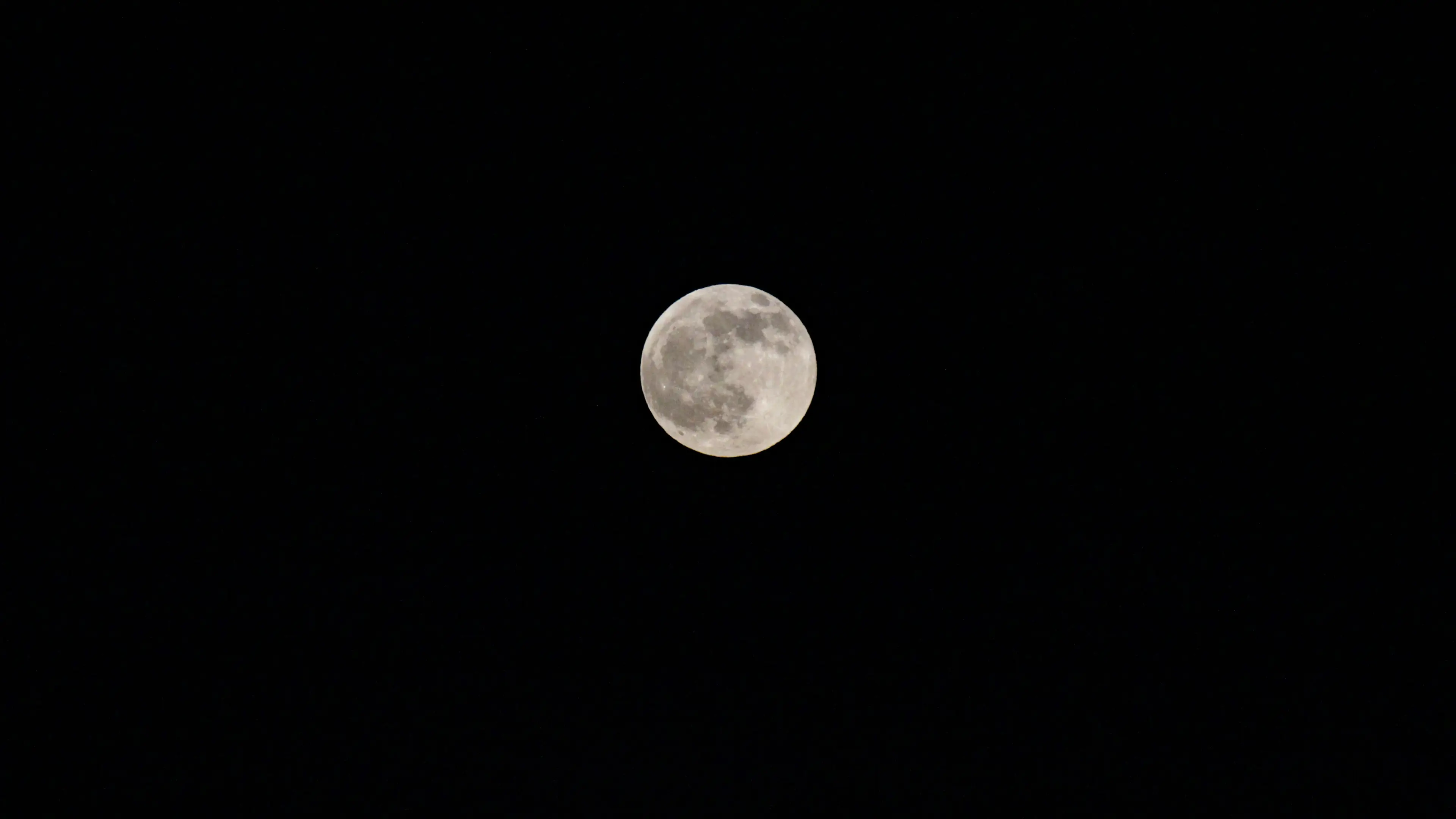
When January's Wolf supermoon is set to appear marking the last of its kind until the end of the year

Stargazers can catch the first 'Wolf' supermoon of 2026 - and the last for months - this weekend.
A new year brings an exciting new set of celestial events, with an extra, thirteenth full Moon to be visible later this year. And in a matter of days, the Wolf full Moon is set to light up the sky.
Its peak will coincide with the Quadrantid meteor shower, known for its bright fireballs. However, the light of the full Moon will drown out much of the shower.
Even so, for space fans, stealing a glimpse of the combination of events of still worth a go, and that's because the Wolf moon is the last supermoon for a good while.
Advert
A supermoon is a full Moon that appears noticeably larger and brighter than usual, making it a spectacle to behold.
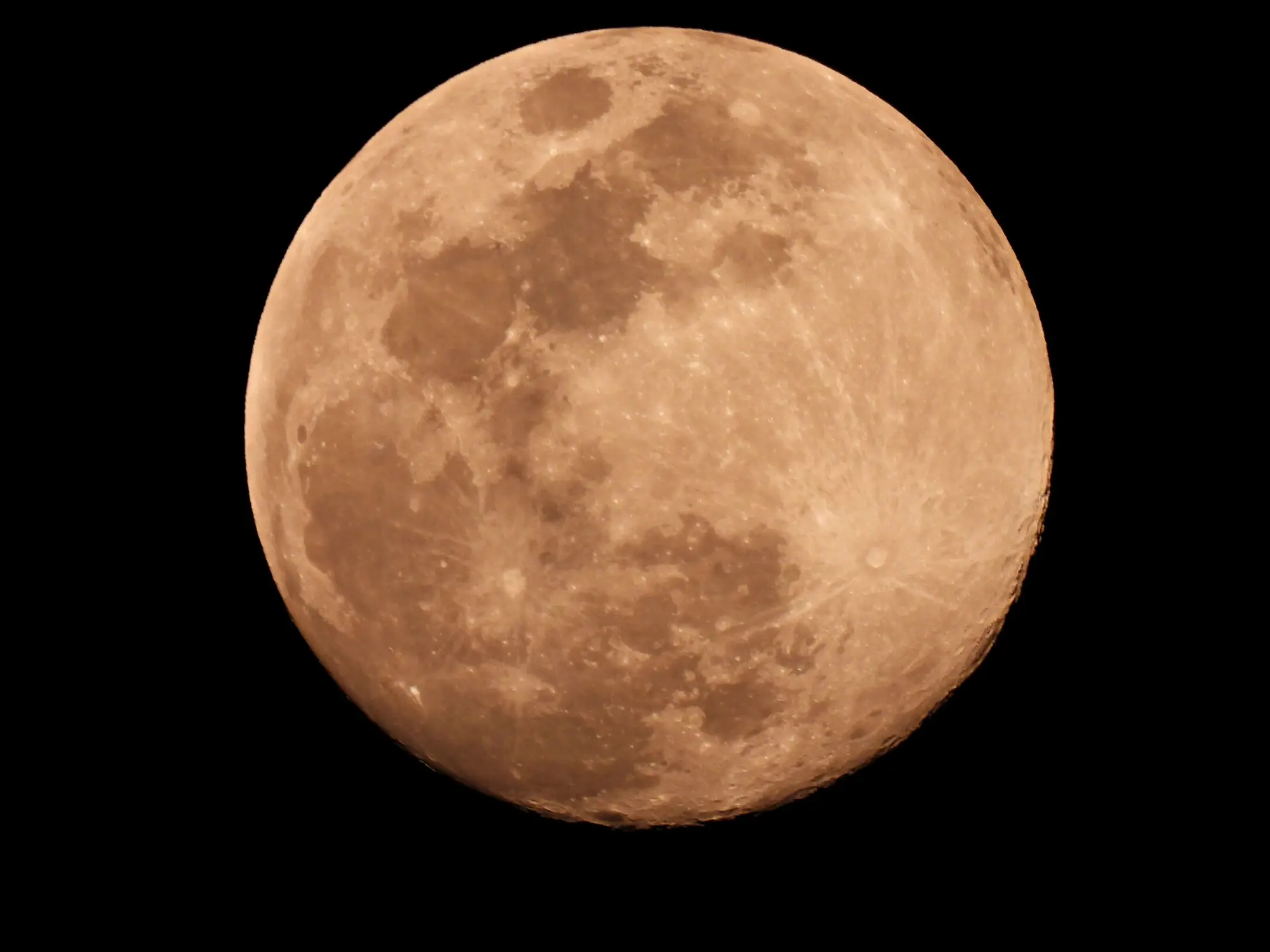
It occurs when the Moon is near perigee, the closest point in its orbit to Earth.
When the full phase lines up with perigee, the lunar disc can appear about six to fourteen percent larger and up to around 30 percent brighter than when it’s farther away, as NASA explains.
When to see the January supermoon
The first full Moon of 2026 is visible in the sky between Friday, January 2 and Sunday, January 4.
The Moon reaches its peak fullness during the early morning of Saturday, January 3, at about 5.03 am EST.
For the best views, look toward the eastern horizon around moonrise at sunset or again near moonset at sunrise.
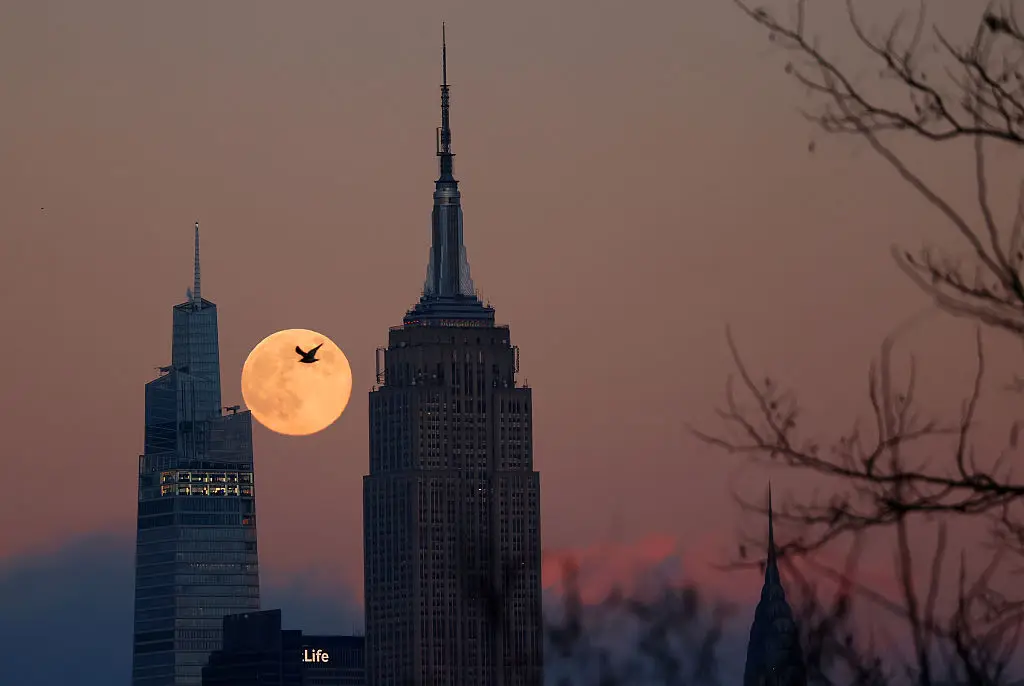
On the night of the supermoon, the bright planet Jupiter will also be nearby, adding to the spectacle.
Why is the Wolf Moon the last supermoon for months?
Although 2026 will still have a full calendar of lunar events, most of the year’s full Moons don’t occur close enough to perigee to be classified as supermoons.
According to lunar phase calendars, there will be 13 full moons in 2026, but only two more of those - in November and December - are expected to qualify as supermoons later in the year.
That means the January 3 Wolf supermoon will be the last one visible for around 10 months.
Skywatchers won’t see another full supermoon until the Beaver Moon on November 24, 2026, followed by the Cold Moon on December 23, 2026.
The January supermoon also wraps up a series of consecutive supermoons, where several full Moons in a row have occurred near perigee.
In late 2025, there was a run of four consecutive supermoons in October, November and December 2025, capped by this January 3, 2026 supermoon - before the pattern pauses until late in the year.
 Ellie Kemp