People are only just learning Uranus had another name that was too controversial to keep

People are only just discovering that Uranus once went by a very different name.
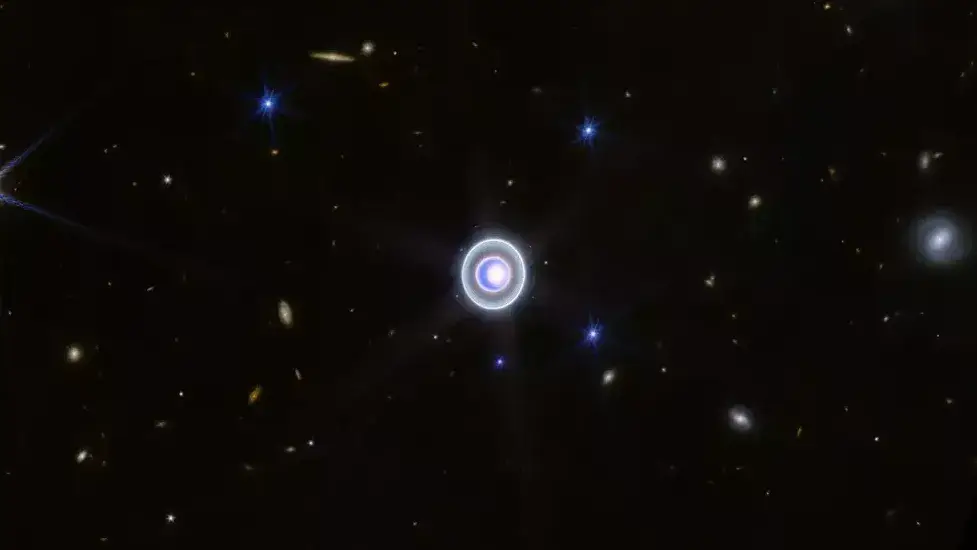
The planet, discovered in 1781, is known for its iconic, icy rings - and giggle-inducing name.
Back in 2023, NASA shared some incredible new photos of everybody's favorite celestial body, leaving space enthusiasts in awe.
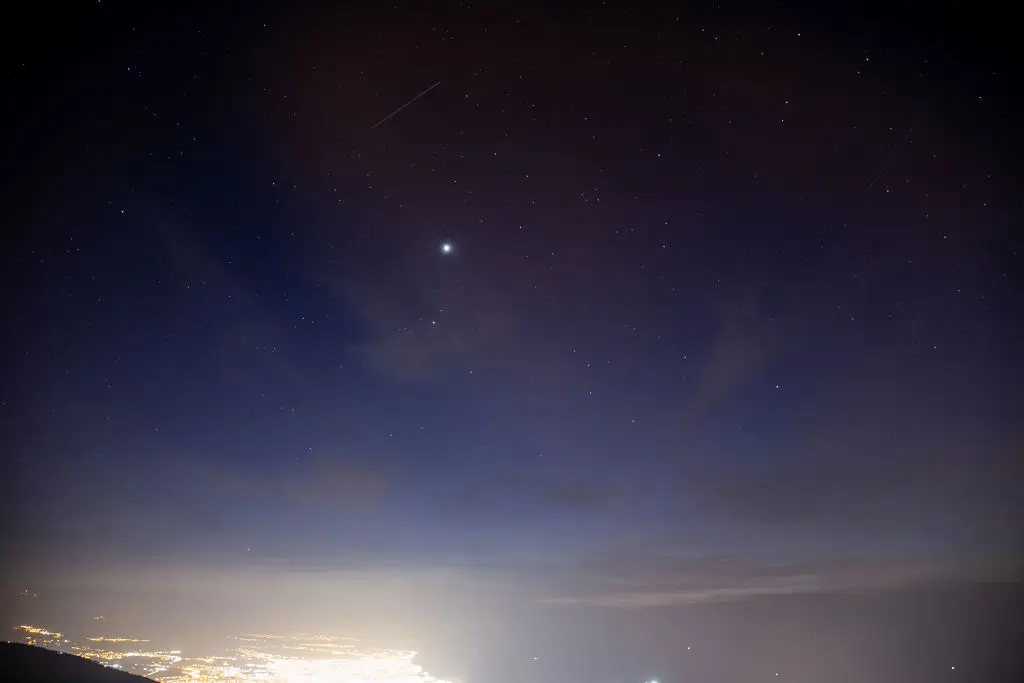
And tonight (Friday November 21), Uranus set to dazzle us in the night sky as it reaches opposition.
Advert
This means it has reached perfect alignment between the Earth and the Sun, causing it to glow brighter and appear larger than usual.
In fact, Uranus is set to be visible to the naked eye - how exciting!
It might be hard to imagine the cyan-hued ice giant as anything other than Uranus.
But its original name, deemed far too controversial among astronomers, never quite caught on.
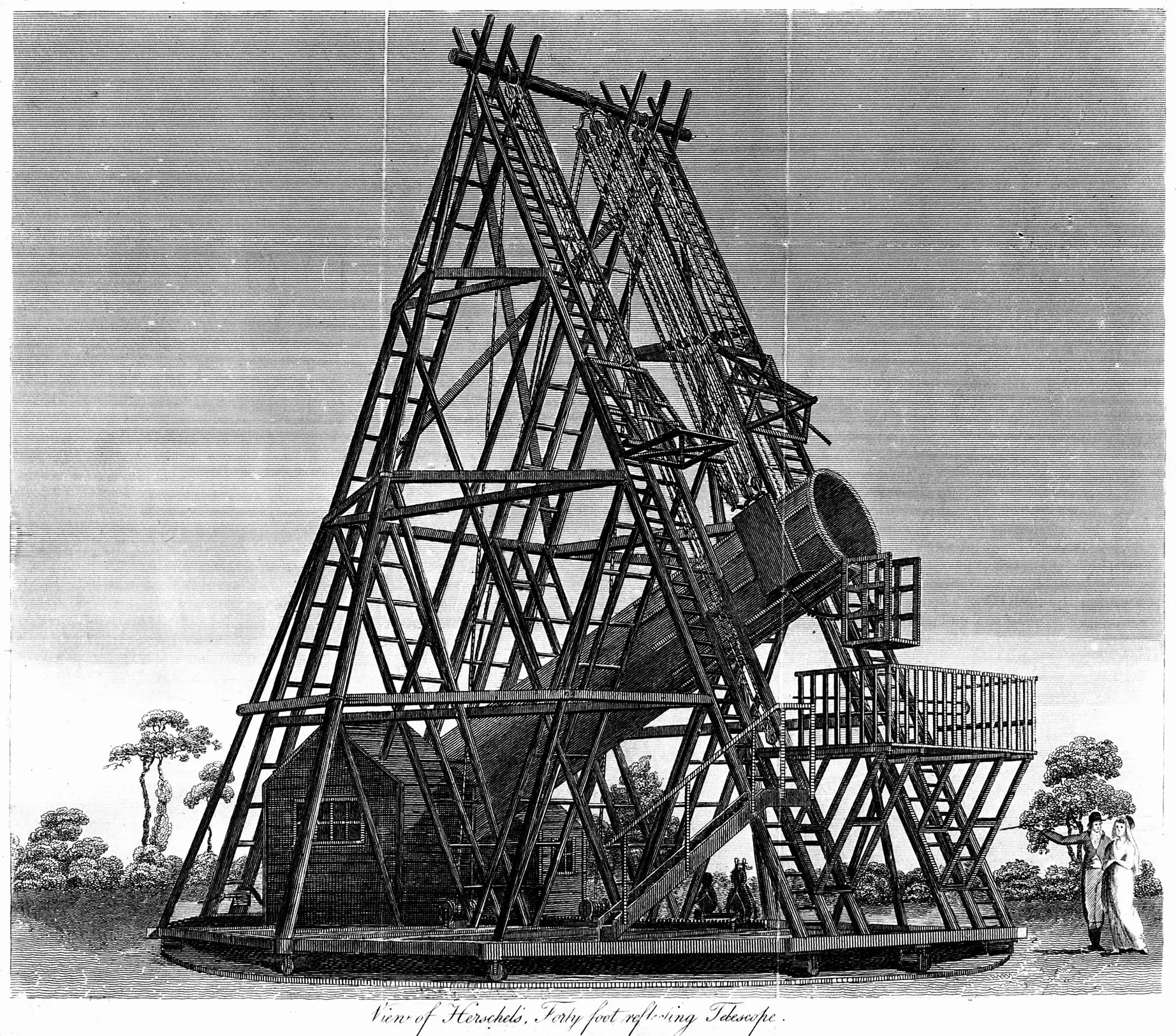
German-British composer and scientist William Herschel discovered Uranus on March 13 1781 with his 40 foot Newtonian reflector telescope.
It was the largest, most powerful telescope in the world at the time.
Built in 1789, he'd received grants totalling £4,000 (around $5,230) from King George III.
Today, that money is worth a hell of a lot more; a whopping £533,524, or $698,0000.
Bearing that he mind, he wanted to honor the generous King who'd helped him discover Uranus.
So he initially named the planet George... kind of.
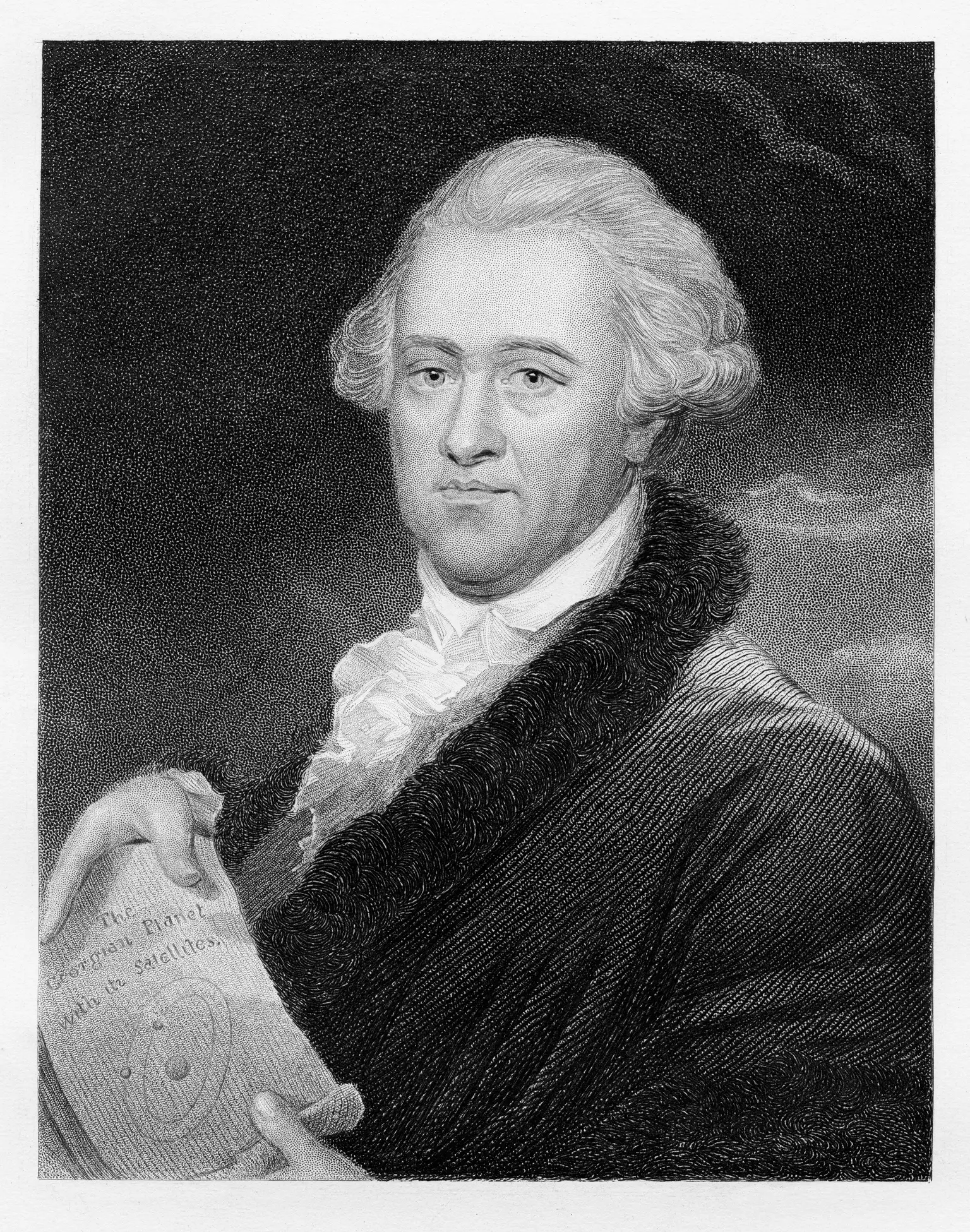
NASA explains that Herschel called it 'the Georgium Sidus,' Latin for George's Star.
Doesn't sound all that controversial does it? Well, you'd be wrong...
George sparked both arguments and confusion among the space industry.
Firstly, it didn't conform to the usual planet naming criteria; being named after Greek or Roman mythology. And secondly, it wasn't even a star after all.
So poor George was essentially snubbed by the space world, until the name we all know and love today was proposed.
As NASA explained, German astronomer Johann Elert Bode first suggested renaming it Uranus.
"Uranus is the ancient Greek deity of the Heavens, the earliest supreme god," NASA said, adding that it didn't achieve common use until 1850.
Royal Museums Greenwich writes that Uranus' counterpart in Roman mythology, Caelus, 'is the father of Saturn, and Saturn in turn the father of Jupiter'.
NASA adds that today, most new discoveries are catalogued by numbers or named after the observatories that find them - with official approval from the International Astronomical Union (IAU), the only organization authorized to assign names to planets, stars, and other objects in space.
The more you know!
 Ellie Kemp