Expert issues warning over what to wear on a plane that could make a 'crucial difference' in an emergency

When catching a flight, some of us might put extra thought into our perfectly curated outfits, while others opt for comfort over style.
No matter your approach, it's worth double-checking what material your garments are made of, because it could make the difference between walking off a plane or being stretchered off, one clothing expert has warned.
The odds of being in a plane crash are approximately 0.000001%, according to Bagget Law Personal Injury Lawyers, and while we don't want to think about our potential demise every time we board a flight, you just never know when something could go wrong - especially where fire is concerned.
Noor de Swart, Founder and CEO of Super Label Store, has issued a warning over certain materials to avoid while traveling via airplane, and the ones to go for instead.
Advert
"Most people pick their flight outfit based on comfort, and that usually means reaching for something stretchy like leggings or a polyester hoodie," de Swart says.
"What they don't realize is that synthetic fabrics like polyester, nylon and acrylic can melt directly onto the skin when exposed to high temperatures." Yikes.
But it's true; when exposed to fire or extreme heat, a lot of synthetic fabrics will ignite and continue to burn.
As de Swart continues: "Some will also melt onto the body. Injuries from that kind of burn are often severe, because the molten material goes on transferring heat to the skin long after the flames have died down."
The danger comes down to how the fibres behave under extreme heat.
Synthetics are made from plastics, essentially, and plastics melt. A polyester shirt exposed to flames won't just burn and fall away from the skin.
Instead, it liquefies, sticks, and keeps burning.
"Natural fibres like cotton, wool and linen will char, but they won't melt, and that is a crucial difference," she explains.
"A cotton T-shirt might catch light, but it won't bond to your skin. A polyester blend will.
"Once molten synthetic gets into a burn wound the scarring is far worse, because the fabric itself becomes part of the injury."
Melting is possible even when the flames themselves last only a few seconds, which is what makes synthetic clothing so dangerous inside an aircraft cabin.
But fabrics are not all equally bad, however. Nylon tends to melt at a lower temperature than polyester and drips as it burns, which can spread the injury further down the body, while acrylic catches quickly and goes up fast.
"The safest approach is to avoid all of them when you fly," de Swart says. "If you do wear one synthetic layer, make sure it is not sitting directly against your skin. A cotton base layer underneath makes a real difference."
So, what should we be wearing on our next plane journey instead?
De Swart recommends sticking to natural fibres wherever possible.
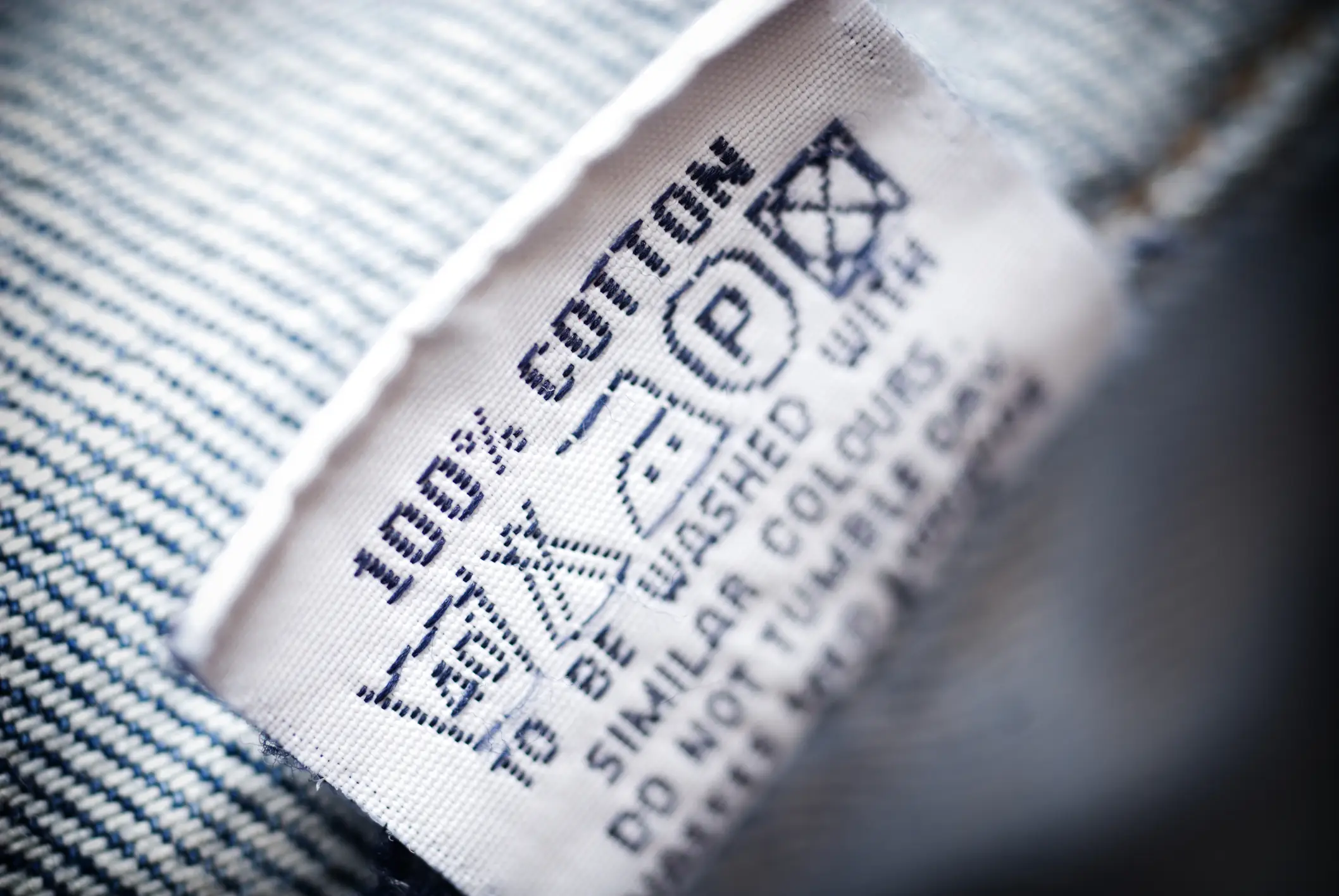
"Cotton, wool, linen, even silk are all far safer options," she says. "A pair of cotton joggers and a merino wool jumper will keep you just as comfortable as any synthetic activewear, and they behave in a completely different way if exposed to flames."
It is always advisable to take a large scarf, cotton or silk, to cover your neck as cabin air can get quite chilly. Natural-fibre layers breathe better too, which helps regulate your body temperature during a long flight.
Even if you're only flying for a couple of hours, you should heed de Swart's advice.
Aircraft fires develop extremely quickly when they happen. You don't get the luxury of time to change what you're wearing," she concludes.
"What you have on when you board is what you have on if something goes wrong, so it pays to think about it before you leave the house."
Topics: Travel, World News, Fashion
 Ellie Kemp