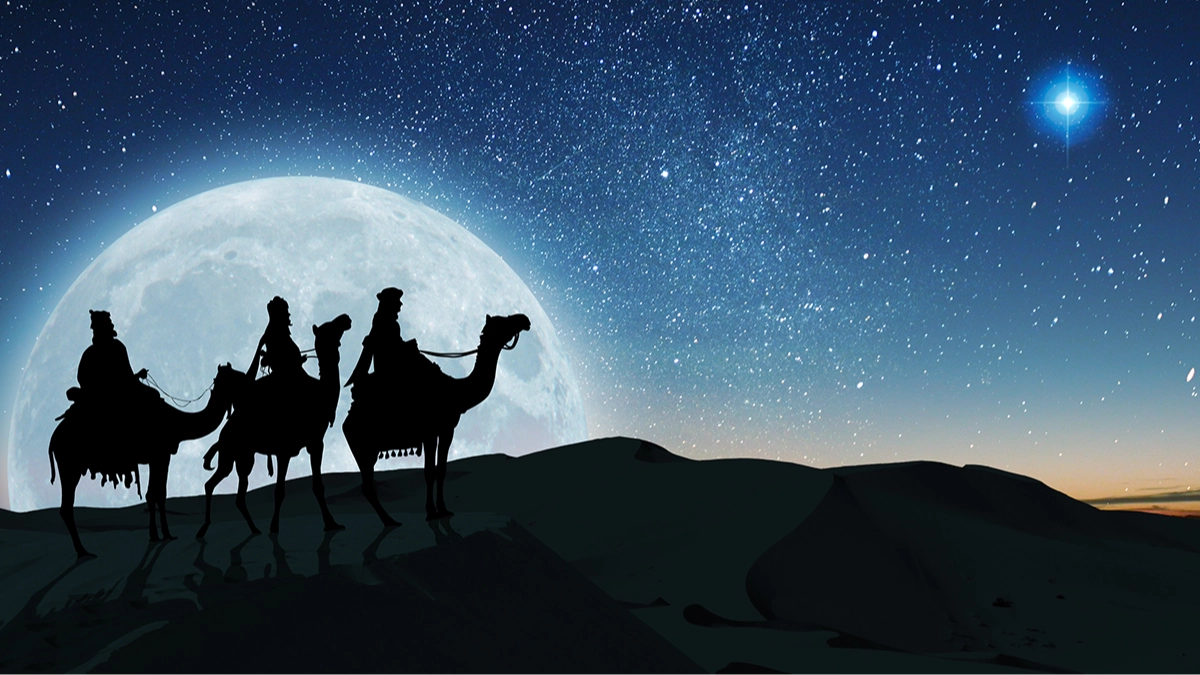
NASA scientist claims they've discovered the Star of Bethlehem

A NASA scientist is confident they can explain the science behind the Star of Bethlehem in the nativity story.
With Christmas just around the corner, many are looking forward to spending time with family and new presents they are going to receive.
However, some people are using the festive season to reflect on the Christian story of the nativity. According to the Bible, when baby Jesus was born, three wise men followed a star in the sky to find him and delivered three gifts to welcome his birth, a story which many Christians celebrate at this time of year.
The story appears in the Gospel of Matthew and goes into detail of how the star appeared to the wise men, before stopping over the place where he was born, ultimately guiding them to Bethlehem.
Advert

This story has baffled both historians, theologians, and astronomers as there does not appear to be any ‘star of Bethlehem' in the universe.
Well, one NASA scientist thinks he has worked out what the wise men saw and is confident it aligns with the gospel.
Planetary scientist Dr Mark Matney believes the ‘star’ may have actually been a comet and suggested as much in the Journal of the British Astronomical Association. He suggested that the star was an object in the sky that was also recorded by the Chinese at the time of 5BC, visible for more than 70 days. Historians tend to place Jesus’ birth between 6BC and 5BC.
Analyzing the ancient Chinese records, Matney identified a range of possible orbits consistent with the observations, and one reconstruction of the object's movement suggested it would have become visible on a June morning in 5BC.
In his findings, Matney wrote: “This is the first astronomical candidate for the Star ever identified that could have had apparent motion corresponding to the description in Matthew, where the Star ‘went before’ the Magi [Wise men] on their journey to Bethlehem until it ‘stood over’ where the child Jesus was.”
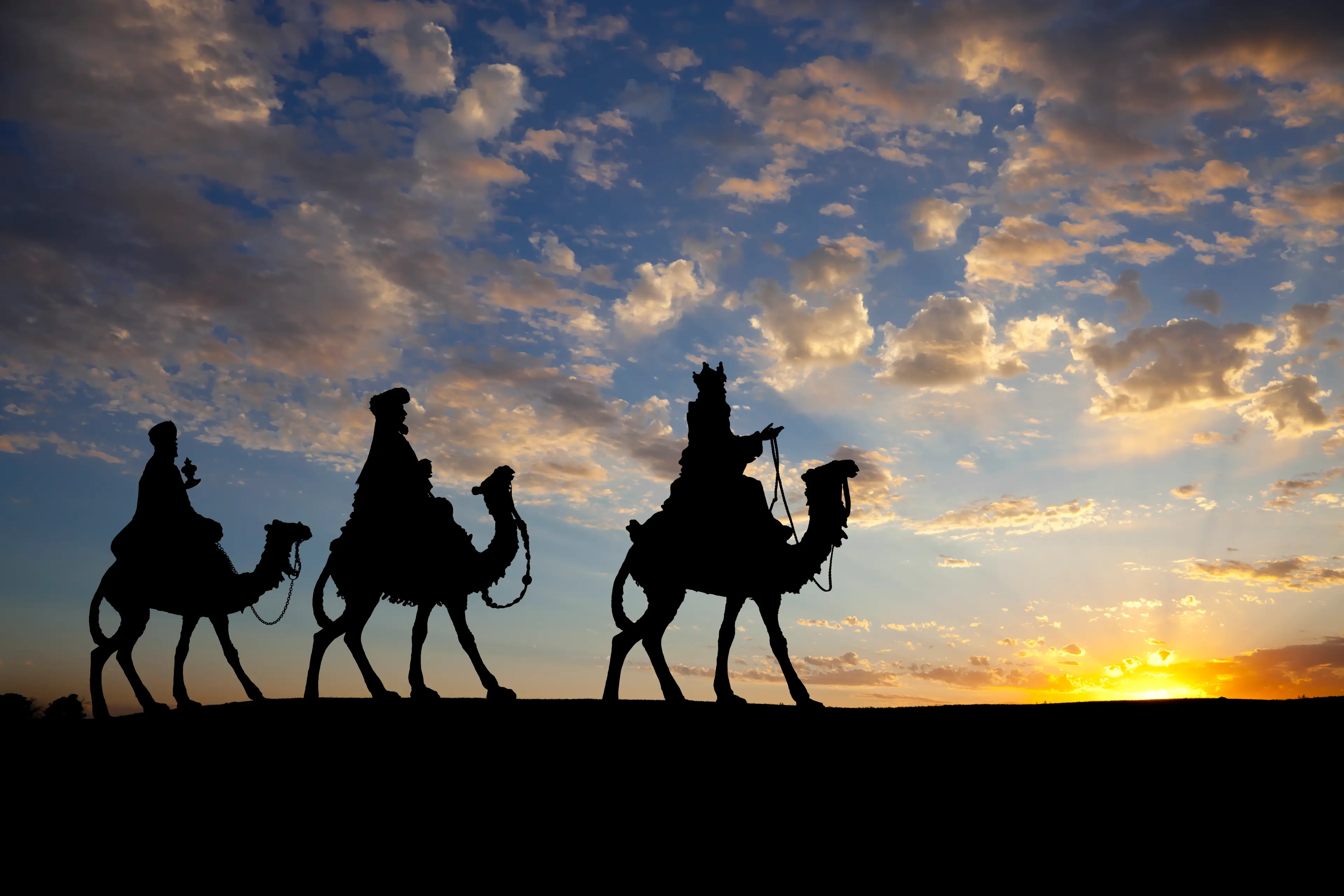
He added that the comet would have passed so close to the Earth that it might ‘easily have been visible in the daytime’ and would have been ‘extraordinarily bright’. It may have also created the appearance of a bright starlike object in the daylit sky and the appearing to stand still for a few hours.
Despite his conclusion, not everyone is in agreement and an astrophysicist at Friedrich Schiller University Jena in Germany argued against Matney’s findings.
According to a Metro report, Dr Ralph Neuhäuser, who also studies historical astronomy, said that the Chinese record may be misleading.
He said: “The older the record, in general, the less information is left. There have been at least 400 scholarly attempts to explain the truth of the Star of Bethlehem – including supernovas and planetary conjunctions.”
Topics: News, World News, NASA, Science
 Gerrard Kaonga