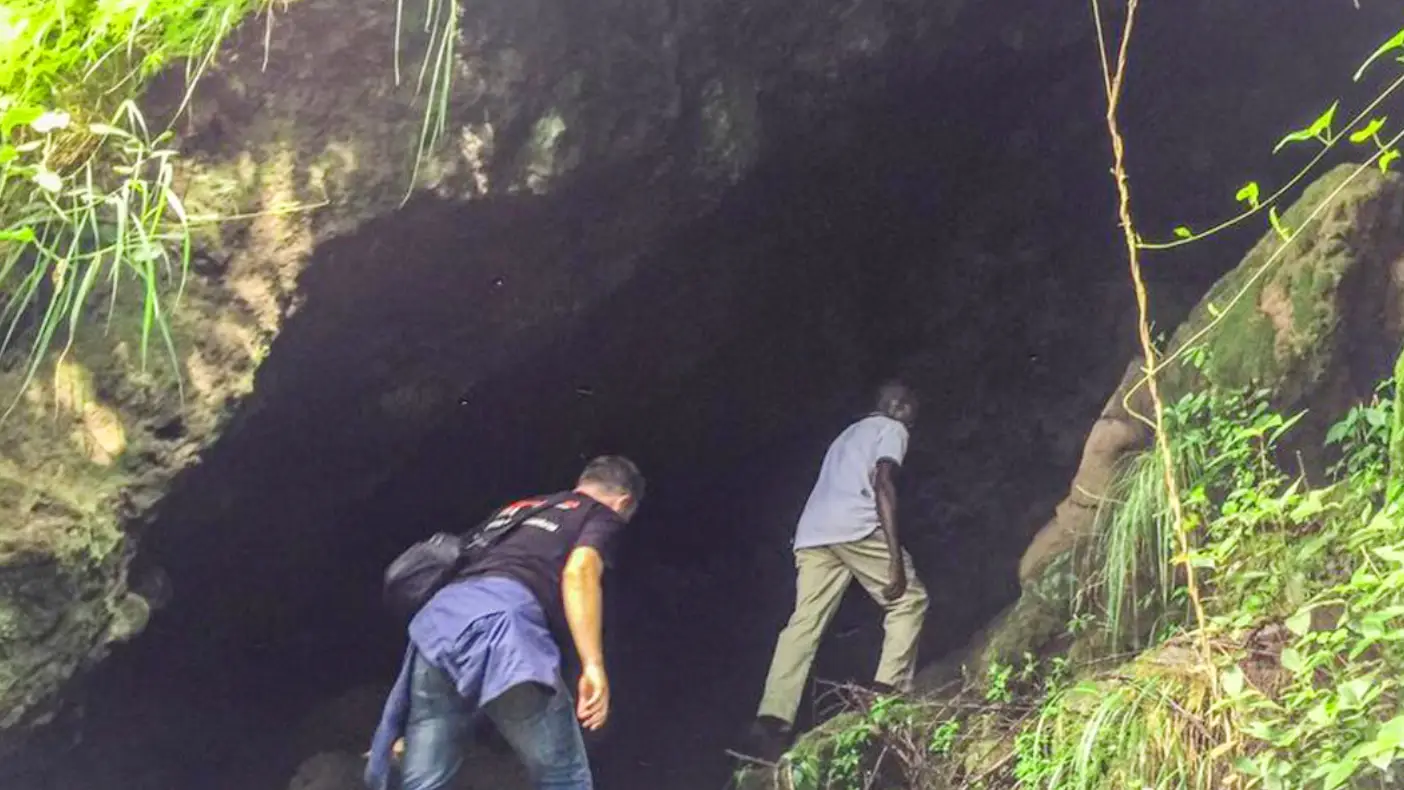
Mystery of cave known as 'most dangerous place on Earth' that left visitors with one of the deadliest diseases known to man

Exploring an ancient cave isn't for everybody, but one that's been described as the 'most dangerous place on Earth' would be a pretty hard no for most people.
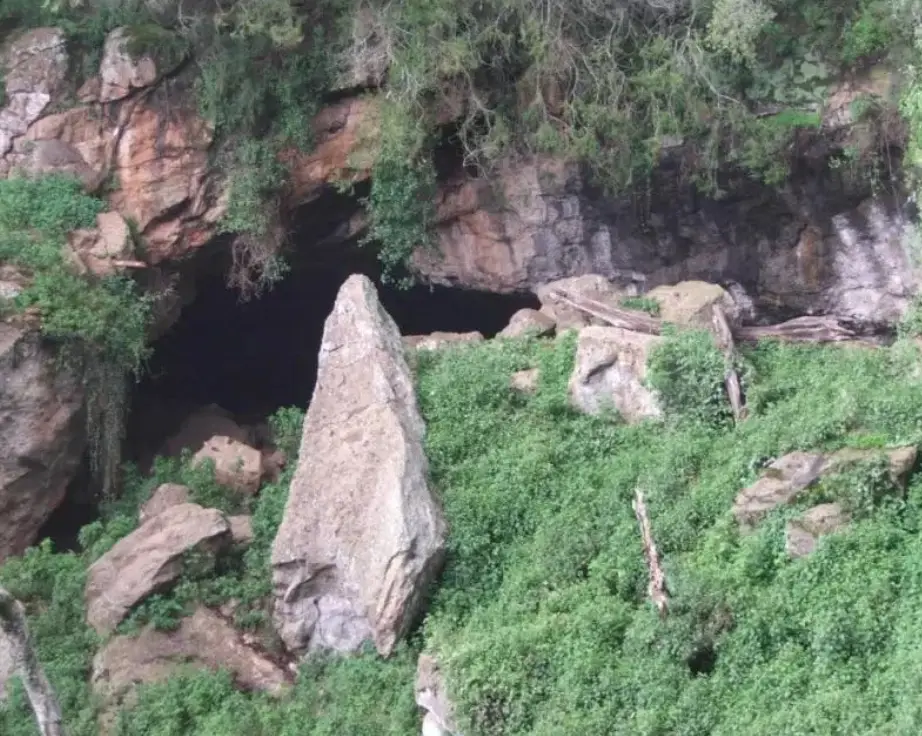
Located in Mount Elgon National Park in Kenya, Kitum Cave has a rather eerie past, after visitors were left with a serious and dangerous disease following a visit in the 1980s.
The cave is home to a number of different animals, including antelope and elephants who were attracted to the salt found in the walls.
In fact, it was the elephants making their way through the caves that left the marks on the walls and helped carve out the passages - but in doing so, it's believed they could have unearthed a deadly virus, that would take the lives of two people.
Advert
In the 1980s, concerns arose over what was lurking in the cave after two visitors died when they contracted a deadly virus called Marburg.
According to the World Health Organization, the virus is a 'highly virulent disease that causes haemorrhagic fever' - a condition which damages the cardiovascular system and reduces the body's ability to function.
It has a fatality ratio of up to 88 percent, according to the WHO, and is part of the same family as the virus that causes Ebola.
Once an individual is infected with the virus, it can spread through humans through direct contact with blood, secretions, organs or other bodily fluids, as well as through contaminated surfaces and materials.
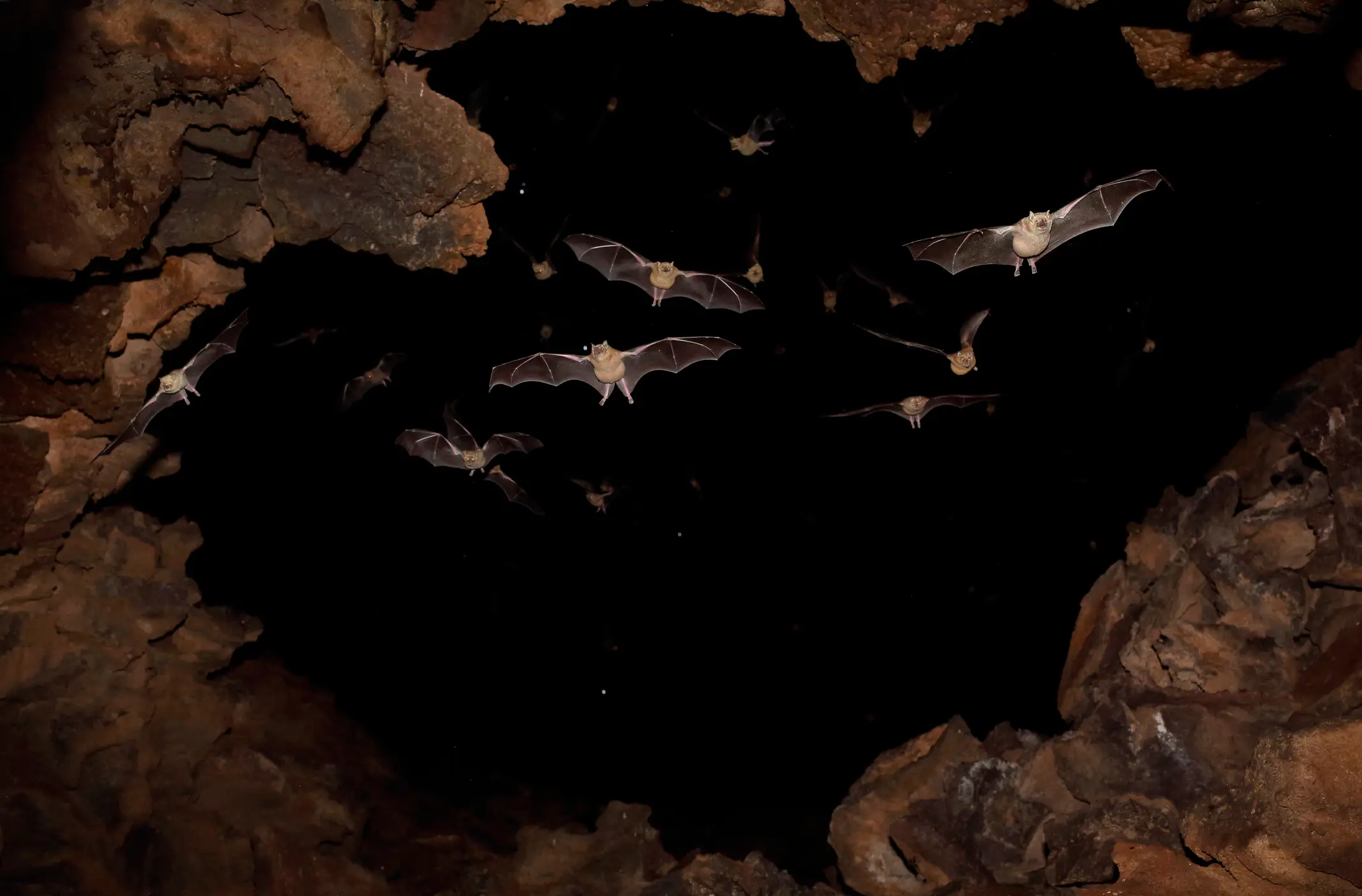
Humans can catch the disease from prolonged exposure to mines or caves inhabited by Rousettus bat colonies - which is what is thought to have happened in the cases of one man from France, who died after visiting Kitum in 1980, and the death of a 15-year-old boy in 1987.
Following the deaths, the United States Army Medical Research Institute of Infectious Disease (USAMRIID) launched a mission in the cave to try and find the species responsible for the virus.
They sampled a wide variety of species, but strangely found no Marburg disease-causing viruses.
In spite of the lack of evidence of the virus, the cave continues to be described as 'one of the most dangerous places on Earth', in reports and posts online.
In the years after the two deaths, expeditions to mines in different countries found evidence of the Marburg virus in cave-dwelling Egyptian fruit bats.
The mines had colonies of the same species of African fruit bats that live in Kitum Cave, suggesting they were the cause of the disease after all.
Topics: Health, News, Science, World News, Africa
 Lucy Devine