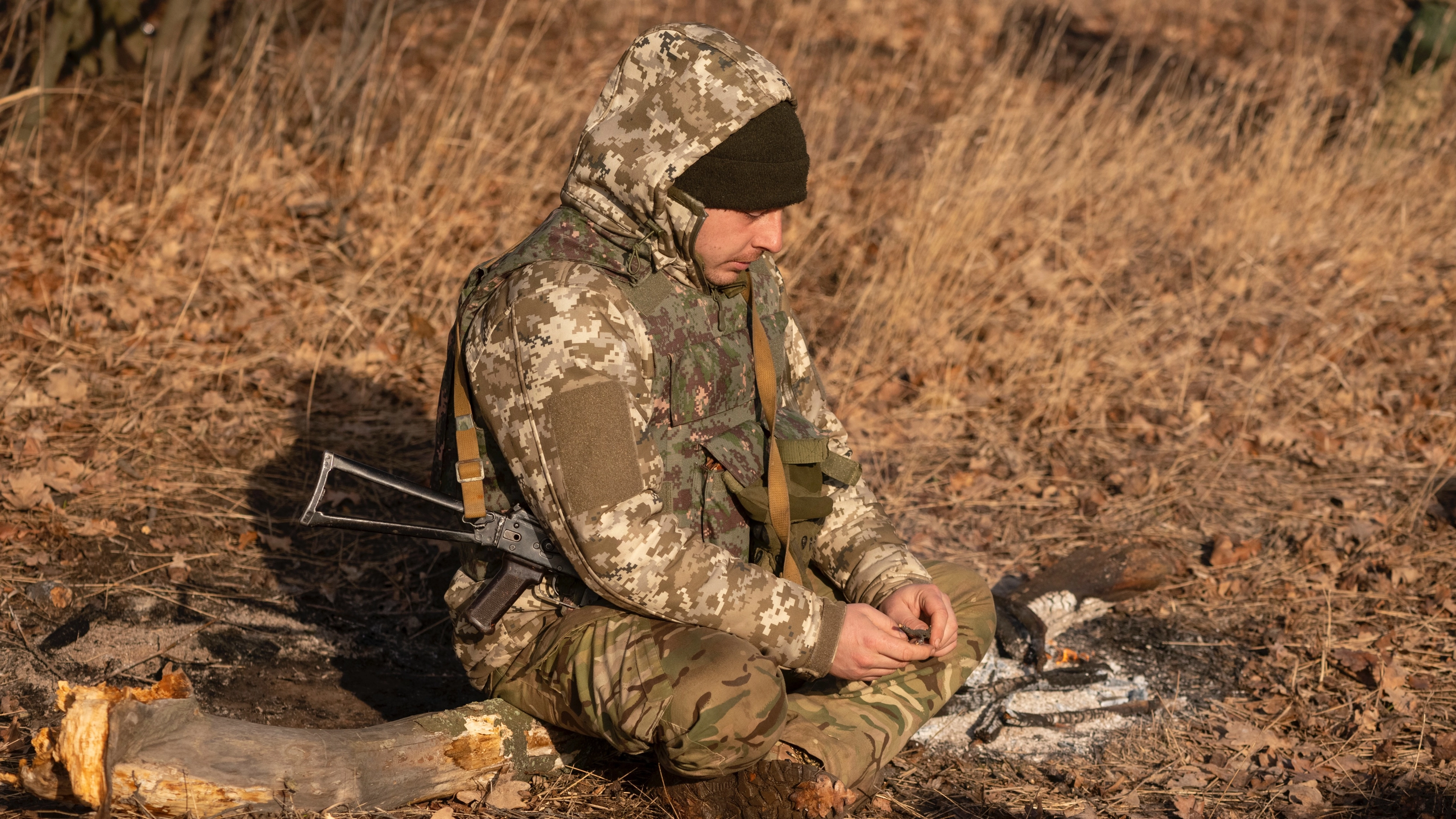
Key survival tips if war breaks out as countries tell citizens to prepare for conflict

Experts have used the escalating friction between the United States, Israel and Iran to deliver key survival tips, including how conversing with your neighbors may just save your life.
Ten countries across northern Europe have committed to preparing plans for possible cross-border evacuations amid Iran’s armed forces claiming ‘regret-inducing punishment’ was on the horizon.
The chilling statement was made following the assassination of Ali Khamenei, Iran’s Supreme Leader, who was killed in a joint US-Israeli Operation known as ‘Epic Fury’.
On March 4, it was reported that lawmakers in Sweden, Denmark, Estonia, Finland, Iceland, Latvia, Lithuania, Norway, Poland, and Germany had all signed an agreement to protect civilians.
Advert
“The agreement provides the possibility to temporarily move people across borders in the event of a crisis or, in the worst case, war,” the statement said, as per United24 Media.
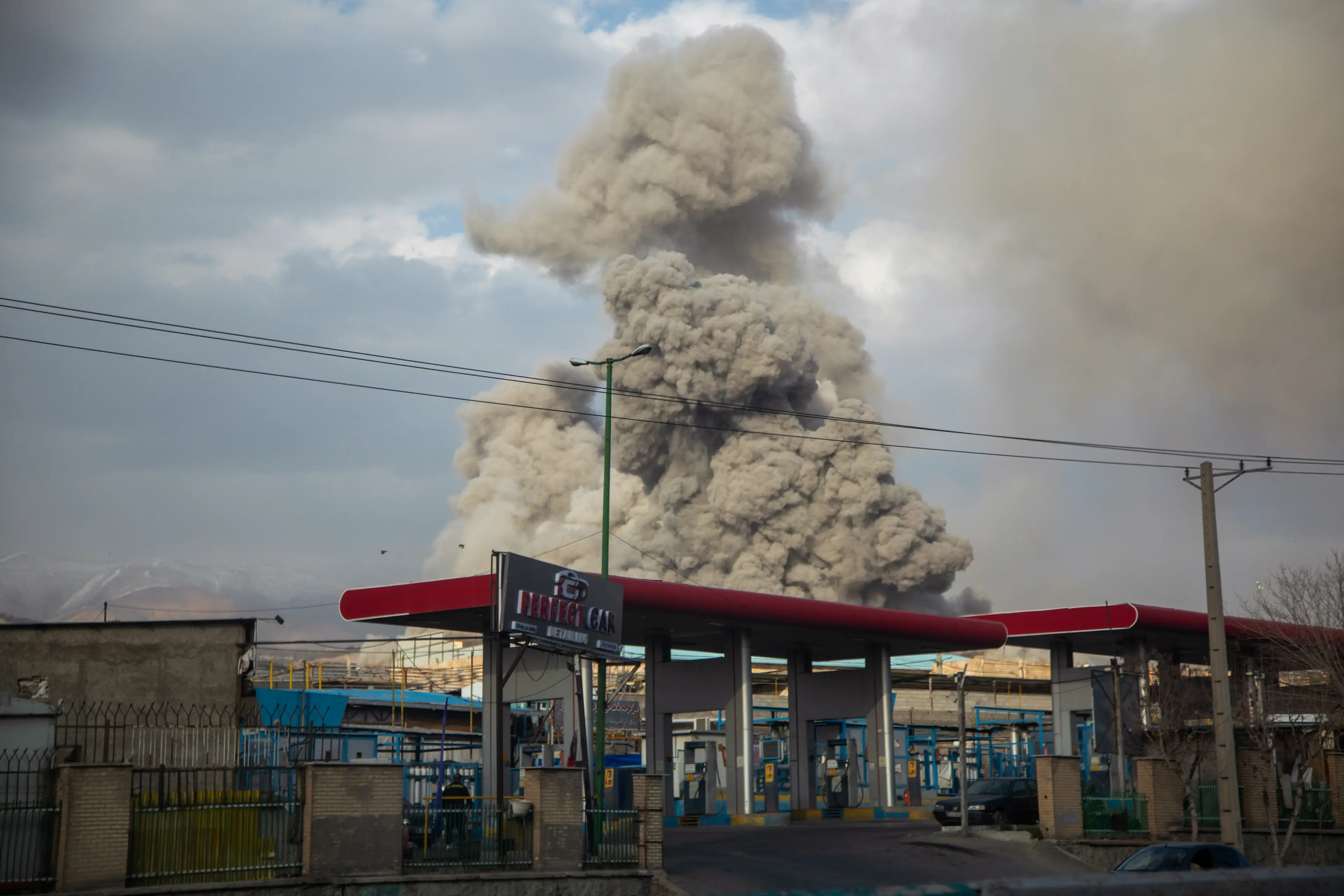
As well as transporting denizens to safety, the accord aims to review transportation routes and border controls, as well as protect particularly vulnerable groups.
Meanwhile, NATO (The North Atlantic Treaty Organization) has urged Britons to brace for warfare.
The warning comes months after the government said that the UK must ‘actively prepare for the possibility of the UK coming under direct threat, potentially in a wartime scenario’, as per the BBC.
With the world on the very brink of war, and Prime Minister Keir Starmer previously claiming that the ‘greatest military threat of a generation’ is on the doorstep, you may be wondering what you will need to do to survive.
Experts have recently spoken out about how they are preparing for war, giving tips on the best food to forage and skills you should probably pick up before it is too late.
Remain indoors
Dr Arnab Basu, CEO of Kromek Group plc, told The Mirror that survival depends less on fleeing and ‘more on shielding yourself from fallout’.
You can do this by apparently limiting exposure to the outside world and relying on stored resources instead, such as stockpiled canned food.
If a nuclear strike ends up taking place, the expert advises everyone to ‘remain indoors for the next two to three days’.
“Preferably in the most central part of your shelter, away from exterior walls and windows,” he added.
Build a strong community network
Liverpudlian Doomsday prepper Dan Goss, 33, told The Mirror that getting to know your neighbors could be key to your survival.
"Having a bunker mentality in a disaster won't save you when your child gets ill and you need help – you need to be able to be part of the community and help rebuild it,” he explained.

By becoming familiar with your neighbours, you may be able to help complement each other’s skills.
Perhaps they are keen gardeners, and you have tons of fresh fertiliser in your garden shed - a match made in heaven, right?
He also said that the ability to ‘stop people from stabbing each other over a tin of beans’ will be ‘vital’ practice.
Fill up water containers
Water can easily become contaminated with debris during conflict, so Dr Basu reccomends filling up ‘every possible container’ with liquid so that you will have enough to drink.
This includes sinks and bathtubs, as well as cups, saucers, pans, and kettles.
Attend practical courses
If war does break out, then the hours you’ve poured into Starfield may not exactly come in handy.
But what would help is if you start learning first aid, taking part in bushcraft courses, and learning how to find and purify wild water, Goss claimed.

Mastering knitting, crochet and sewing may also come in handy when the need to fashion fur pelts and backpacks presents itself.
Other hands-on training courses that may bolster survival rates include fire lighting in the wild, building shelters, and even fishing in waterways.
Foraging for dummies
Foraging is the act of searching and collecting wild food resources from bushes, plants, and trees.
The sustainable practice is favorited by campers, but could also save you in a tight spot if war broke out.
Items you can forage include, but are not limited to:
- Chestnuts and walnuts
- Berries such as blackberries and elderberries
- Fruits like cider apples
- Various mushrooms
- Nutrient-dense plants including stinging nettles and wild garlic
“Foraging won't stave off starvation," Goss confessed.
“But it will prevent things like vitamin deficiency. I prefer plant foraging in blackberry bushes, tree nuts, leaves and roots rather than mushrooms, which aren't very nutritious.”
He added how ‘remarkable’ it is that there is so much out there to eat, stating that his local area has three-cornered leek, lemon mint, barberry and wild garlic.
Look out for roadside woodlands too, which are usually ‘teeming’ with edibles such as dandelions, stinging nettle, thistle stalks and fiddlehead ferns.
Topics: US News, UK News, Iran, World News
 Ella Scott