Psychotherapist reveals how to mentally prepare for the possibility of WW3 as fears grow following strikes on Iran

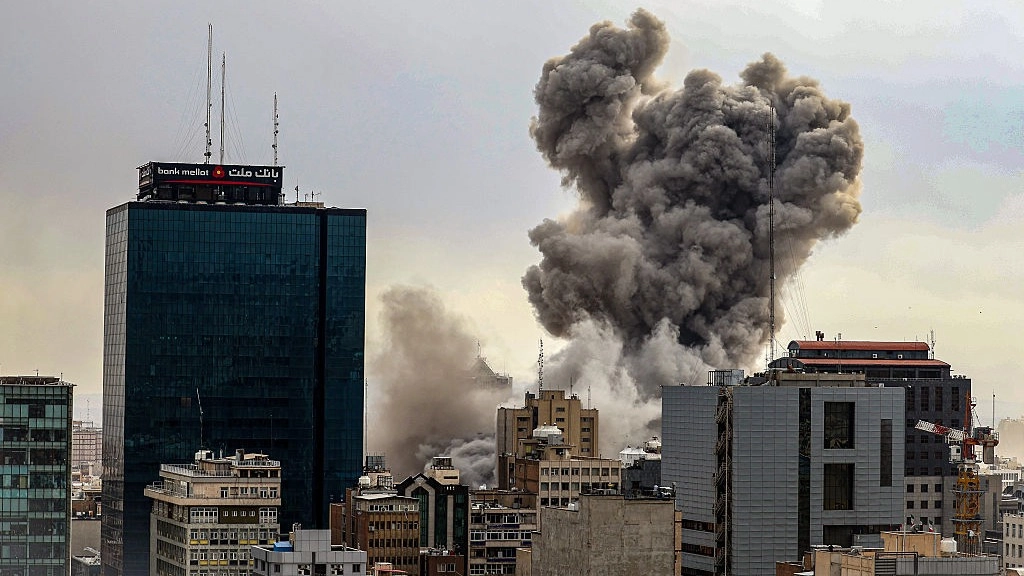
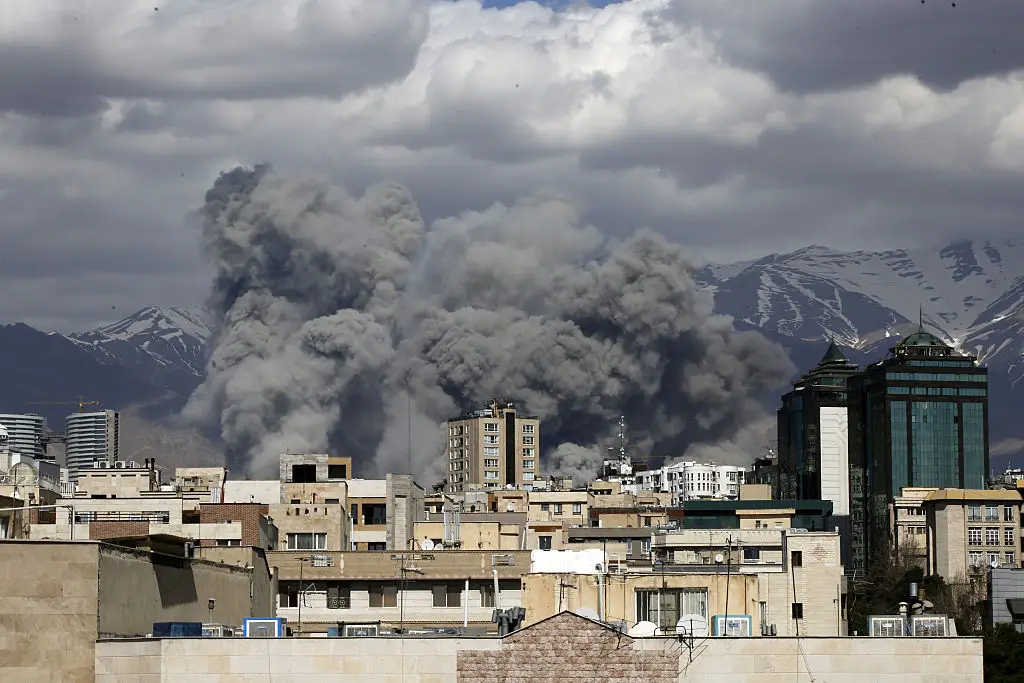
As Iran retaliates to the US-Israeli attacks on the country over the weekend, many have questioned if we're headed for World War 3.
Overnight, Iran targeted a US Embassy in Saudi Arabia after several Iranian cities were subjected to air strikes in recent days.
In light of them firing back, the State Department has urged Americans living in countries like the United Arab Emirates (UAE), Qatar, Saudi Arabia, and Syria, to leave as soon as possible.
But World War 3 fears date back before the recent attacks on Iran, with the likes of Ukraine's President Volodymyr Zelenskyy stating that Vladimir Putin has already started the next world conflict.
Advert
"I believe that Putin has already started it," he told the BBC in late February as the Ukraine entered its fourth year of war with Russia.
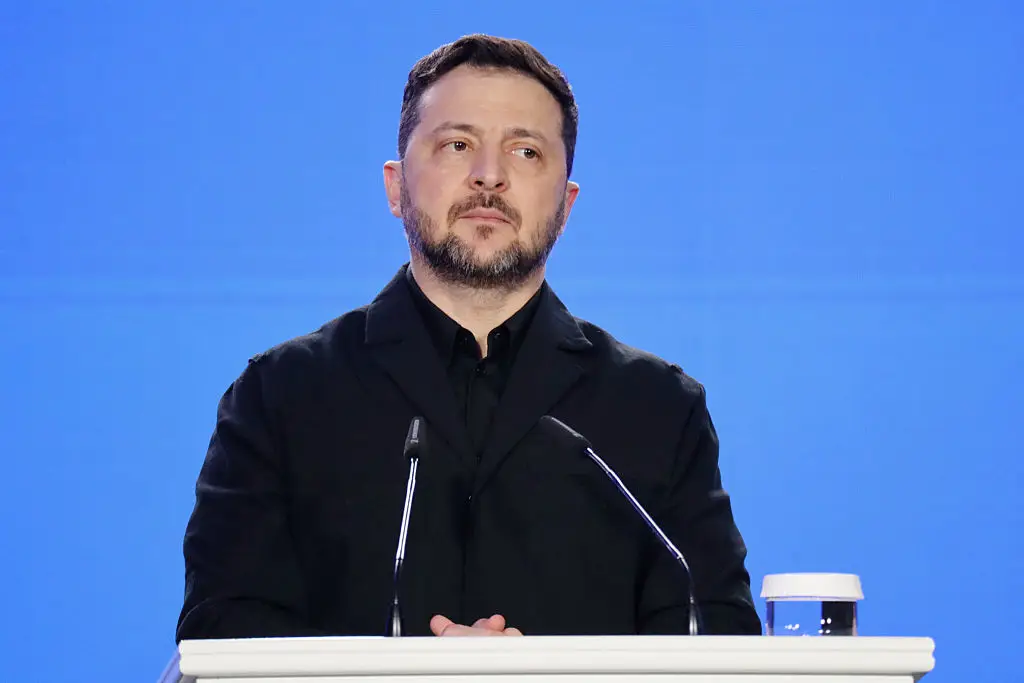
"The question is how much territory he will be able to seize and how to stop him," Zelenskyy continued. "Russia wants to impose on the world a different way of life and change the lives people have chosen for themselves."
However, some have argued that WW3 hasn't started yet and will only begin once NATO countries are directly involved.
With all the strife going on across the world, you might want to start preparing for World War 3 if or when it happens.
Sharing how people can mentally prepare for this, author and psychotherapist Eloise Skinner told UNILAD: "Because each individual will have a different emotional or psychological response to these kinds of world-level events, I think the first step would be to identify how you actually feel about the threat, on an individual level, and then address those feelings separately (in other words, trying to understand the deeper feelings or emotional responses that might be going on).
"For example, if the fear is really about the uncertainty of what might happen, you could work on dealing with uncertainty (working with a therapist, using CBT techniques, practising present-moment awareness, and so on)."
Eloise added: "If the fear is tied to anxiety when thinking about all the things that could happen, there might be practical ways to find grounding and reassurance (limiting one's news intake, forming structured daily routines, embodiment/mind-body practices, etc.)."
Elsewhere Eloise shared tips on how to cope when so much war and bloodshed is taking place.
"Knowing your personal values and priorities can be helpful — for example, if you know that spending time with friends and family feels fulfilling and meaningful, adding in more opportunities to do so during your working week can be effective in reducing stress or worries," she advised.
"If you know that talking about your fears or concerns feels helpful, you could seek support from a mental health professional, or use a tool like journalling to help you process emotions."
If you or someone you know is struggling or in crisis, help is available through Mental Health America. Call or text 988 to reach a 24-hour crisis center or you can webchat at 988lifeline.org. You can also reach the Crisis Text Line by texting MHA to 741741.
Topics: News, World News, Mental Health
 Niamh Shackleton