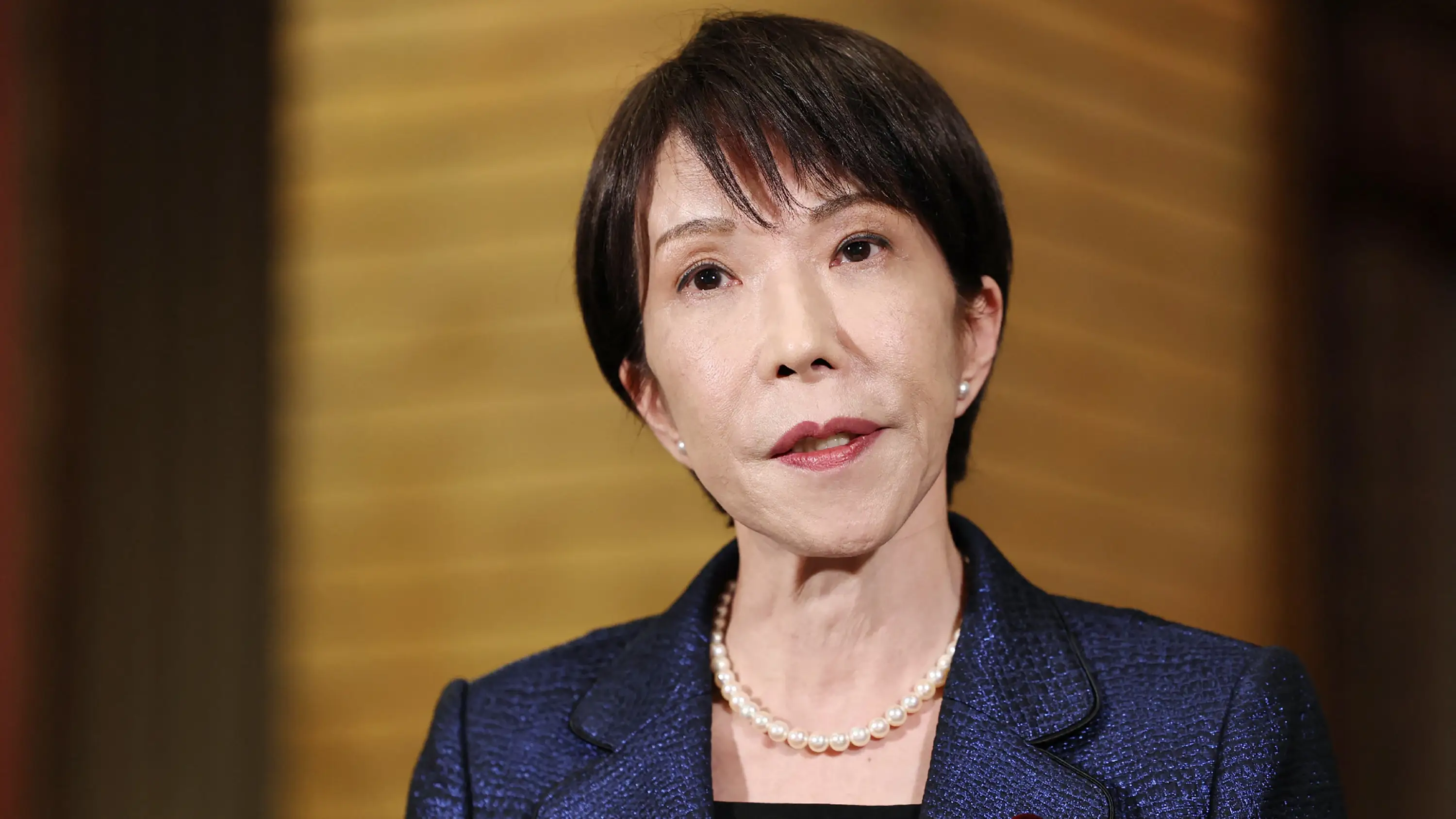
Japan's Prime Minister sparks health concerns ahead of crucial Trump meeting

Japan's Prime Minister Sanae Takaichi has sparked health concerns among members of the public just days before she is due to head to the US to meet with Donald Trump.
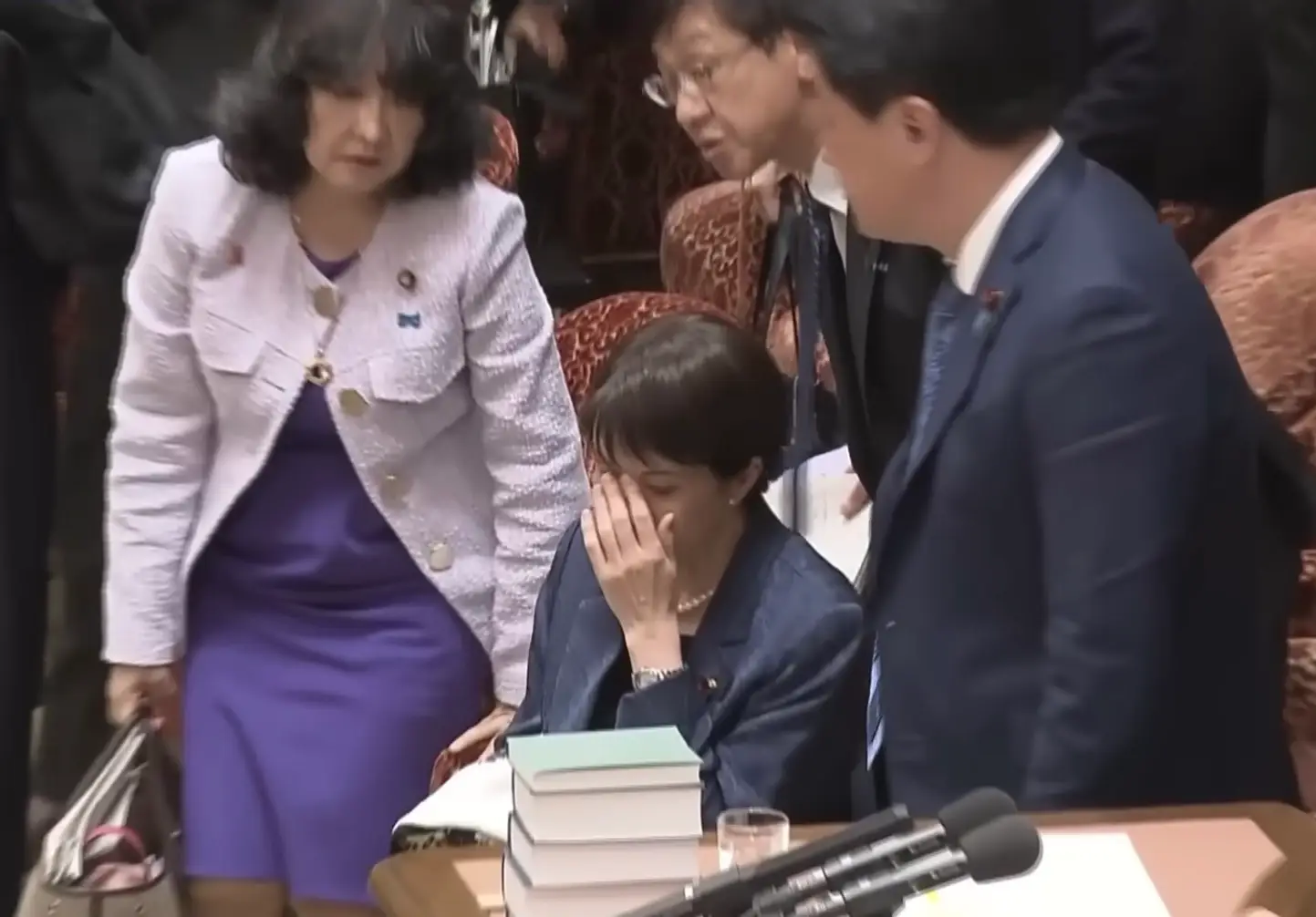
Immediate concerns for the political leader’s health were raised on Thursday March 12, when video footage of Takaichi in a budget committee saw her appearing visibly unwell and struggling to stand, a move which saw aides rushing to support her and assist her to her feet.
Following an outpouring of concern from the general public, her team went on to confirm to CNN that she was under the weather, and even recently had to delay her planned meetings with Middle Eastern leaders as a result of her sickness.
It isn’t the first time Takaichi’s health has sparked concern either, with many citizens warning her that her lifestyle wasn’t sustainable after she confessed to sleeping roughly two to four hours a night, per The Japan Times .
Advert
This prompted legislators to urge her to take more time to rest and to prioritise healthier work-life habits.
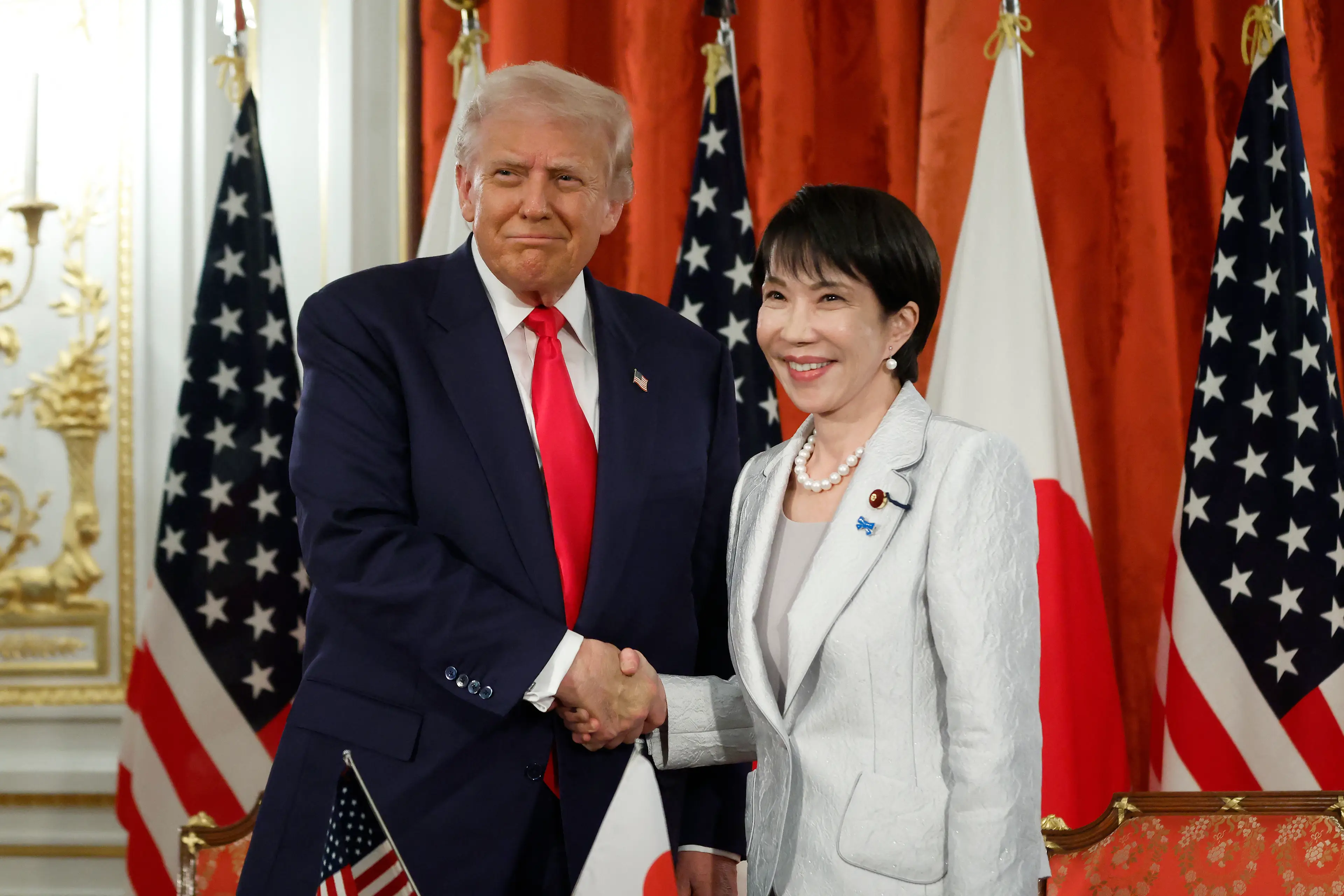
Unfortunately, Takaichi’s current illness couldn’t have come at a more unhelpful moment in time, as The Japan News revealed she had been scheduled to meet with Trump on March 19 in Washington D.C. as part of a leaders' summit to discuss Japan's $550 billion investment in the United States which was agreed last Summer.
The agreement was struck in mid 2025, and saw Japan pledge to pour half a trillion dollars into the American economy to avoid much higher tariffs on the cars and electronics they sell to the U.S.
While the exact breakdown of what the funding will be spent on has yet to be revealed, the core areas the US aims to bolster with such a lucrative investment include building new nuclear power plants (using Westinghouse technology), natural gas facilities and crude oil export terminals, manufacturing advanced semiconductors (chips) and artificial intelligence (AI) infrastructure, and enhancing mining and processing the materials needed for batteries and high-tech weapons to reduce reliance on China.
In return, Japan will see tariffs capped at 15%, while also receiving 50% of all profits from these enterprises until Japan gets its initial money back (plus interest). Once Japan is paid back, the U.S. government keeps 90% of the future profits, while Japan only keeps 10% - making it, essentially, a loan with a twist.
Crucially, the deal is thought to be mutually beneficial as it allows the US to rebuild the industrial base using foreign capital instead of taxpayer money, yet at the same time, also allows Japan to keep the American market open for their exports and to strengthen their military and economic alliance with Washington against regional rivals.
Additionally, it is also expected that Trump will be keen to discuss an increase in Defence spending, with the South China Morning Post reporting that it is likely that Tokyo's participation in his 'golden dome' missile defence project will be announced during the meeting.
Topics: Donald Trump, Japan, Politics
 Phoebe Tonks