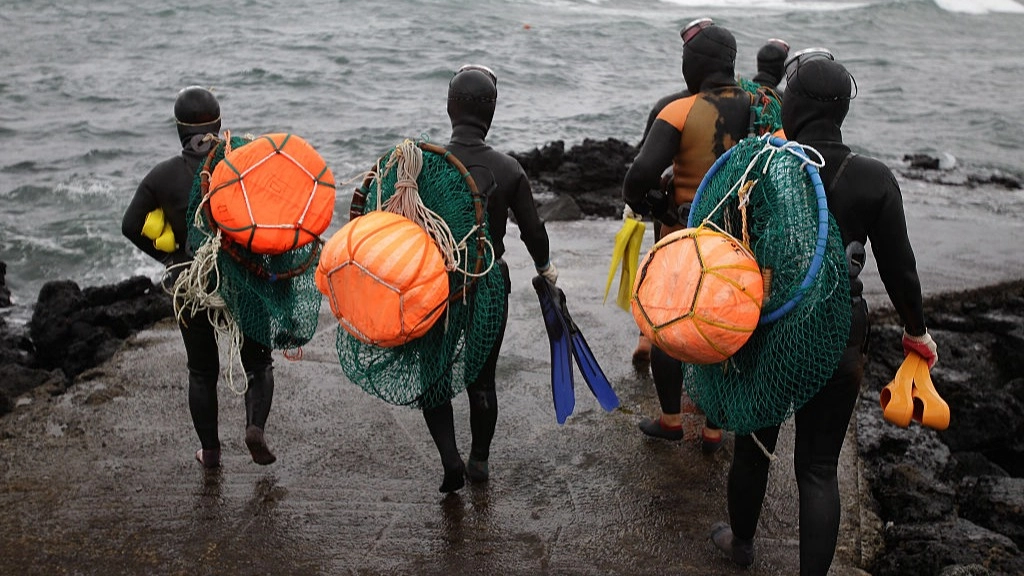
Women dubbed ‘real-life mermaids’ can dive without oxygen for minutes – but their culture faces a tragic threat

A community of female divers off the coast of South Korea can spend up to seven hours a day underwater without an oxygen tank, and scientists have now found a genetic reason why some of them can do it so well.
The haenyeo, women from Jeju Island who free-dive to harvest seafood, have been practicing their trade for centuries, often diving into their 70s and 80s.
Yet despite being recognised by UNESCO as an Intangible Cultural Heritage tradition, the haenyeo way of life is rapidly disappearing as younger generations turn away from the physically demanding and increasingly precarious profession.
Researchers from the University of Utah and UCLA studied the women's DNA and found two genetic variants that may explain how their bodies cope with the extreme physical demands of the job.
Advert
According to the University of Utah, haenyeo divers are more than four times more likely than mainland Koreans to carry a genetic change linked to lower blood pressure while diving, a trait researchers believe could protect both the women and their unborn children, since many continue diving throughout pregnancy.
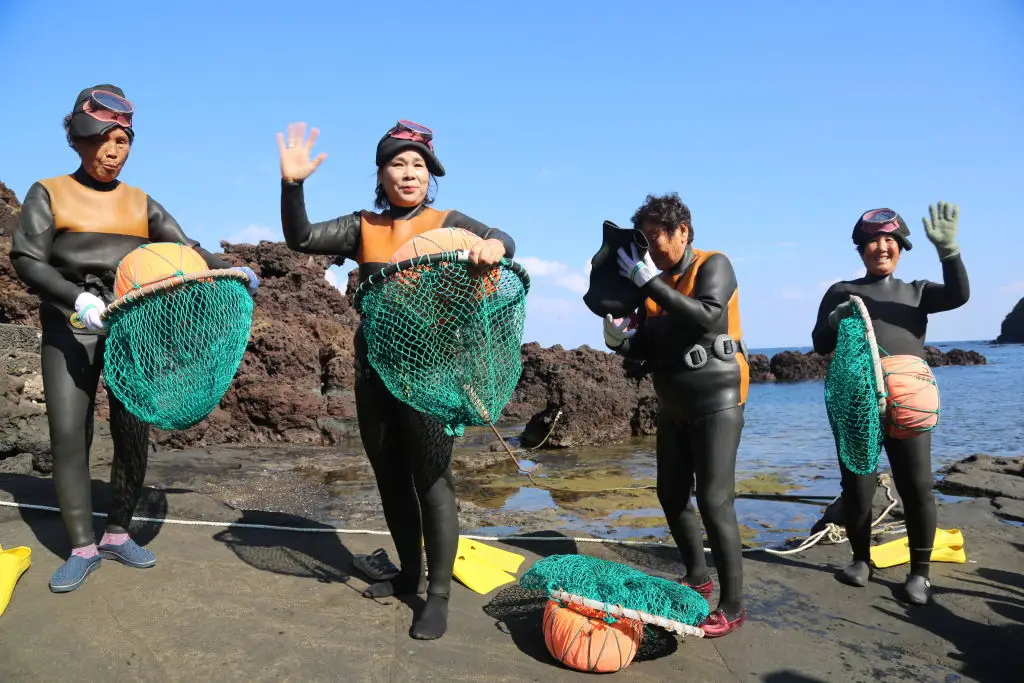
How do the haenyeo hold their breath for so long?
The haenyeo dive up to 60 feet below the surface, harvesting seaweed, abalone and shellfish from the seafloor, often starting work at 6am and diving roughly 100 times in a single session.
While the genetic variants identified by researchers are shared across the wider population of Jeju Island, much of what sets the haenyeo apart comes down to decades of practice.
Diving reflexively slows anyone's heart rate to conserve oxygen, but for an untrained person from Jeju that drop is around 20 beats per minute over a simulated dive, for a lifelong haenyeo, it can be double that.
"They're absolutely extraordinary women," said Melissa Ilardo, PhD, assistant professor of biomedical informatics at University of Utah Health and senior author on the study.
"I saw women over 80 diving off a boat before it even stopped moving."
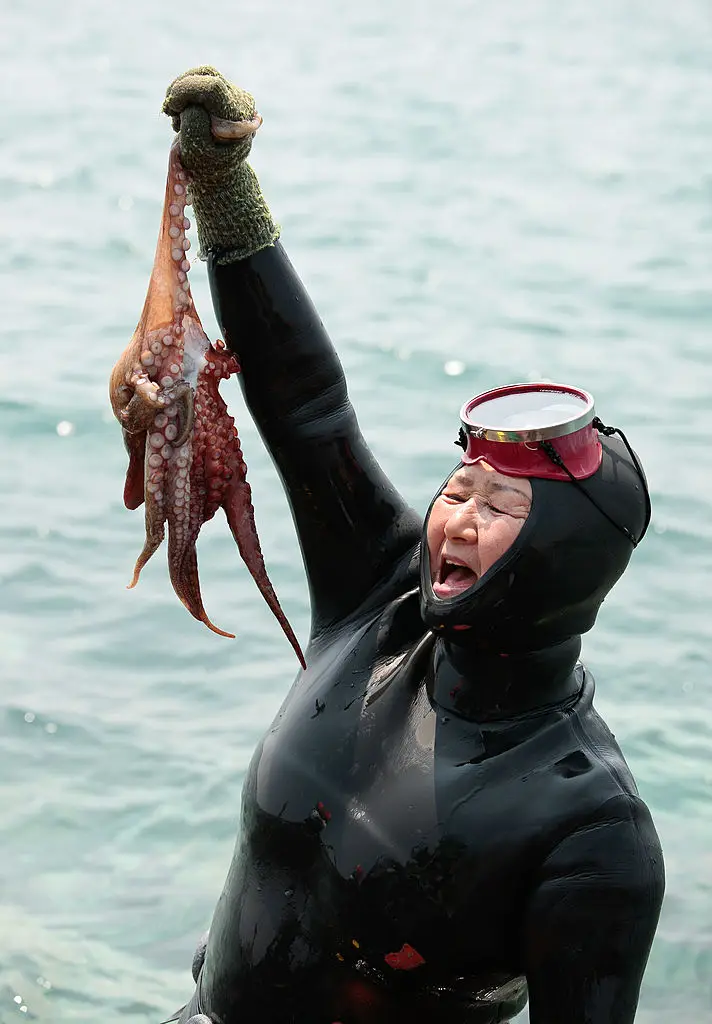
The second genetic difference identified relates to cold-based pain tolerance.
Sea temperatures around Jeju drop close to freezing in winter, but the women rarely stop working because of it. "I asked them once if they would stop diving if it got cold enough," Ilardo explained.
"They said that as long as the wind alarm doesn't go off, they'll still get in the water."
Researchers haven't yet confirmed whether this variant directly boosts cold tolerance and plan to investigate further, but they hope the wider findings could eventually help treat conditions like stroke, given Jeju Island has one of Korea's lowest stroke mortality rates.
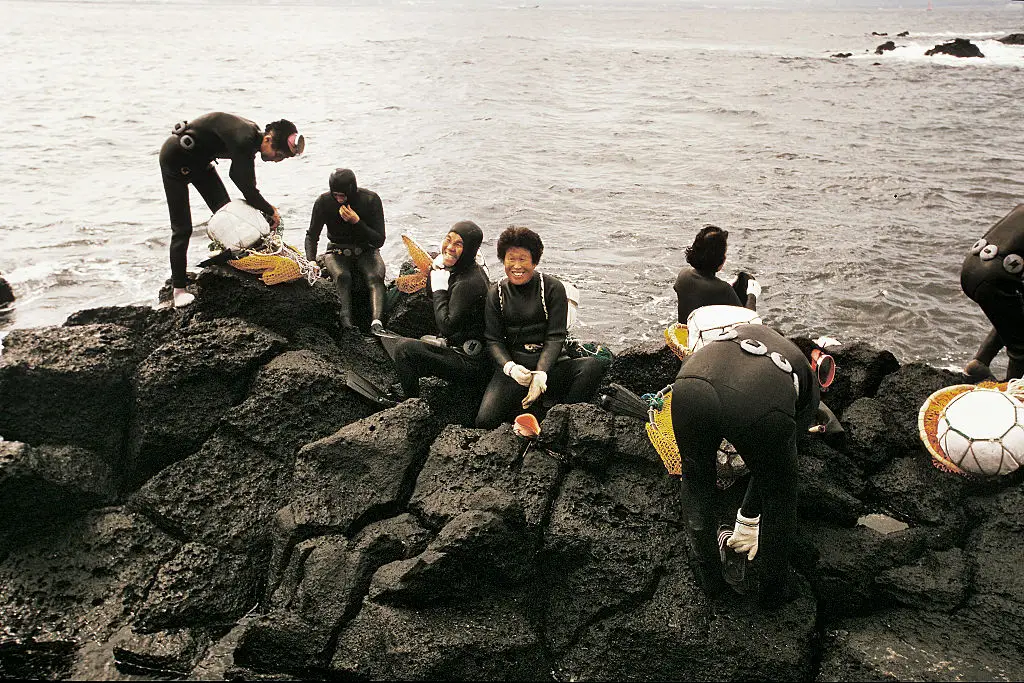
Why is the haenyeo tradition dying out?
The threat to the haenyeo's survival comes from multiple directions.
There is no insurance available for the job because it's considered too dangerous, and global warming is reducing sea life in shallow water, making the women's work harder without the deep-diving help of air tanks they've always refused to use.
A training school set up in the early 2000s to recruit new members has seen only around 5% of attendees go on to actually become haenyeo.
The women have also become vocal campaigners, with haenyeo Soon Deok Jang travelling to the UN's Human Rights Council in Geneva to protest the release of treated radioactive water from Japan's Fukushima plant into waters bordering Jeju.
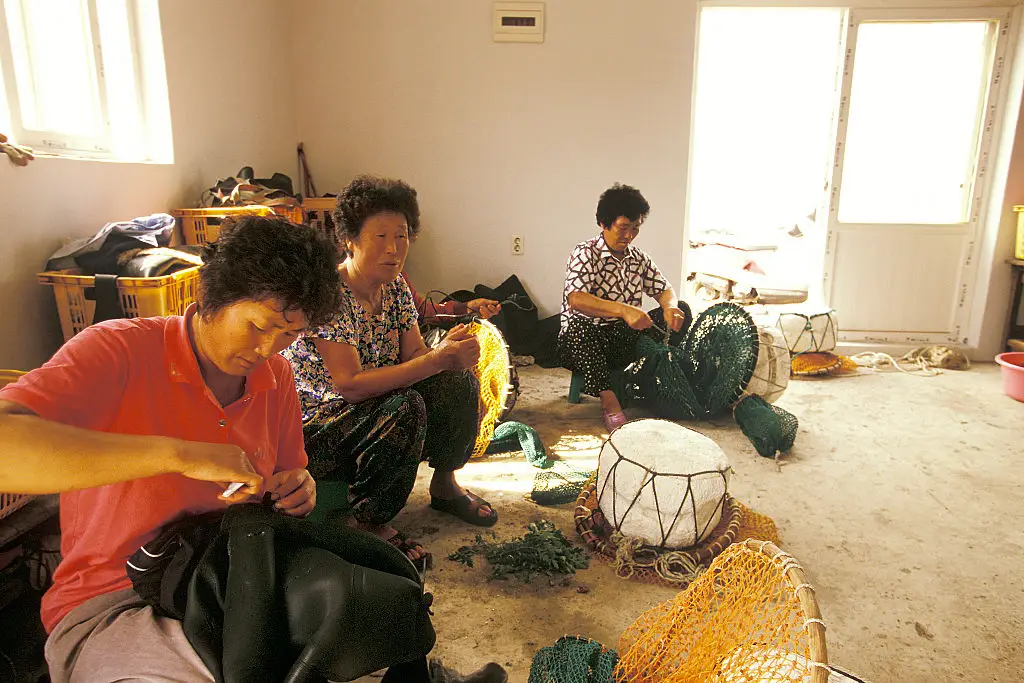
Their disappearing way of life is the subject of The Last of the Sea Women, a documentary from filmmaker Sue Kim, produced alongside Nobel Peace Prize winner Malala Yousafzai.
Kim, who first encountered the haenyeo as a child visiting South Korea, said gaining the trust of the insular communities took time.
"They wanted to talk about the fact that they felt that they were on the verge of extinction," she said.
There is some hope: a handful of younger women from other islands have built social media followings around the flexible, family-friendly hours the job can offer, and the older haenyeo now call them 'their babies,' with the newcomers calling the veterans 'aunties' in return.
Topics: Korea, World News
 Thomas Bamford