UK will allow US to use bases to attack Iran in major U-turn as Trump blasts Keir Starmer

Prime Minister Sir Keir Starmer has announced the US will be permitted to use British military bases for strikes on Iran, though Donald Trump is not happy with his fellow world leader.
The situation in the Middle East is pretty tense right now after the Trump administration ordered missiles to be launched on Iran's capital, Tehran, on February 28 and encouraged the Iranian people to remove the government there.
The Iranian regime has since responded with retaliation attacks, with missile and drone strikes having been launched in countries with a US military presence, including the likes of Bahrain, the United Arab Emirates (UAE), Qatar, and Kuwait.
Despite being the US's biggest ally, the UK has kept out of the current conflict and was not involved in the strikes signed off by the Trump administration over the weekend.
Advert
Starmer initially planned on blocking the US from using RAF Fairford in Gloucestershire and Diego Garcia, an island in the Indian Ocean, for operations against Iran, but has since made a U-turn on the matter.
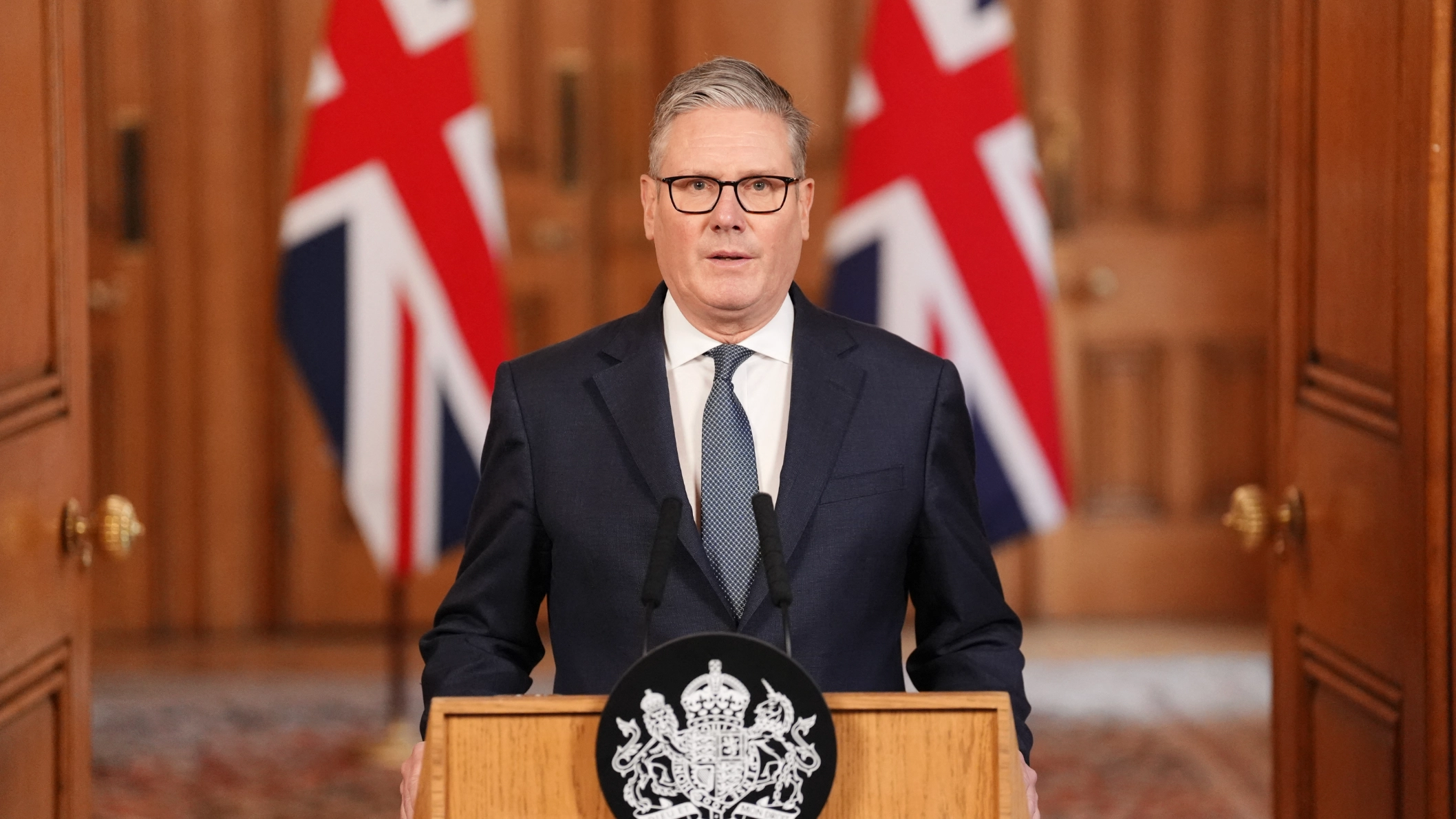
In a video address to the nation on Sunday (March 1), the prime minister said it had ultimately decided to accept the US's request for a 'specific and limited defensive purpose' of destroying Iran's missiles at its 'source'.
Starmer said: "The United States has requested permission to use British bases for that specific and limited defensive purpose.
"We have taken the decision to accept this request - to prevent Iran firing missiles across the region, killing innocent civilians, putting British lives at risk, and hitting countries that have not been involved.
"The basis of our decision is the collective self-defence of longstanding friends and allies and protecting British lives."
Starmer also reiterated that the UK were 'not involved' in the strikes on Iran, adding: "I want to be very clear: we all remember the mistakes of Iraq. And we have learned those lessons. We were not involved in the initial strikes on Iran and we will not join offensive action now."
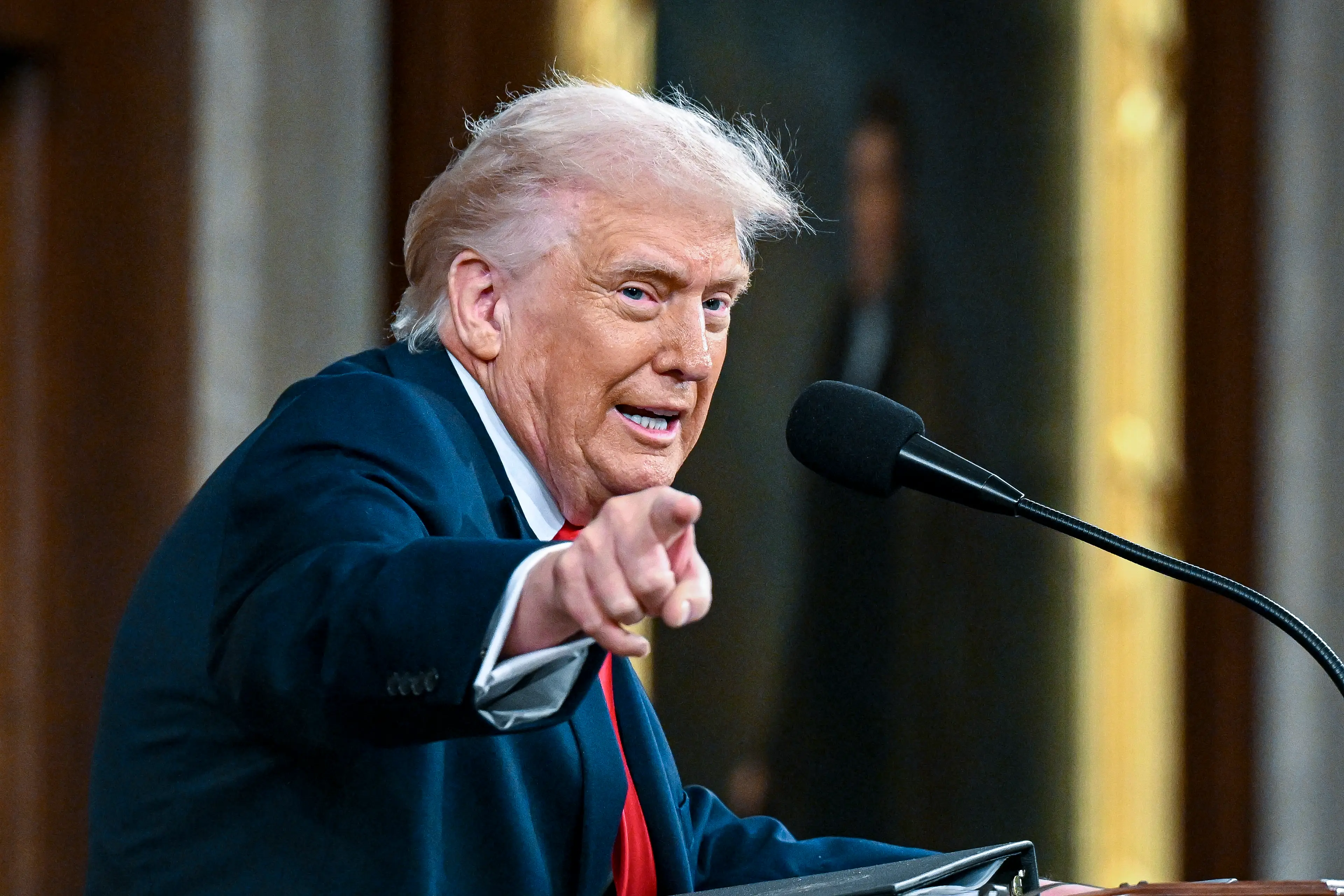
President Trump has since come out and said he was 'very disappointed' in Starmer after initially refusing the US access to the military sites.
"That’s probably never happened between our countries before," Trump told the Telegraph. "It sounds like he was worried about the legality.”
He continued: "All of a sudden [Mauritius] was claiming ownership. He should have fought it out and owned it or make him take it, if you want to know the truth. But no, we were very disappointed in Keir."
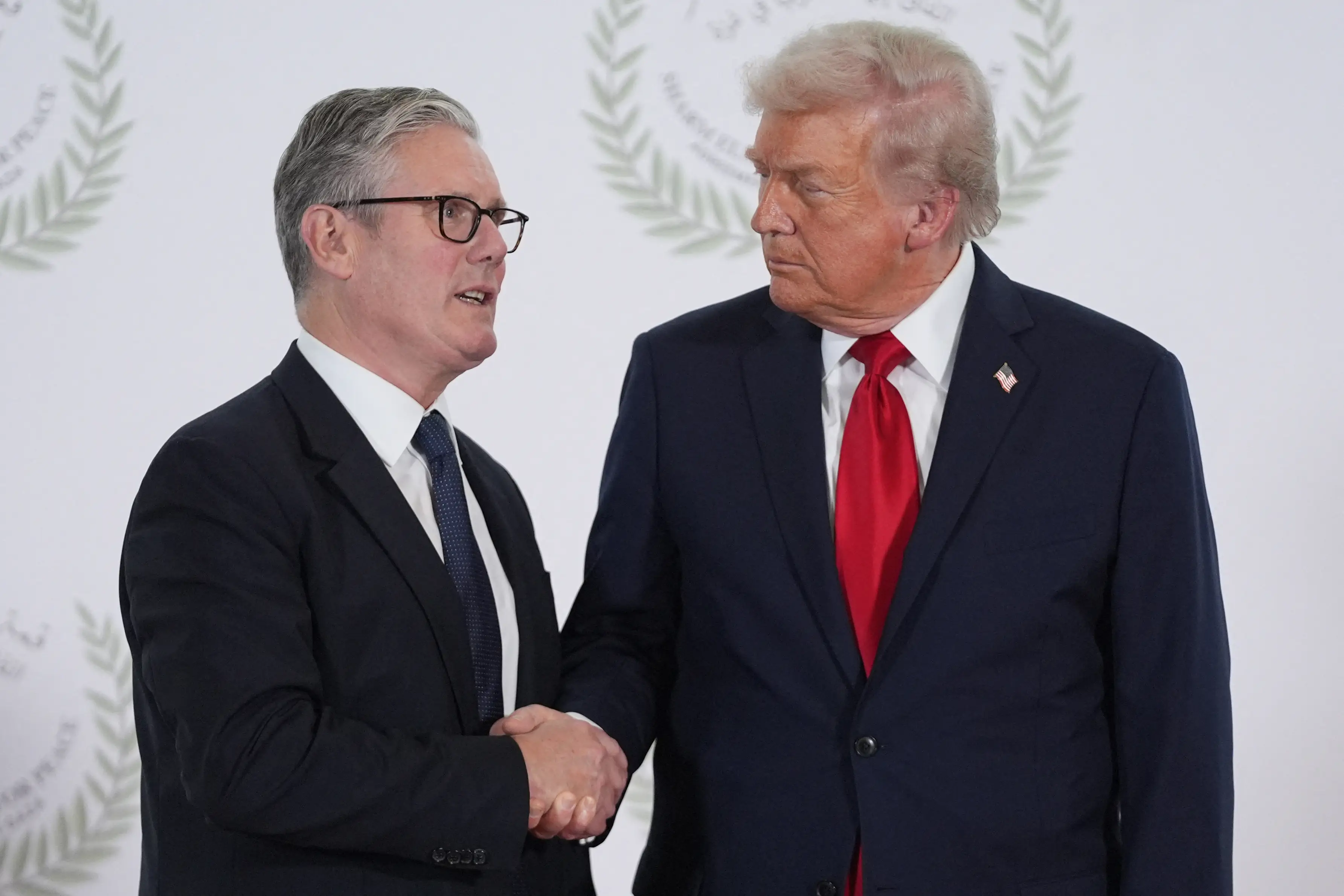
Discussing Starmer's U-turn, Trump added: "It is useful. It took far too much time. Far too much time.”
In his statement on March 1, the US President didn't clarify how long the conflict with Iran would last, though he added: "Combat operations continue at this time in full force, and they will continue until all of our objectives are achieved."
The US Central Command also confirmed that three US soldiers had died in action, while 'several others sustained minor shrapnel injuries and concussions', which Trump responded to.
Iran strikes: what you need to know
Why is the United States and Israel attacking Iran?
US President Donald Trump announced on Saturday (28 February) that the US and Israel have started 'major combat operations' in Iran after explosions were heard in multiple cities across the country.
Following a significant buildup of US forces in the region in recent weeks, Trump declared in a video posted on Truth Social that 'we are going to destroy their missiles and raze their missile industry to the ground'.
Alongside hundreds of civilian casualties - including at least 153 people and children after a reported strike hit a school in Minab - Iran's Supreme Leader Ayatollah Ali Khamenei was confirmed dead following Israeli missile strikes around Tehran.
According to Trump, the aim of this weekend's attacks were to 'ensure that Iran does not obtain a nuclear weapon'.
Meanwhile, in reference to Israel's retaliation strikes, the country's defence minister stated that the goal was to 'remove threats against the State of Israel'.
This has come after weeks of Trump threatening military action in Iran if the Middle Eastern country did not agree to a new deal over its nuclear programme. However, Iran has insisted repeatedly that its nuclear activities are 'entirely peaceful'.
What areas of the Middle East have been affected?
In retaliation to the US and Israeli strikes, Iran has launched strikes of its own on Israel and Gulf Arab countries, which include Qatar, the UAE, Bahrain and Kuwait.
The BBC reports that at least nine people were killed in a strike on the Israeli city of Beit Shemesh, while military and civilian targets - including an American naval base in Bahrain and Dubai's international airport in the United Arab Emirates - were also targeted across the weekend.
Several videos have been posted on social media from tourists and civilians that show the damage inflicted across these areas from missile and drone strikes, including many British citizens who are currently stranded in Dubai.
Is the UK going to war with Iran?
This is a question that has been asked repeatedly since the major combat operation began in Iran, due to the nation being an ally of both the United States and Israel.
Prime Minister Keir Starmer confirmed that British planes were 'in the sky' in the Middle East as part of a defensive operation 'to protect our people, our interests and our allies', and condemned Iran's retaliatory attacks on 'partners across the region'.
While the UK did not participate in the strikes, Starmer released a joint statement with the leaders of France and Germany, calling for Iran to 'refrain from indiscriminate military strikes'.
"Iran can end this now," Starmer said. "They should refrain from further strikes, give up their weapons programme and cease the appalling violence and oppression of the Iranian people – who deserve the right to determine their own future."
However, the Secretary of State for Foreign and Commonwealth Affairs, Yvette Cooper, has said it is 'simply not true' that the UK is being dragged into another Iraq-style conflict in the Middle East.
While addressing a reported Iranian drone strike on a RAF base in Cyprus, she told Sky News on Monday, 2 March: "We took a very specific decision not to provide support for strikes that were taking place over this weekend. We have been clear that we believe there should be a diplomatic process, negotiations process."
Topics: Donald Trump, Iran, US News, UK News
 Callum Jones