Countries that have introduced a four-day working week in response to Iran war energy crisis

Several countries have introduced a four-day working week as the energy crisis caused by Trump's war with Iran continues.
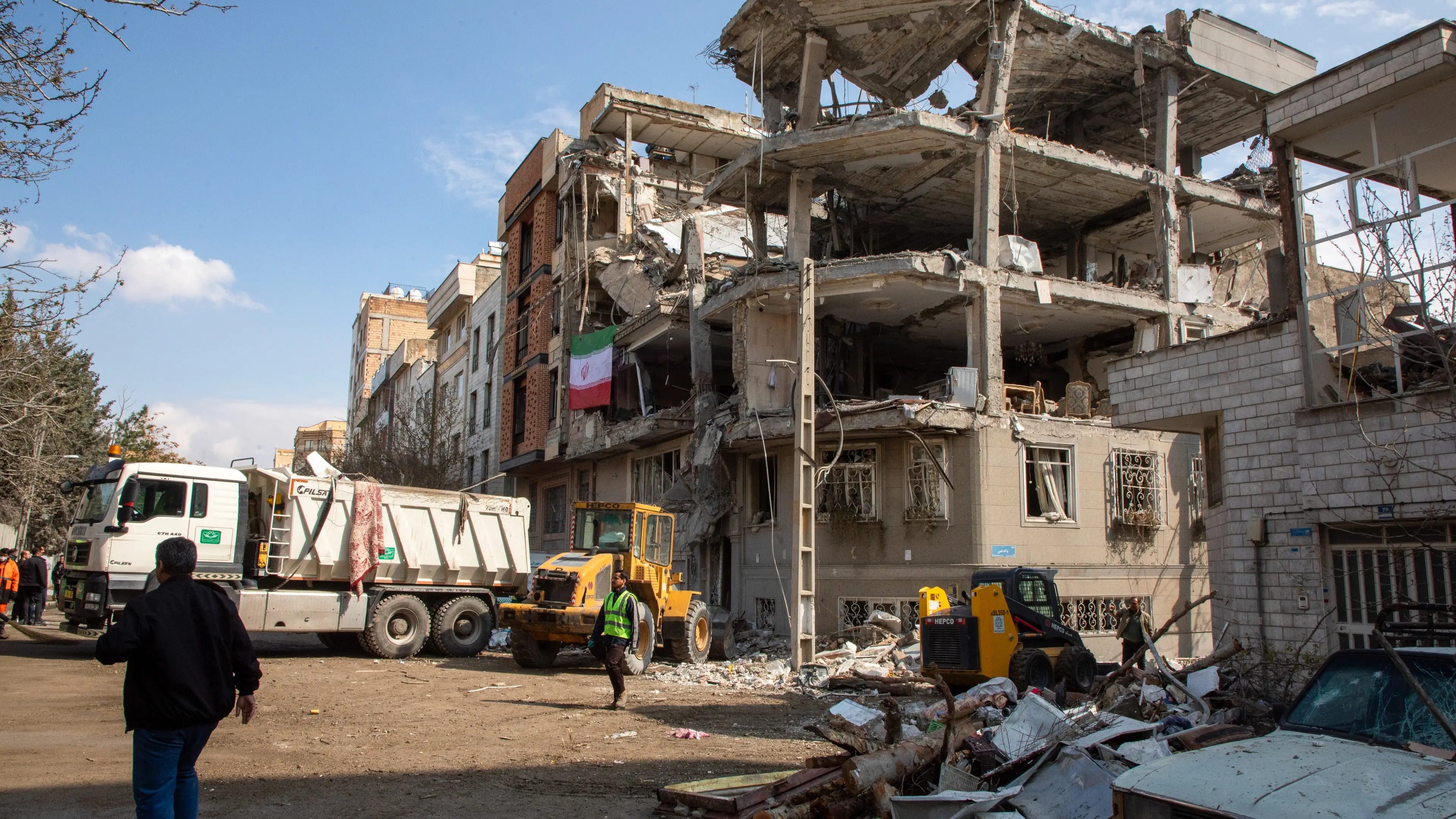
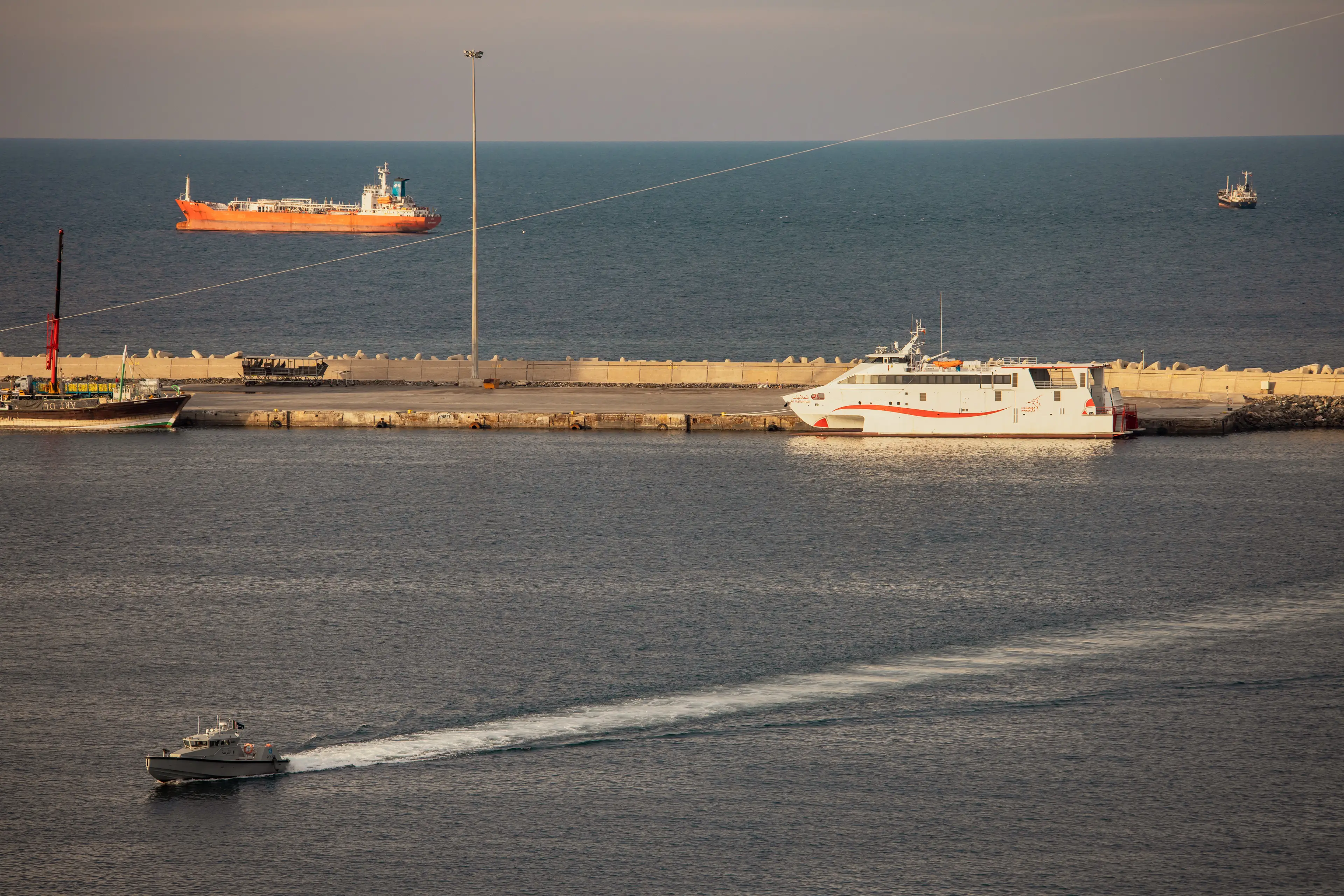
The US and Israel launched strikes against the Iran, which has responded by blocking shipping from passing through the Strait of Hormuz.
As 20 percent of world oil shipping passes through the strait, this is has caused oil prices to spike, and markets are beginning to panic as energy prices rise.
Iran has allowed a select few ships to pass through the strait, and the energy crisis has now led to two countries to take drastic measures as the cost of oil rises.
Advert
At the time of writing, the cost of Brent Crude currently sits at around $108 a barrel.
Much of the oil which passes through the strait is bound for south-asian countries, and while rising prices have had a global impact, it is this region which is feeling the fuel shortage most directly.
With supplies cut off, several countries in South Asia have adopted a four-day working week.
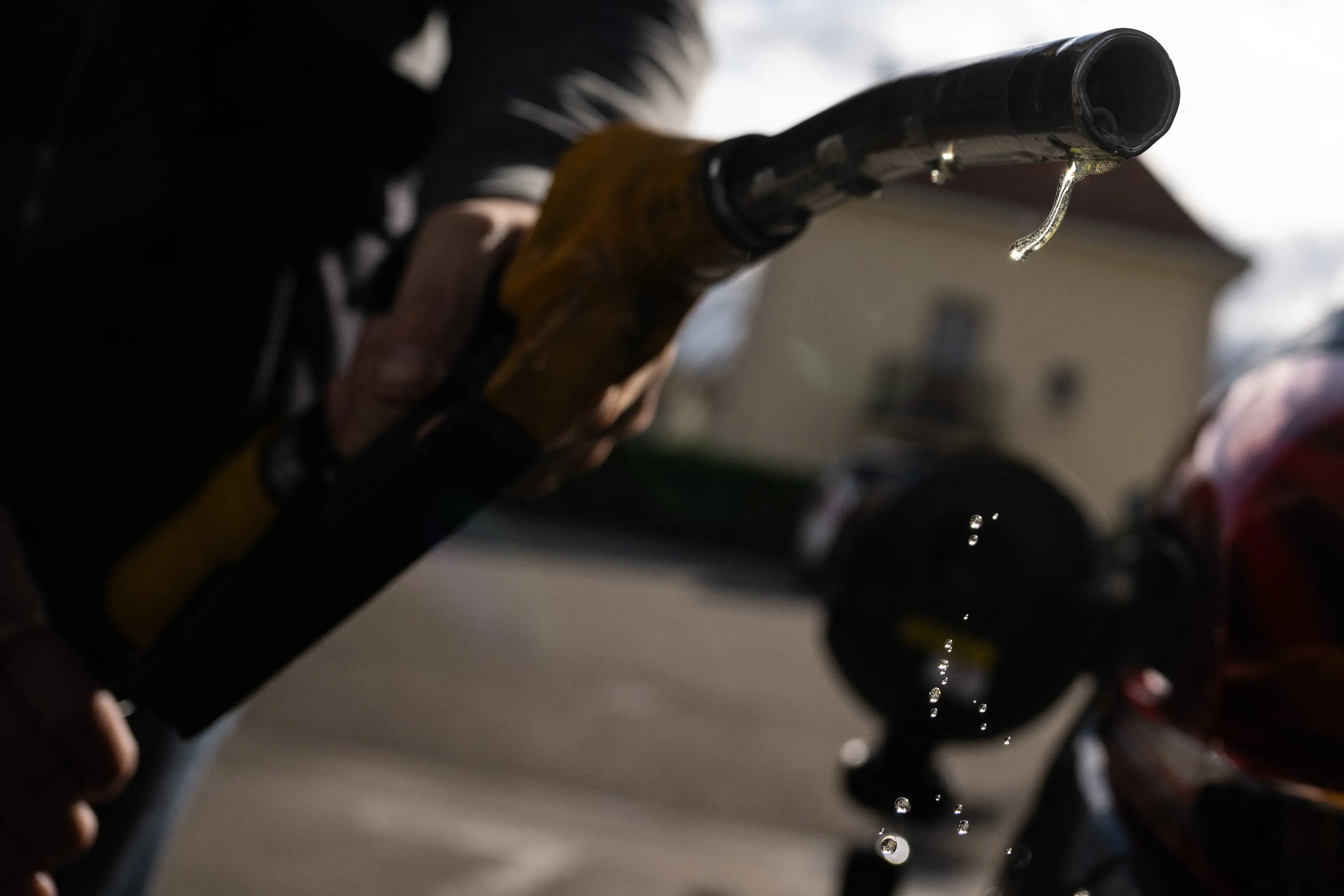
The first is Pakistan, which announced a four-day working week as an emergency measure amid fuel shortages.
Prime minister Shehbaz Sharif said that the country would need to conserve fuel usage as the government anticipated shocks from the oil market in the Middle East.
Schools in the country were closed for two weeks, and universities were also told to move online.
Mr Sharif said: “In the next two months, government departments will get a 50 per cent cut in fuel allowances."
Pakistan relies heavily on oil and gas imports from the Arabian Gulf, and supplies from Qatar, Kuwait, Bahrain, the UAE, and Saudi Arabia are all facing disruption, severely affecting Pakistan.
The Philippines has also adopted a four-day week as a temporary measure against the impact of the ongoing crisis.
President Ferdinand R. Marcos Jr. ordered the measure from March 9, which would affect some executive branch offices.
This included limiting travel for all non-essential purposes, halting all 'travel undertaken without a clear justification of urgency, operational necessity, or direct programmatic relevance shall likewise be considered unnecessary.'
However, emergency workers providing frontline services are exempt from the rule.
Meanwhile, in an effort to reduce fuel consumption Sri Lanka has also declared every Wednesday to be a holiday for public institutions, including in education like schools and universities, as well as public offices.
In an emergency meeting with senior figures, President Anura Kumara Dissanayake said: "We must prepare for the worst, but hope for the best."
Topics: News, World News, Iran
 Kit Roberts