CIA chief issues blunt warning to Putin as fears of European war spark

Western security officials are growing increasingly convinced that Vladimir Putin is preparing to widen his war beyond Ukraine's borders, with the clearest sign yet coming from an unannounced visit to Russia.
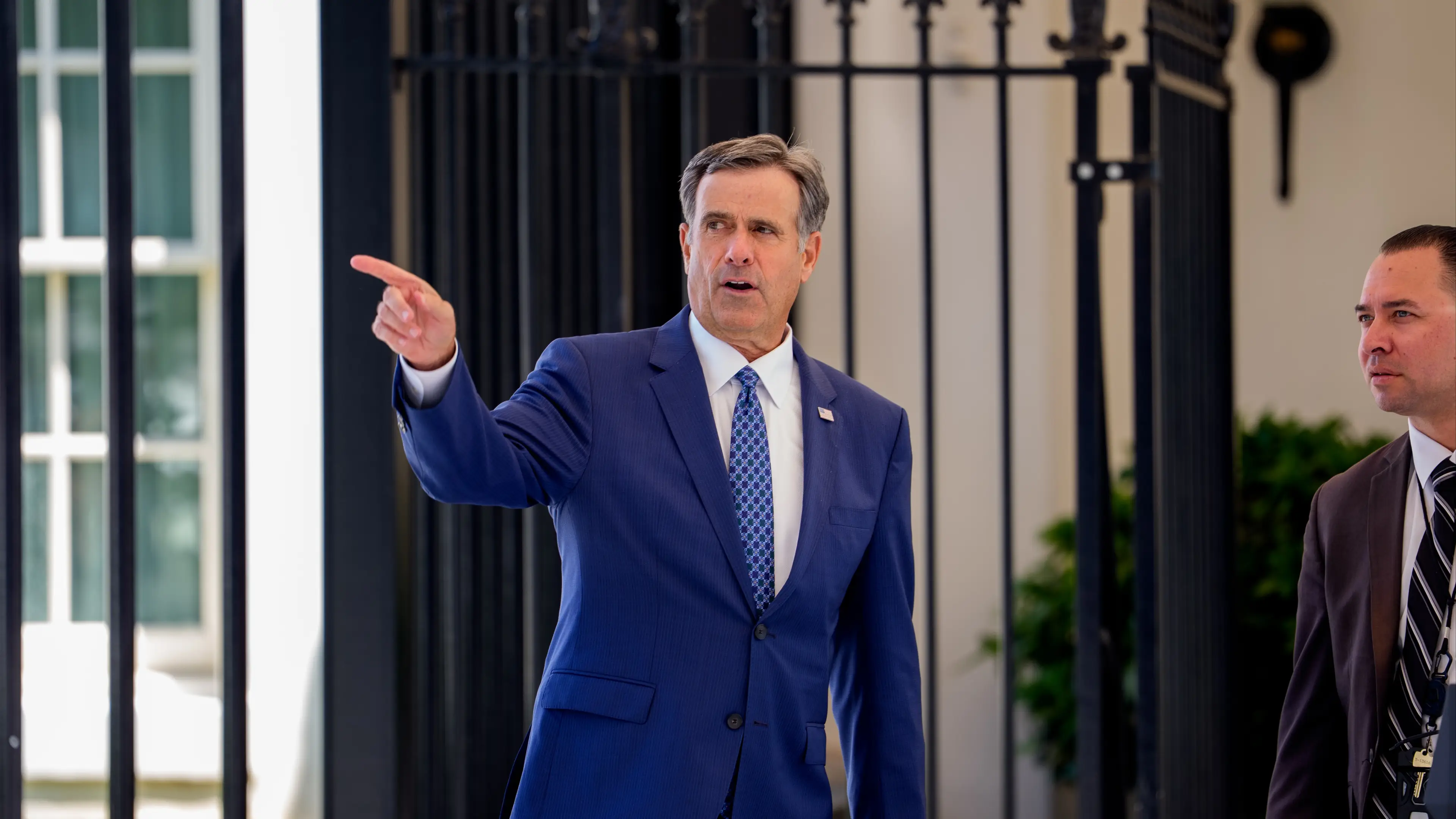
CIA director John Ratcliffe traveled to Moscow for talks with the Kremlin, according to the Daily Mail, using the trip to deliver a stark message: do not escalate the conflict by deploying a nuclear weapon or striking Ukraine's Western backers.
It is believed Russia are looking to make a move following the failure of their ground offensive in Ukraine.
Advert
Russian officials said it remained 'too early to say' whether the crisis in US-Russia relations could be repaired, while insisting Ukraine was already losing the war.
The visit landed at a tense moment for the alliance, with Russian drones testing the country's NATO's border countries with growing frequency.
Fighter jets have been scrambled over 250 per cent more often this July than the same month last year, as crews race to intercept unmanned aircraft drifting into allied airspace, including one that crossed into Romania before Ukraine brought it down.
Germany has borne the brunt of it recently: Leipzig-Halle airport, a key logistics hub for NATO and a European base for Ukrainian carrier Antonov Airlines, briefly grounded flights after an armed drone turned up beside a Ukrainian aircraft.
A cargo plane then struck an unidentified object, and further drone sightings were reported over a military installation the next day.

Could Putin attack a NATO country?
Some officials believe a limited incursion is now plausible.
The Atlantic Council has tied Moscow to 191 acts of sabotage and disruption across the continent since the 2022 invasion, with documented incidents nearly tripling between 2023 and 2024.
Former Pentagon official Seth Jones described the top concern as 'a series of sabotage operations... from assassinations to accidental drones or missiles, little green men... to explosions in various facilities.'
Lithuania's president, Gitanas Nauseda, has said he holds intelligence pointing to 'targeted kinetic operations' against critical infrastructure, though not on a large scale.
Poland, meanwhile, has been flagged by Washington as a possible target for an incursion staged to look like an accident, with a GPS error or an emergency helicopter landing floated as a possible cover story.
Away from the border, analysts say the more immediate danger is sabotage carried out from inside Europe itself.
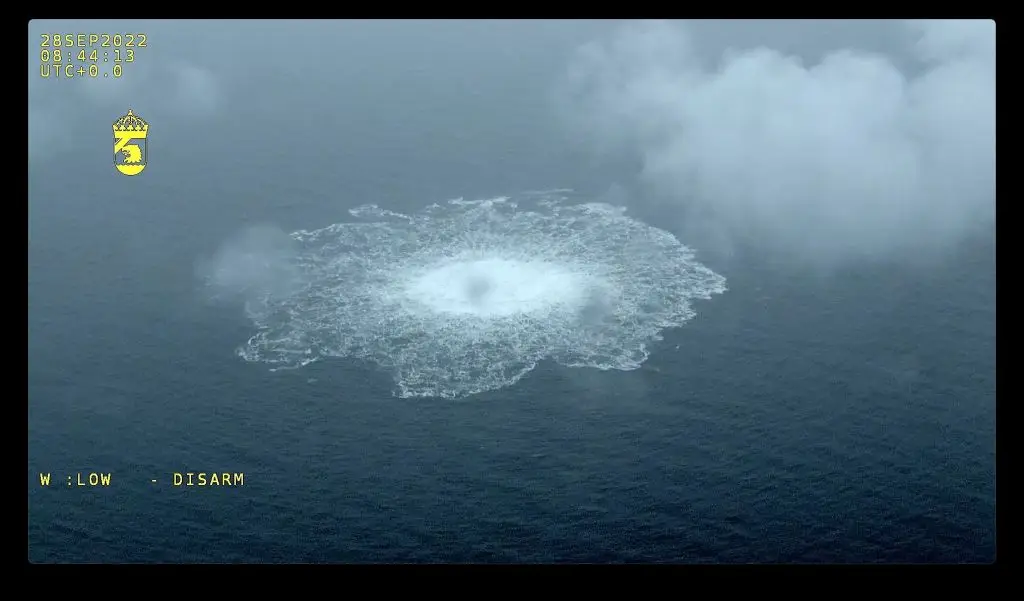
Undersea infrastructure has emerged as another pressure point. Since the Nord Stream pipelines were damaged in 2022, the Baltic Sea has seen a string of unexplained incidents involving power cables, internet lines and gas pipelines, several of which regional governments have described as deliberate rather than accidental.
Topics: Russia, Vladimir Putin
 Thomas Bamford