unilad homepage
unilad homepage
    • News
      • UK News
      • US News
      • World News
      • Crime
      • Health
      • Money
      • Sport
      • Travel
    • Music
    • Technology
    • Film and TV
      • News
      • DC Comics
      • Disney
      • Marvel
      • Netflix
    • Celebrity
    • Politics
    • Advertise
    • Terms
    • Privacy & Cookies
    • LADbible Group
    • LADbible
    • SPORTbible
    • GAMINGbible
    • Tyla
    • UNILAD Tech
    • FOODbible
    • License Our Content
    • About Us & Contact
    • Jobs
    • Latest
    • Archive
    • Topics A-Z
    • Authors
    Facebook
    Instagram
    X
    Threads
    TikTok
    YouTube
    Submit Your Content
    New study suggests warrior buried 1,000 years ago may have been non-binary

    Home> News> World News

    Published 18:15 4 Nov 2024 GMT

    New study suggests warrior buried 1,000 years ago may have been non-binary

    The new study has challenged what was initially thought about the buried warrior

    Gerrard Kaonga

    Gerrard Kaonga

    google discoverFollow us on Google Discover
    Featured Image Credit: Veronika Paschenko/The Finnish Heritage Agency

    Topics: History, LGBTQ, News, World News

    Gerrard Kaonga
    Gerrard Kaonga

    Gerrard is a Journalist at UNILAD and has dived headfirst into covering everything from breaking global stories to trending entertainment news. He has a bachelors in English Literature from Brunel University and has written across a number of different national and international publications. Most notably the Financial Times, Daily Express, Evening Standard and Newsweek.

    Advert

    Advert

    Advert

    The grave of the unknown warrior was discovered back in the 1960s but a new study claims to have uncovered further details.

    As time goes on, it becomes even more difficult to understand people of the distant past.

    Scientists and historians often only have the trends of the era, texts and artifacts discovered from that time and other discoveries to aid them as they attempt to put the pieces together of ancient people.

    However, a study looking into the grave of a person discovered in Finland has questioned what we think we know about the societies of the Iron Age and Medieval time period.

    Advert

    As detailed in a 2021 paper in the European Journal of Archaeology, researchers discovered the grave of a warrior in Suontaka Vesitorninmäki, Hattula, Finland, back in 1968.
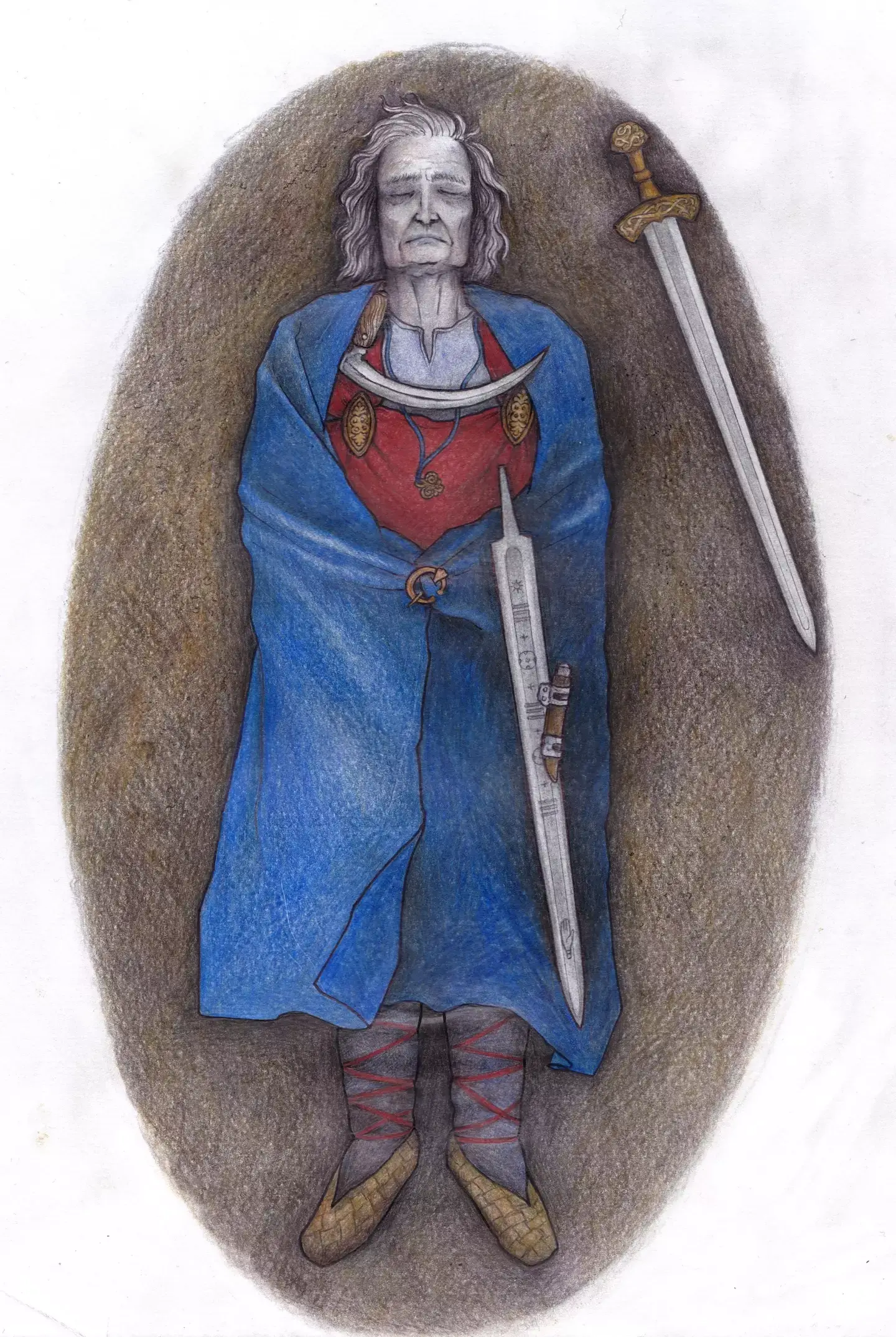
    The grave was initially discovered in 1968 (Veronika Paschenko)
    The grave was initially discovered in 1968 (Veronika Paschenko)

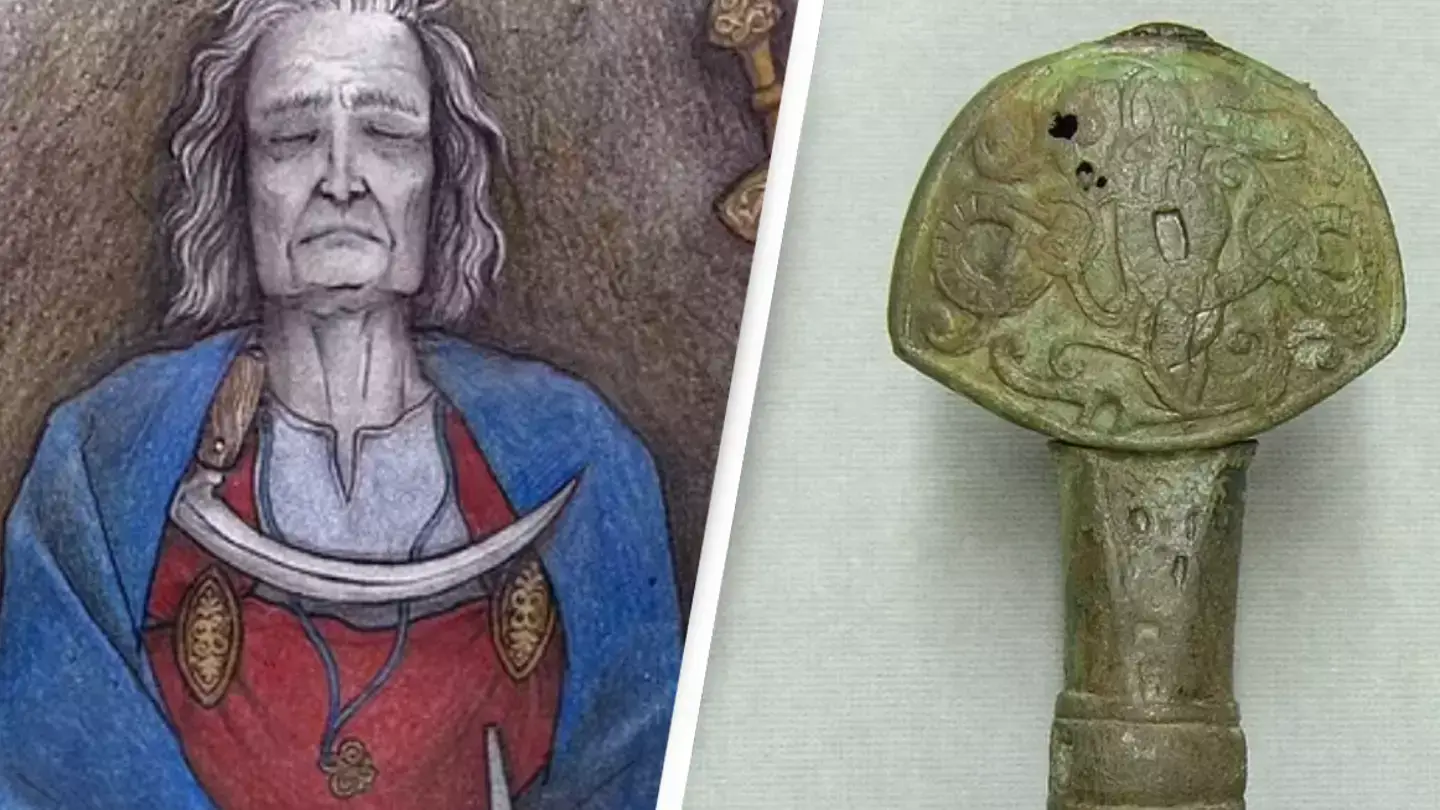
    A sword with a bronze handle was found inside, leading to the discovery of a grave with objects inside which suggest it may have been a woman, if not a person 'whose gender identity may well have been non-binary'.

    A press release from the University of Turku explains: "The jewellery inside the grave indicates that the buried individual was dressed in typical female clothing of the period.

    "On the other hand, the person was buried with a sword - possibly two, according to some interpretations - which is often associated with masculinity."

    In the five decades since the grave was found, it's been 'considered to be either a double burial of both a woman and a man, or alternatively, a weapon grave of a female, and therefore a proof of strong female leaders or even female warriors in the Late Iron Age Finland'.

    However, the study has confirmed the grave only had one person inside, who was 'wearing typical feminine clothes of the period and had a hiltless sword placed on their left hip'.
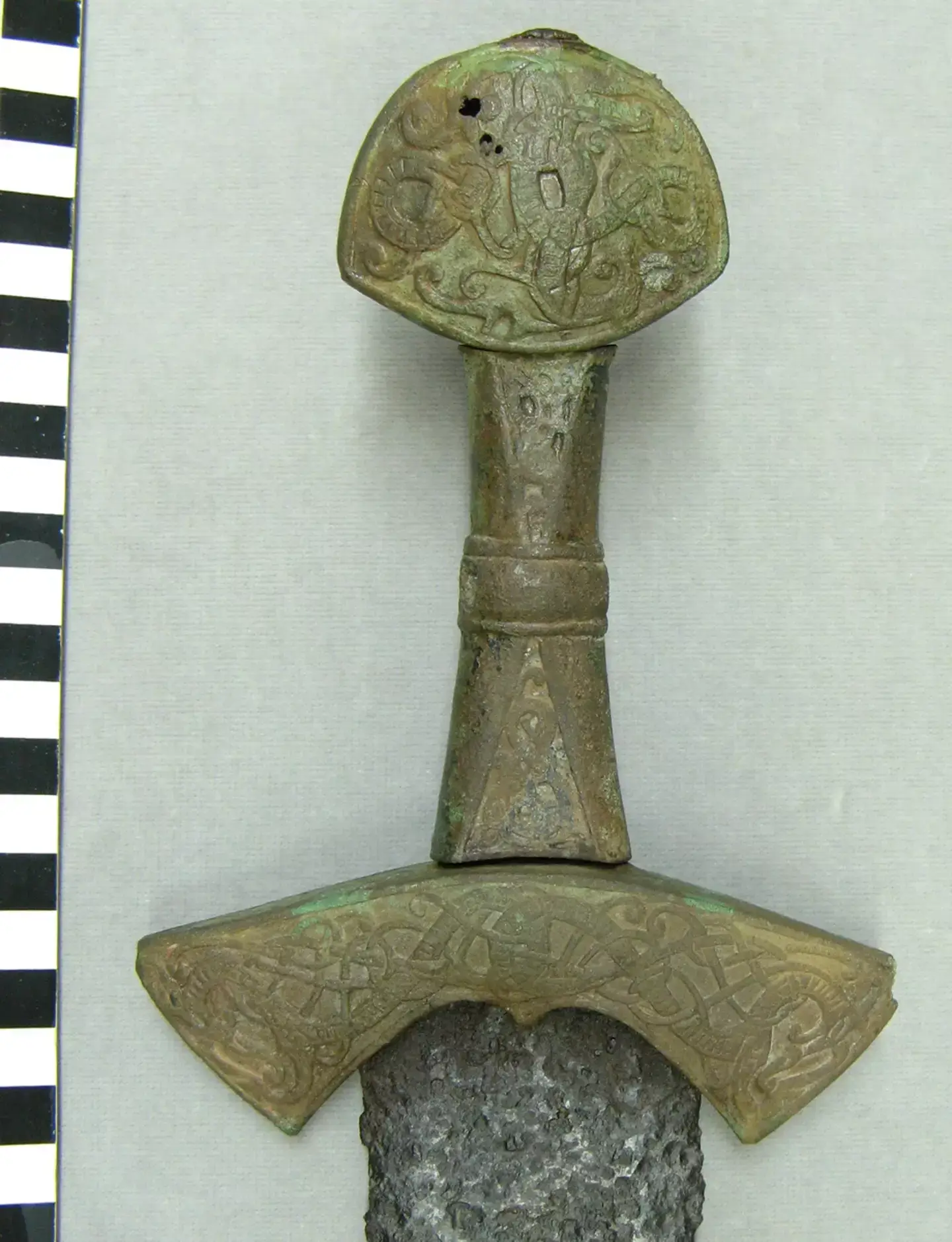
    The sword was also discovered in the grave (The Finnish Heritage Agency)
    The sword was also discovered in the grave (The Finnish Heritage Agency)

    Ancient DNA analysis of the grave has suggested the warrior may have had the sex-chromosomal aneuploidy XXY, i.e. the Klinefelter syndrome, meaning they were born with an extra X chromosome.

    Ulla Moilanen, a doctoral candidate of archeology from the university, said this grave 'may be an example of an individual whose social identity settles outside the traditional division of genders'.

    The press release explains: "If the characteristics of the Klinefelter syndrome have been evident on the person, they might not have been considered strictly a female or a male in the Early Middle Ages community.

    "The abundant collection of objects buried in the grave is a proof that the person was not only accepted but also valued and respected."

    Choose your content:

    18 mins ago
    an hour ago
    2 hours ago
    • (Photo by Joe Raedle/Getty Images)
      18 mins ago

      Artemis II astronauts share what they ate minutes after landing back on Earth

      The Artemis II crew experienced the deepest space communication blackout

      News
    • Cover Images
      an hour ago

      Man who ate the same meals every day for 22 years reveals the benefits it's had on his life

      He says it has helped him avoid one problem that many of us have probably encountered

      News
    • (Photo by Andrew Harnik/Getty Images)
      2 hours ago

      Trump pulls 5,000 US troops from Germany after leader says US has been 'humiliated' over Iran war

      Trump has also suggested pulling US troops from two other European countries

      News
    • Real Time with Bill Maher/YouTube
      2 hours ago

      Bill Maher berated Gavin Newsom in awkward exchange as he says he wants to be more like Trump

      The TV show host suggested the the California governor was acting like Trump

      News
    • Disturbing discovery suggests Amelia Earhart could have survived her crash 88 years ago
    • Everything that was discovered inside Princess Diana's time capsule that she buried 34 years ago
    • Surprising amount of money you’d have if you invested $1,000 in Netflix 10 years ago
    • Oldest New Testament fragments reveal 'what Jesus said' 2,000 years ago as expert gets rare inside look