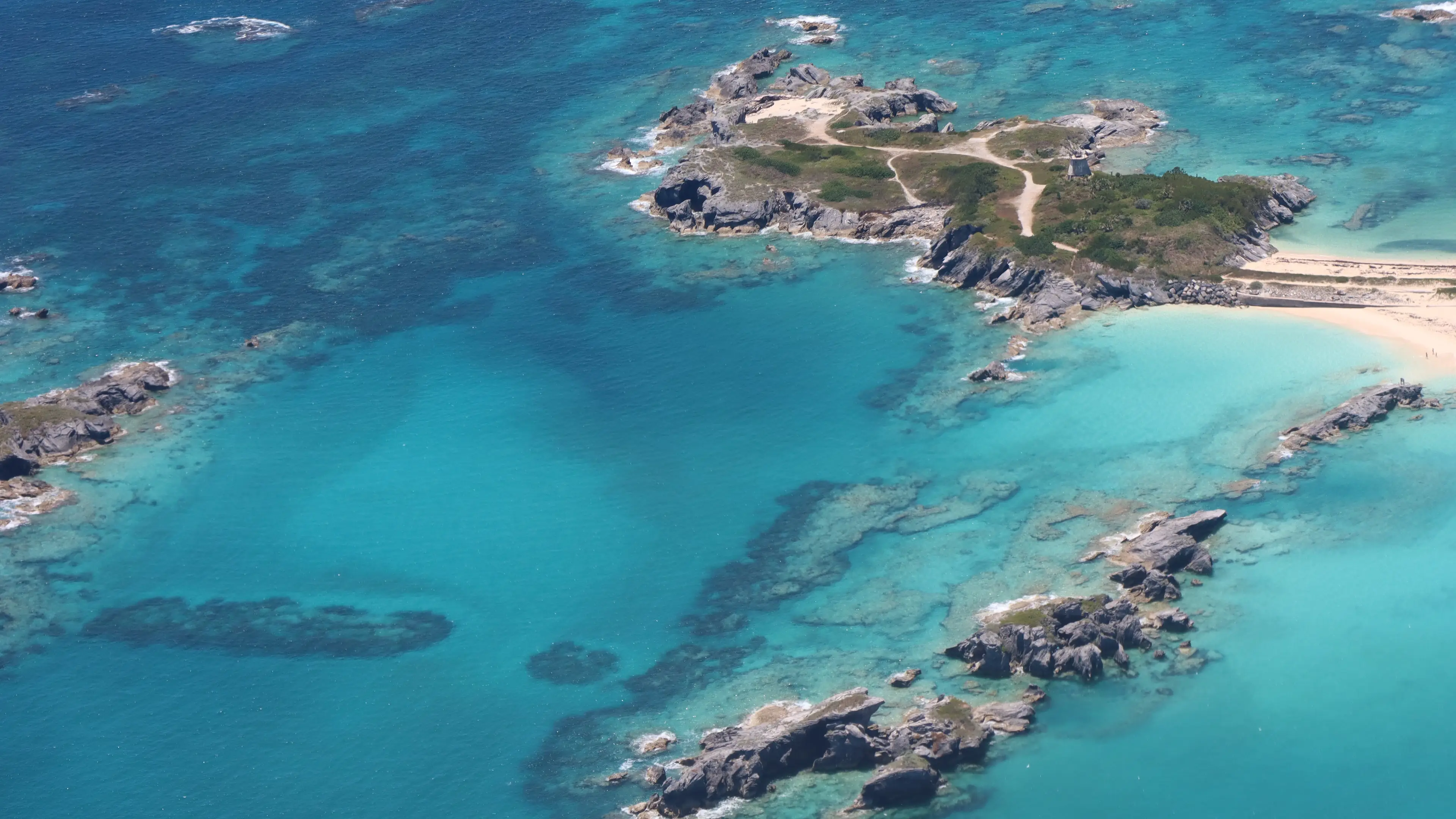
unilad homepage
unilad homepage
  • News
    • UK News
    • US News
    • World News
    • Crime
    • Health
    • Money
    • Sport
    • Travel
  • Music
  • Technology
  • Film and TV
    • News
    • DC Comics
    • Disney
    • Marvel
    • Netflix
  • Celebrity
  • Politics
  • Advertise
  • Terms
  • Privacy & Cookies
  • LADbible Group
  • LADbible
  • SPORTbible
  • GAMINGbible
  • Tyla
  • UNILAD Tech
  • FOODbible
  • License Our Content
  • About Us & Contact
  • Jobs
  • Latest
  • Archive
  • Topics A-Z
  • Authors
Facebook
Instagram
X
Threads
TikTok
YouTube
Submit Your Content
Bermuda mystery may finally be solved as scientists reveal what's really hidden underneath
Home>News>World News
Updated 19:43 20 May 2026 GMT+1Published 19:33 20 May 2026 GMT+1

Bermuda mystery may finally be solved as scientists reveal what's really hidden underneath

The island has long been a scientific headache for geologists, who have wondered why Bermuda sits so high above the ocean floor

Niamh Shackleton

Niamh Shackleton

google discoverFollow us on Google Discover
Featured Image Credit: Getty Stock Image

Topics: Science, Volcano, News

Niamh Shackleton
Niamh Shackleton

Niamh Shackleton is an experienced journalist for UNILAD, specialising in topics including mental health and showbiz, as well as anything Henry Cavill and cat related. She has previously worked for OK! Magazine, Caters and Kennedy.

X

@niamhshackleton

Advert

Advert

Advert

There's many mysteries that are linked to Bermuda, but one of them might have now been solved.

Researchers from Carnegie Institution for Science and Yale University have recently put their heads together to try work out why the island sits unusually high above the Atlantic Ocean, despite the fact that its volcanoes have been inactive for millions of years.

Typically a volcanic island needs ongoing volcanic activity to remain above water - Hawaii being one example. But those below the island of Bermuda – which is the top of an ancient underwater volcano system – died out over 30,000,000 years ago.

With this in mind, many expected it sink over time... but it hasn't.

Advert

Now, with the help of two decades worth of earthquake recordings, researchers William Frazer and Jeffrey Park think they have pieced together the puzzle.
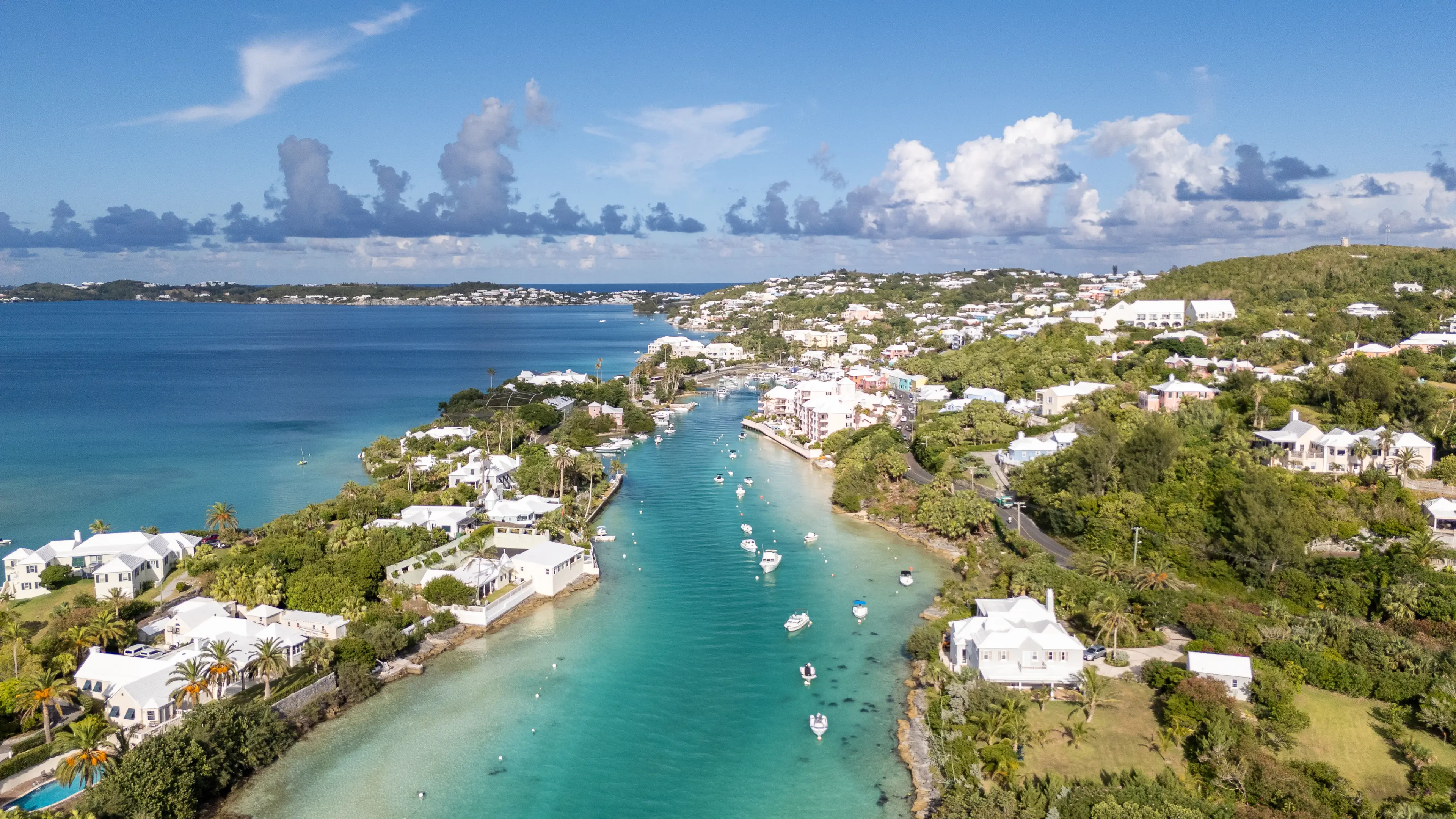
Bermuda is home to around 64,000 people (Getty Stock Images)

The data used was gathered from a single seismic monitoring station on Bermuda and allowed researchers to create a picture of Earth’s interior down to about 20 miles beneath the island.

Frazer and Park investigated the vibrations produced by distant earthquakes. This played a key part in their discovery as seismic waves move differently depending on the density and composition of underground rock layers.

The discovery? That Bermuda, which is home to more than 60,000 people, has a giant slab of rock that sits just below the oceanic crust that helps keep it afloat.

The researchers estimate that the slab is 12 miles in thickness and is approximately 1.5 percent less dense than the surrounding mantle material, therefore making it more buoyant.

This slab is thought to have been formed 30 to 35 million years ago when carbon-rich molten mantle rock intruded into the base of the crust and cooled in place. This is something known as 'underplating'.

Frazer and Park wrote in their study conclusion: "The deepest layer is ∼20 km thick and likely formed during or soon after the volcanism that formed Bermuda.
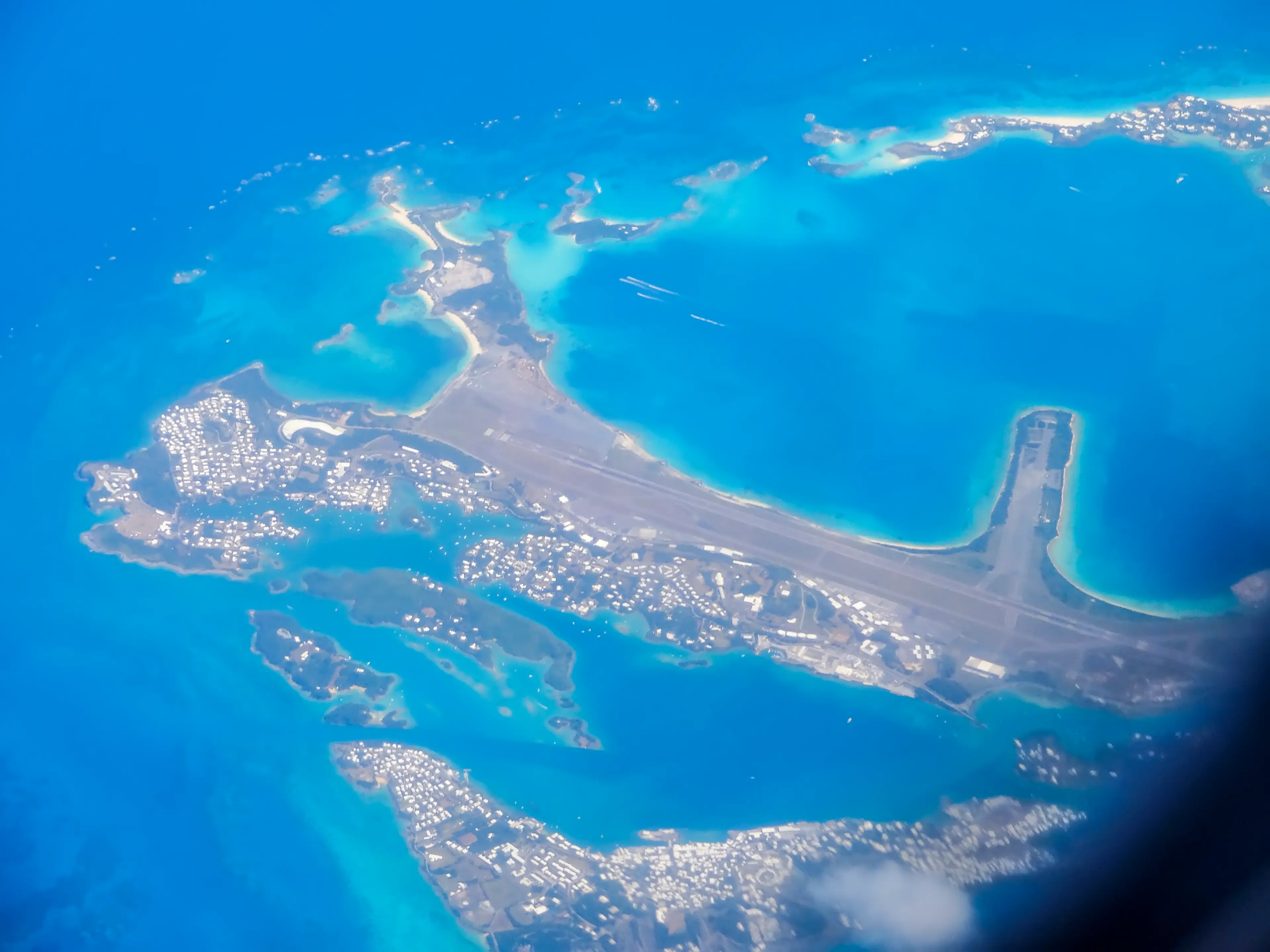
A slab of buoyant rock is now thought to keep Bermuda afloat (Getty Stock Image)

"We interpret this layer to be underplating that could extend 50–100 km out from the center of the swell. If this underplated layer is positively buoyant relative to the mantle, it can support the swell."

Now Frazer is looking into the idea that other islands across the globe might have giant floating slabs below them as well.

Discussing his recent discovery, Frazer said (per the Carnegie Institution): "Bermuda is an exciting place to study because a variety of its geologic features do not fit the model of a mantle plume, the classic way for deep material to be brought to the surface.

"We observe thick underplating, something that is not observed at most mantle plumes. Combined with recent geochemical observations, this suggests that there are other convective processes within Earth’s mantle that have yet to be well understood."

Choose your content:

2 hours ago
3 hours ago
4 hours ago
  • YouTube/The Diary Of A CEO
    2 hours ago

    Intimacy expert reveals the '20 types of male orgasms' and why it's important to know them all

    Intimacy expert Susan Bratton has broken down the numerous different ways a person can climax

    News
  • Getty Stock Photo
    2 hours ago

    20-year-old Walmart receipt shows just how expensive food has got in USA

    The cost of groceries in the US last year stood at $370 per person on average

    News
  • YouTube/Inside Edition
    3 hours ago

    Nurse who had a stroke at age 24 reveals symptoms that helped her husband 'save' her

    The young woman was seen to by her colleagues at the hospital she works at

    News
  • YouTube/Inside Edition
    4 hours ago

    Woman in tears revealing how online marketplace listing led to 'stalker' sending disturbing messages and gifts

    Melanie Smith began receiving threatening emails, as well as thousands of texts and online messages from the man

    News
  • Scientists claim they’ve finally solved the mystery of the Bermuda Triangle with shocking theory
  • Mystery behind Bermuda Triangle and how it could be 'solved' by science
  • Scientists think they've solved 180-million-year-old mystery of unusual heat beneath US mountains
  • Massive hidden 'blobs' deep inside earth may finally explain how life began