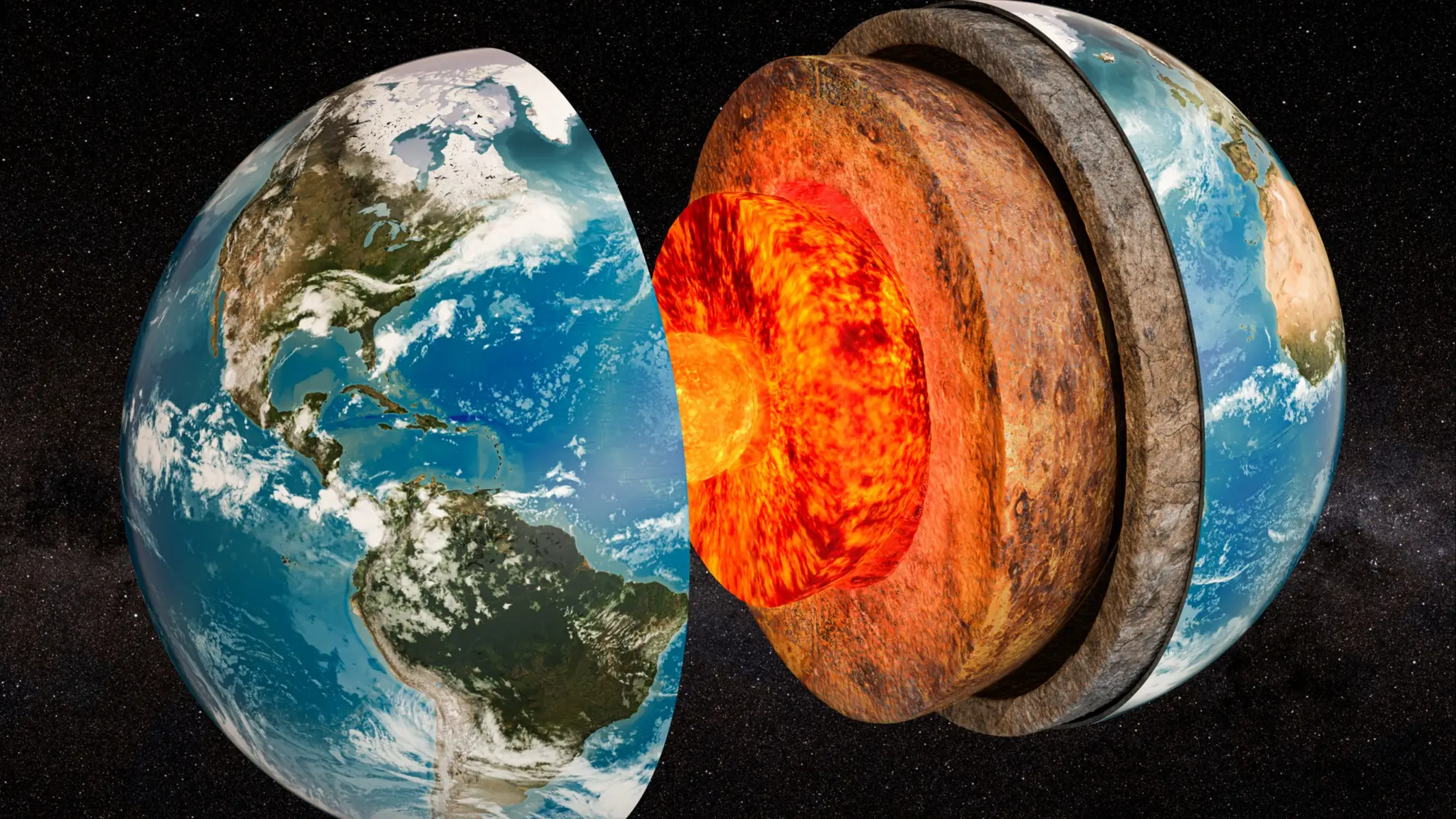
Massive hidden 'blobs' deep inside earth may finally explain how life began

Scientists think they may finally understand two strange 'blobs' hidden deep inside the Earth.
The blobs - which are actually called large low-shear-velocity provinces (LLSVPs) - were discovered over 40 years ago through data collected during earthquakes.
One is located under Africa, while the other is underneath the Pacific Ocean.
It's thought they may have existed for hundreds of millions of years, but in more recent times, there have been various theories about what they are and where they originally came from.
Advert
"These are not random oddities," geodynamicist Yoshinori Miyazaki of Rutgers University told ScienceDaily.
"They are fingerprints of Earth's earliest history. If we can understand why they exist, we can understand how our planet formed and why it became habitable."
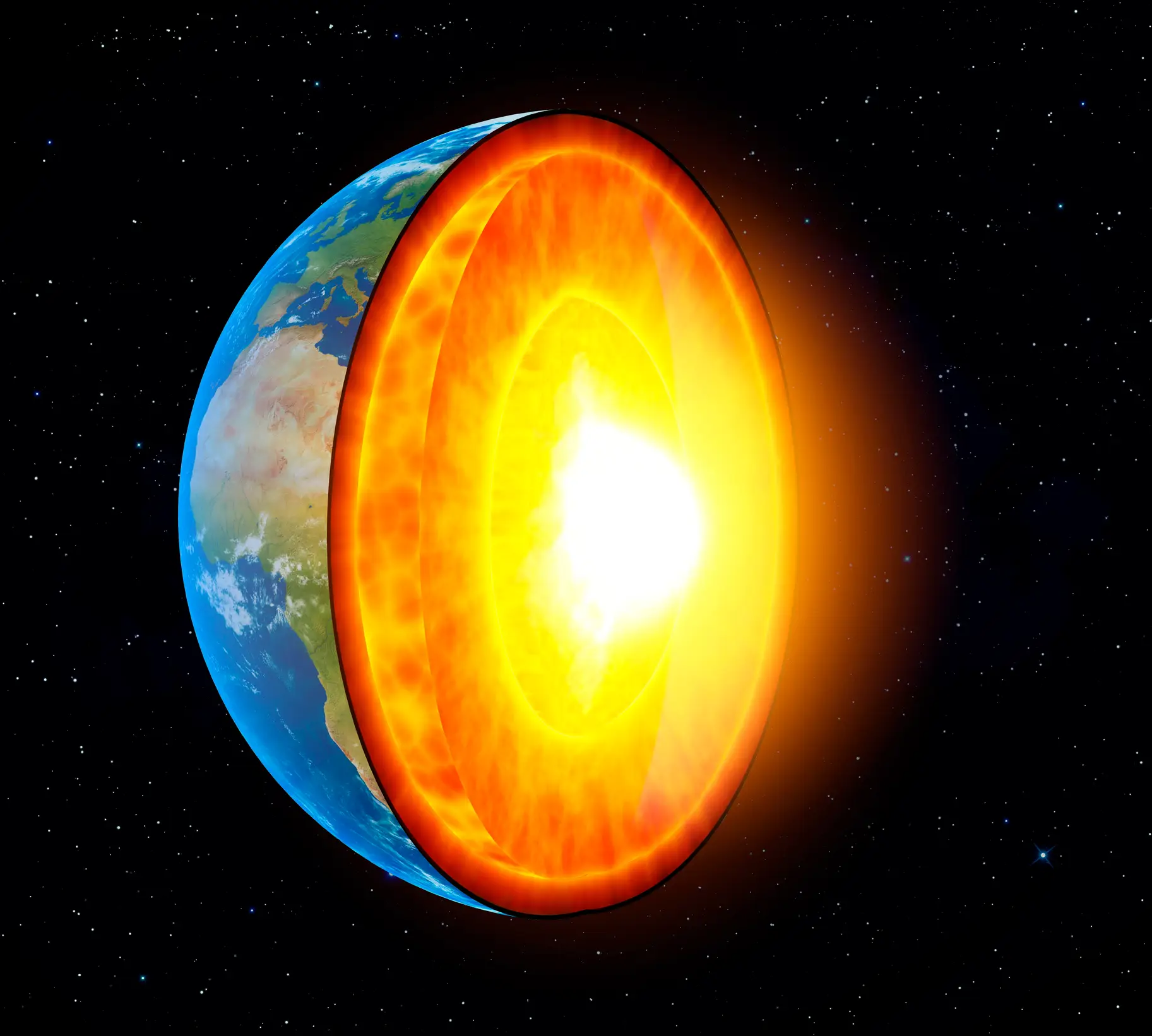
Miyazaki has explained that the Earth was once covered in an ocean of molten rock, which, as it cooled, created LLSVPs and ultra-low velocity zones.
"That contradiction was the starting point," Miyazaki continued. "If we start from the magma ocean and do the calculations, we don't get what we see in Earth's mantle today. Something was missing."
The team believes that over billions of years, leaking core materials such as silicon and magnesium could have escaped the core, accounting for the LLSVPs and the ultra-low velocity zones, and their strange composition of materials.
"What we proposed was that it might be coming from material leaking out from the core," Miyazaki said.
"If you add the core component, it could explain what we see right now."
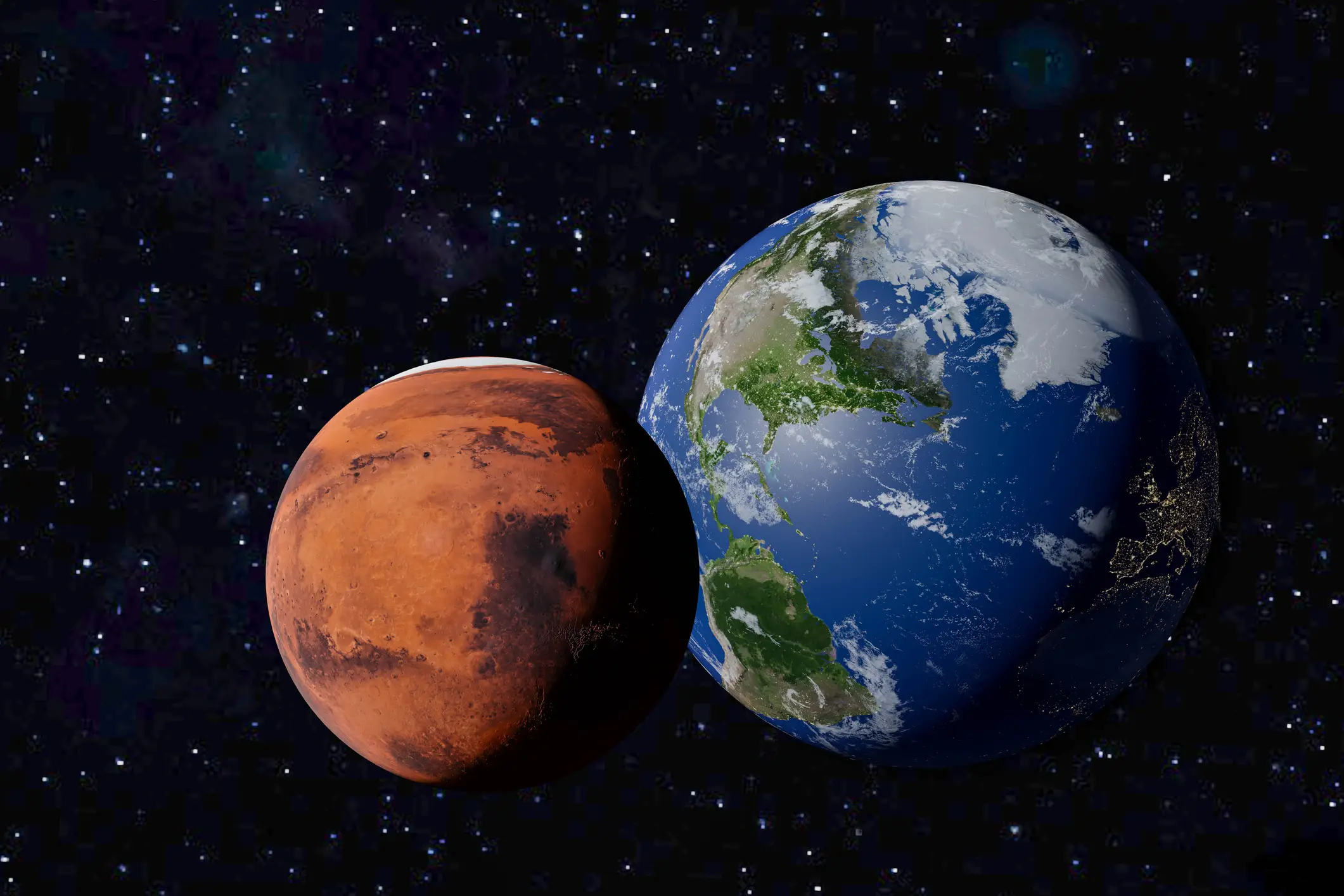
The sequence of events could even help scientists understand how life began and why Earth went on to be habitable, whereas, for example, Mars and Venus did not.
"Earth has water, life and a relatively stable atmosphere," Miyazaki said.
"Venus' atmosphere is 100 times thicker than Earth's and is mostly carbon dioxide, and Mars has a very thin atmosphere. We don't fully understand why that is. But what happens inside a planet, that is, how it cools, how its layers evolve, could be a big part of the answer."
Ultimately, understanding the 'blobs' has allowed scientists to gain greater knowledge about Earth's early days and how it evolved.
Jie Deng of Princeton University, who co-authored the study, explained: "This work is a great example of how combining planetary science, geodynamics and mineral physics can help us solve some of Earth's oldest mysteries.
"The idea that the deep mantle could still carry the chemical memory of early core-mantle interactions opens up new ways to understand Earth's unique evolution."
Topics: Science, News, World News, Space
 Lucy Devine