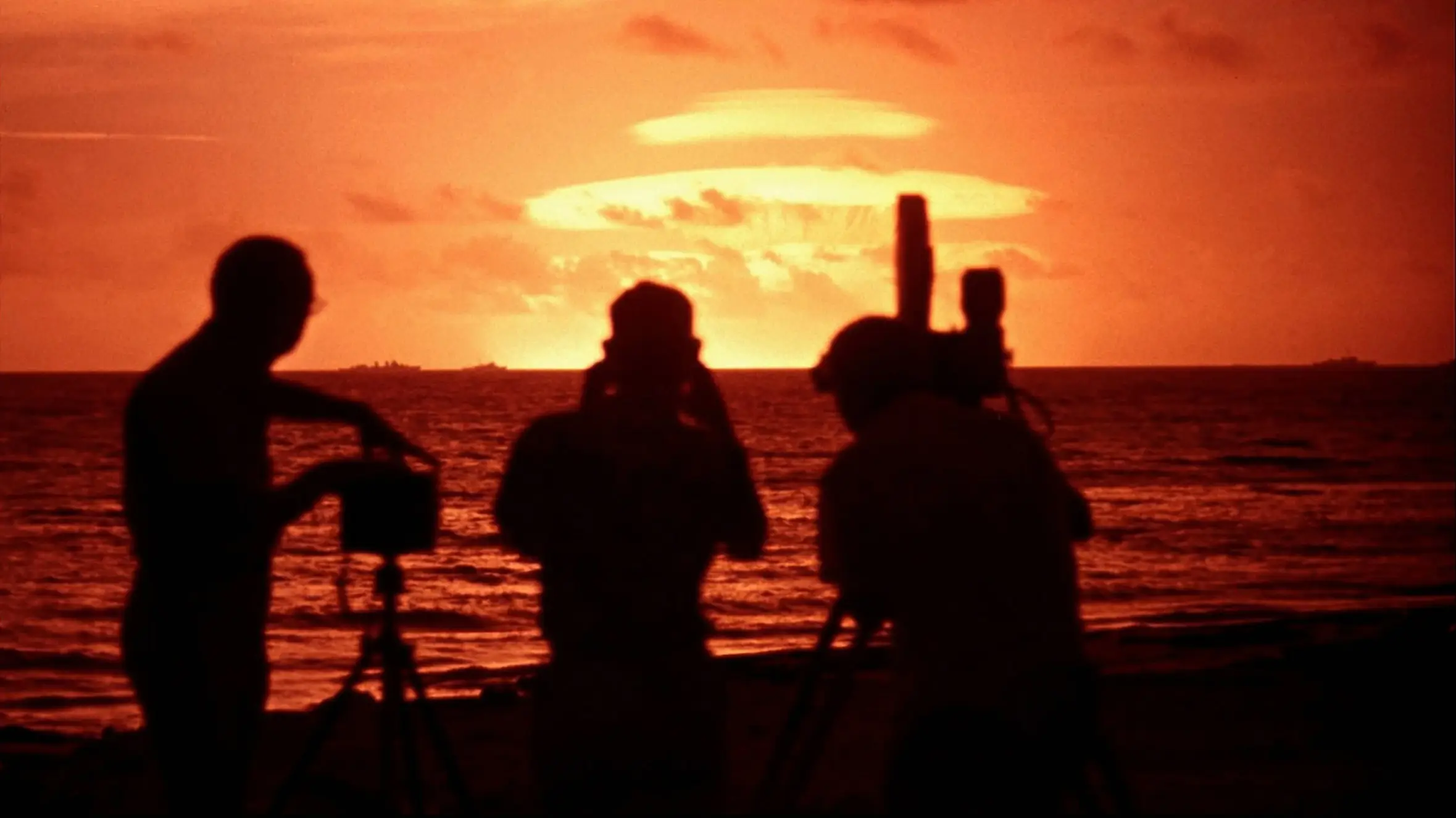
3 actions in nuclear attack that could save your life in minutes after bomb goes off

A nuclear bomb is a weapon of terror that has only ever been deployed against civilians, with over 90 percent of those killed by the nukes dropped on Hiroshima and Nagasaki being ordinary people going about their daily lives.
It is hard to see any other purpose for a weapon that vaporizes everything within hundreds of feet and flattens most other buildings for miles around - emitting enough instant radiation that anyone who survives this blast will see the skin fall off their bodies, followed by imminent death.
But research suggests that as many as 100,000 people living in a city attacked with a nuclear weapon could survive, if they react appropriately in the seconds and minutes after a vast fireball and mushroom cloud shoots into the sky.
The first thing you should absolutely not do is get behind the wheel of a car, as it will do nothing to save you from what happens next. But there are a number of simple steps you can take to improve your odds of survival if the unthinkable happens.
Advert
1 - Don't look, cover your eyes
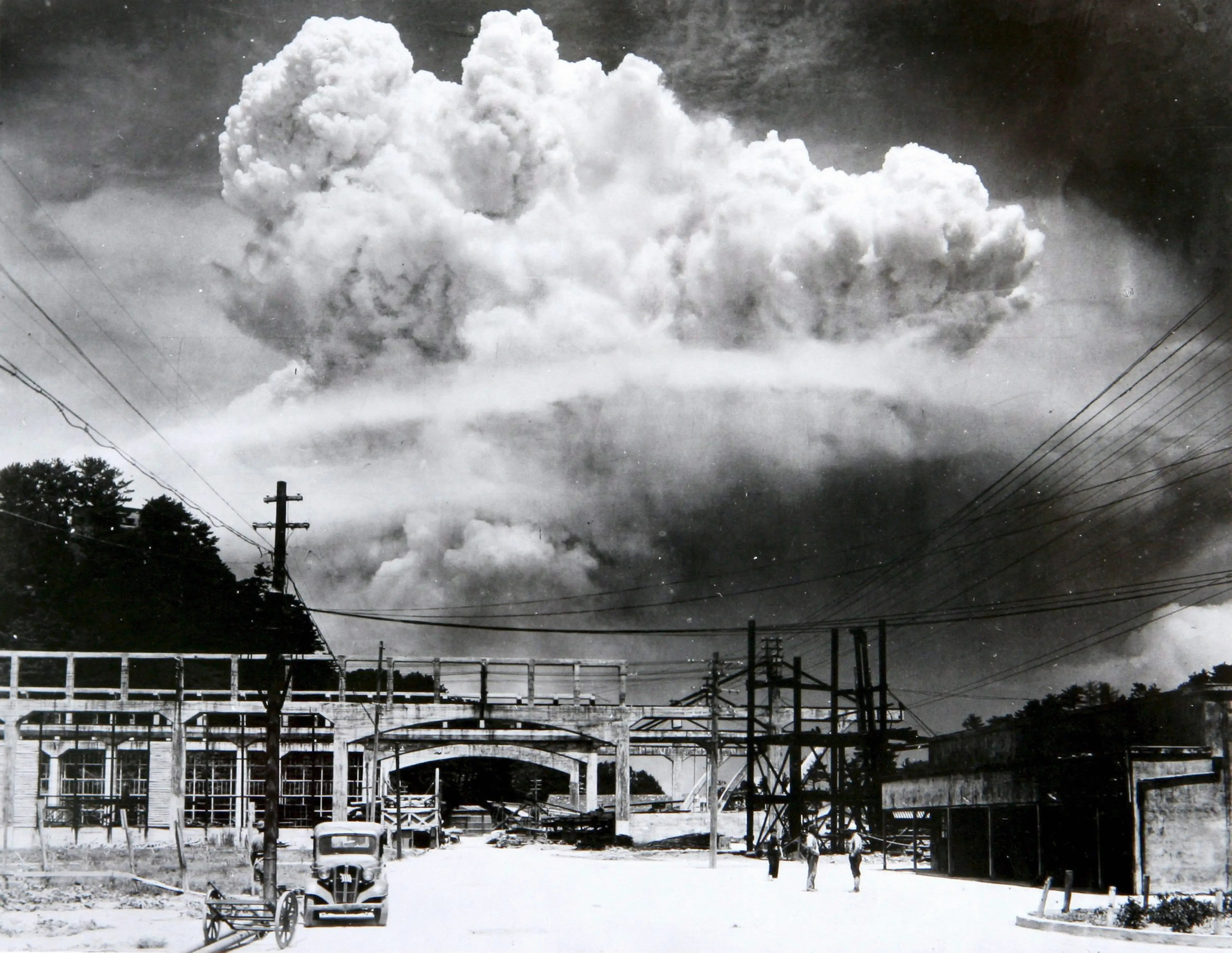
Yes, you are seeing an act of godlike devastation and destruction that no human being should ever witness. But do not look at it, whatever you do.
Many will not have a choice if they are looking in the wrong direction when the bomb goes off, releasing a flash of light brighter than the sun. All of these people will be blinded by it, some permanently.
Anyone within 10 miles of the blast could suffer damage to their retinas from looking directly at the blast, along with second and third degree burns from the instant flash of thermal radiation.
The American Red Cross advises the following for anyone caught in a nuclear incident: "Do not look at the flash or fireball - it can blind you.Take cover behind anything that might offer protection."
Being blinded is not only immediately painful and difficult, but will make it almost impossible for you to do what is needed to survive. So really, don't look.
While we are at it, if you are standing near a window to watch the deadly radioactive mushroom cloud road into the sky at speeds over 100mph, please step away. What happens next will likely kill or severely maim anyone looking out the window.
2 - Run to the nearest solid structure
That is because the blast wave is coming and, depending on your distance from the blast, this could be on you in as little as 30 seconds - with a typical nuclear shockwave of pressure shattering all windows within a 12 mile radius.
There have been a number of studies exploring the impact of this destructive blast wave on standing structures, as well as the people sheltering inside them.
Depending on the nuclear warhead used, this could still see every building within a few miles of the detonation point that survived the blast will likely be flattened by the wave of 'overpressure' that follows it.
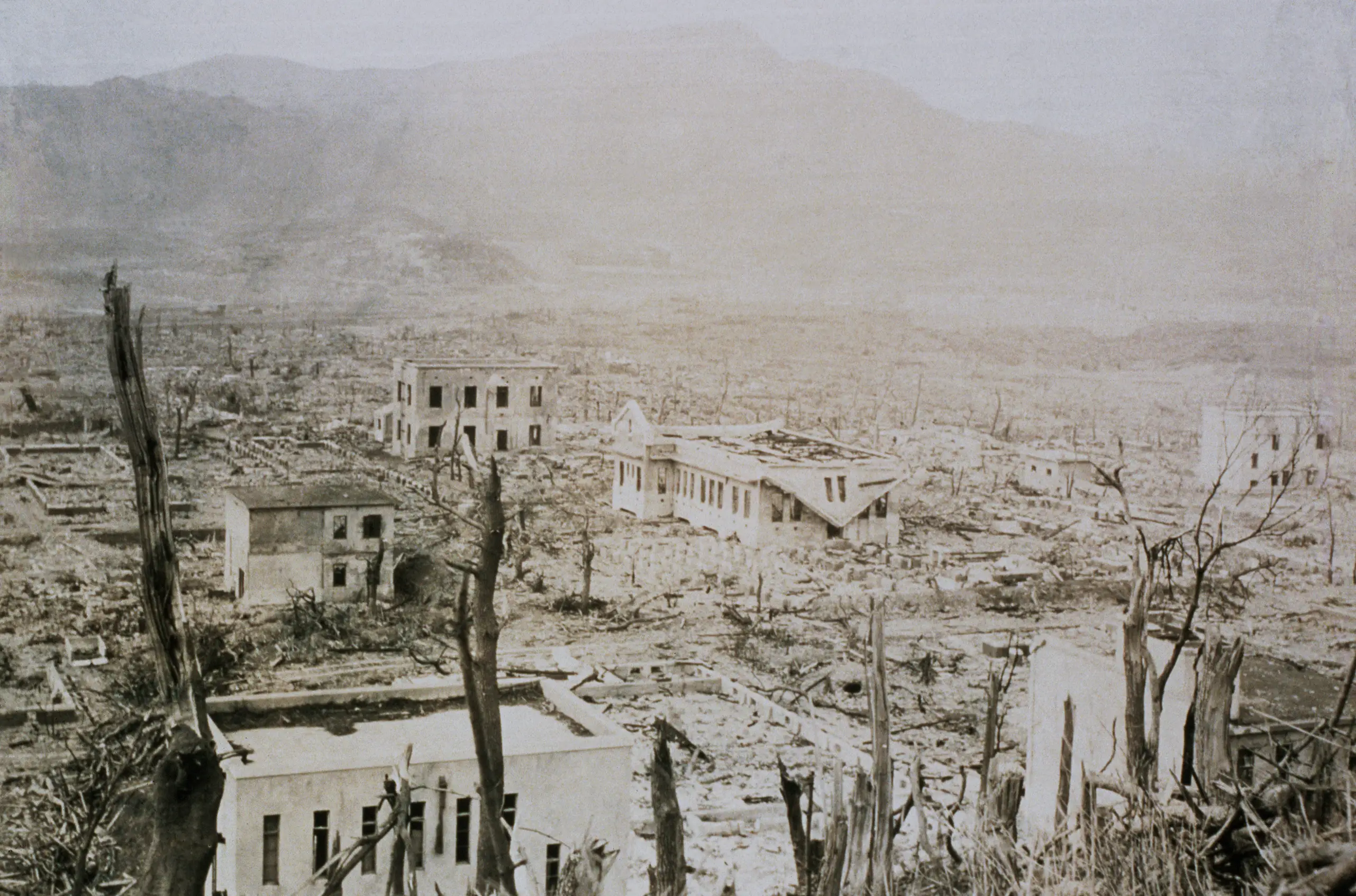
This is a transient wave of pressure that spreads out from the point of impact, with a force of 20 pounds-per-square inch (psi) easily reducing any structure to rubble surrounding the blast site, according to research collated by the Center for Disease Control.
This complicated effect, largely only occurring after a nuclear explosion, was explained by the Atomic Archive: "The air immediately behind the shock front is accelerated to high velocities and creates a powerful wind.
"These winds in turn create dynamic pressure against the objects facing the blast. Shock waves cause a virtually instantaneous jump in pressure at the shock front.
"The combination of the pressure jump (called the overpressure) and the dynamic pressure causes blast damage."
Then, as the pressure wave spreads out, it begins to weaken from this crazy overpressure, with a 5psi wave hitting buildings further away from the blast. Even though it is a quarter of the strength, this is still enough to collapse entire residential buildings - or straight up kill someone caught in the open.
The worst effects of the blast wave will be felt within the first minutes of detonation, with the overpressure spreading 12 miles out from the point of detonation in just 50 seconds - at a speed fast than sound.
With winds whipped up to 163mph and debris flying through the streets, the CDC said that blast waves at this overpressure mean that 'injuries are universal, fatalities are widespread.'
So, stay put until the worst of the pressure wave has passed over you. Two MIT-published nuclear experts say this would last up to a minute, with other research indicating that hallways, doorways, and windows are all the most dangerous places to stand.
Seek out a basement, or the deepest room within a large building. If those are unavailable, position yourself in the corner of a room facing the direction of the blast, as it will protect you from the shockwave and any deadly debris.
3 - Find better shelter and stay there
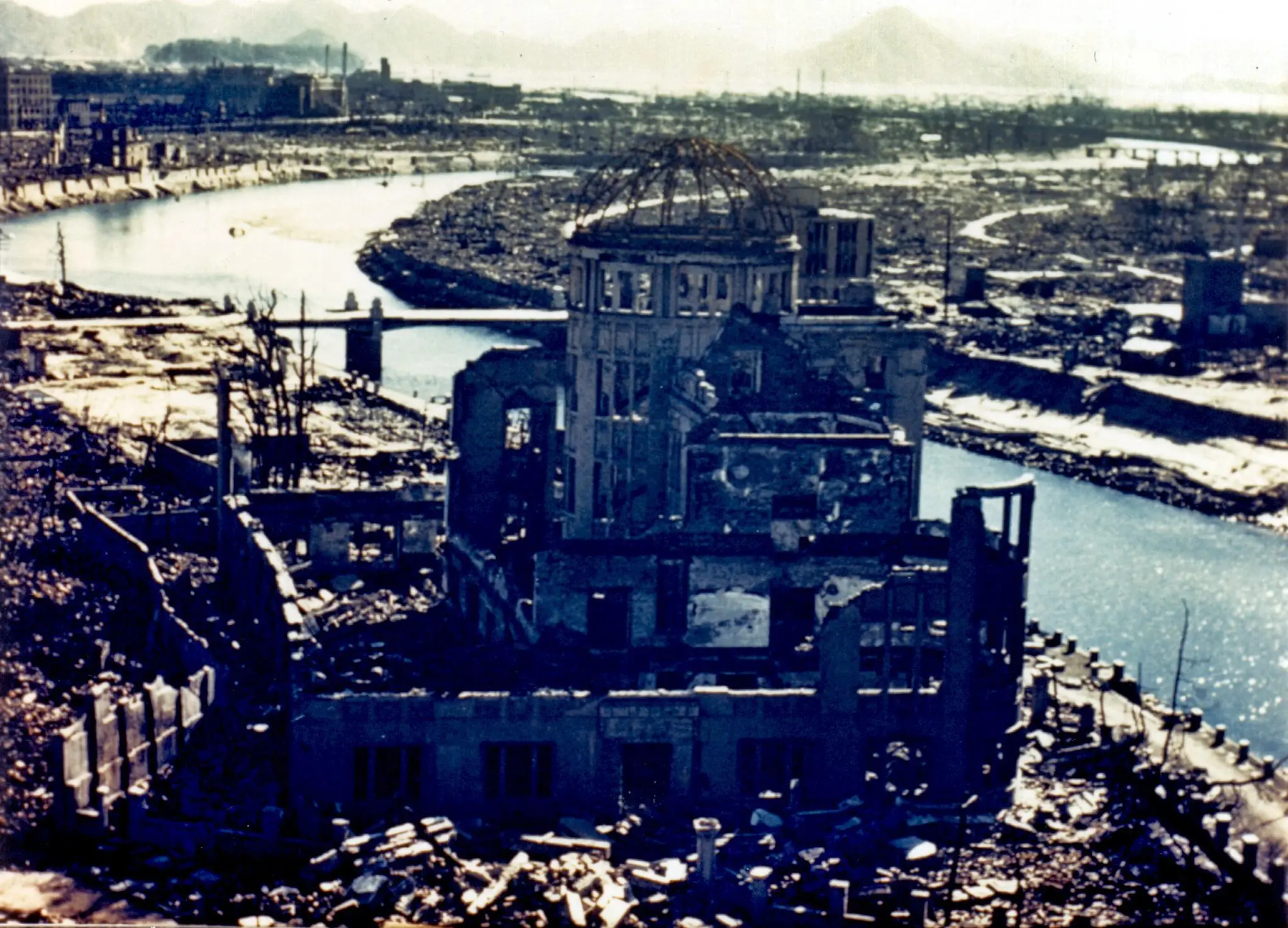
Congratulations, you have avoided being blinded and have survived the devastating blast that followed a nuclear explosion. That was the easy part.
You now have between five and 10 minutes to find somewhere better to shelter, this time for at least 24 hours but ideally for up to 72 hours. This is because of the way that radioactive isotopes decay, with every passing hour making the radiation less and less deadly.
While these harmful gamma rays, along with alpha and beta particles, are invisible to the human eye, it is possible to protect yourself from the worst of their radiation.
If there is a shelter, basement, or large building within a short distance, go inside and prepare to stay there for up to three days. How long you can stay inside will depend on how many supplies you have with you, so if you can grab some water and other supplies in those five minutes, you should.
Once you have found a suitably sheltered location, preferably behind several feet of concrete or soil, you should close off any air sources that lead to the outside like vents, windows, and doors. This will prevent radioactive particles from entering your shelter.
If possible, change all of your clothes and wash yourself with water. This is the only way to remove any harmful radiation that settled on you during the nuclear blast.
You should probably do this even if you do not have a change of clothes, as this will remove 90 percent of the harmful radioactive material. Brushing and shaking the clothes with your mouth closed will remove some of this, according to guidance from the International Commission on Radiological Protection.
Once you have secured all of these things, the best thing to do is simply wait and and follow any local safety guidance that may be issued to survivors. That is, if there is a government left to do so.
Topics: Science
 William Morgan