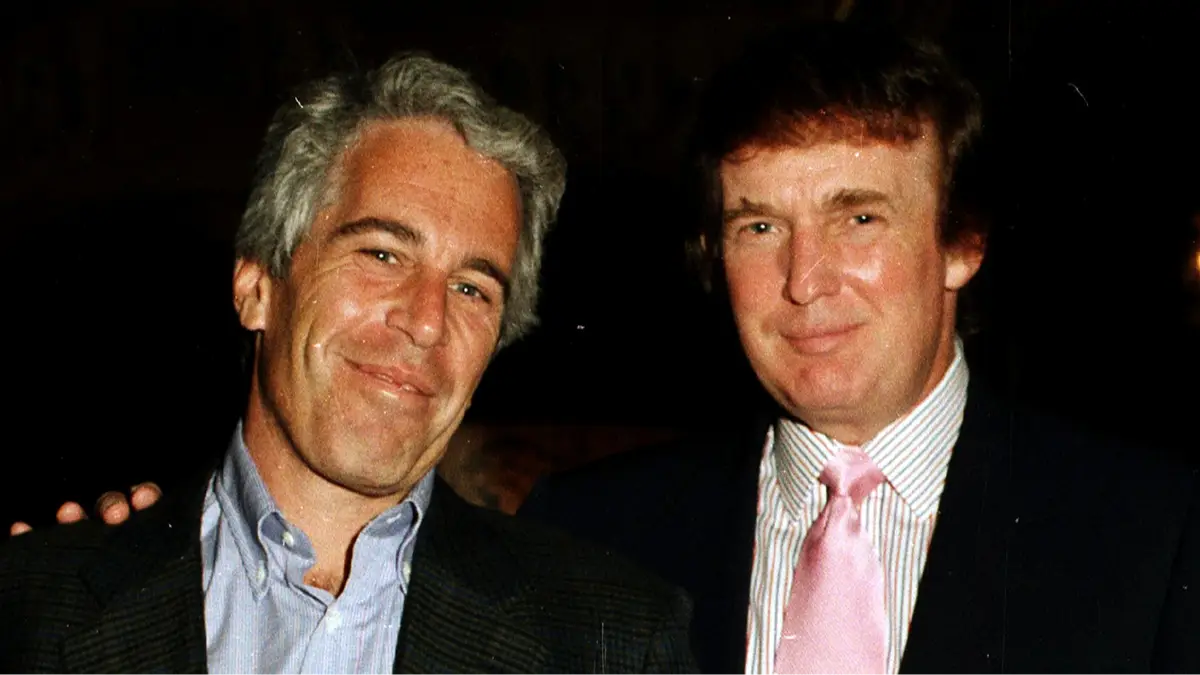
White House responds after claims DOJ withheld Epstein files accusing Trump of allegedly sexually abusing a minor

Members of an important House committee have accused the Department of Justice of withholding information from the Epstein files, alleging that President Trump had sexually abused a minor.
Democrats on the Oversight Committee have gone public with an investigation into the FBI's treatment of a 2019 sexual assault allegation made against President Donald Trump 'by a survivor', an account that reportedly did not appear to be released with the 3 million other files released on January 30.
Taking their allegations public on Tuesday (February 24), Oversight Democrats said that they can 'confirm that the DOJ appears to have illegally withheld FBI interviews with this survivor', claiming that covering up direct evidence to protect the POTUS 'is the most serious possible crime'.
At a similar time, NPR also published their investigation into the claims, alleging that the FBI withheld 'what appears to be more than 50 pages of FBI interviews, and notes from conversations with a woman who accused Trump of sexual abuse decades ago when she was a minor'.
Advert
But the White House has forcefully pushed back, rejecting the Democrats' claims that they have withheld evidence and telling the committee members to 'stop misleading the public while manufacturing outrage from their radical anti-Trump base'.
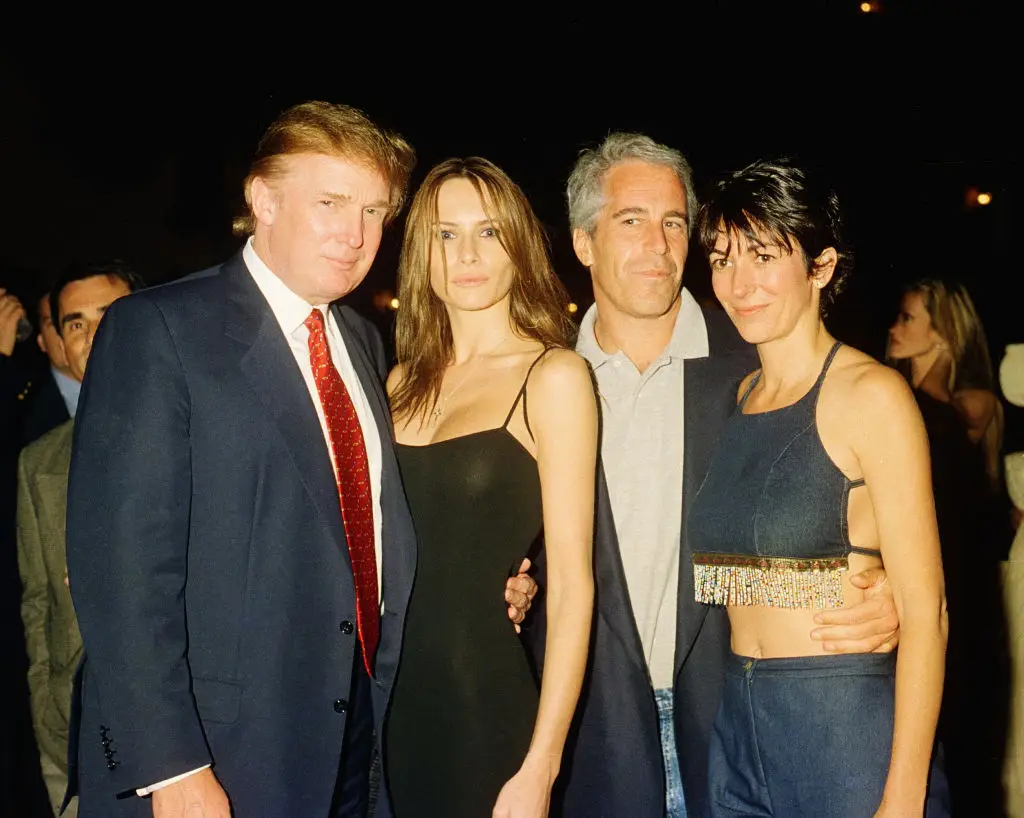
Responding further to the Oversight Committee's allegation about the president, the Department of Justice's comms team continued on X: "The Justice Department has repeatedly said publicly AND directly to NPR prior to deadline - NOTHING has been deleted.
"If files are temporarily pulled for victim redactions or to redact Personally Identifiable Information, then those documents are promptly restored online and are publicly available."
The DOJ added that it had provided all documents required by the Epstein Files Transparency Act, except for 'duplicates, privileged, or part of an ongoing federal investigation'.
A White House spokesperson told NPR that President Trump 'has done more for Epstein's victims than anyone before him', adding: "Just as President Trump has said, he's been totally exonerated on anything relating to Epstein.
"And by releasing thousands of pages of documents, cooperating with the House Oversight Committee's subpoena request, signing the Epstein Files Transparency Act, and calling for more investigations into Epstein's Democrat friends, President Trump has done more for Epstein's victims than anyone before him."
They also pointed to the DOJ's previous statement that the Epstein files contained 'untrue and sensationalist claims' about Trump.
Trump has also continuously denied any wrongdoing or knowledge regarding Epstein's crimes, saying in a statement after the files' release that he was 'told by some very important people that not only does it absolve me, it's the opposite of what people were hoping, you know, the radical left'.
NPR's initial investigation into files allegedly missing from the huge tranche of documents relating to Jeffrey Epstein focused on unique document serial numbers, purportedly establishing that dozens of pages were 'catalogued by the Justice Department but not shared publicly'.
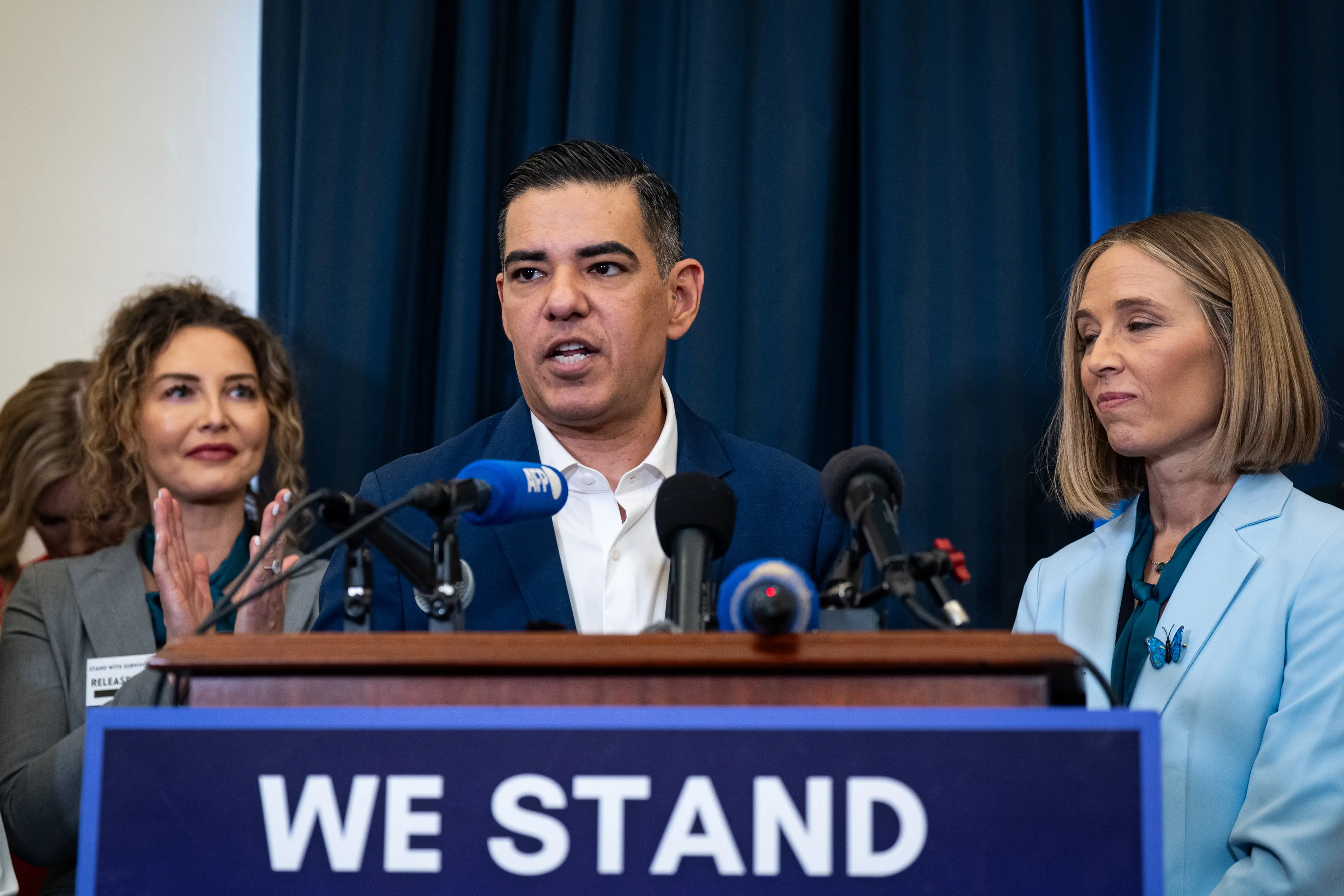
Following up on this, Democrats from the Oversight Committee went into the DOJ to view the unredacted files, apparently confirming that the missing documents include the 2019 FBI interview with a woman alleging abuse at the hands of the president when she was a minor.
California Representative Robert Garcia, the ranking Democrat on the committee, said: "Yesterday, I reviewed unredacted evidence logs at the Department of Justice.
"Oversight Democrats can confirm that the DOJ appears to have illegally withheld FBI interviews with this survivor who accused President Trump of heinous crimes."
In a Feb 14 letter to members of Congress, Pam Bondi said that none of the records that were withheld or redacted was done so 'on the basis of embarrassment, reputational harm, or political sensitivity, including to any government official, public figure, or foreign dignitary'.
She continued to say that the only files that weren't released 'were those records where permitted withholdings under Section 2(c) and privileged materials were not segregable from material responsive under Section 2(a)'.
Topics: Donald Trump, Jeffrey Epstein
 William Morgan