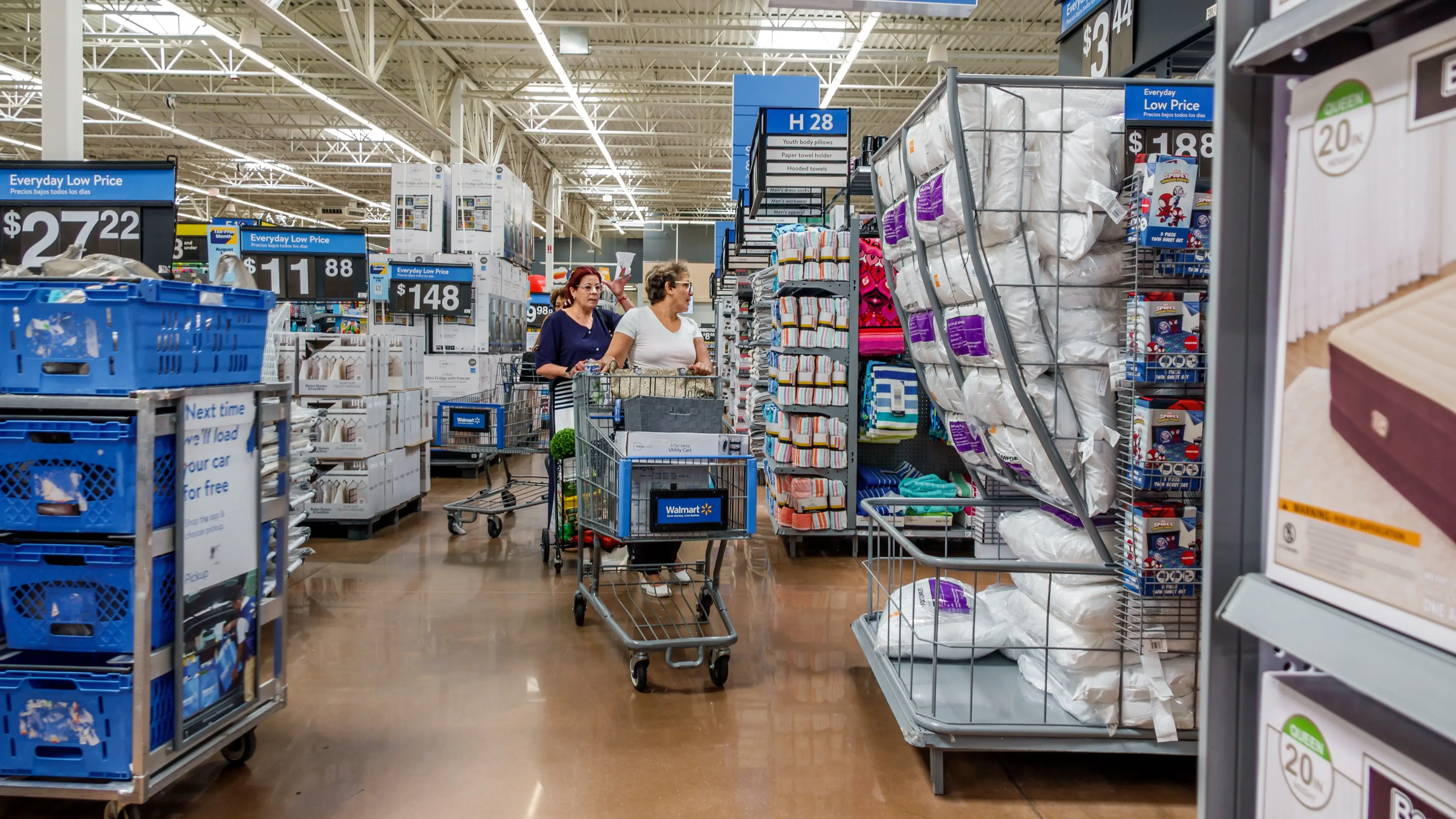
Walmart and Costco forced to make drastic '7-item' change affecting all customers

Millions of Americans will notice a major change at two of the largest grocery giants in the country, Walmart and Costco, when new 'seven-item' regulations come into effect this year.
Everything from fridge space to aisle layouts are due to be overhauled across thousands of their stores, as well as a number of other large retailers, because of the newly introduced 'seven-item SNAP rule'.
This has forced the grocery juggernauts back to the drawing board on how to create an optimal store layout for shoppers, as the new rule requires any location that accepts food stamps, also known as SNAP, to reshape their offering.
That is because, from this Fall, any SNAP-friendly retailers will be forced to stock certain products to make sure that people on food stamps are able to access a healthier and more varied diet. With major consequences for what grocery stores will look like.
Advert
How the seven-time SNAP rule works
Retailers participating in the federal government's Supplemental Nutrition Assistance Program (SNAP) sets general stocking guidelines for businesses that accept food stamps.
Up until now, these rules allowed grocery stores to take a looser approach to stocking 'staple foods', which has effectively meant that many of the poorest Americans have had little choice when it comes to following a healthy diet.
But the updated guidelines require these SNAP-friendly stores to stock at least seven items from the following four categories:
- Protein-rich foods
- Grains and staple carbohydrates
- Dairy products
- Fruits and vegetables
While this change has been something of a headache for retail giants, it is designed to reduce the prevalence of 'food deserts', where people on low incomes are unable to access fresh and nutritional food in their local area.
The Department of Agriculture has said that this change will push retailers to stock a healthier range of foods and reduce gaps in people's ability to take advantage of a less processed diet.
Why Walmart and Costco stores are affected
Eight in every 10 food stamp dollars are spent at the country's largest retailers. So, as the two biggest grocery store chains in America, this change in federal regulations means that Walmart and Costco will be the most affected by this change.
The new seven-item rule means that these giants have had to rethink everything from how their warehouses work to which businesses are a key part of their supply chains, all to meet the new federal compliance standards.
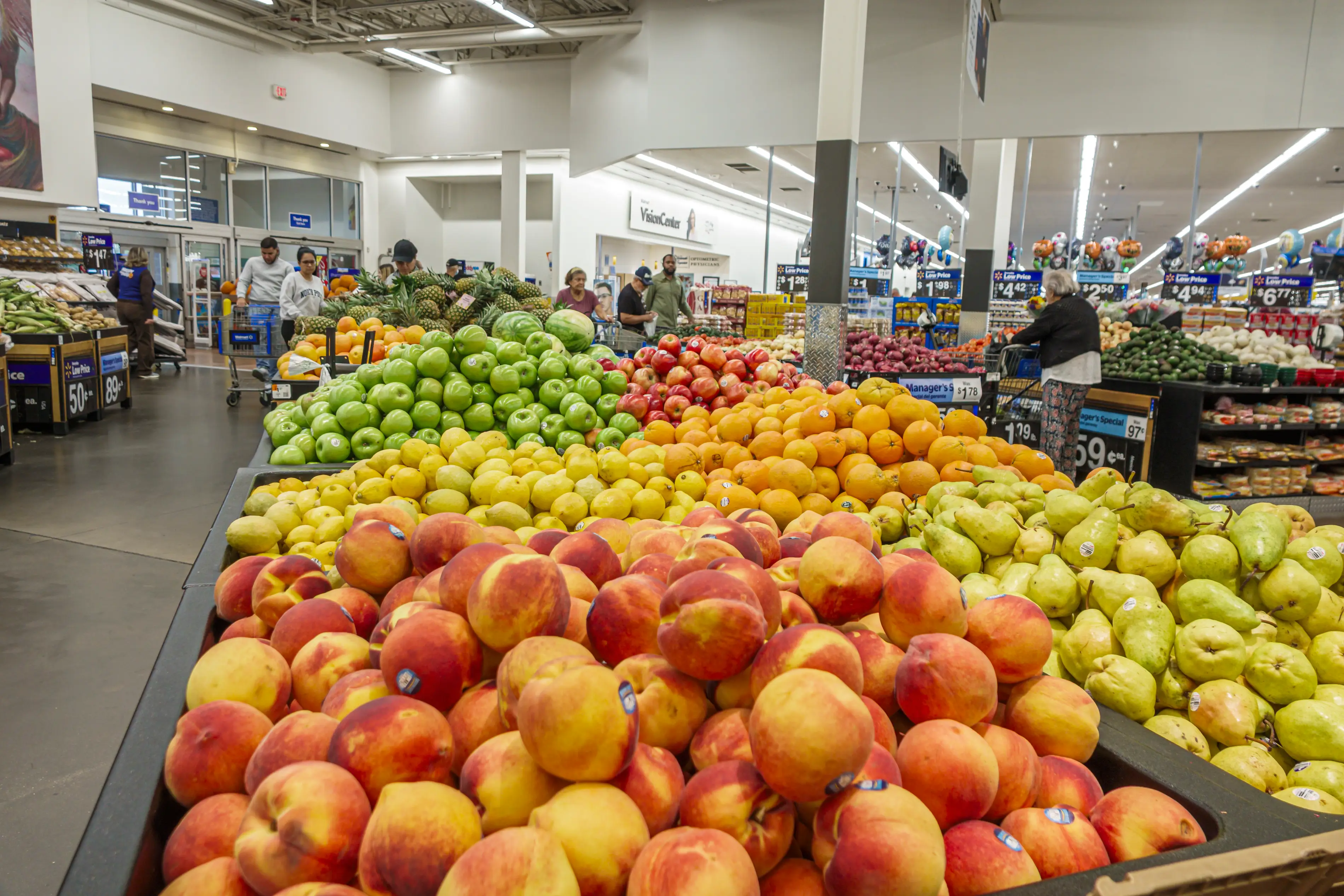
For Walmart, this means expanding their produce sections in thousands of stores, reorganizing their dairy aisles, and offering shoppers more clearly arranged grain and protein sections.
The grocery giant is making this overhaul to its store layouts so that it can meet this seven-item rule and ensure its sections meet the requirements, without overlapping products or facing fines for failing to meet the new rules.
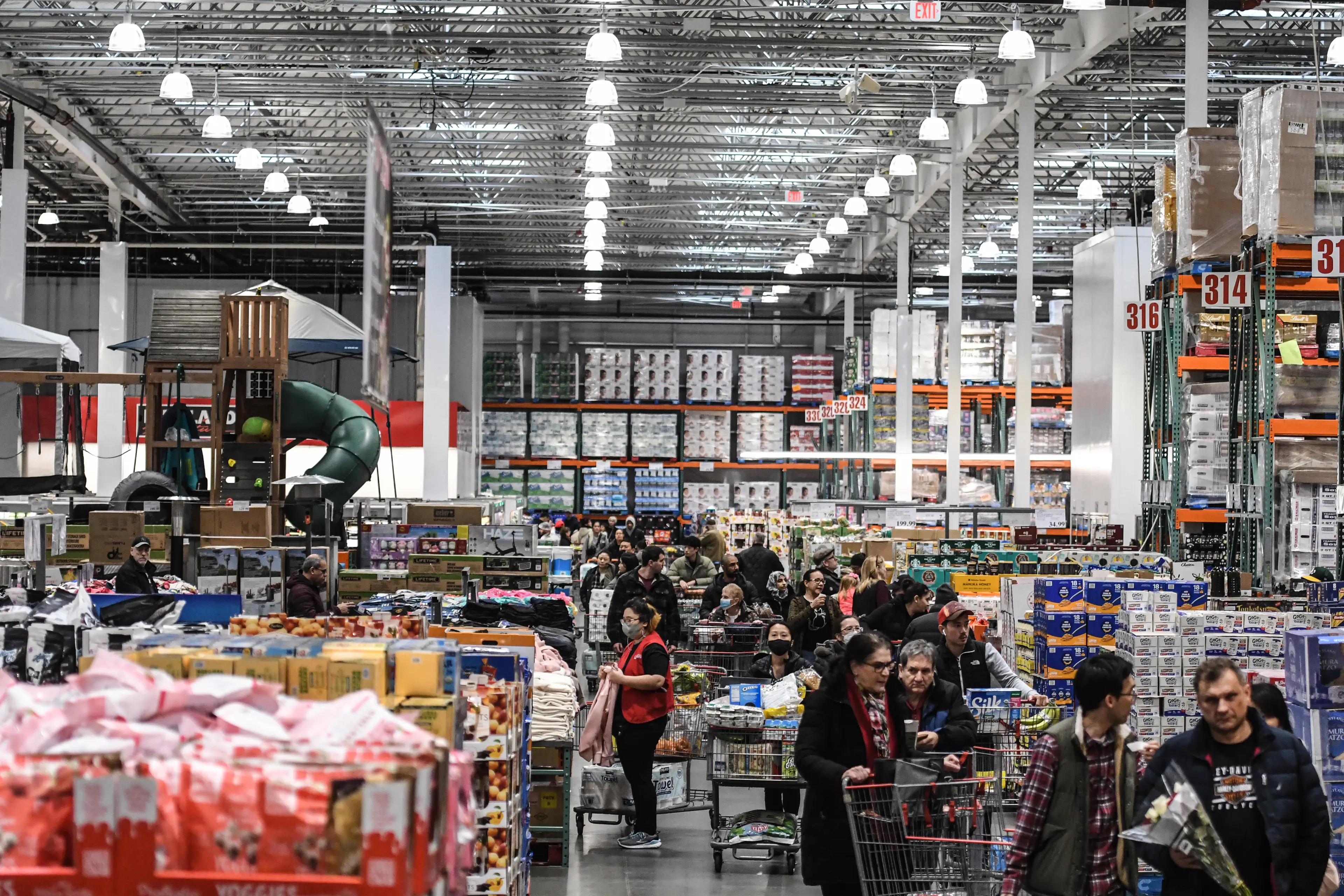
For Costco, these changes will have an entirely different impact due to its subscription and bulk-selling business model, but will mean having to stock a more diverse range of produce for shoppers and more clear packaging.
According to NBSLA, these massive aisle changes will result in:
- Expanded fresh produce sections
- More clearly divided protein zones (meat, eggs, plant-based options)
- Increased dairy variety, including lactose-free and fortified products
- Broader grain selections, including whole grains and alternative staples
- Wider refrigerated sections
- More shelf labeling for SNAP-eligible items
- Reduced shelf space for non-essential snack categories in some locations
- Reorganized store navigation to highlight staple food groups
But while this may be a difficult challenge for retailers to implement before Fall, for SNAP recipients, this regulation could be literally life-changing for the 42 million Americans who receive support through the program.
Topics: Walmart, US News, Shopping, Business, Food and Drink
 William Morgan