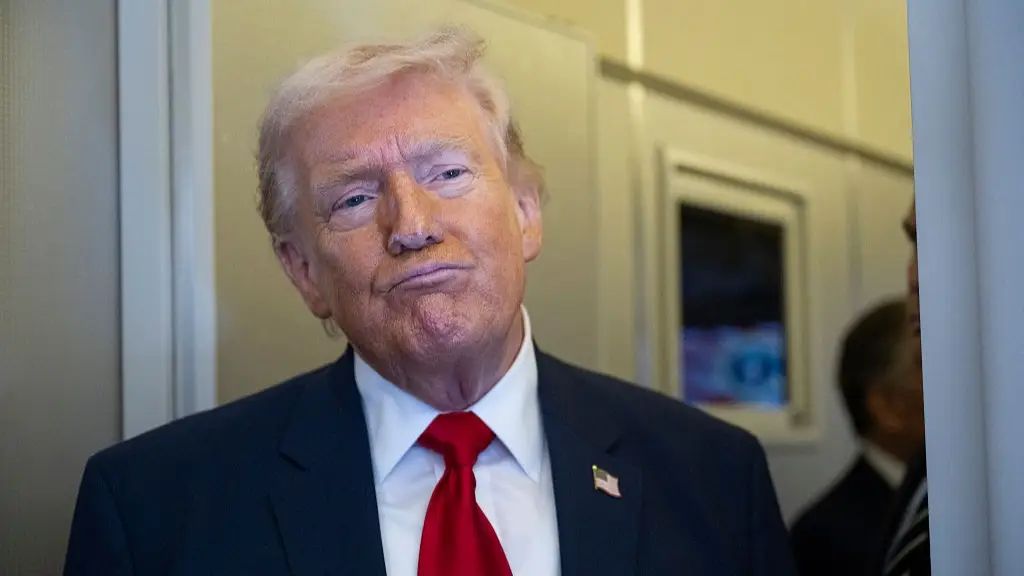
Trump issues firm warning to Nato if allies fail to help the US

President Donald Trump is calling on European countries to help secure vital shipping lanes in the Middle East, issuing an ominous threat to the NATO military alliance that has existed since 1949.
The President told reporters on Sunday night (March 15) that there would be a 'very bad future' in store for NATO, if there was 'no response' or a 'negative response' to his demands for help securing the Strait of Hormuz - the body of water next to Iran through which a fifth of the world's oil passes.
Trump argued that countries which would benefit from the strait being reopened should be the ones to secure the passage of oil tankers and other shipping, after the US and Israel unilaterally launched attacks on Iran that inevitably led to Tehran closing the crucial waterway.
But despite this stern ultimatum from the US president, which aims to force the hand of Europe's navies, by Monday morning, it did not seem that Trump's warning had been heeded across the pond.
Advert
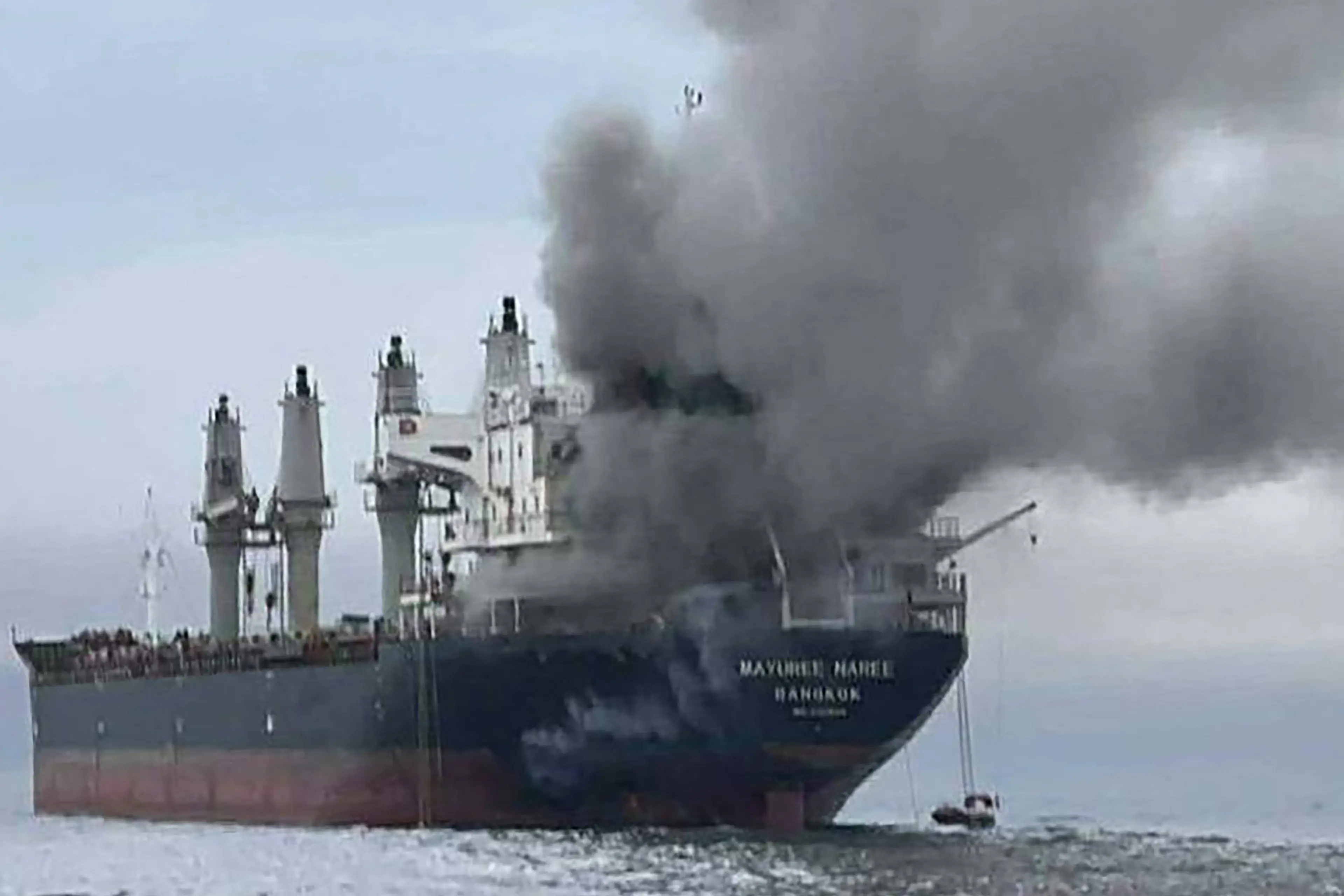
At the same time, the price of an oil barrel rose to another high of $106, as oil exports largely go through the Strait of Hormuz.
While smaller NATO members like Italy and Greece signalled they would not participate in the US operation in the Middle East, even the UK refused to be drawn into the conflict.
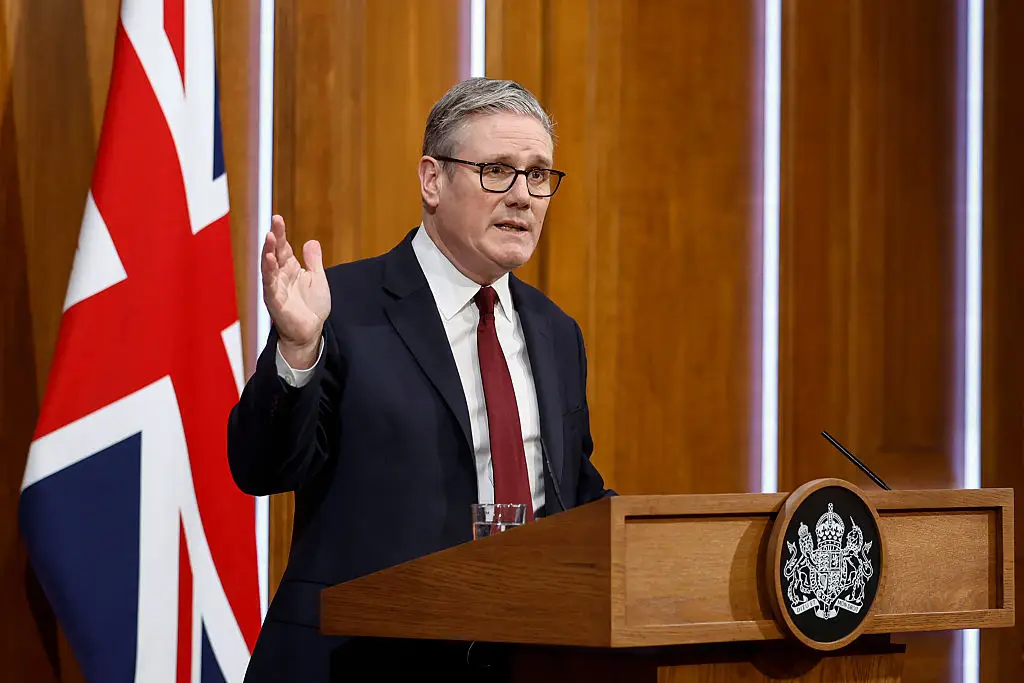
Speaking at a press conference, Prime Minister Sir Keir Starmer said that the best and fastest way to restore oil flows from the Gulf to the rest of the world was to reach a 'negotiated agreement' to end the war in Iran.
Starmer also revealed that he had spoken to Trump the night before about the Strait, but that he would not deploy troops without a legal basis and a 'properly thought-out plan'.
In a sign of the intense discussions going on behind the scenes, he said his decision was 'about standing firm for the British interest, no matter the pressure'.
His words reflected those of China, whom Trump also called on to intervene in the Strait of Hormuz as a major beneficiary of oil imports from the region. A spokesperson for the country's foreign ministry said that 'China reiterates its call for all parties to immediately cease military operations'.
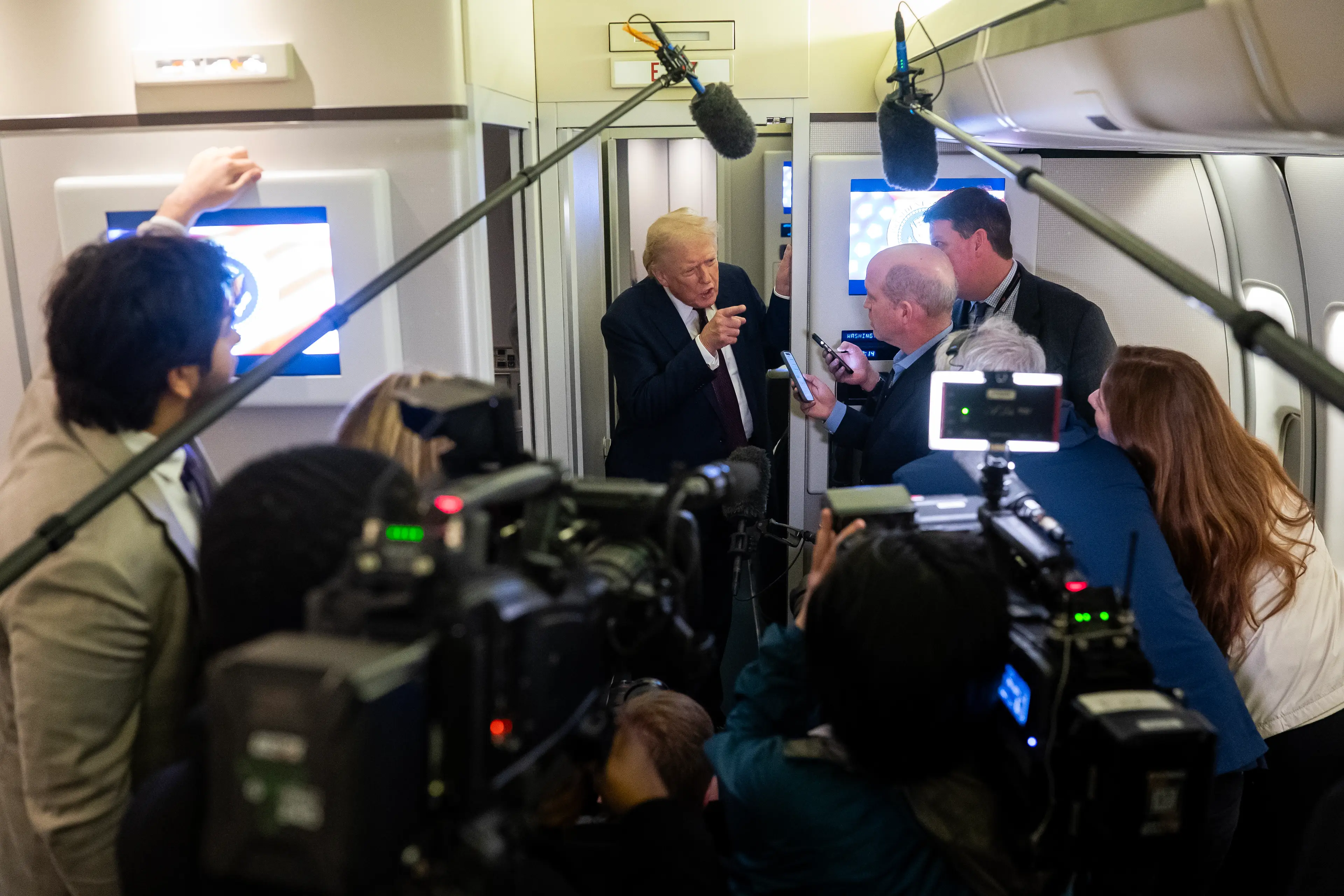
According to the Financial Times, Trump seemed to be pessimistic that NATO would help, despite the US intervention in the Russia-Ukraine conflict.
"We’ve been very sweet. We didn’t have to help them with Ukraine. Ukraine is thousands of miles away from us... But we helped them. Now we’ll see if they help us," he said.
"Because I’ve long said that we’ll be there for them, but they won’t be there for us. And I’m not sure that they’d be there."
But while Trump's NATO demands seemed to fall on deaf ears Monday morning, the UK did reveal that they are working on a 'viable plan' with 'all of our allies' to restore shipping in the Strait of Hormuz.
A statement unlikely to be bluster, with French and British warships steaming into the Middle East.
Meanwhile, a top figure inside the UK's Labour government, Work and Pensions Secretary Pat McFadden, has basically spelt out Europe's response to the US president's demands.
He denied Trump's invocation of the NATO alliance, pointing out that it was not designed to begin wars, saying: “It is not a Nato war, it is a US-Israeli action. The articles of association of Nato are that it is a defensive alliance.
“We come to one another’s aid when those articles have been breached. We are deeply committed to Nato but it was not conceived and does not operate in the kind of situation we are seeing in the Gulf right now.”
When asked about President Trump's apparent threat to the future of NATO, McFadden said dismissively: “We always take the president seriously but we have learned in the last 15 months or so since he came into office that there is a lot of rhetoric and statements.”
How much oil does the US get from the Strait of Hormuz?
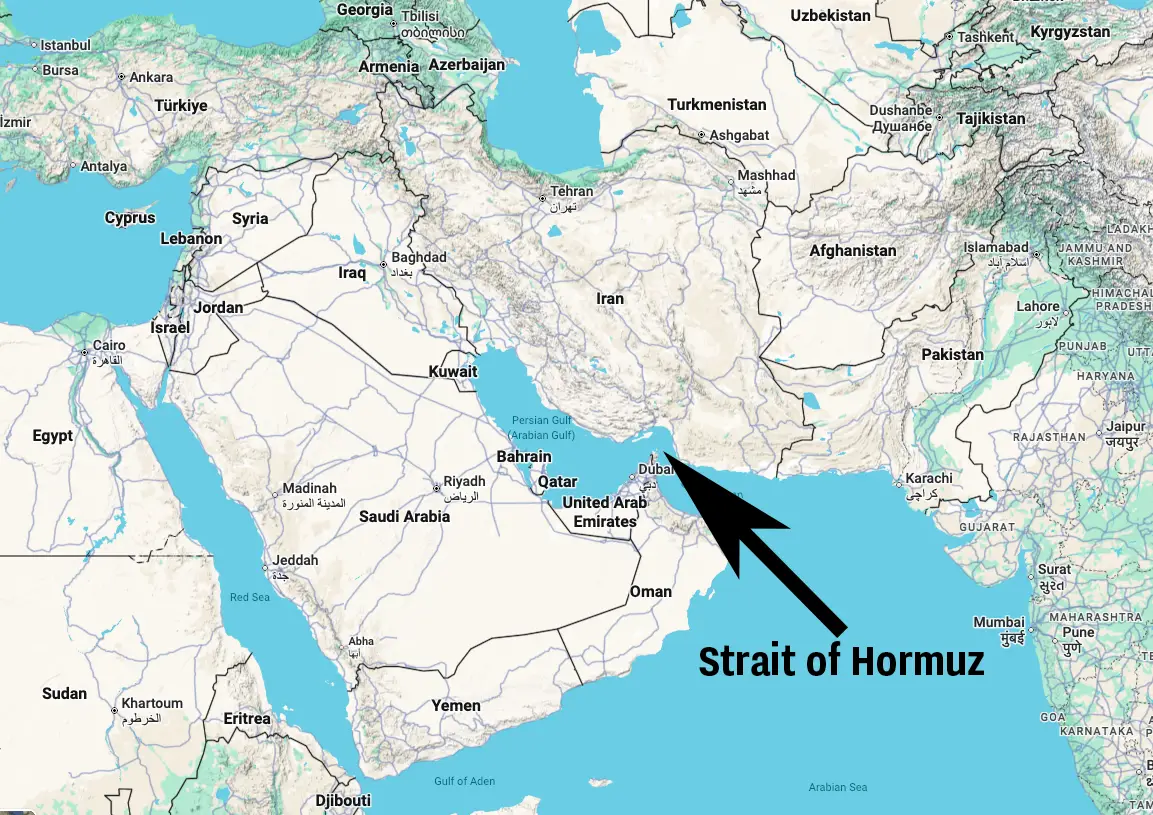
According to FactCheck.org, about 20 million barrels of crude oil made its way down the Strait in 2025, which had since slowed to 'a trickle' following the US-Iran conflict.
The US gets a small fraction of oil from the Persian Gulf, including Qatar, Saudi Arabia, and the United Arab Emirates (UAE), with approximately 490,000 barrels of oil being imported to the US. Meanwhile, Canada alone accounted for around 63 per cent of US crude oil exports last year.
This is 8 per cent of nearly 6.2 million per day sent to the US on average, the U.S. Energy Information Administration says.
Most of the oil's destination is Asia, predominantly China, which receives between 45 and 50 per cent of the imports.
However, even though the US doesn't import much oil through the Strait, it will still feel the impact of the closure, Abhi Rajendran, director of Oil Markets Research at Energy Intelligence, told FactCheck.org that 'the prices are global, so prices go up anyway'.
 William Morgan