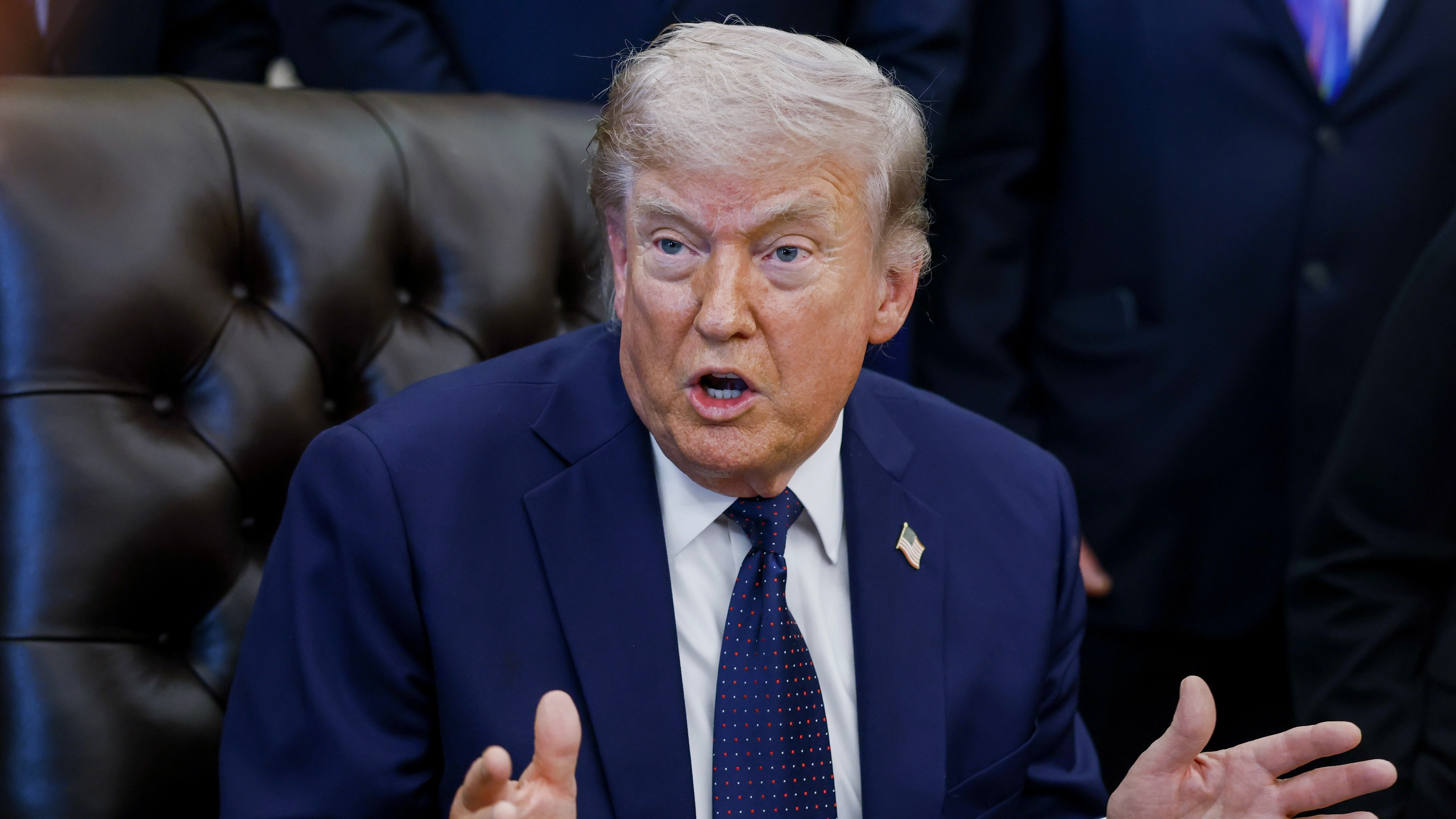
Marijuana long-term side effects explained as Donald Trump reclassifies drug

Warning: This article contains discussion of drug addiction which some readers may find distressing.
While 48 percent of US adults report having tried it at least once in their lifetime, the long-term side effects of marijuana have been explained as Trump's administration moves to reclassify the drug.
Acting Attorney General Todd Blanche announced the change in policy just yesterday (April 23), after the president directed his administration to begin the reclassification process last year.
The purpose, according to Donald Trump, is to increase access and research of the drug, more commonly known as weed or cannabis.
Advert
The change announced on Thursday is specifically targeted at marijuana-related products that are approved by the Food and Drug Administration or licensed for medical use.
According to Blanche, the products will be moved from the most restricted category, to a less strict one, given that since 1970 the US classified marijuana as a Schedule I controlled substance, having a 'high potential for abuse'.
But he also called a hearing to consider reclassifying all marijuana, despite the drug being legalized across numerous US states.

While is remains illegal on federal level, many states allow it to be used for medical or recreational purposes, while others have shops where it can be purchased.
Speaking at a press conference, Blanche said: "The Department of Justice is delivering on President Trump's promise to expand Americans' access to medical treatment options.
"This rescheduling action allows for research on the safety and efficacy of this substance, ultimately providing patients with better care and doctors with more reliable information."
Morgan Fox, of the National Organization for the Reform of Marijuana Laws, claims that two thirds of Americans support the full legalization of cannabis.
"The real solution," he says, "is to de-schedule cannabis at the federal level."
According to the National Center for Drug Abuse Statistics, 61.5 million Americans (around 23 percent of US adults) used cannabis in 2024, while 44.3 million used cannabis each month. Overall, that's an increase of over 50 percent over the last decade.
What are the long-term side effects of marijuana?
According to the American Addiction Centers, it's important to note that while nationwide views on marijuana are evolving, it doesn't come without risk.
The drug is made up of dried leaves, stems, seeds, and flowers of the Cannabis sativa or Cannabis indica plant, and it can have some damaging long-term side effects.
Lung health
One of the main long-term side effects is respiratory issues.

Over time, frequent use may lead to a chronic cough, bronchitis, and puts users at a higher risk of infections like pneumonia or other lung problems.
The World Health Organization warns of 'airway injury, lung inflammation, and impaired pulmonary defence against infection from persistent cannabis consumption over prolonged periods', none of which sounds fun.
Cancer
Many studies also suggest a possible link between marijuana use during adolescence and developing a more aggressive form of testicular cancer, according to American Addiction Centers.
One 2017 study found that heavy cannabis use - which the researchers described as smoking weed more than 50 times over a lifetime - was associated with a 2.5 increase in the risk of testicular cancer.
Brain health
It's also been reported that using marijuana during adolescence, a time when the brain is still fully developing, may affect learning, memory, and impulse control.
Some studies have suggested smoking cannabis as an adult can lead to a decline in IQ and memory issues, but the evidence is inconclusive.
Marijuana use has also been linked to a higher risk of mental health issues like anxiety, depression, and schizophrenia.
Cannabis use disorder
The drug is also highly addictive, meaning that those who use it at a younger age are more likely to develop dependence or problematic use.
According to the CDC, around three in 10 people who report using cannabis have something called cannabis use disorder, and this figure continues to rise.
This means their cannabis use is interfering with their day-to-day lives and they may find it difficult to cut down their usage or quit.
If you want friendly, confidential advice about drugs, you can call American Addiction Centers on (313) 209-9137 24/7, or contact them through their website.
Topics: US News, Drugs, Politics, Donald Trump
 Mia Williams