US states where marijuana is legal as Trump administration makes historic move on drug

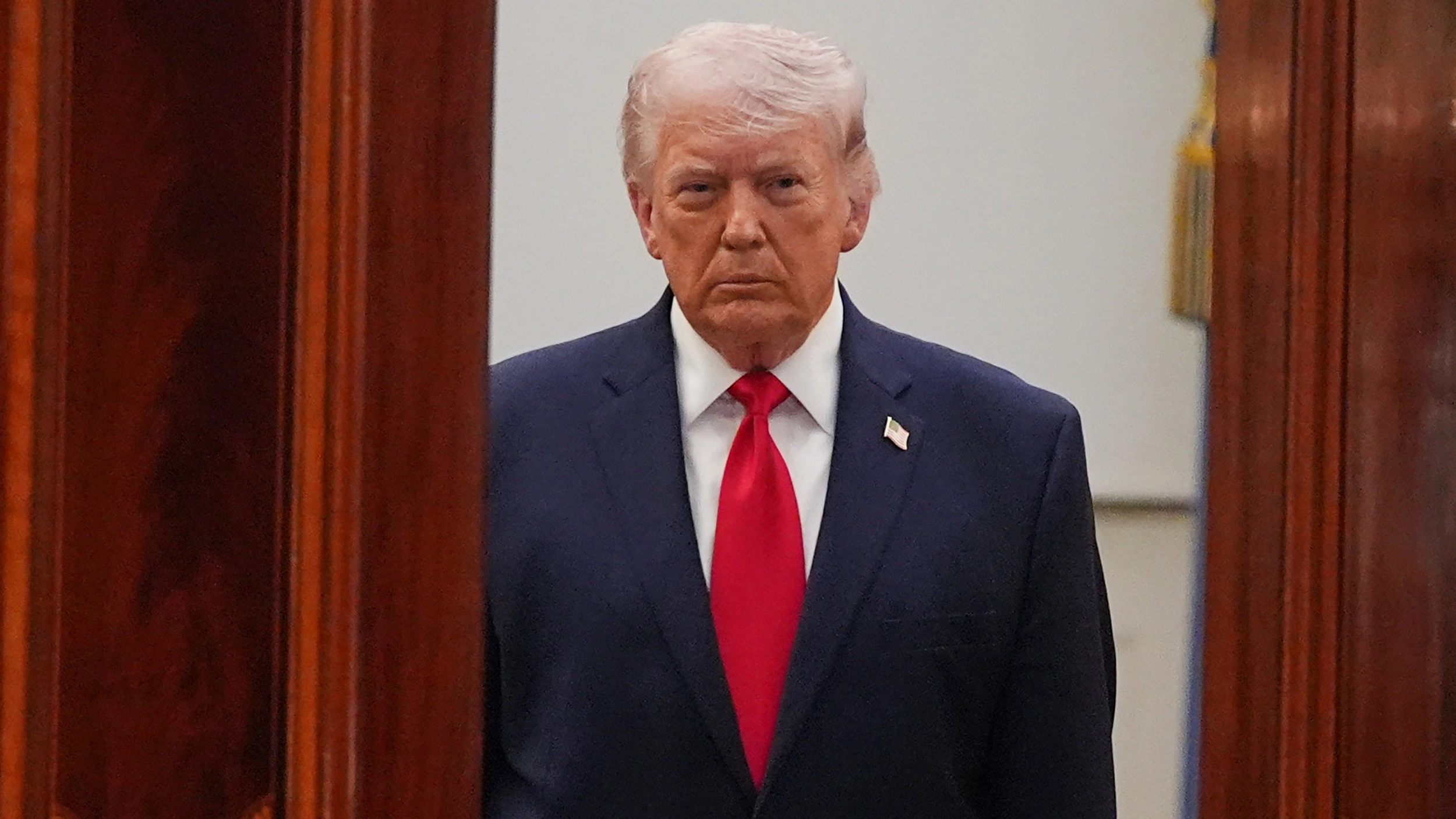
The Trump administration has announced the biggest shake up US drug policy in decades, easing restrictions on certain marijuana products and accelerating the process of reclassifying cannabis as a less dangerous drug.
Acting attorney general Todd Blanche officially signed an order on April 23, 2026 reclassifying cannabis as a less dangerous drug, marking one of the most significant shifts in US federal drug policy in over 50 years.
This move follows a December 2025 executive order in which President Trump directed the DOJ to complete the reclassification process as quickly as possible.
The move would shift cannabis from Schedule I - the most restrictive federal drug category, currently sitting alongside heroin and LSD, down to Schedule III, alongside Ketamine and Tylenol with codeine.
Advert
For context on just how significant that is, marijuana has sat on the Schedule I list since the controlled Substances Act of 1970, a classification critics have argued for over 50 years was driven by politics rather than science.
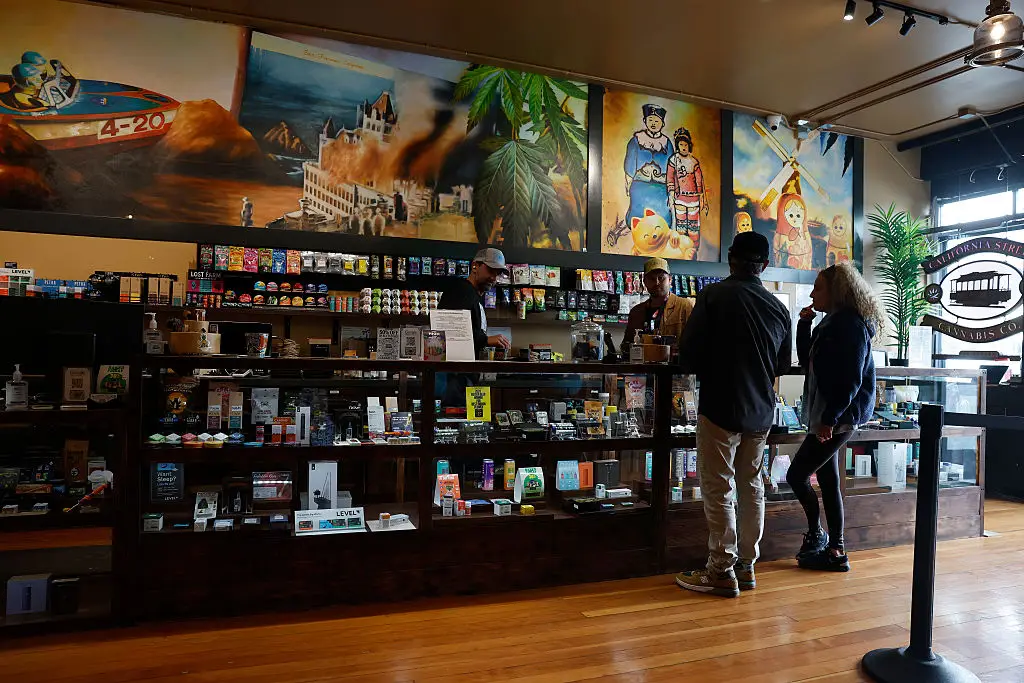
Schedule I is reserved for substances deemed to have no accepted medical use and a high potential for abuse.
The idea that weed belongs in the same bracket as heroin has long been one of the most controversial positions in American drug policy.
Which US state first legalized cannabis?
The first domino to legalization fell back in 1996, when California became the first US state to legalise marijuana for medical use. It took another 16 years before Colorado and Washington made history in 2012 as the first states to legalize recreational use, and the floodgates opened from there on in.
Today, more than 40 states have legalized the drug in some form, creating an increasingly absurd situation where millions of Americans are perfectly within the law in their own state but technically federal criminals at the same time.
Medicinal cannabis is now legal in 47 states, three territories and Washington DC.
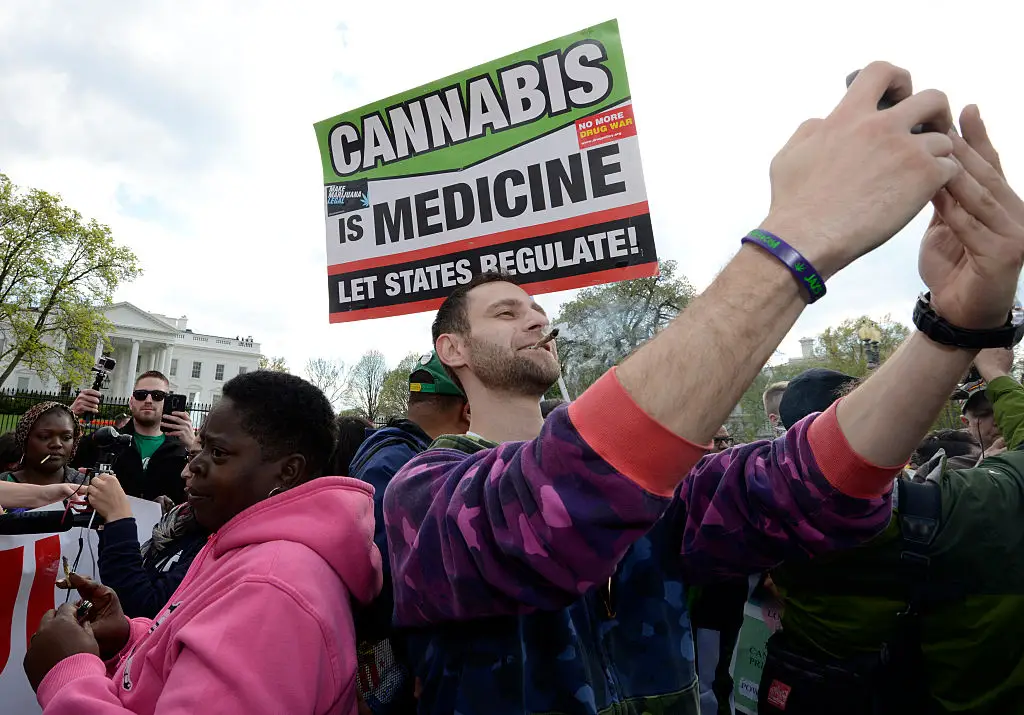
US States where marijuana is legal for 'non-medical' use
These states have gone the whole hog, no medical card required. Adults can legally buy and consume cannabis just like alcohol.
Fifteen years ago, no states had legalized recreational marijuana, but a lot has changed since then.
- Colorado - since 2012
- Washington - since 2012
- Alaska - since 2014
- Oregon - since 2015
- Washington, D.C. - since 2015
- California - since 2016
- Maine - since 2016
- Massachusetts - since 2016
- Nevada - since 2017
- Michigan - since 2018
- N. Mariana Islands - since 2018
- Vermont - since 2018
- Guam - since 2019
- Arizona - since 2020
- Illinois - since 2020
- Connecticut - since 2021
- Montana - since 2021
- New Mexico - since 2021
- New York - since 2021
- Virginia - since 2021
- New Jersey - since 2022
- Rhode Island - since 2022
- Delaware - since 2023
- Maryland - since 2023
- Minnesota - since 2023
- Missouri - since 2023
- Ohio - since 2023
States that allow marijuana for medical only use
Some states only allow the use of marijuana for a limited number of health conditions, while others allow broader use:
- Hawaii - since 2000
- New Hampshire - since 2013
- Iowa - since 2014 (limited)
- North Carolina - since 2014 (limited)
- South Carolina - since 2014 (limited)
- Wisconsin - since 2014 (limited)
- Louisiana - since 2015
- Georgia - since 2015 (limited)
- Wyoming - since 2015 (limited)
- Arkansas - since 2016
- Florida - since 2016
- North Dakota - since 2016
- Pennsylvania - since 2016
- Indiana - since 2017 (limited)
- West Virginia - since 2017
- Oklahoma - since 2018
- Utah - since 2018
- South Dakota - since 2020
- Alabama - since 2021
- Tennessee - since 2021 (limited)
- Mississippi - since 2022
- Kentucky - since 2023
- Texas - since 2025
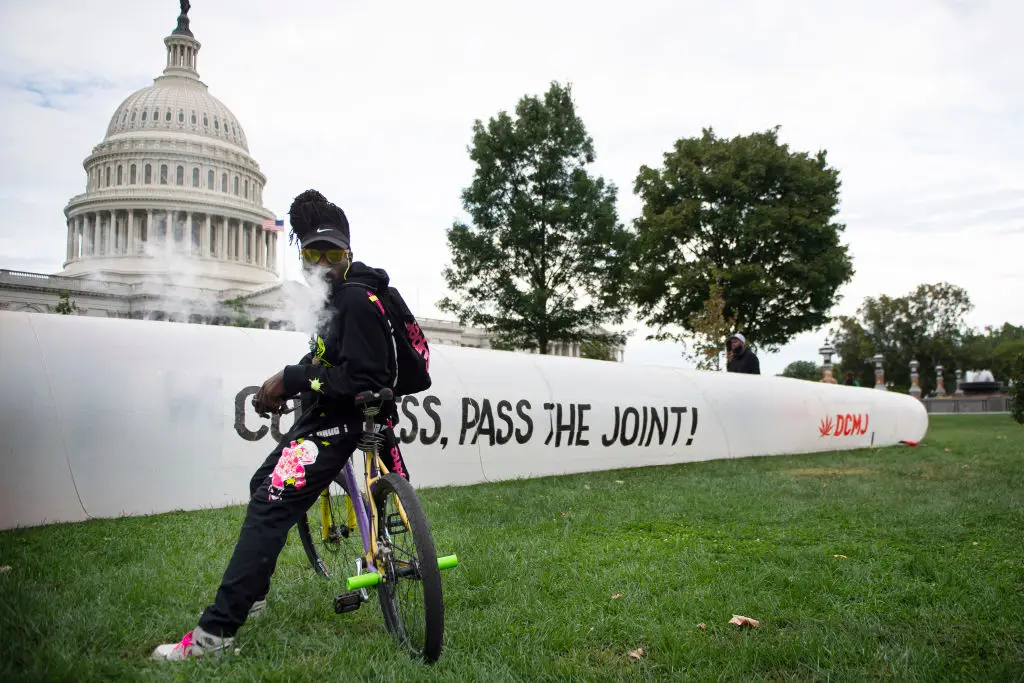
What has US Attorney General said about the re-classification?
In a statement, Acting Attorney General Todd Blanche said the following on Thursday: "The Department of Justice is delivering on President Trump's promise to expand Americans' access to medical treatment options.
"This rescheduling action allows for research on the safety and efficacy of this substance, ultimately providing patients with better care and doctors with more reliable information."
During the announcement Blanche also ordered that a hearing by held in June as part of a rule-making process to reclassify all marijuana more broadly.
Once the rule change is published in the federal register, it has 30 days until it comes into effect. During that time, it can be legally challenged (which is expected), and potentially blocked from being implemented for months and in some cases even years.
 Thomas Bamford