World's biggest bank issues warning as Trump pledges to make huge change to credit cards that could backfire

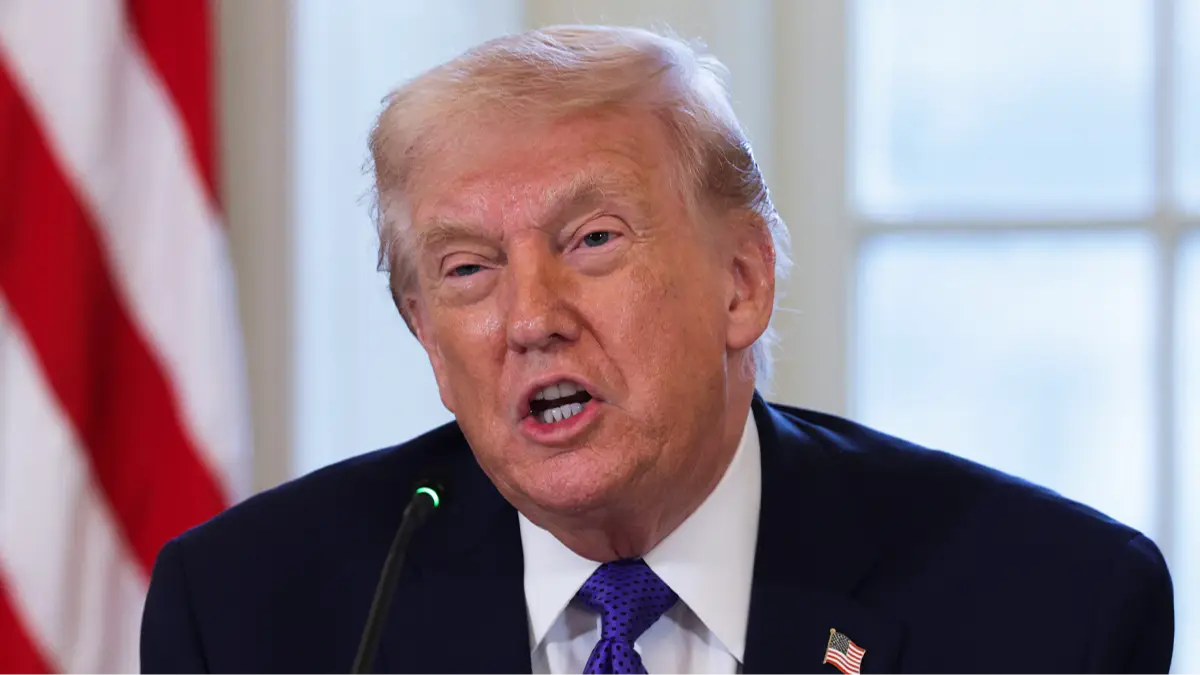
President Trump's radical plan to slash credit card fees has been met with a stark warning from the world's most valuable bank, as borrowers have less than a week to go before the policy is implemented.
Interest rates on credit card debt would be capped at 10 per cent under the new plan, which is due to take effect from January 20 in a bid to bring down the escalating cost of using the banking service that four in five Americans rely on.
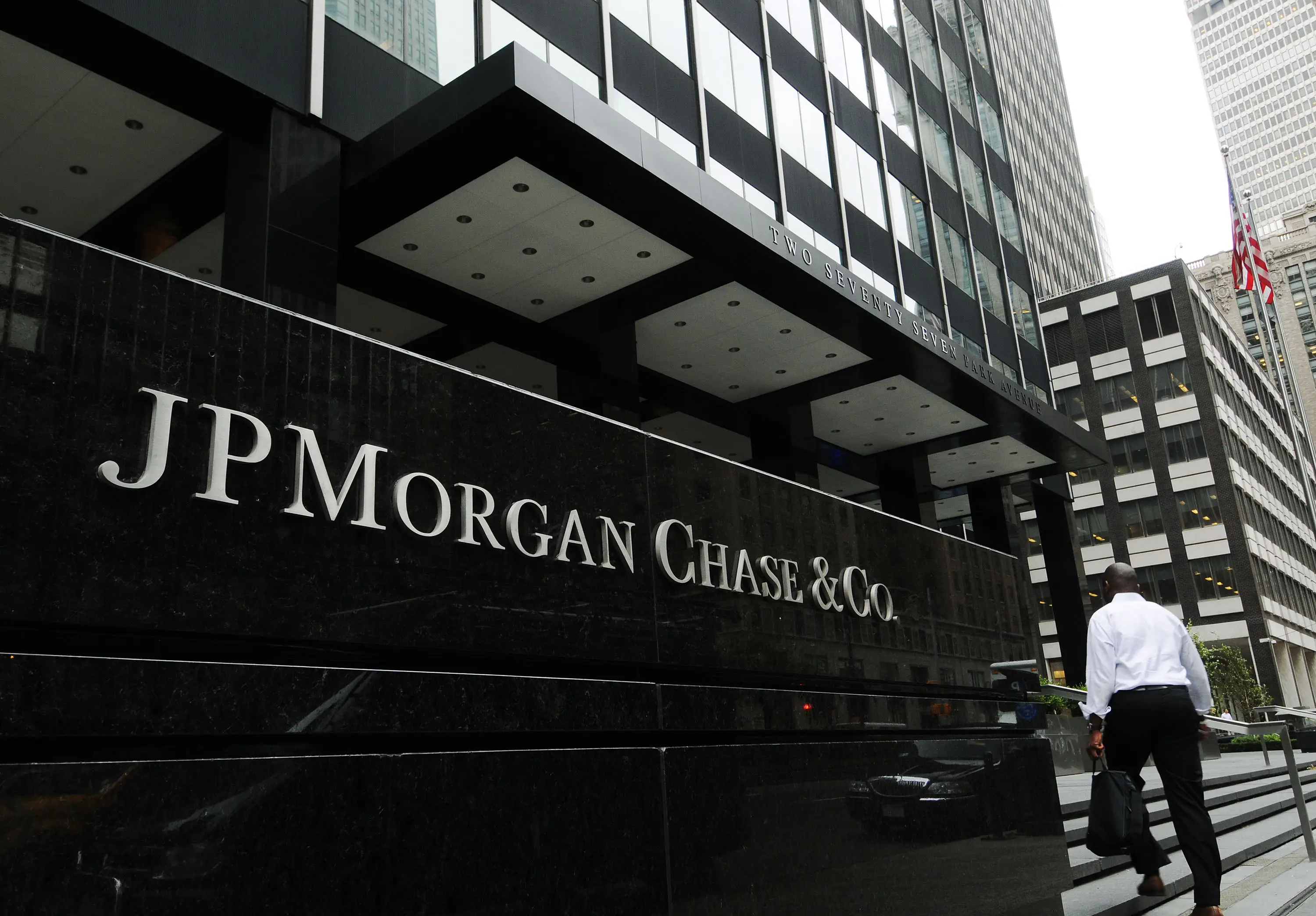
But a member of the banking elite, JP Morgan's Chief Financial Officer, Jeremy Barnum, has warned that Trump's plan to stop consumers from being 'ripped off' by spiralling interest rates could backfire and tank the economy.
As while the rates will drop, so will the number of available cards.
Advert
"Instead of lowering the price of credit, we’ll simply reduce the supply of credit — and that will be bad for everyone," Barnum said to reporters during a call about the bank's quarterly performance (via CNBC).
Millions of Americans know all too well how high interest rates have become over the past couple of years, with average interest rates now climbing to around 20 per cent, with many cardholders paying significantly more on store cards and subprime deals.
But banks are weighing how to respond to the plan, which could make it unprofitable for financial institutions to offer credit cards to many individuals who currently qualify.
This is because the excess debt added through interest is the margin that makes it worthwhile to offer credit, with the extra cash offsetting the fraud and insolvency write-offs that are part of the industry.
The CFO of JP Morgan, which is the US' largest issuer of credit cards with over $1.2 trillion in consumer debt and the largest market share, has warned that the banking sector will fight back, saying: "If you wind up with weakly supported directives to radically change our business that aren’t justified, you have to assume that everything’s on the table."
There is currently no limit on the amount of interest credit card companies can charge, which is loosely tied to the rates set by the Federal Reserve.
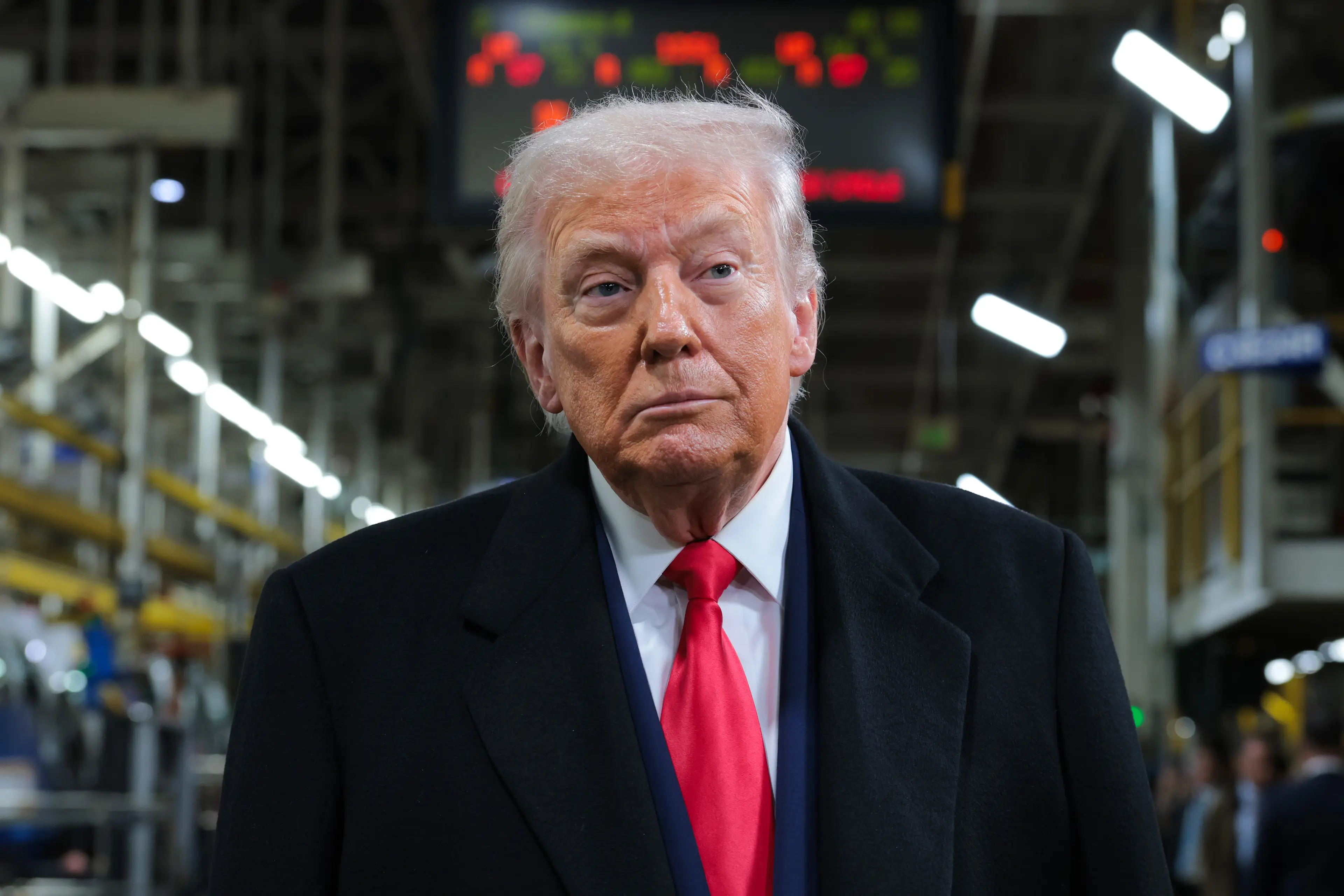
Yet there has been bipartisan support for similar measures in the past, including stalled efforts by Senators Hawley and Sanders to limit the rate to 10 per cent.
If banks follow through on the threat to reduce credit card issuance as a result of the change, it could have a significant impact on one of the economy's main drivers: credit-backed consumer spending.
“Our belief is that actions like this will have the exact opposite consequence to what the administration wants for consumers,” Barnum said.
But with just six days to go until the recently announced plan takes effect, it appears the president wants the radical change pushed through as soon as possible to mark the first anniversary of the start of his second term in the White House.
If banks refused to implement these changes, then Trump claims they're in 'violation of the law', adding: "Some of them are charging 28, almost 30%.
"People don’t know they’re paying 30%. They’re working and have no idea they’re paying 30%."
Topics: Donald Trump, Money
 William Morgan