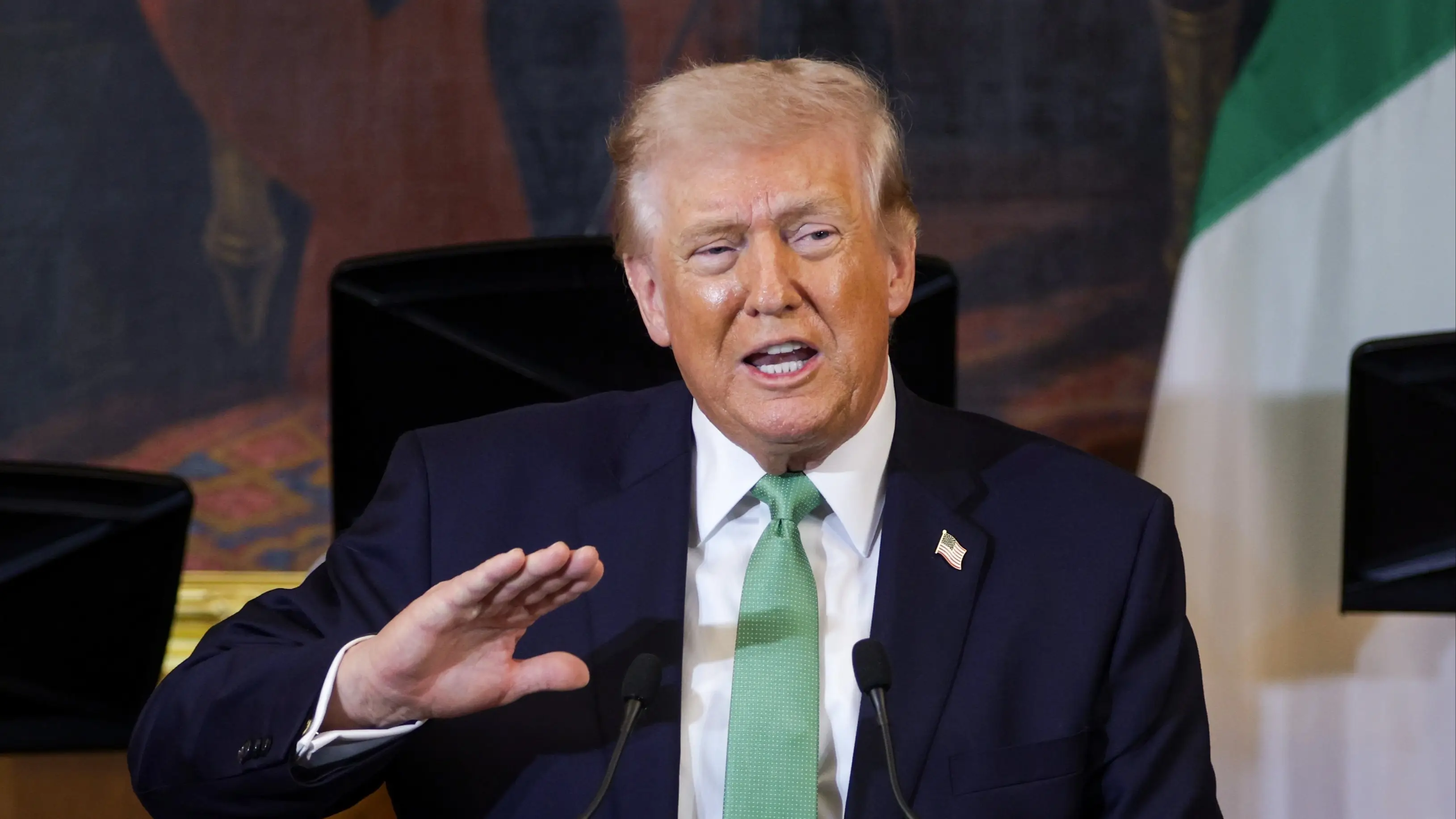
Trump directly calls out Nato as he praises his own 'courage' in Iran war

A White House meeting between Donald Trump and Japan's Prime Minister descended into the president launching harsh words at America's NATO allies over the Iran war, while delivering some very kind words for himself.
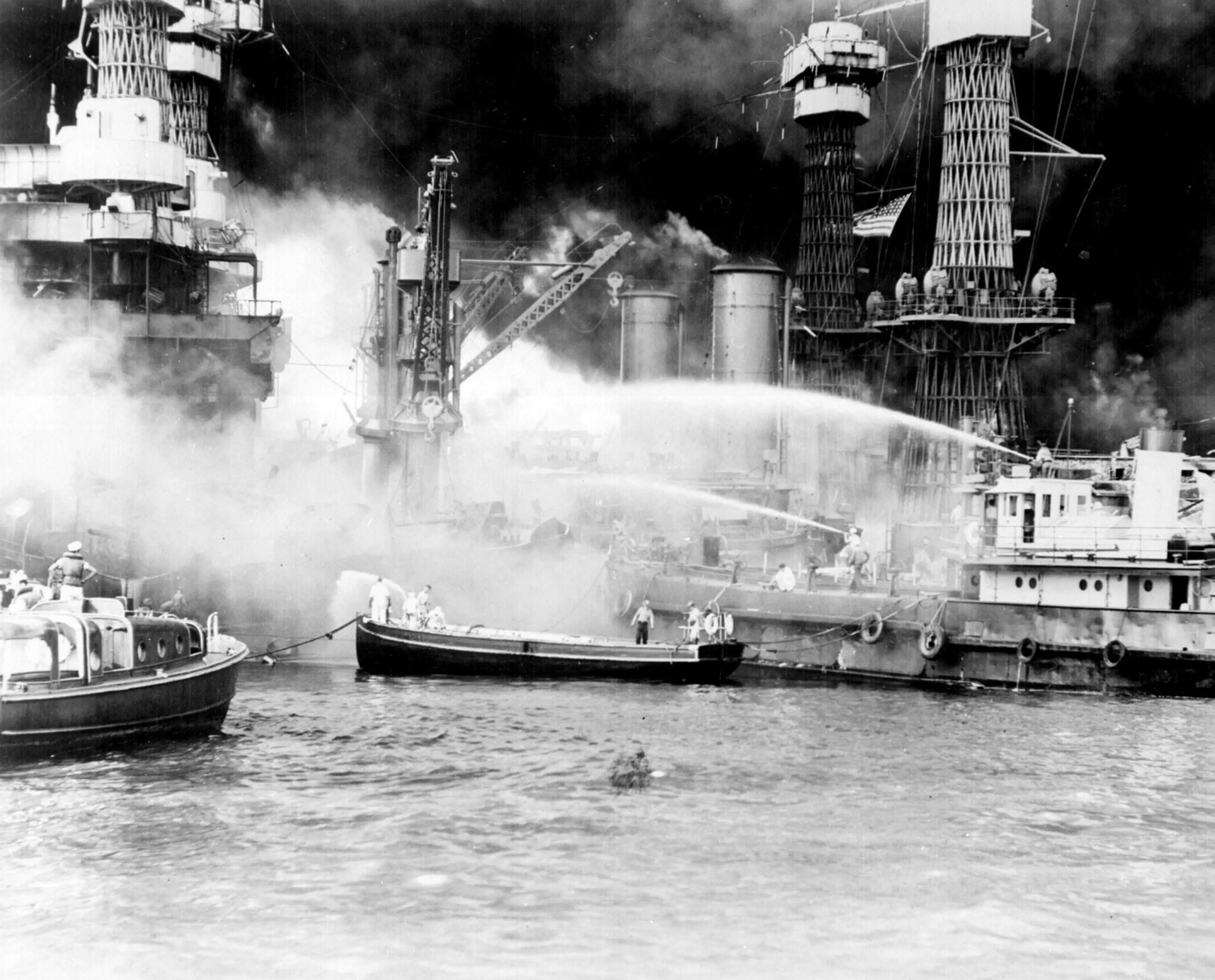
Perhaps unsurprisingly, President Trump's meeting with Japanese PM Sanae Takaichi saw a number of awkward moments unfold before the world's press, including a hair-raising joke about Japan's bombing of Pearl Harbor during World War 2.
Soon after, the president's attention turning to America's allies in Europe, who in recent days have refused his call to join the war the US and Israel are in against Iran.
Trump said Japan was 'stepping up to the plate' with a supposed intention to assist in the Strait of Hormuz, although no details of how the Asian country, dependent on Iranian oil exports, would be doing so.
Advert
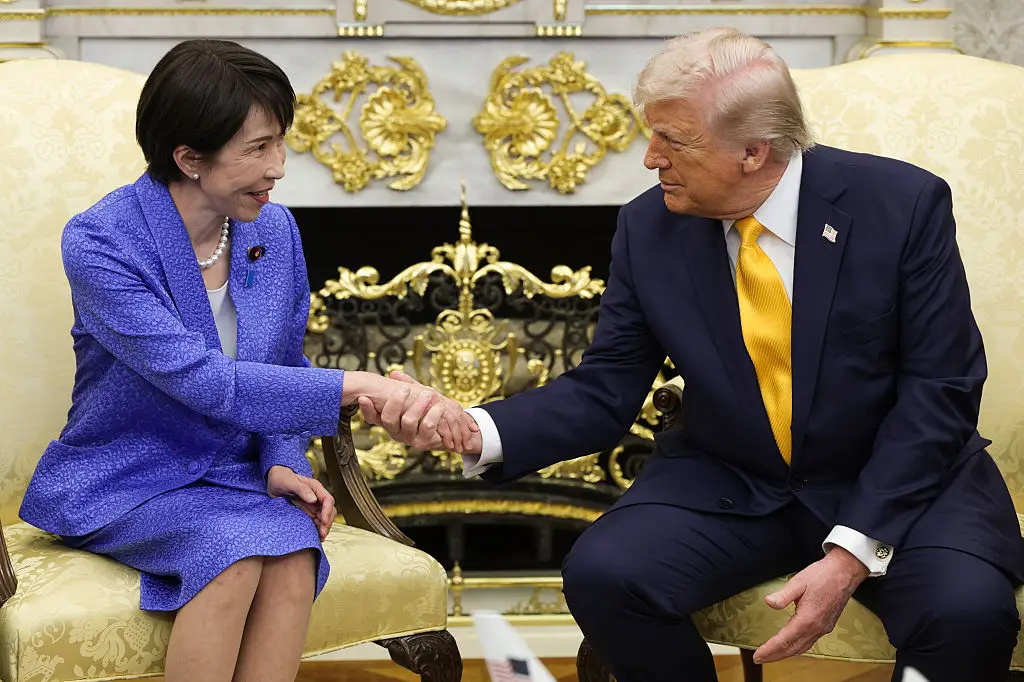
However, he praised Japan's willingness to work with him by saying it was 'unlike NATO's response, with all of the defensive alliance choosing to stay out of the offensive war launched by Israel and the White House.
These comments were soon proven wrong, with the UK, France, Germany, Italy, the Netherlands, and Japan issuing a joint statement yesterday confirming their 'readiness to contribute to appropriate efforts to ensure safe passage through the [Hormuz] Strait'.
In another moment during their long-winded public meeting, the president even hinted at putting boots on the ground... well, kind of.
He said: "I'm not putting troops anywhere - and if I was, I wouldn't tell you."
He then once again attempted to diminish the scale of the continued attack on Iran, calling the war an 'excursion' that he claimed would be 'over very soon'.
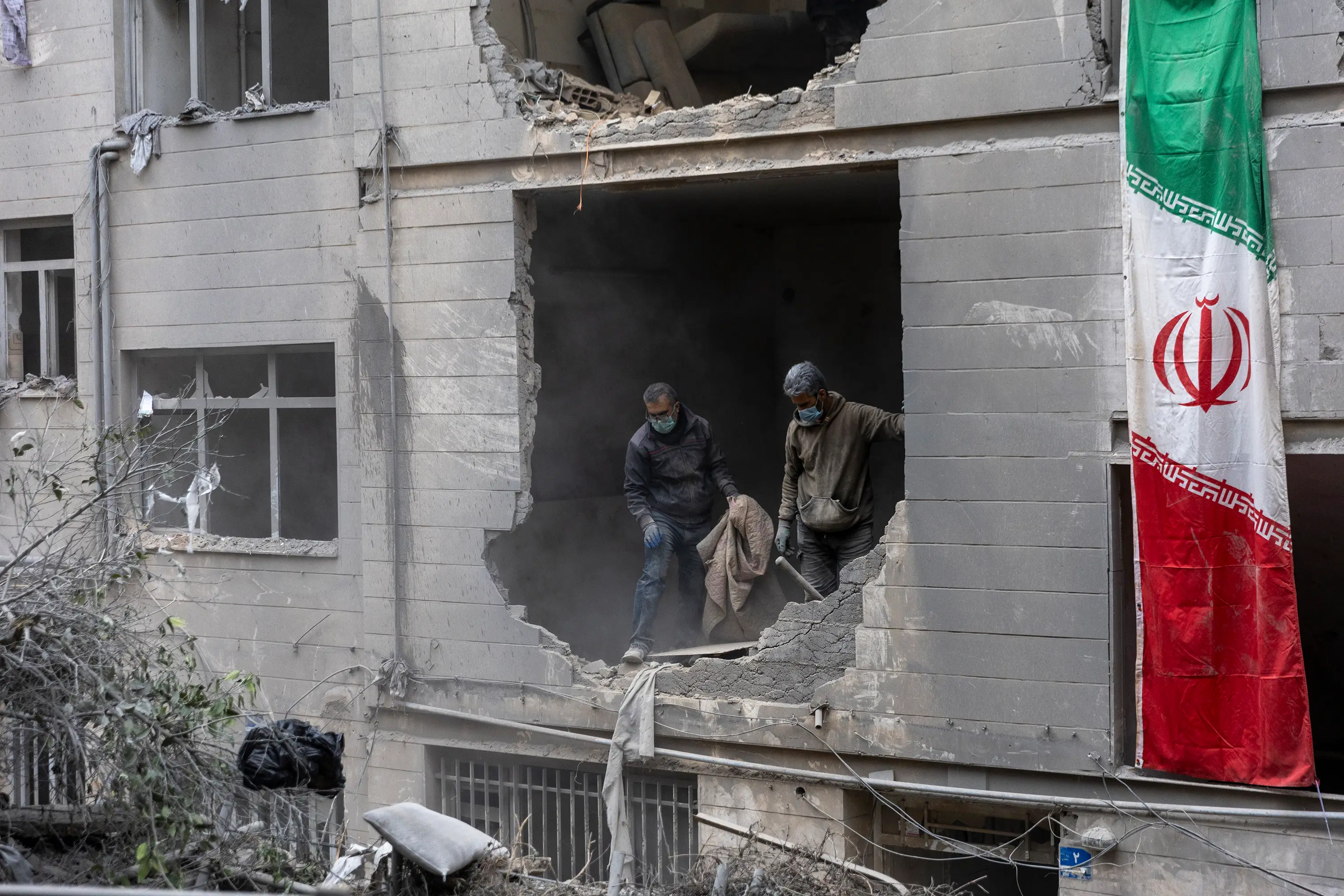
Although there were unconfirmed reports of two $110 million F-35 jets being hit by Iranian anti-air defenses yesterday, and Iran continues to attack vital energy infrastructure across the Middle East, Trump went on to claim that the war was basically already over.
He said: "Their navy is gone, their air force is gone, their anti-aircraft equipment is gone, we're flying wherever we want... their leadership is gone.
"I had to take this little excursion and do something that no other president had the courage to do."
What is Trump doing about soaring crude oil prices?
As the US' war against Iran rages on in the Middle East, President Donald Trump has put in place some measures in an attempt to curb the rising crude oil prices, which is having an astronomical effect on citizens.
After Iran blocked the Strait of Hormuz - one of the world's busiest oil shipping channels that sees significant volumes of natural gas, crude oil, and tons of critical materials for fertilizers and other petroleum products pass through - energy markets have been sent into turmoil.
Iranian attacks on several energy facilities across the Middle East have sent the prices of crude oil in the US skyrocketing, with West Texas Intermediate (WTI) trading around $95–$98 per barrel. These prices have surged around 50 percent since the Iran war began, Trading Economics reports.
US citizens are feeling an incredible knock-on effect as a result of these price hikes, with the costs of energy, gasoline and everyday necessities such as groceries increasing at an alarming rate. So, what is the president doing about this growing issue?
Waiving the Jones Act
The Jones Act requires that goods moved between US ports be moved on US-flagged vessels, therefore prohibiting foreign vessels from transporting oil and gas between these ports.
The Trump administration approved a 60-day waiver of the Jones Act this week in a bid to increase the number of oil and gas tankers calling at US ports.
Releasing 40% of crude oil reserves
Trump announced that he would release 172 million barrels of crude oil reserves to comply with the agreement reached with some 30 member countries of the International Energy Agency (IEA), which agreed to release 400 million barrels.
The process will take approximately 120 days, and would constitute a drop of more than 40 percent of the US' energy backstop and leave the reserve at levels not seen since the early 1980s, Yahoo! Finance reports.
Waiving Russian sanctions
Without specifying which ones, Trump announced during an event in Florida earlier this month: "We’re waiving certain oil-related sanctions to reduce prices."
US Treasury Secretary Scott Bessent said this 'short-term measure' was aimed at promoting 'stability in global energy markets', the BBC reports.
Topics: Donald Trump, Japan
 William Morgan