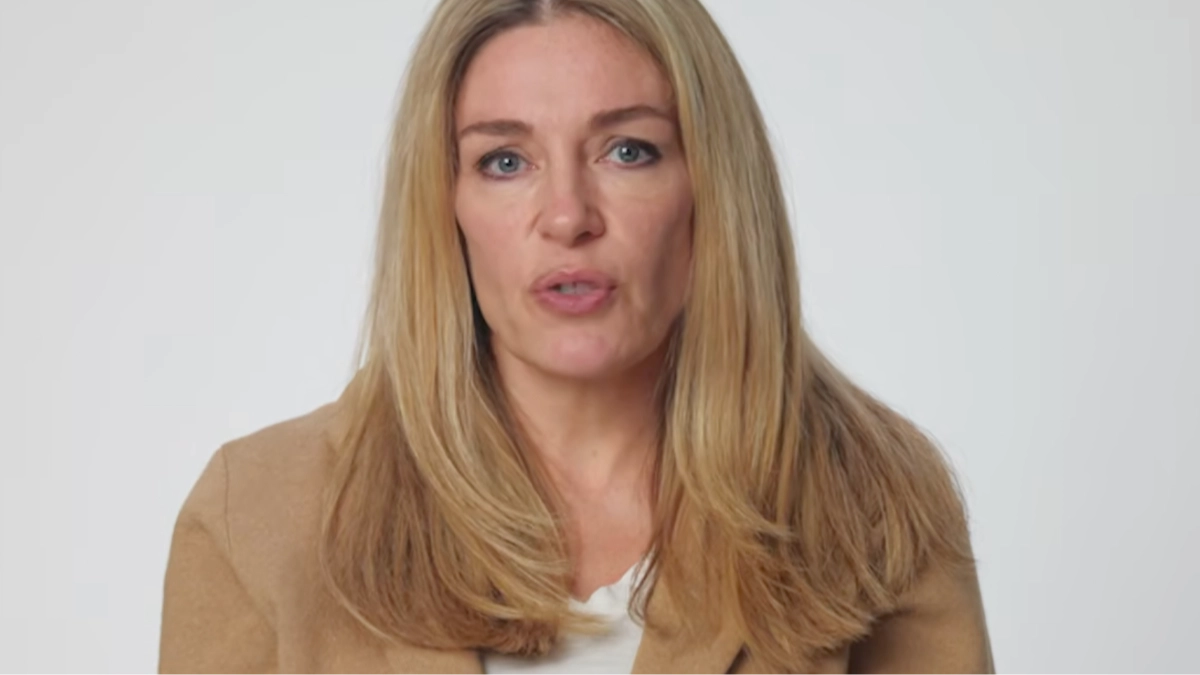
Professor breaks down the key difference between psychopaths and sociopaths

The words psychopath and sociopath get used simultaneously so often in movies, TV shows, that a lot of people assume they mean exactly the same thing.
You're probably guilty yourself of once describing an irate teacher as a psychopath while also calling them a sociopath. However, the two are not interchangeable.
Professor Abigail Marsh believes a lot of the confusion comes from the fact that pop culture has run with one of the terms far more than science ever has.
The key difference, she explained, is that psychopathy is a recognized scientific and clinical term, while sociopathy is not.
Advert
"I get asked a lot, what's the difference between the term psychopath and sociopath?" Marsh said. "The main difference is that the term psychopath or psychopathy is a scientific and clinical term, and the term sociopath or sociopathy is not."

In other words, psychopathy has a defined place in research, while sociopathy does not.
Marsh said the word sociopath has stuck around because people seem to like it, even though there is no agreed scientific definition for it and no official checklist of traits that make someone one.
She explained that the term is often loosely used to describe a person with antisocial personality disorder, which is listed in the DSM-5 - the manual used by mental health professionals to diagnose psychiatric conditions.
Even then, she made clear that antisocial personality disorder is not exactly the same thing as psychopathy.
While the two overlap, psychopathy is more focused on personality traits and emotional deficits, while antisocial personality disorder is more centered on outward behavior - especially repeated criminal or rule-breaking actions.
That means a person can show psychopathic traits without necessarily becoming a criminal, which is one of the biggest misconceptions people tend to have.

She explained: "People associate the term psychopath was the old idea of like the bad seed people who were just born bad, which seems I think needlessly pejorative. And for a while, the term sociopath caught on maybe 40 or 50 years ago because beliefs about the origins of antisocial personality traits changed.
"For a while people assumed that all antisocial personality traits were the result of social experiences. So you would develop these traits not because you were a bad seed, but because you would've been exposed to abuse or maltreatment or trauma.
"The term sociopath is sometimes used to signify that origin of anti-social behavior. Now we know it's a lot more complicated."
She also pushed back on several other myths, including the idea that psychopathy only affects men, always leads to violence, or cannot be treated.
According to Marsh, some people with psychopathy can benefit from therapy and medication, especially if they begin to recognize how their behavior harms both themselves and others.
So while the two words are often used like they are interchangeable, Marsh’s point was pretty simple - psychopathy is the accepted scientific term, while sociopathy is mostly a pop culture label that has lingered.
Topics: Psychology, Mental Health
 Joe Yates