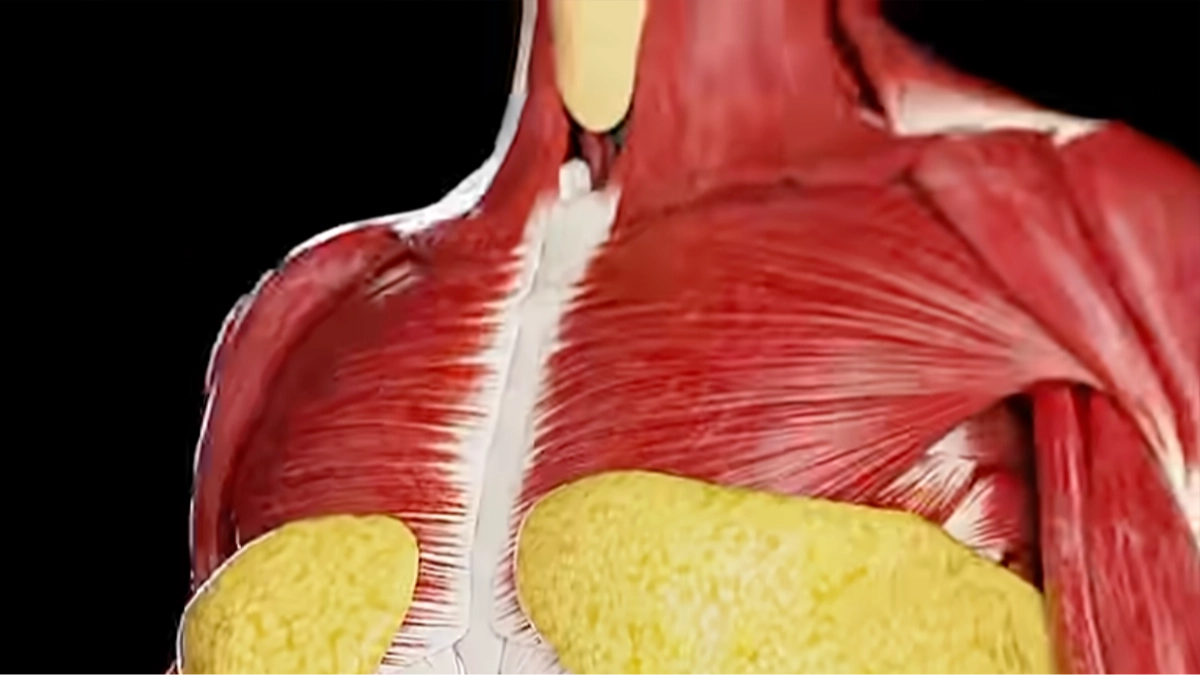
Eye-opening simulation shows exactly what happens to your body when you fast for 24 hours

A viral video is showing people exactly what happens to the body over 24 hours of fasting - and the changes start much sooner than you'd expect.
Muslims all around the world are nearing closer to the end of Ramadan, with Eid al-Fitr expected to begin next Thursday, and those practicing Islam will know better than anyone the value of fasting.
But while Muslims fast from dawn to sunset - to worship, practice self-discipline, remember the Quran’s revelation, and deepen empathy, gratitude, and spiritual reflection - during Islam’s holiest month, there are others who do so simply for health benefits.
Fasting for a full day has become one of those health trends that keeps circling back online, especially as intermittent fasting remains popular with people trying to lose weight, improve metabolic health, or simply feel more in control of their eating habits.
Advert
A widely shared simulation breaks the 24-hour process into stages, showing your body switching fuel sources and making internal adjustments as the hours pass.

The basic idea is simple enough: once you stop eating, your body keeps running by using the energy it already has stored. But doctors say fasting is not some magic shortcut, and it is definitely not something everyone should try without thinking it through first.
Cleveland Clinic says intermittent fasting may help some people with weight loss, blood pressure, and insulin resistance, but it is not a cure-all and still depends on overall nutrition.
Meanwhile, Johns Hopkins Medicine also notes that intermittent fasting is more about when you eat than what you eat, and any benefits still sit alongside the bigger picture of diet and lifestyle.
So, what happens inside the body during a 24-hour fast?
Four hours of fasting
A simulation from GrowFit Health on YouTube revealed that you may feel a little hungry as your body stops digesting food, causing your insulin levels to drop - and this happens within just the opening four hours.
Shortly after, your body will then start burning stored sugar as an energy source, starting the first of several processes.
Eight hours of fasting
After eight hours of fasting, blood sugar levels start to run low, so your body resorts to using glycogen from storage as energy.
This is when people will start to notice a difference in the way they are feeling, despite only being a third of the way into the fast.
12 hours of fasting
12 hours into the fast, the simulation video detailed that your body enters mini-ketosis mode, which is where the body produces and uses ketone bodies, essentially turning fat into fuel.
And while you would have likely experienced excessive hunger previously, Healthline explains such science going on at 12 hours can result in decreased appetite and weight loss, but also fatigue.
Play
16 hours of fasting
16 hours in is when things change considerably as autophagy begins and your body begins to consume its own tissue, by recycling and breaking down damaged cells and toxins.
Such activity provides plenty of health benefits, like getting rid of nonfunctional cell parts, and even removing viruses and bacteria, according to Cleveland Clinic.
24 hours of fasting
Getting to 24 hours of no food sees the 'deep repair' mode take place, as fat basically becomes your main fuel.
Inflammation in the body also decreases as your sensitivity to insulin improves, in what is said to provide long-term health benefits.
Topics: Health, Weight loss
 Joe Yates