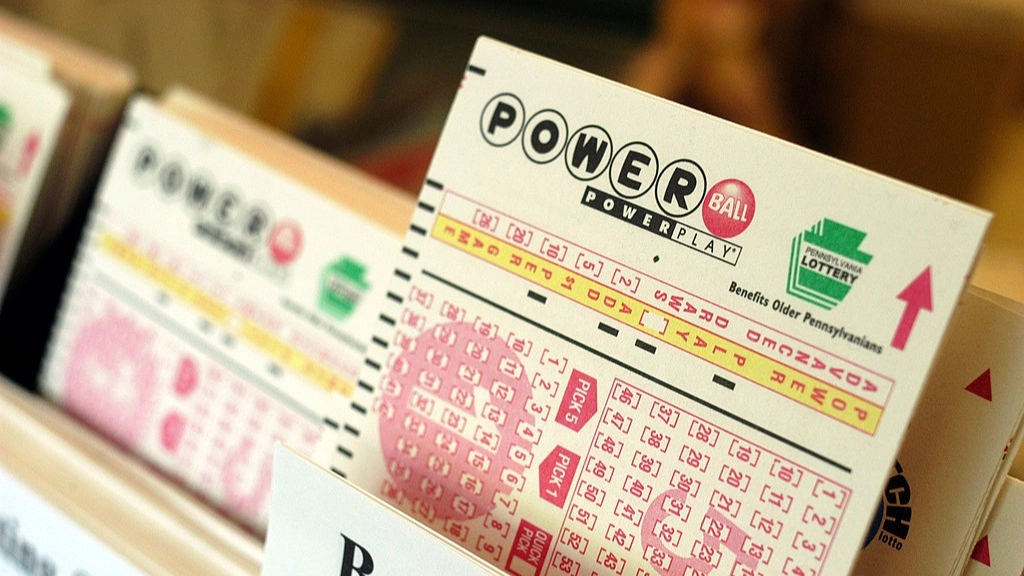
What happens if no one claims lottery winnings as Powerball nears $1,000,000,000 jackpot

The Powerball jackpot is almost at $1 billion after going 40 consecutive games without finding a winner.
The odds may be one in 292 million, but the $930 million jackpot could be won by any ticketholder in one of the 45 states where they're sold.
They include Washington D.C., Puerto Rico and the US Virgin Islands. Yet nobody has scored all six lucky numbers needed to scoop the top prize in 13 weeks.
Numbers are drawn on Mondays, Wednesdays and Saturdays. The next draw takes place on Wednesday (December 10) at 10.59pm. If nobody wins that, the next chance to play will be Saturday (December 13).
Advert
Back in September, the game's last two lucky players in Missouri and Texas respectively split the $1.787 billion prize. Not bad! But taxes do play a part...
What happens when a Powerball Grand Prize goes unclaimed?
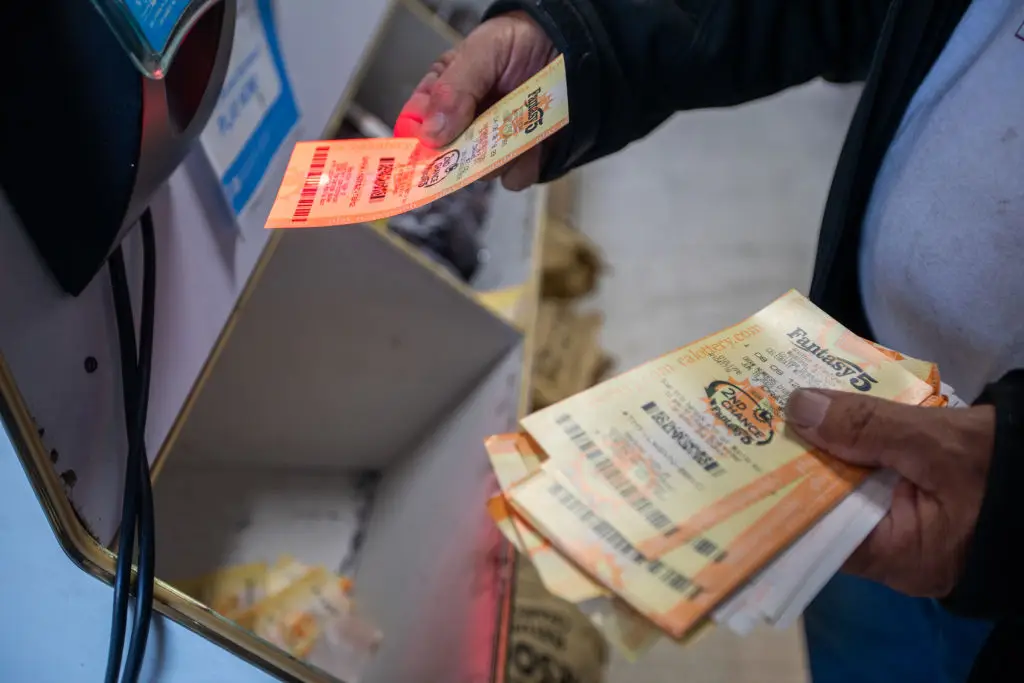
Powerball states that if no one claims the Grand Prize, all the money that was pooled for that jackpot gets sent back to each participating lottery, based on how many tickets they sold.
Each lottery then decides what to do with its share, according to local laws.
They might put it toward other lottery games, return it to the state’s general fund, or use it in another way.
Other smaller unclaimed prizes don’t get returned. Instead, they stay with the lottery in the state or jurisdiction where the winning ticket was sold, again to be used according to that area’s rules.
How much could Wednesday night's Powerball winner receive?

The total prize pot might have grown to a staggering $930m, but that isn't necessarily the amount the hypothetical Grand Prize winner would walk away with on Wednesday.
All Powerball winnings are treated as taxable income in the US and the lottery automatically withholds 24 percent federal tax on any prize exceeding $5,000.
However, a jackpot winner is pushed into the highest federal tax bracket, which is 37 percent, and so will owe additional tax when they file their return.
Most states also charge their own income tax on lottery winnings – some as high as 10 to 11 percent.
Yet others, like Florida or Texas, charge no state tax at all.
It also depends on whether the winner chooses to take the cash as a lump sum or have it paid out across 30 years.
If you take the lump sum
A $930m jackpot is typically reduced to a cash option worth about 55 to 60 percent the advertized amount.
That would come out to approximately $430–$460 million pre-tax.
After the automatic 24 percent withholding and the remaining federal tax owed, up to 37 percent, a winner in a no-tax state would likely walk away with about $260–$290 million, if the full jackpot were taken as cash.
State taxes could reduce this by tens of millions depending on where the winner lives.
If you take the 30-year annuity
With the annuity option, the full $930m is paid out over 30 years.
The payments start smaller and increase each year, at around 5 percent annually.
On average, it means the winner would receive roughly $31 million per year before taxes, though the actual first payment is lower and the final payment is much higher.
Federal tax at 37 percent would reduce that average yearly payout to around $19–$20 million, and state taxes could bring it down further.
Over the full 30 years, after federal taxes alone, the winner might end up with roughly $570–$600 million in total.
 Ellie Kemp