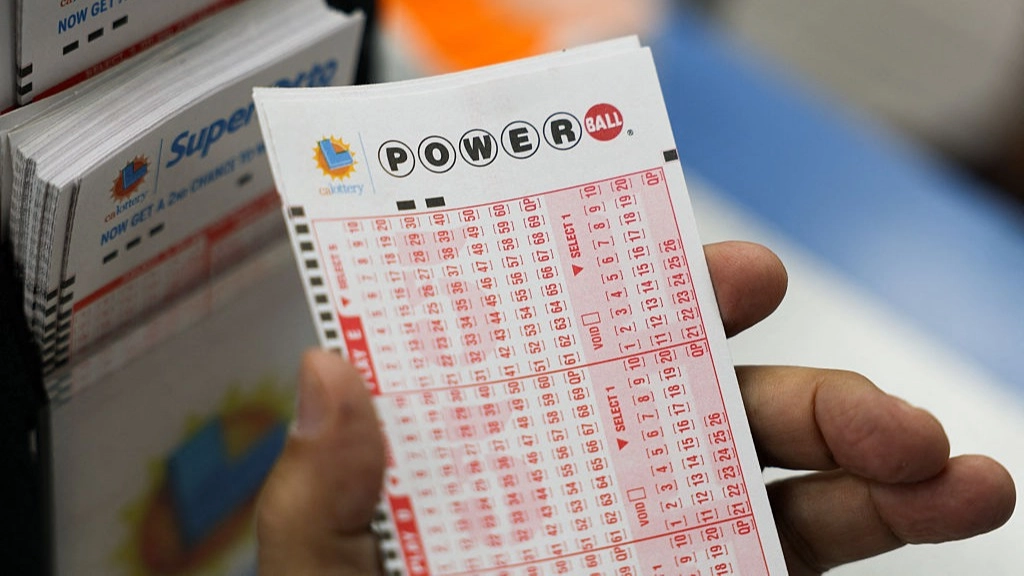
Why five US states don't sell lottery tickets as Powerball reaches $1,000,000,000 jackpot

People living in these US states stand no chance of winning the $1 billion Powerball jackpot this week.
The lottery prize pot stood at a whopping $930 million ahead of Wednesday night's draw (December 10). While three lucky winners each cinched $1 million, no one matched all six required numbers to claim the entire thing.
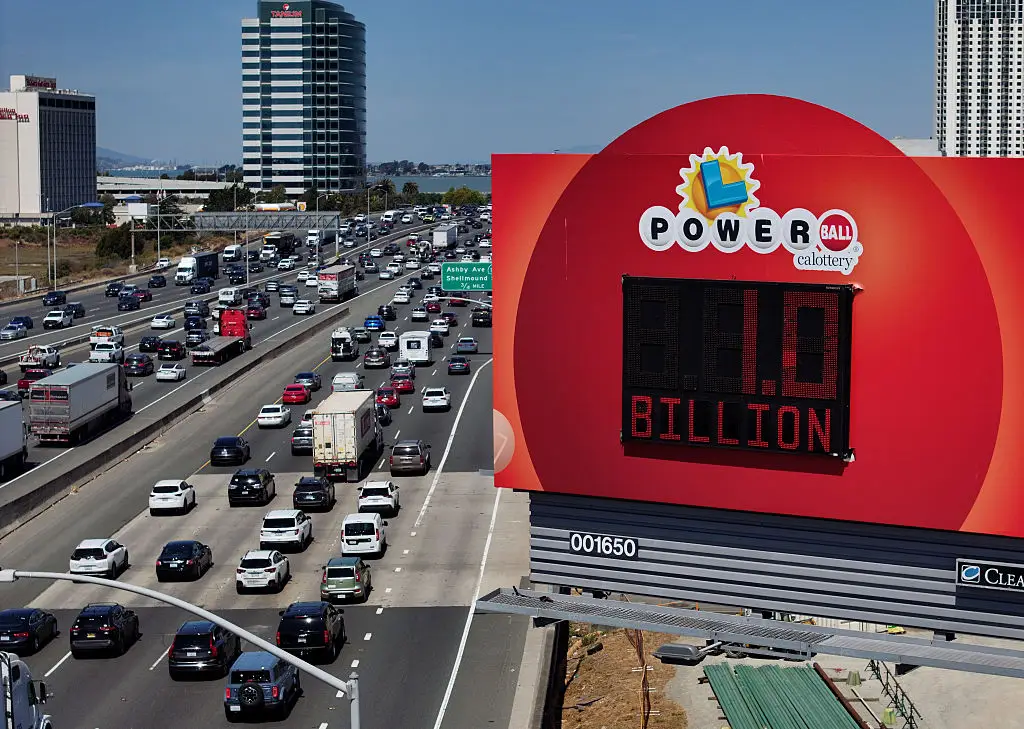
Now, the grand prize for Saturday's upcoming draw (December 13) stands at $1 billion.
The Powerball jackpot was last won in September, when two players in Missouri and Texas split the $1.787 billion prize. Although, once you factor in taxes, they'll have walked away with much less than $893.5 million each.
Advert
So they're well overdue a grand prize winner.
But if you're from any of five particular US states, then it most definitely will not be you. That's because the lottery has been banned in those areas.
It's currently played in 45 states, as well as Washington D.C., Puerto Rico and the US Virgin Islands. But those living in Alabama, Alaska, Hawaii, Nevada or Utah will need to travel elsewhere to buy a ticket.
Why is the lottery banned in five US states?
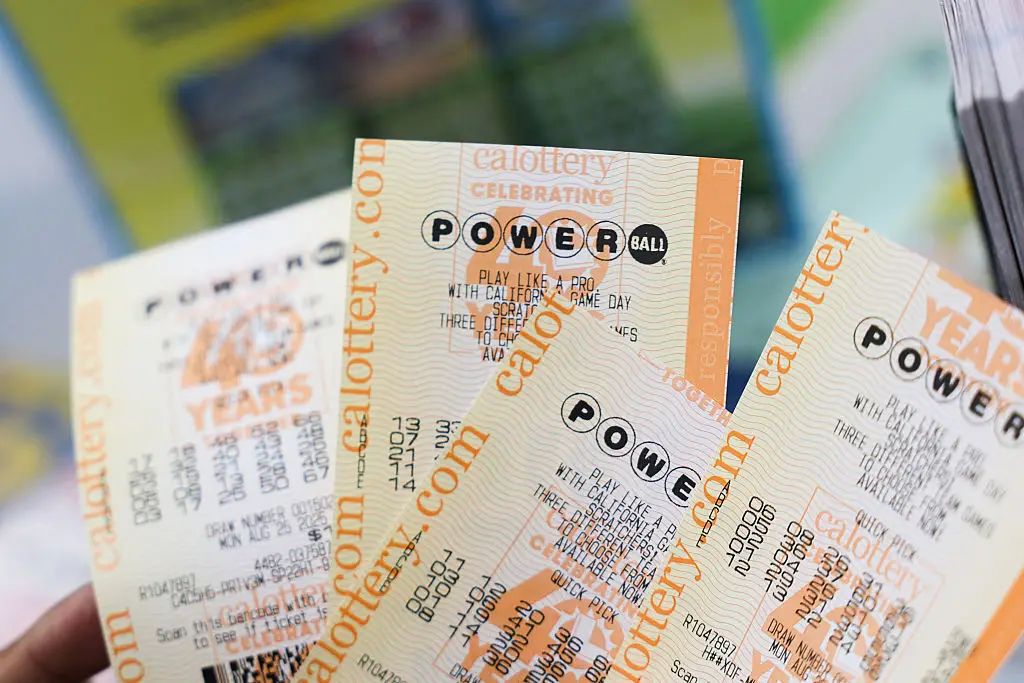
Each states have their own reasons for banning the lottery.
But first, it's important to know how and why the lottery runs.
Modern US state lotteries began in 1964, with New Hampshire launching the first one.
Between the 1970s and 1990s, other states followed, with Mississippi becoming the most recent to join in 2019.
Simply put, states introduce lotteries because they're an easy way to bring in extra revenue without raising taxes.
Politicians can say they’re funding schools, parks or scholarships without raising taxes. So, while they’re marketed as harmless entertainment, states rely heavily on the money people spend - especially from frequent players.
The home of Las Vegas, Nevada, then, doesn't want the extra competition.
Big casinos, like MGM Grand and the Mirage, dominate politics and don’t want a government-run lottery competing with their gambling profits.
And as the state already earns plenty of tax revenue from casinos, lawmakers don’t feel pressure to add a lottery.
In Alabama and Utah, the concept of lotteries face strong religious resistance. Conservative Christian churches in the former and the Mormon Latter-day Saints in the latter oppose gambling and have repeatedly blocked attempts at introducing a lottery. Yet those wanting to play the lottery can simply travel to a neighboring state to do so.
This creates more revenue for those states.
People living in isolated Alaska or Hawaii are unable to visit a lottery-participating state so easily.
In Hawaii, political leaders are concerned that a lottery or gambling industry would attract the 'wrong crowd' and hurt the state’s family-friendly tourism appeal. A longtime political leader, Senator Daniel Inouye, strongly opposed gambling for this reason. Yet the state's anti-gambling stance remains strong even after his death.
Meanwhile, Alaska simply doesn't need the money. The state makes a huge revenue from oil, meaning they have a pretty comfortable state budget. So, a bit like Nevada, there's no real urgency to introduce a lottery.
So there you have it!
 Ellie Kemp