Scientists detect toxic airborne chemical in US for the first time sparking concerns

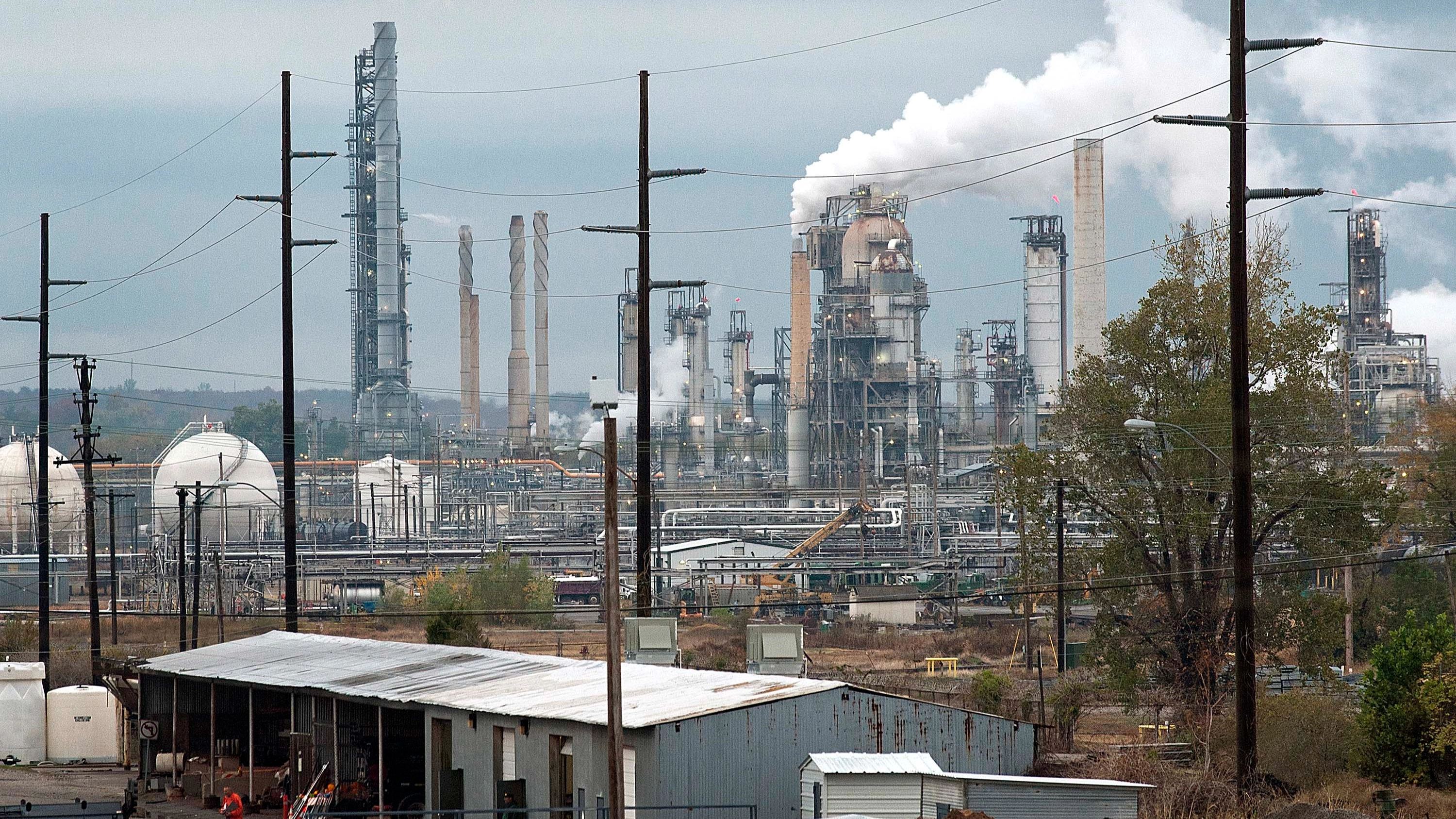
Harmful toxins have been discovered in the Western Hemisphere for the first time, an Oklahoma-based study has revealed.
The University of Colorado Boulder has been carrying out field study in Oklahoma looking into how tiny airborne particles form and evolve, but the research team ended up finding more than they'd bargained for.
During their investigations, they detected Medium Chain Chlorinated Paraffins (MCCPs) – a type of toxic, organic pollutant.
MCCPs have been found in places like Asia and Antartica before, but not in parts of the Western Hemisphere such as the US.
Advert
A 2018 review of MCCPs found that the pollutant is toxic to the aquatic environment, that MCCP concentrations in sediment close to local sources exceed toxicity thresholds, and that available time trends for MCCPs in soil, biota, and most of the sediment cores show increasing time trends over the last years to decades (meaning there's more of it now than before).
With the increasing number of MCCPs in mind, it's been suggested that the pollutant should be evaluated for possible regulation under the Stockholm Convention. The global treaty came into force in 2004 and is designed to protect human health and the environment from persistent organic pollutants (POPs).
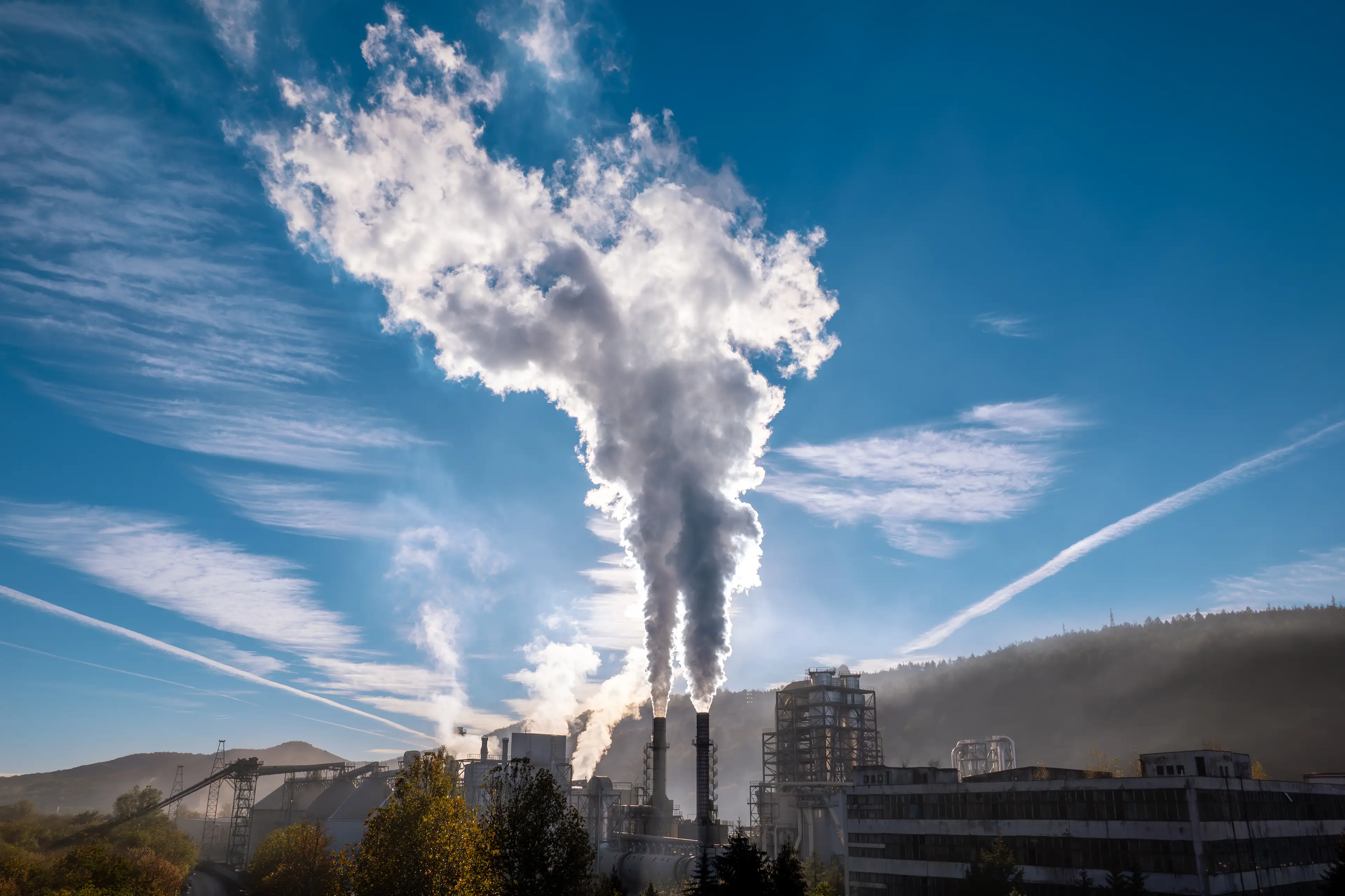
MCCPs are often used in industrial processes, including metalworking fluids and the production of PVC and textiles, says ScienceDaily.
For example, the chemicals are used by the aerospace and defence industry in things like aircraft carpet tapes, cargo liner tapes, tamper proof putties, pinhole fillers, urethane adhesives, and in adhesives, sealants and coatings, the UK Government states.
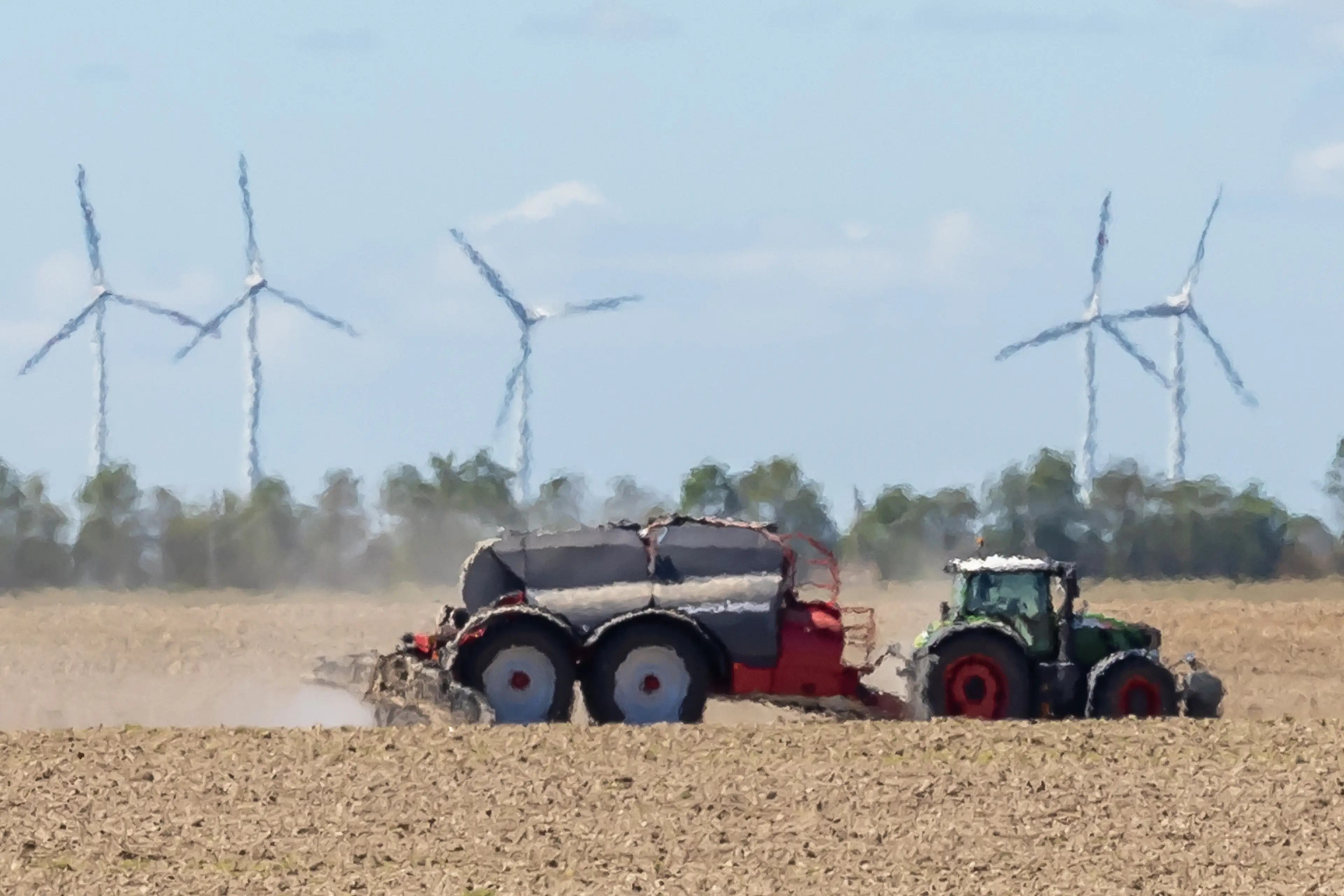
Apparently the chemicals can often be found in wastewater and can end up in biosolid fertilizer, also called sewage sludge. In this instance, it's suspected that the MCCPs discovered in Oklahoma have some from fields that have used biosolid fertilizer nearby to where the study was conducted.

Daniel Katz, CU Boulder chemistry PhD student and lead author of the study, told ScienceDaily: "When sewage sludges are spread across the fields, those toxic compounds could be released into the air.
"We can't show directly that that's happening, but we think it's a reasonable way that they could be winding up in the air. Sewage sludge fertilizers have been shown to release similar compounds."
He went on to say of their findings: "It's very exciting as a scientist to find something unexpected like this that we weren't looking for.
"We're starting to learn more about this toxic, organic pollutant that we know is out there, and which we need to understand better."
It's suspected that the increased number of MCCPs comes after short-chain chlorinated paraffins (SCCPs) started being regulated as part of the Stockholm Convention, so companies started using MCCPs as an alternative.
Exposure to SCCPs can lead to metabolic disorder and organ damage, including liver and kidney toxicity, and an increased risk of cancer — and there are now fears that MCCPs may do the same.
But there needs to be more investigations into the MCCPs that have been found in the US, says Katz.
"We still don't know exactly what they do when they are in the atmosphere, and they need to be investigated further," he said.
"I think it's important that we continue to have governmental agencies that are capable of evaluating the science and regulating these chemicals as necessary for public health and safety."
Topics: Environment, Oklahoma, Science, Health, US News
 Niamh Shackleton