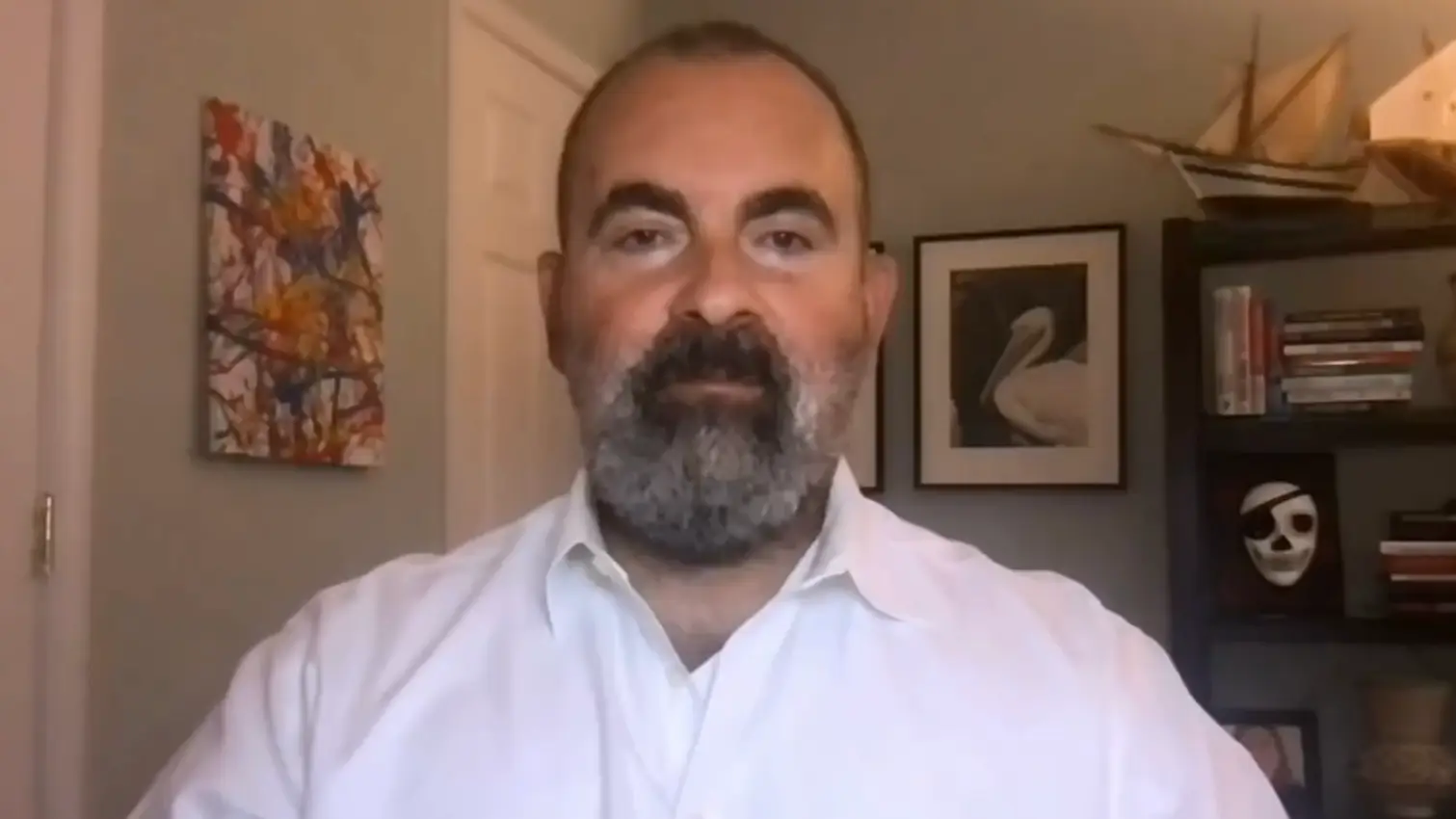
Bizarre symptoms of Havana Syndrome explained by former CIA officer as government launches probe into condition

A former CIA worker has revealed the debilitating impacts of Havana Syndrome, an unusual phenomenon reported in thousands of US diplomats.
Also known as anomalous health incidents (AHIs), the condition first emerged in Cuba in 2016, and by the end of the following year, similar incidents had been reported worldwide in Russia, China, Australia and Colombia, among other locations.
While not classified as a legitimate health issue, the US government has launched another probe into the origin of the mysterious condition.
Previously, after many pointed the finger at Russia, FBI investigations concluded the majority of the cases were 'unlikely' to be caused by a foreign opposition
Advert
Another inquiry concluded Havana Syndrome was 'a mass psychogenic illness.'
But most recently, the Defense Department has reportedly spent a year testing a device secretly purchased by Homeland Security Investigations that some officials believe could be linked to the syndrome, CNN reports.
The device, which costs 'eight figures,' emits pulsed radio waves and contains Russian components, though is not entirely Russian-made.
It's portable enough to fit in a backpack, however, raising concerns about how such technology could be used in secret.
While the device is still under investigation and its connection to the unexplained illnesses remains disputed within the government, the update has reignited debate over whether Havana Syndrome could be caused by an energy weapon.
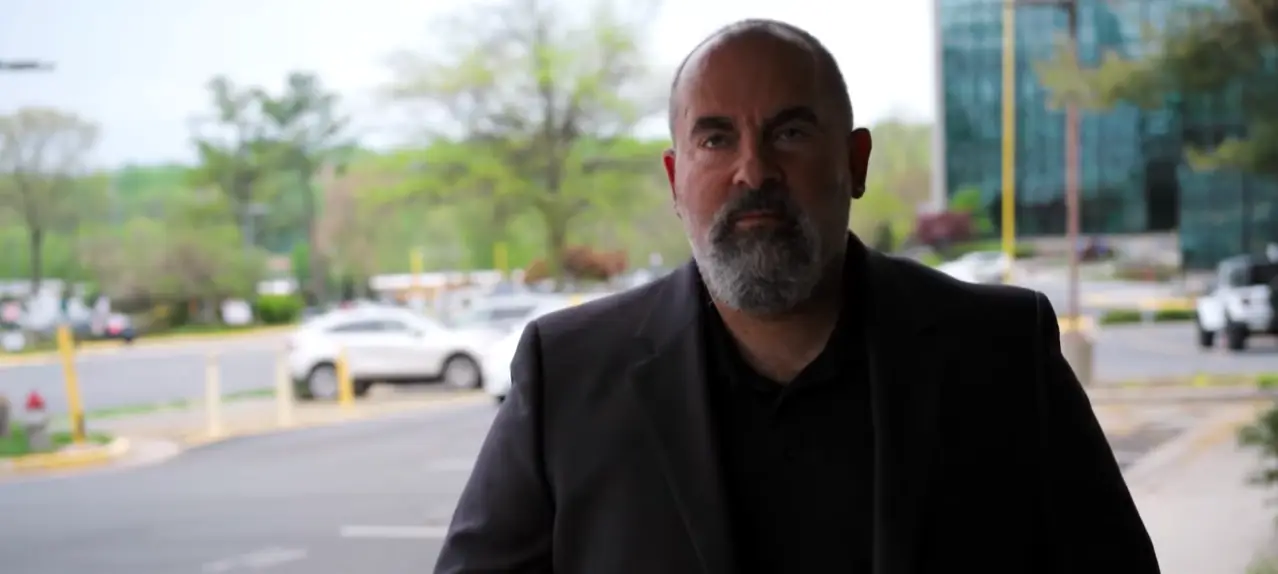
Malicious or not, thousands of people have been impacted by the illness, with Marc Polymeropoulos, a former CIA worker of 26 years, speaking out about his unnerving experience in a 2024 essay for The Insider.
The Intelligence Service officer had previously worked in Iraq and Afghanistan, but it was on his first business trip to Moscow, Russia, in December 2017 that he fell 'violently ill.'

Polymeropoulos awoke with 'a start' in the middle of the night while staying at a five-star hotel.
"The room was spinning, the vertigo would not stop, and I had tinnitus — terrible ringing in my ears," he explained.
"I could not get up without falling to the floor. I felt like I was going to throw up and pass out at the same time. It was terrifying, and I was in serious distress."
While the dizziness eventually subsided, he suffered 'another terrible episode' at a 'famed Moscow restaurant known to the Russian elite' days later.
"I spent almost the entirety of the final 36 hours of the trip holed up in my Moscow hotel room wondering what the hell was wrong with me," he recalled.
After flying home, he began a long journey of trying to unpick exactly what it was - his debilitating headaches continued 24/7 and he still suffered a chronic pain that 'became his life'.

By April 2018, Polymeropoulos had developed brain fog and long-distance vision problems so severe he couldn't drive at times, and his health issues left him depressed and so anxious he struggled to sleep and eat.
He later suffered insomnia and severe sleep apnea, where breathing stops and starts while sleeping.
After years of seeking care, Polymeropoulos was formally diagnosed at Walter Reed National Military Medical Center’s National Intrepid Center of Excellence (NICoE) with mild traumatic brain injury (TBI), severe sleep apnea, anxiety disorder, insomnia, cervical (neck) pain and cervicogenic (originating from the neck) headaches, as well as occipital neuralgia (severe headache).
The Northern Virginia resident says NICoE noted that the mild TBI was caused by an 'external exposure event'.
On the latest reporting that the US government is testing a device possibly linked to Havana Syndrome, Polymeropoulos told CNN: "If the [US government] has indeed uncovered such devices, then the CIA owes all the victims a f**king major and public apology for how we have been treated as pariahs."
Topics: Health, Russia, Technology, US News, World News
 Ellie Kemp