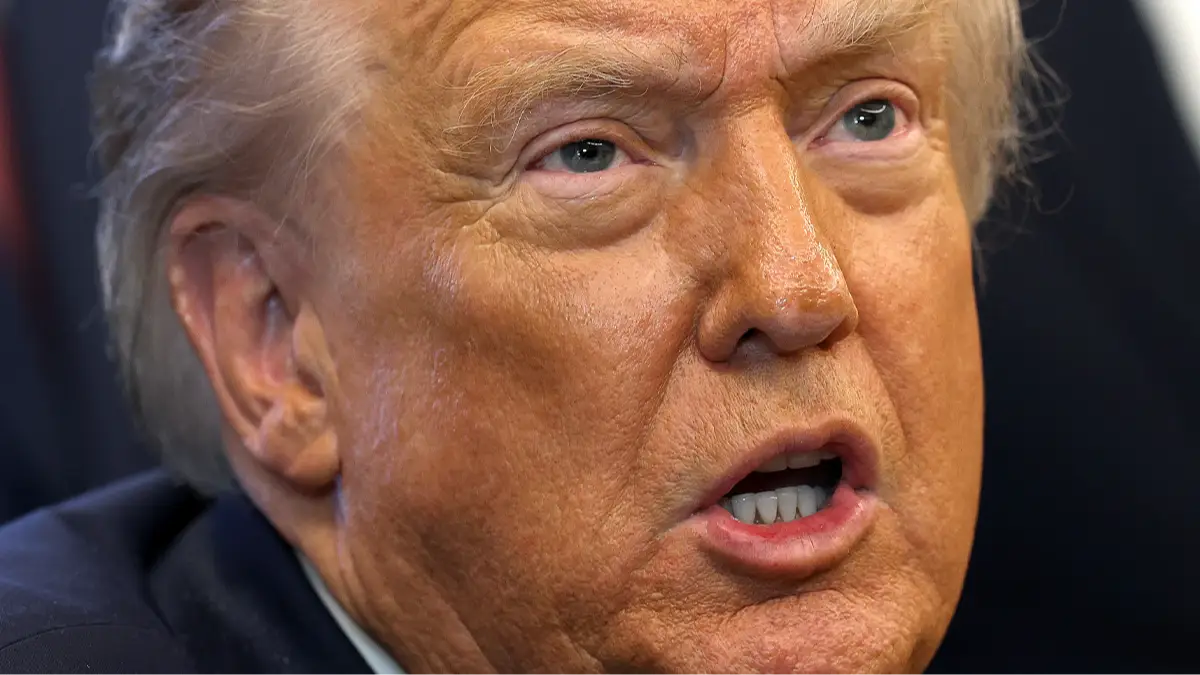
How one specific clause could see Trump named in documents as Epstein file release bill comes into effect

On November 18, both the Senate and Congress voted in favor of releasing the entirety of the Epstein files; however, there are a few clauses before it comes into effect.
Two days ago, a bill proposing the release of all files pertaining to Jeffrey Epstein from the Department of Justice was approved by the US House of Representatives.
The vote was almost unanimous, albeit with only one person voting against it, and now, President Donald Trump has officially signed it after pushing Republicans to vote in favor of its release.
Earlier this month, documents, including emails, were released by the Oversight Committee, which detailed correspondences between Epstein and others, including Ghislaine Maxwell, who is currently serving 20 years behind bars.
Advert
The President was named in some of the emails, though Trump has continuously denied any wrongdoing and maintained that he was unaware of Epstein's crimes.
He also didn't receive or send any of the emails and hasn't been accused of any crime.
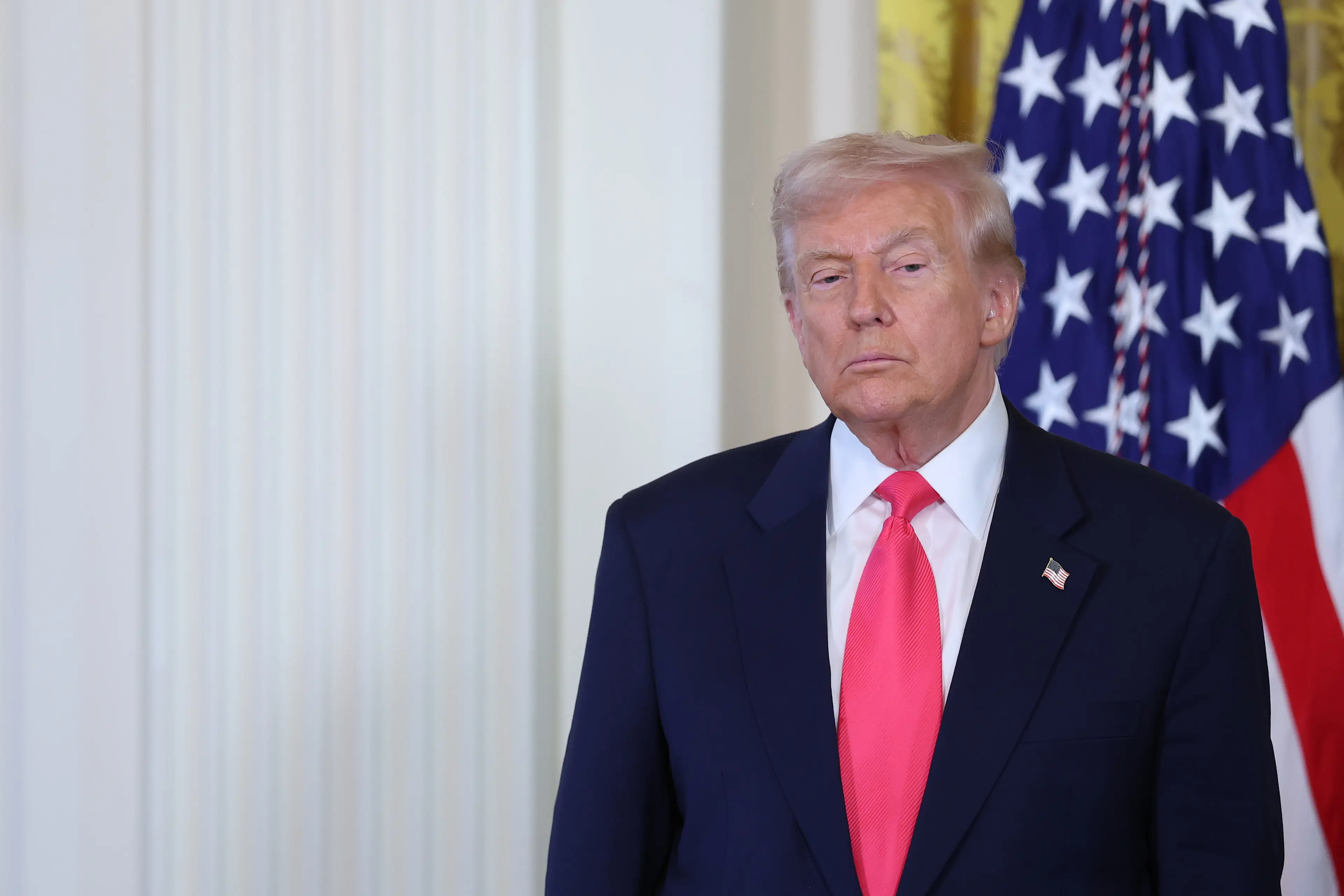
After the emails were released, Trump issued a scathing statement, blaming the Democrats for 'pushing the Epstein Hoax again'.
The White House issued a similar statement, claiming that the Democrats had 'selectively leaked emails to the liberal media to create a fake narrative to smear President Trump'.
Trump addressed his clear intent to sign off on the bill whenever it came to his desk, and on Truth Social, he announced that he had done just that.
"I HAVE JUST SIGNED THE BILL TO RELEASE THE EPSTEIN FILES!" he wrote. "Democrats have used the 'Epstein' issue, which affects them far more than the Republican Party, in order to try and distract from our AMAZING Victories."
The bill includes a few clauses, one of which states that the Department of Justice is unable to remove any information from documents on the basis of 'embarrassment, reputational harm, or political sensitivity, including to any government official, public figure, or foreign dignitary'. If Trump is named in the files, his name could not be redacted for these reasons.
However, the DOJ can also withhold any information that might 'jeopardize an active federal investigation or ongoing prosecution, provided that such withholding is narrowly tailored and temporary'.
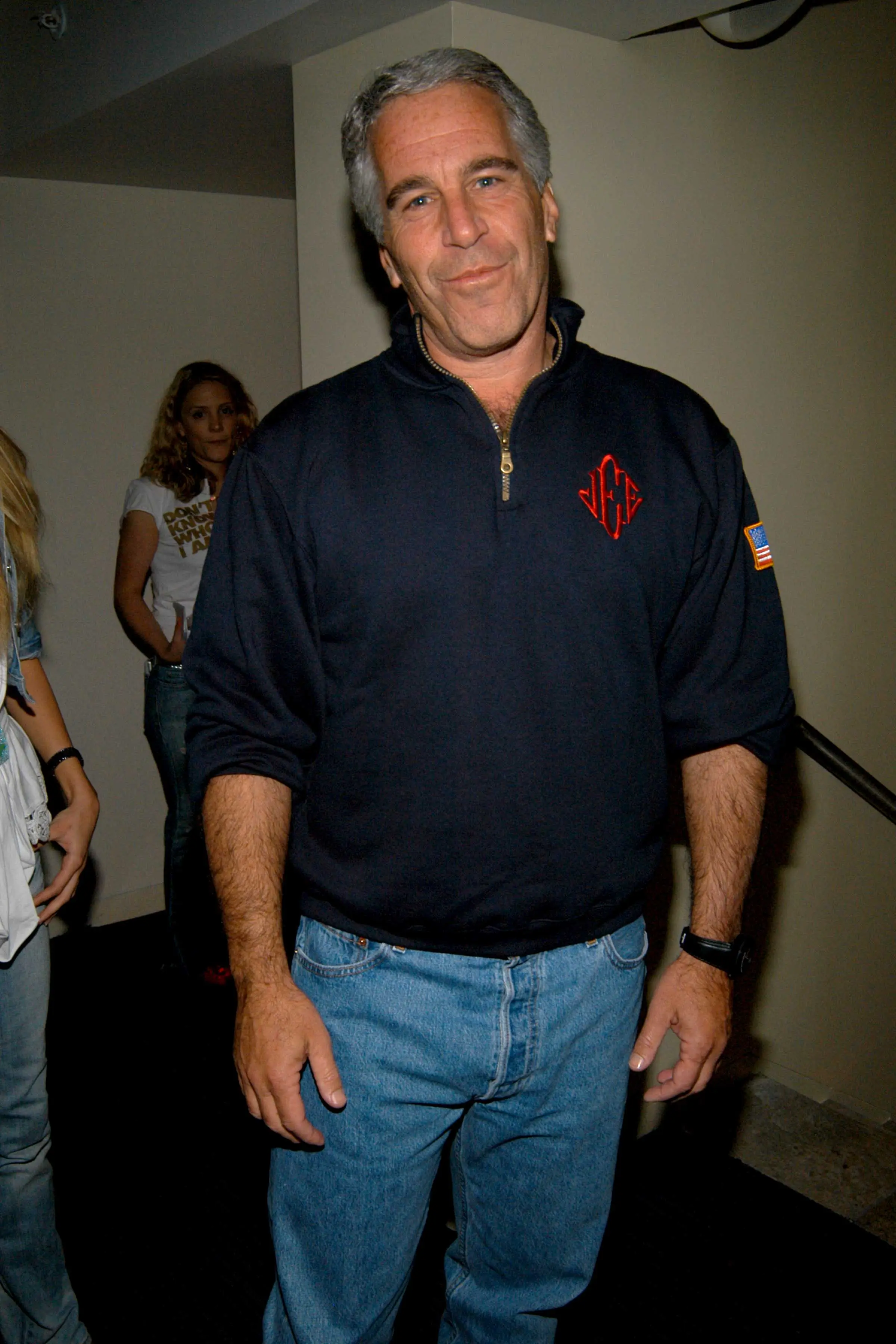
According to ABC News, the exact nature of what the documents entail is still unclear, however. Now that it has been signed, the DOJ has 30 days to release all the documents.
DOJ has previously said evidence includes 'a large volume of images of Epstein, images and videos of victims who are either minors or appear to be minors, and over ten thousand downloaded videos and images of illegal child sex abuse material and other pornography'.
"Only a fraction of this material would have been aired publicly had Epstein gone to trial," the statement released earlier this year said.
They also said that the information was sealed as to 'protect victims and did not expose any additional third-parties to allegations of illegal wrongdoing', adding that a 'systematic review revealed no incriminating 'client list'.
Epstein died by suicide in 2019 while in federal custody after being indicted on charges of alleged sexual trafficking of minors.
If you’ve been affected by any of these issues or want to speak to someone in confidence regarding the welfare of a child, the Childhelp USA National Child Abuse Hotline (1-800-4-A-CHILD (1-800-422-4453) operates 24 hours a day, seven days a week, and receives calls from throughout the United States, Canada, US Virgin Islands, Guam and Puerto Rico.
Topics: Donald Trump, Jeffrey Epstein, US News, Politics
 Callum Jones