Scientist gave octopus MDMA and recorded shocking results

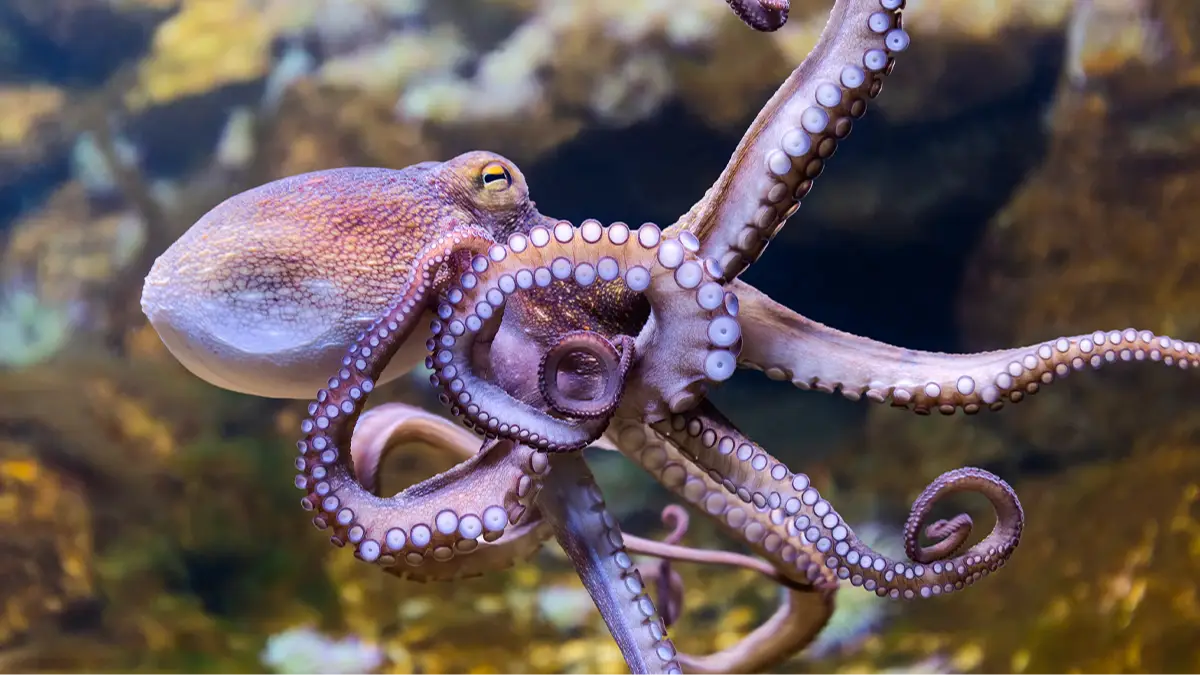
Scientists conducted experiments where they dosed octopuses with MDMA.
The study was originally published in the journal Current Biology, and examined how the recreational drug impacted on the sociability of the animals.
MDMA, also known as ecstasy, is a stimulant which is illegal in many countries, but is still hugely popular.
The drug is commonly associated with the rave scene due to giving users big bursts of energy and a feeling of euphoria
Advert
It works because it binds to transporter proteins in our neurones, and this increases the amount of serotonin, which is what produces those big euphoric feelings, and scientists observed how this affected octopuses.
Octopuses are highly intelligent animals, and the study authors observed how their behaviour changed when they were given MDMA.
Gül Dölen is a neuroscientist at the Johns Hopkins School of Medicine who co-authored the 2018 paper.
“As human beings, we like to know where we came from,” said Dölen.
“MDMA is an amazing tool for studying social behaviors across multiple species.”
So how did the octopuses react to MDMA?
The study looked at California two-spot octopuses, which are normally not a particularly social species, and put two of them in a tank together at the Marine Biological Laboratory in Woods Hole, Massachusetts.
In the tank, one octopus was under a mesh pot which meant that the two could touch and interact, but would not be able to hurt each other.
With the sober octopuses, the free octopus typically spent most of their time on the opposite side of the tank to the one under the pot, which is what the researchers were expecting.
But when they were placed in a tank containing dissolved MDMA, their behaviour saw a marked change.
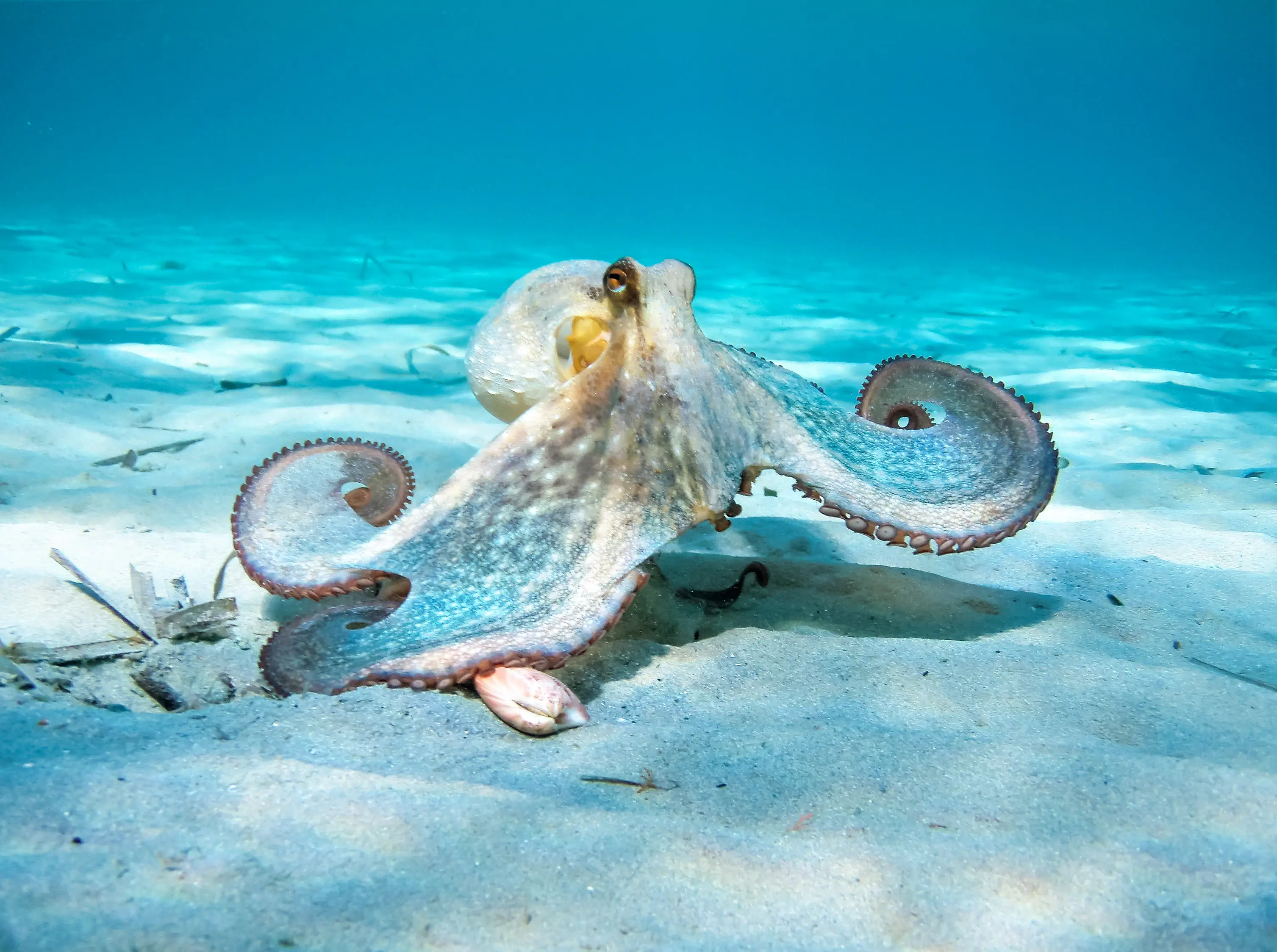
In this tank, the octopuses appeared to relax how they were sitting in the water, and even moved their arms and moved through the water in somersaults.
Interestingly, they also did not avoid the mesh basket with the other octopus like they did when they were sober.
Instead, they were far more open to approaching the partner in the mesh basket, even trying to touch them and seeming to embrace the container.
The study suggested that the regions in the human brain which are connected to social bonding might be another result of an evolutionary accident, albeit a happy accident.
Dölen said: “This reiterates the importance of understanding function [at] the level of molecules. Focusing on brain regions does not give us the whole story.”
 Kit Roberts