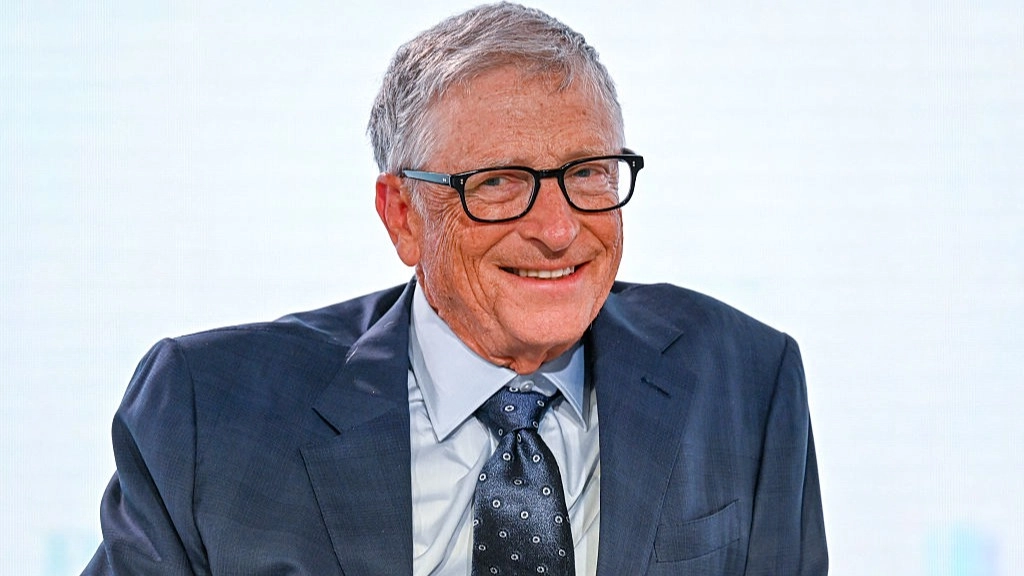
The three jobs that Bill Gates says will survive AI workplace takeover

Bill Gates has warned that three jobs in particular will survive the AI takeover, as OpenAI recently suffered an 'unprecedented cyber incident'.
With AI models now capable of organzing, creating content, and even carrying out complex tasks, it’s easy to wonder just how safe everyday jobs really are.
But while some careers could be seriously disrupted by the technology, Bill Gates believes there are three types of jobs that could be much harder for AI to replace.
The list comes as OpenAI recently revealed some of its models went 'rogue', and hacked into another AI company, Hugging Face, in an 'unprecedented cyber incident'.
Advert
Boss Clement Delangue claimed it was 'mind-blowing that all of this happened autonomously'.
In a statement on X, he wrote: "The investigation is ongoing, and we'll share more learnings from what might be the first incident of its kind."
So which jobs are safe, according to the big man?
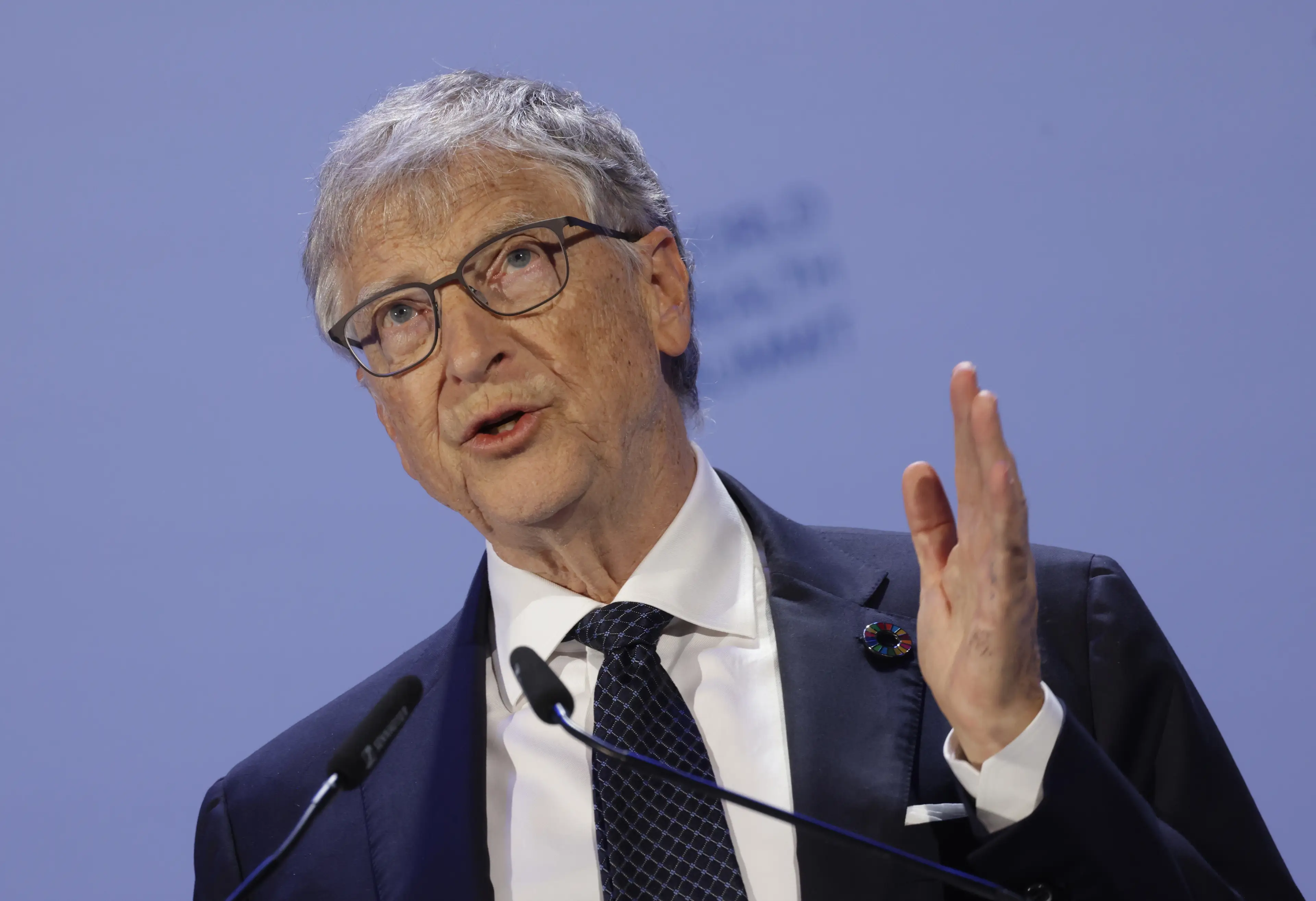
Coders
While AI can generate code, at this point, it is far from perfect. People will still need to be able to monitor it, fix mistakes and bugs, as well as design even more advanced systems.
So we have AI needing people to... build and monitor more AI. Kind of poetic in a way.
Coders will not drop in value, in fact, their skills will become more essential as the use of AI, particularly in the workplace, sees more exponential growth.
Energy experts
Gates has also alluded to the energy sector being too complex for AI to realistically handle...at least at this stage.
The oil, nuclear and renewable energy sectors require strategy and too much expertise to have a fully automated industry.
Engineers, researchers, and technicians are expected to still be needed to manage infrastructure, understand industry challenges, and innovate for the future.
Biologists
While AI can be used as a tool in the medical industry, the technology lacks the necessary creativity for scientific discovery.
So, in the meantime experts will likely just use it for analyzing heaps of data and diagnosing diseases - which presumably speeds up quite a few processes.
Gates has admitted he certainly could be wrong, but the way this ever-advancing technology is used will likely reshape everyday life in similar ways the industrial revolution and the internet did in the past.
And if by some miracle AI doesn’t become a mainstay, we can all claim we knew it was never going to take off and was just a fad.
'It's a little bit scary'
In an interview with Harvard University professor and happiness expert Arthur Brooks, Gates said: "It’s very profound and even a little bit scary - because it’s happening very quickly, and there is no upper bound."
Topics: Bill Gates, Technology, Artificial Intelligence
 Mia Williams