Eight foods from the US that are shockingly banned in other countries

You might be shocked to hear that some foods that are cupboard staples are actually banned in other countries, with certain ingredients linked to sinister health risks.
If you were to walk through any American grocery stores, you’ll find shelves packed with colorful snacks, conveniently packaged foods, and some familiar staples many Americans grew up eating.
But step outside the US and some of those everyday foods suddenly become rare items because they’re banned.
Why? In many cases, other countries have stricter rules around ingredients, food additives, preservatives, and production methods, often citing long-term health or environmental concerns.
Advert
And it's not just processed foods that are banned, as even some basic essentials grown in the US are banned from being exported to certain countries.
Here are eight American foods banned outside of the US.
Farmed salmon
All Atlantic salmon sold in the US is farmed due to the protection of the wild population.
American salmon is restricted or banned in other countries, notably Australia and New Zealand, due to additives such as synthetic astaxanthin to give the fish a pink color, as well as concerns over antibiotics and higher PCB levels when compared to wild salmon.
Kraft Mac & Cheese
This convenient boxed meal is considered an American staple by many, but because the US version contains artificial dyes (Yellow #5 and Yellow #6) and preservatives, it is banned or restricted in placed in Europe.
Countries such as Norway and Austria restrict these dyes.
Ritz crackers
You may not be able to find these iconic snacks in many European countries, including Denmark, Iceland, Norway, Hungary, Austria and Switzerland.
These crackers contain partially hydrogenated cottonseed oil, a trans fat which has been linked to heart disease.
Coffee Mate creamer
A fixture in home kitchens across the US, this go-to for a smooth and sweet cup of coffee is banned in multiple parts of the world because of its ingredient list.
It contains hydrogenated vegetable oils, a source of trans fats, which are linked to cardiovascular disease. Coffee Mate is prohibited in Denmark, Norway, Iceland and Switzerland.
American apples
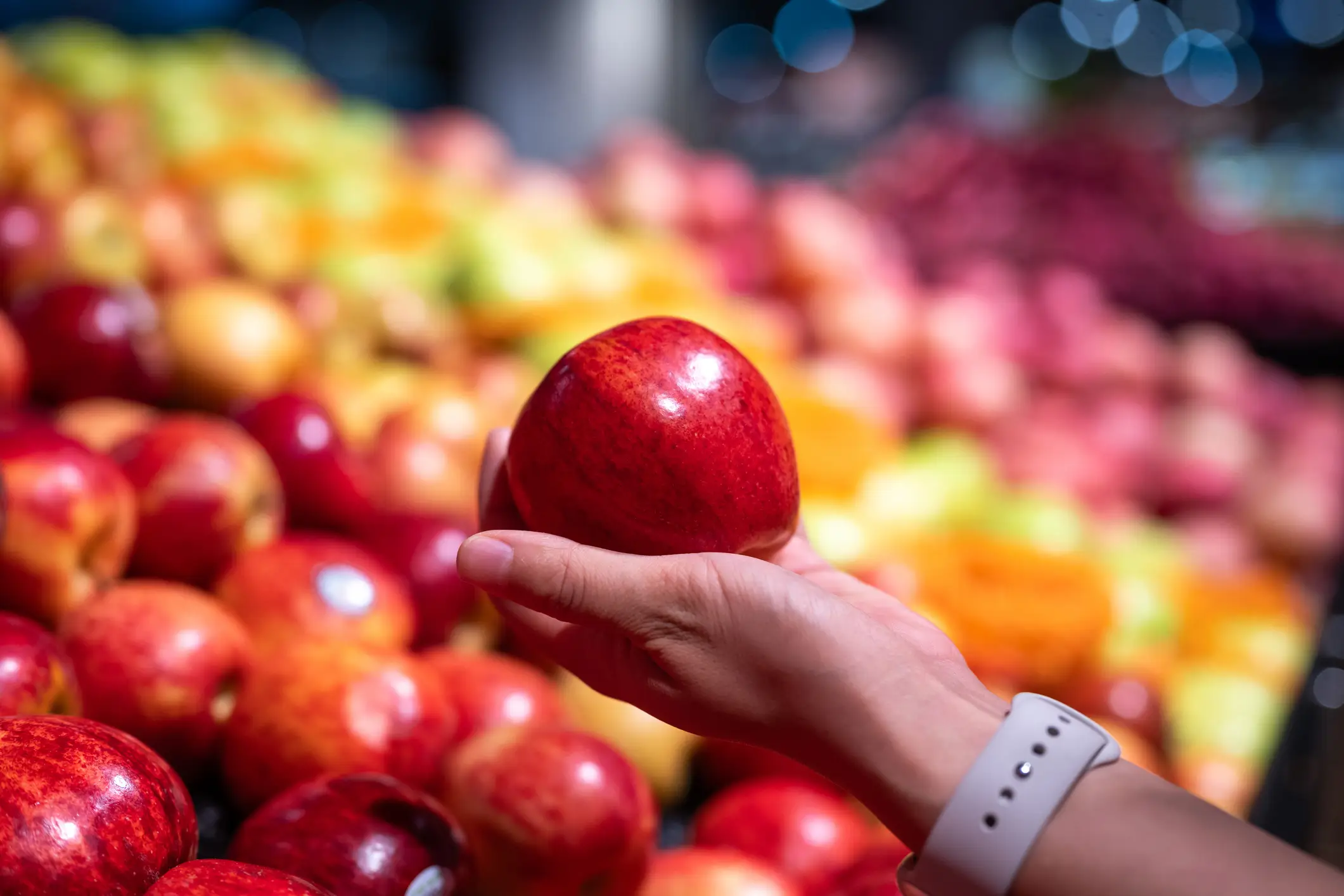
Perhaps one of the more surprising additions on the list is this fruit.
American apples are essentially ‘banned’ from the EU, a restriction based on the belief that they have an unsafe level of the pesticide diphenylamine (DPA) which helps them stay fresh for longer periods of time.
American bread
It may sound strange but there’s a chance that your American loaf of bread may contain ingredients that may also be found in yoga mats, The Guardian reports.
Some of these chemicals are used as whiteners, dough conditioners and rising agents and can be harmful to human health, such as potassium bromate and azodicarbonamide (ACA).
Counties in the EU, and China and Brazil, have outlawed potassium bromate in food. It has been banned in India since 2016 and in the UK since 1990.
Azdicarbonamide has been outlawed in the EU for over a decade.
Fruit Loops
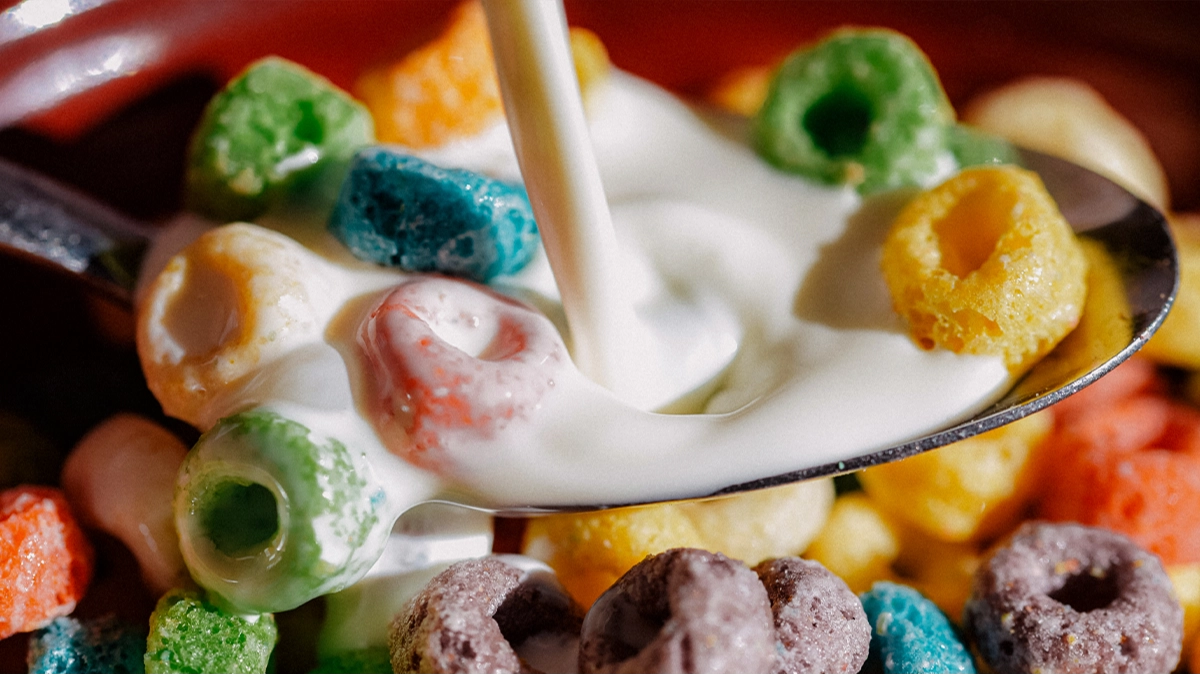
The cereal is a favorite among kids, however the version sold in the US contains the food dyes Red #40, Yellow #5 and Yellow #6 and the preservative BHT.
The food dyes have been linked to behavioral issues. A version is sold in the UK and Canada using natural colorings, however the breakfast food has been banned in France, Austria, Norway, and Finland.
American pork
Pork from America is banned due to the use of ractopamine, a drug that increases muscle growth in pigs which is banned in the EU as it has been linked to an increased risk of cancer, increased heart rate, the hardening of arteries, and higher blood pressure.
Topics: Food and Drink, US News, Europe
 Greg Harris