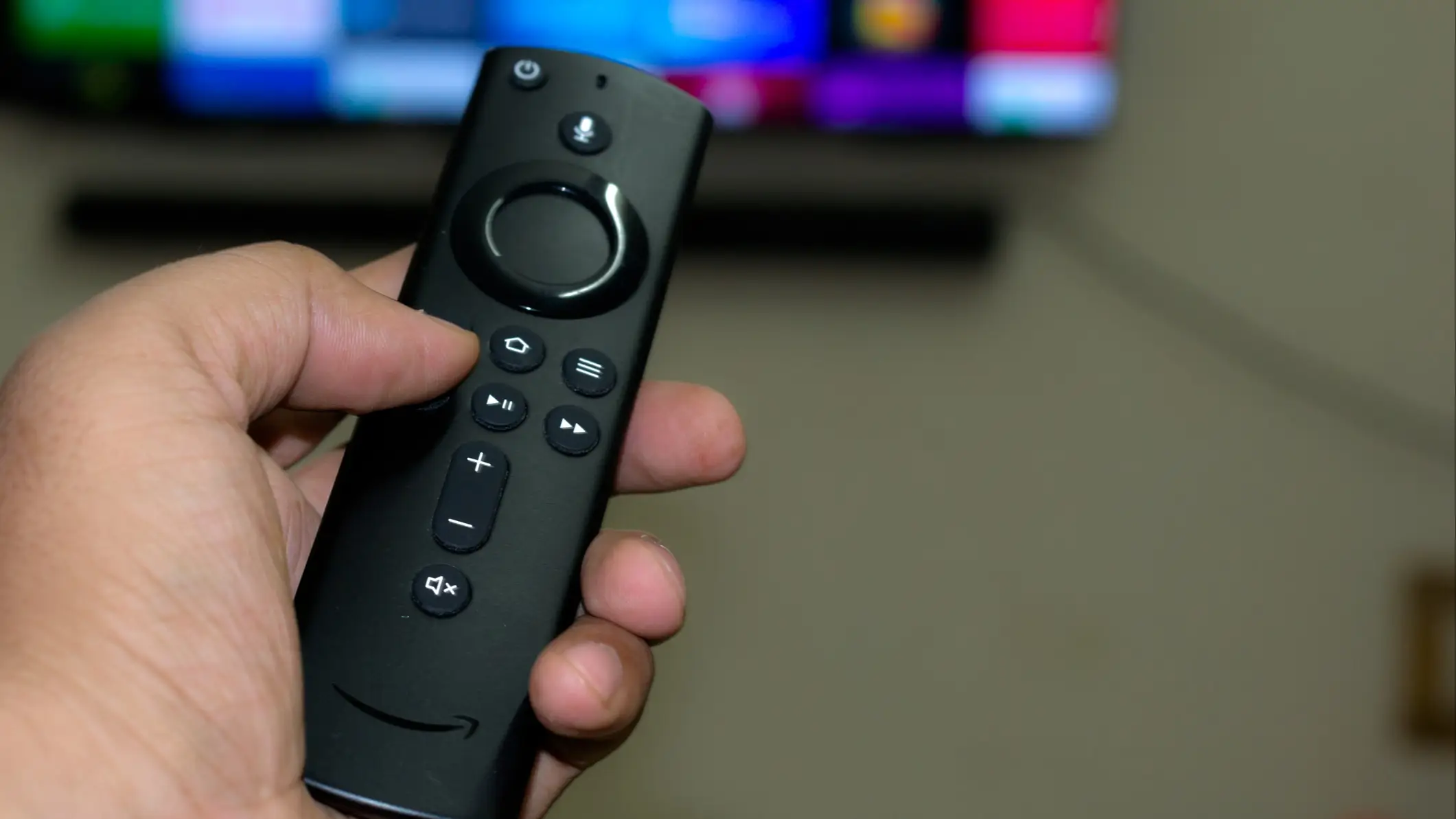
'Bricking' allegations explained in Amazon Fire TV Stick lawsuit

A class action lawsuit has seen Amazon accused of 'bricking' Fire TV Stick devices, but what exactly does the term 'bricking' mean?
The suit has been brought by Bill Merewhuader, who filed it against Amazon.com Inc. and Amazon.com Services LLC in the state of California.
He has claimed that the business intentionally sold devices which were then 'bricked', according to a report on Top Class Actions.
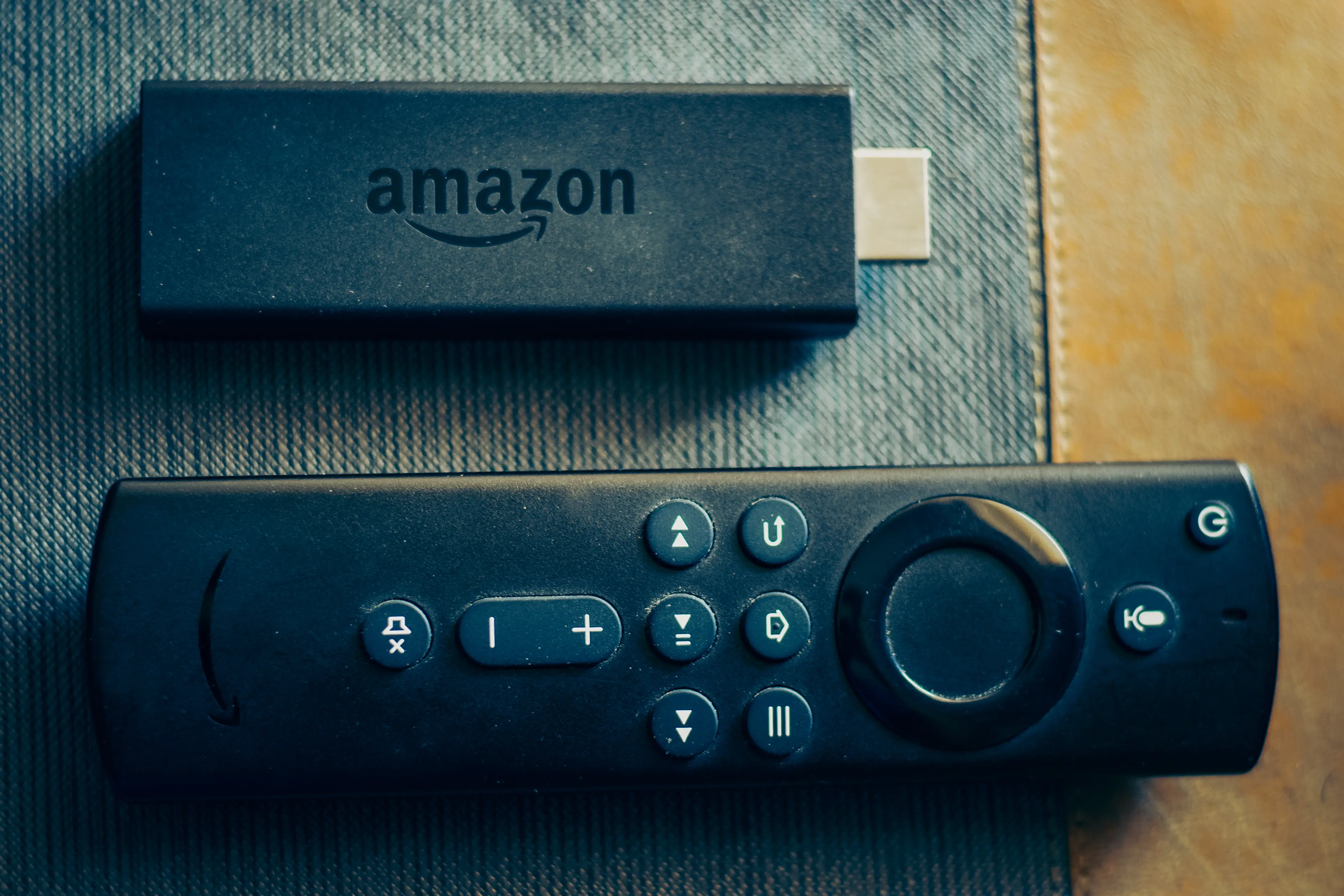
When Amazon sold the devices, it claimed that these offered instant access to film and TV shows on big streaming services via the first and second generation Fire TV Stick.
Advert
But while the physical devices themselves might still be capable of functioning perfectly well, Merewhuader has argued in the case that people who purchased the devices have been mis-sold these products due to the practice of 'bricking'.
What is 'bricking'?
'Bricking' is when a piece of hardware is rendered significantly less effective or unusable, despite there not being anything actually wrong with it, because the software is no longer supported.
So, for a theoretical example, let's say you've had a phone for five years and it's worked fine, somehow in that time you've never dropped it, and there's nothing wrong with it.
Then you have to install a software update to continue to use its basic functions, nothing unusual, but when you try to you're told the handset you have can't support the latest update, so the phone effectively becomes unusable, despite the hardware being fine - it's rendered a 'brick'.
The concept can tie in to the idea of planned obsolescence, when a company deliberately doesn't build their product to last to ensure that people will need to buy more in the future.
In his case, Merewhuader has alleged that Amazon in withdrawing software support for older devices, they had significantly reduced the functionality of the product, even though the hardware itself had not reached the end of its functional life.
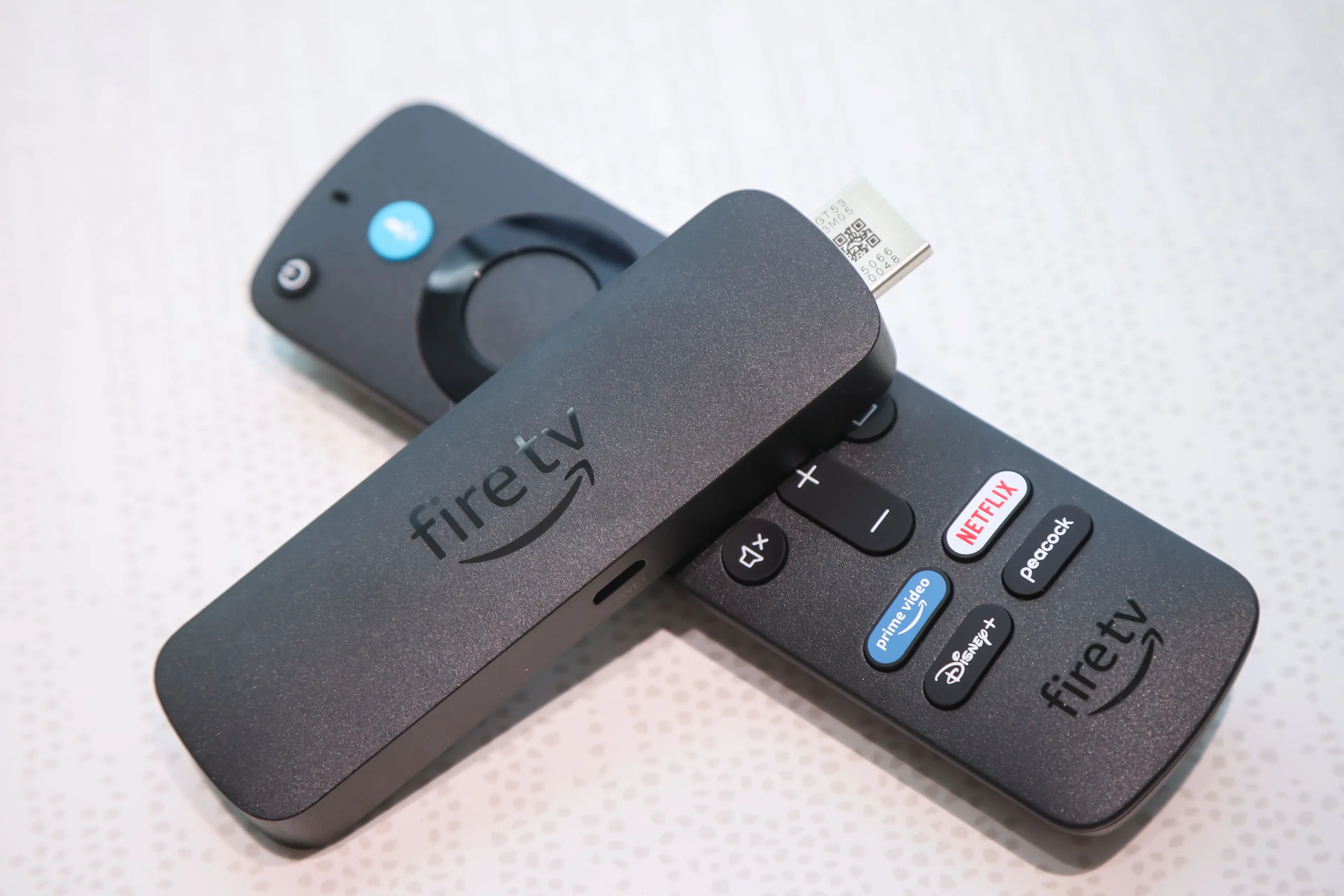
Merewhuader has claimed that the company began doing this back in 2022 when it ended software support for first generation devices, and then second generation, even though it had claimed that this support would still be in place until 2024.
The 'instant' access is also crucial to the lawsuit, as Merewhuader claims that this feature was a key part of the product's appeal to customers, but after the withdrawal they would allegedly become slower, more difficult to use, or even unusable altogether.
In the suit, he is seeking damages and compensation.
At present, Amazon has not publicly commented on the lawsuit.
UNILAD has approached Amazon for comment.
Topics: News, US News, World News, Technology, Amazon
 Kit Roberts