
unilad homepage
unilad homepage
  • News
    • UK News
    • US News
    • World News
    • Crime
    • Health
    • Money
    • Sport
    • Travel
  • Music
  • Technology
  • Film and TV
    • News
    • DC Comics
    • Disney
    • Marvel
    • Netflix
  • Celebrity
  • Politics
  • Advertise
  • Terms
  • Privacy & Cookies
  • LADbible Group
  • LADbible
  • SPORTbible
  • GAMINGbible
  • Tyla
  • UNILAD Tech
  • FOODbible
  • License Our Content
  • About Us & Contact
  • Jobs
  • Latest
  • Archive
  • Topics A-Z
  • Authors
Facebook
Instagram
X
Threads
TikTok
YouTube
Submit Your Content
Alpha-gal syndrome explained as US sees spread of potentially life-threatening illness
Home>News>US News
Published 16:19 27 Mar 2026 GMT

Alpha-gal syndrome explained as US sees spread of potentially life-threatening illness

Experts believe the illness is going underdiagnosed

Gerrard Kaonga

Gerrard Kaonga

google discoverFollow us on Google Discover
Featured Image Credit: Getty Stock

Topics: News, US News, Health, Food and Drink

Gerrard Kaonga
Gerrard Kaonga

Gerrard is a Journalist at UNILAD and has dived headfirst into covering everything from breaking global stories to trending entertainment news. He has a bachelors in English Literature from Brunel University and has written across a number of different national and international publications. Most notably the Financial Times, Daily Express, Evening Standard and Newsweek.

Advert

Advert

Advert

Researchers have highlighted the dangers of tick-bites as Alpha-gal syndrome spreads around the US.

Alpha-gal syndrome is a tick-borne illness that can cause devastating impacts on people, seemingly out of the blue.

Researchers at the Stony Brook Medicine hospital have stated that as many as 450,000 Americans may be living with the syndrome, the majority of whom are unaware that they have the illness until they have an allergic reaction.

The illness sees people develop a life-threatening to red meat, such as beef, pork or lamb and it can also cause reactions to other foods that come from mammals, such as dairy products or gelatin.

Advert

The hospital has noted: “Many develop symptoms after eating foods they have enjoyed their entire lives, often without realizing a tick bite triggered the change.
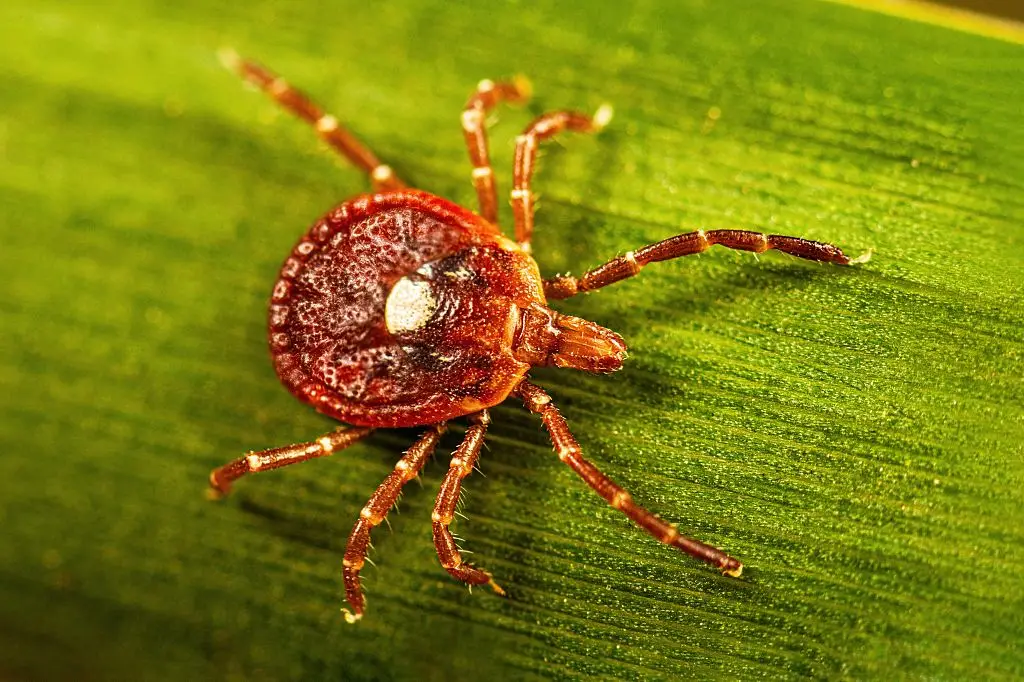
Some researchers have even argued that the syndrome is underdiagnosed(Smith Collection/Gado/Getty Images)

Some researchers have even argued that the syndrome is underdiagnosed, despite a spike in ticks known to be carrying alpha-gal antibodies.

Allergist and immunologist with the Allergy and Asthma Network Purvi Parikh spoke to BillyPenn and said: “The issue with alpha-gal is that it’s probably underdiagnosed.

“As a result of it being underdiagnosed and underreported, there may be more deaths that we don’t even know about, because that connection hasn’t been made.”

But what is Alpha-Gal syndrome?

According to the MayoClinic, the illness is a type of food allergy that can occur after a tick bite.

The hospital has said: “In the United States, the condition most often begins with the bite of the lone star tick. Other types of ticks cause the condition in different parts of the world, mainly in parts of Europe, Australia, Asia, South Africa, and South and Central America.”

However, last year researchers found that West Coast-based western black-legged ticks and eastern and midwestern deer ticks are also responsible for spreading the illness.
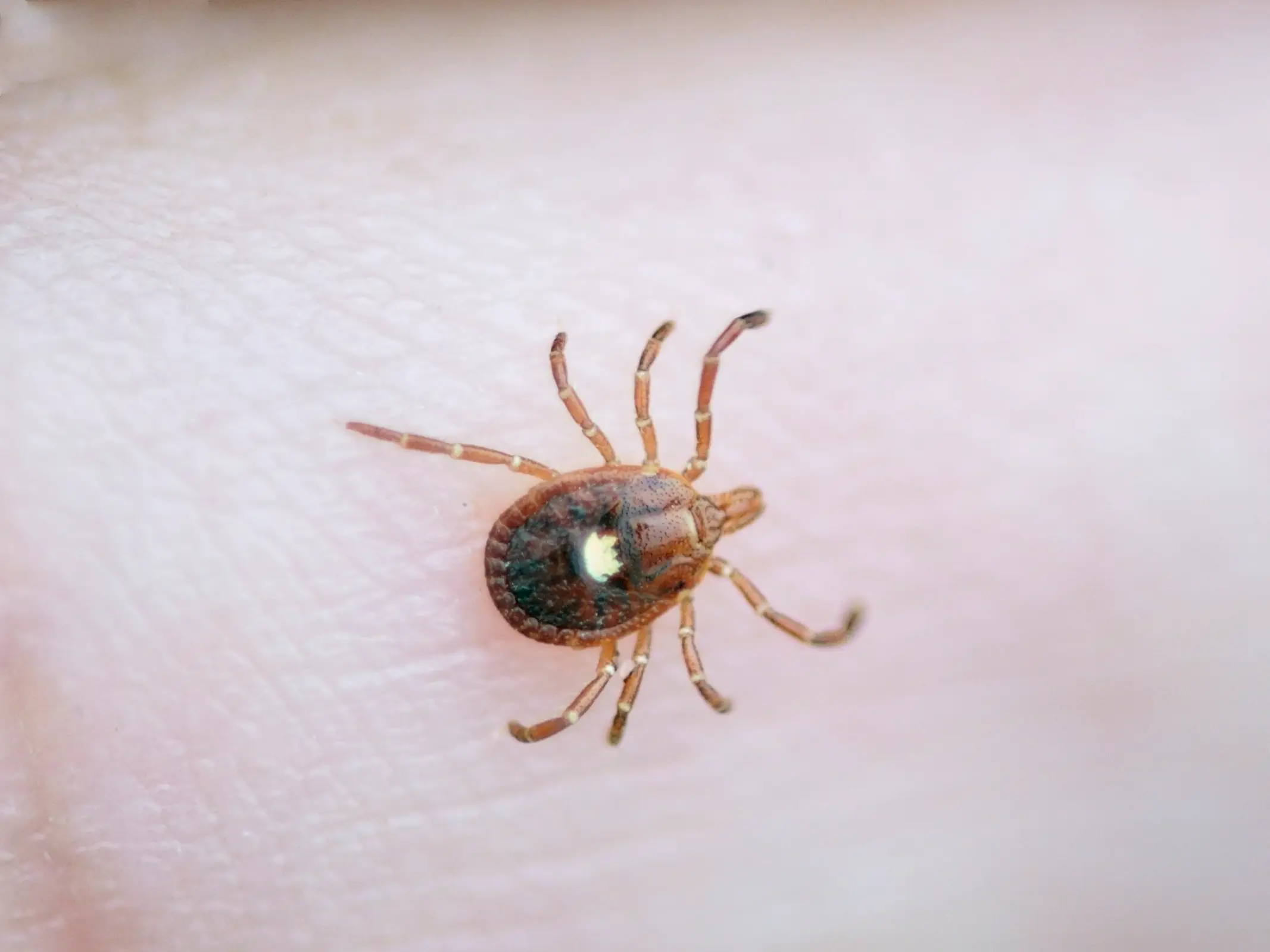
Symptoms may vary in severity (Getty Stock Image)

The Mayo Clinic also noted: “Some people may have alpha-gal syndrome and not know it. There are people who have serious allergic reactions, called anaphylactic reactions, for no known reason. Because the reactions can be delayed for hours, researchers think that some of these people may be affected by alpha-gal syndrome.

“The only treatment for alpha-gal syndrome is to not eat red meat or other products from mammals that can trigger reactions. A serious allergic reaction may need medicine called epinephrine and treatment in an emergency room.”

The symptoms may be mild or serious depending on the individual and can include Hives and itching, swelling of the lips, face, throat or eyelids, wheezing or shortness of breath ,stomach pain, diarrhea, nausea or vomiting.

Choose your content:

an hour ago
8 hours ago
9 hours ago
  • University of Genoa
    an hour ago

    Husband speaks out after both wife and daughter die in Maldives scuba tragedy

    'Something must have happened,' he insisted while trying to come to terms with the double loss.

    News
  • GoFundMe
    8 hours ago

    Mom issues warning after doctors 'dismissed' cancer symptom as canker sore

    Rachel Passarella first noticed the sign in 2025, before being handed the devastating diagnosis months later

    News
  • TikTok/@sebastiank22
    8 hours ago

    Terrifying simulation shows how woman died on escalator after scarf got caught in machine

    It's estimated that around 17,000 citizens suffer from escalator and elevator related accidents annually

    News
  • ITV
    9 hours ago

    Doctor reveals signs of 'silent killer' cancer all women need to be aware of

    Dr Amir Khan explained the signs can be 'dismissed' by both women and doctors

    News
  • Symptoms of rotavirus as potentially life-threatening virus spreads in US
  • Chocolate bar recalled for containing potentially 'life-threatening' amounts of Viagra
  • Step aside Walmart and Target, only one US store is stocking this limited edition Doritos flavour
  • FDA issues urgent recall on popular ready-to-eat meals over life-threatening infection fears