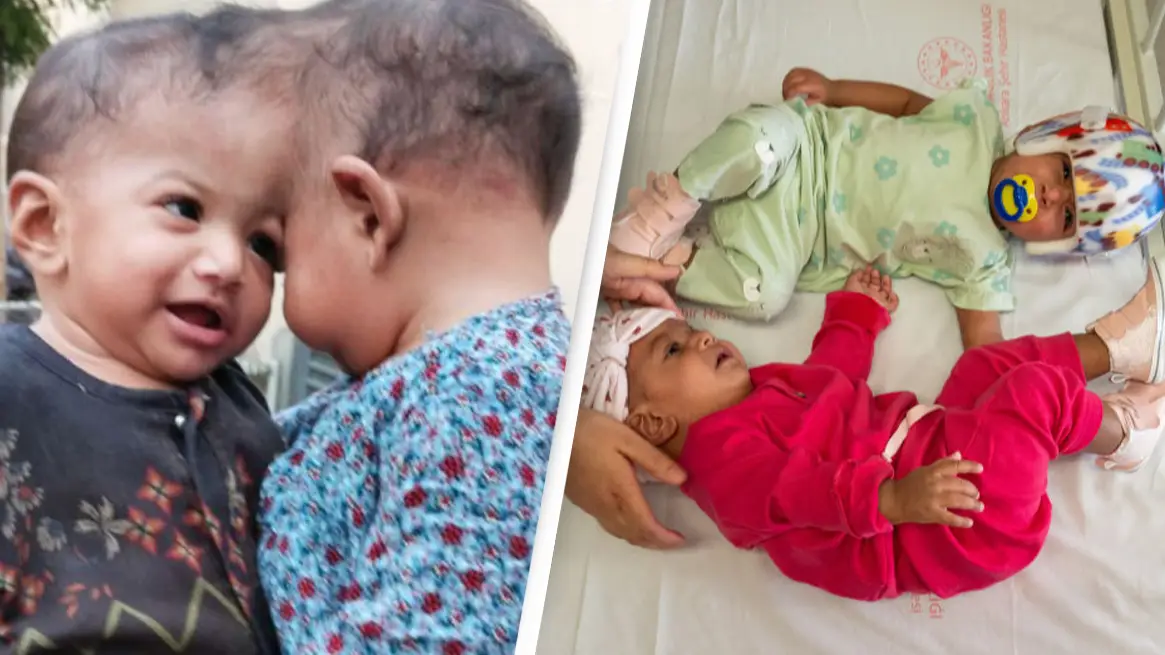
Conjoined twins have been successfully separated following groundbreaking 14-hour surgery using virtual reality

A procedure to separate one-year-old conjoined twins has been successful, with virtual reality playing a surprisingly crucial role in the 14-hour surgery.
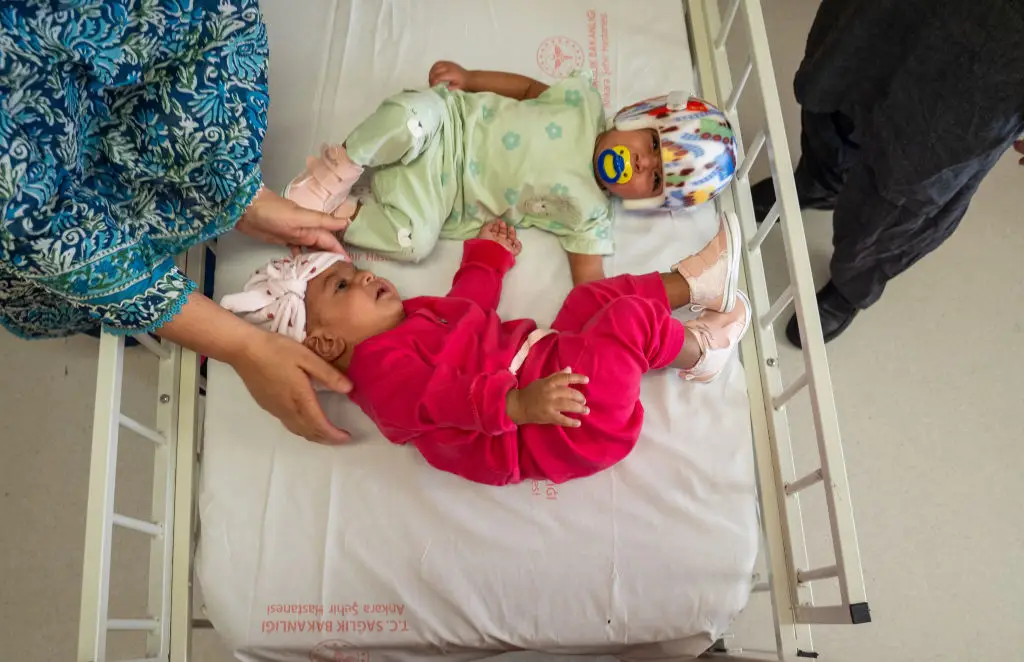
A leading British surgeon has confirmed sisters Minal and Mirha have been parted following a three-month surgical process.
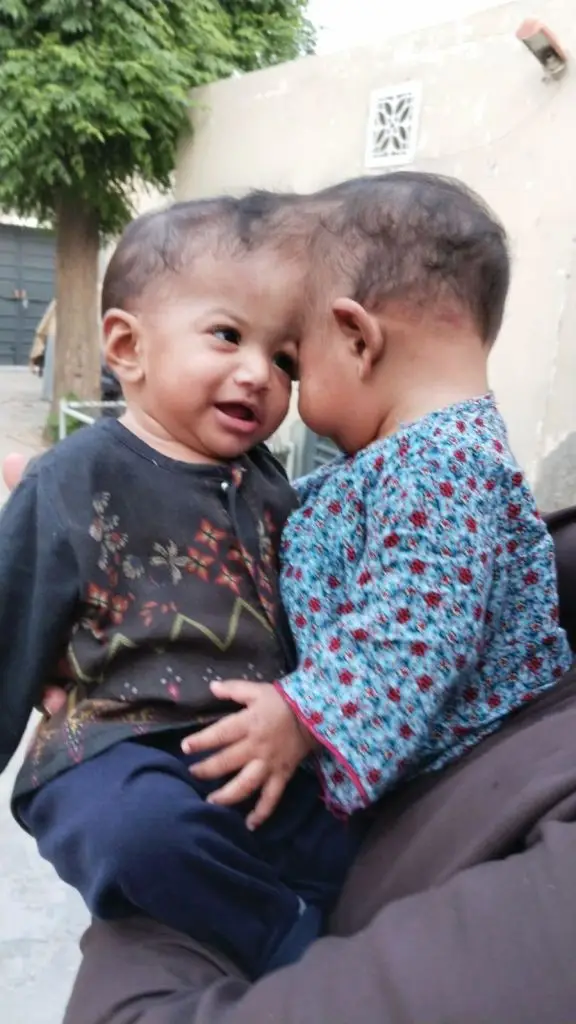
It’s understood the craniopagus twins - meaning they were conjoined at the top of their heads - remain in care but are reportedly on track to make a full recovery.
Advert
The children were born sharing blood vessels and brain tissue, making any attempt at separation surgery both dangerous and difficult.
On July 19, Minal and Mirha underwent the first of two operations at Ankara Bilkent City Hospital in Ankara, Turkey, when they were just eight months old.
The medical team was led by Professor Noor ul Owase Jeelani, a pediatric neurosurgeon from London's Great Ormond Street Hospital.
Professor Jeelani and a team of local medics reportedly utilised Mixed Reality (MR) technology to make the arduous process a success.
Microsoft defines MR as a ‘blend of physical and digital worlds’ that can ‘unlock natural and intuitive 3D human, computer and environmental actions’.
According to Sky News, MR allowed experts to enhance their view of their patients while informing surgeons on what to expect in the operating theatre.
Moreover, this mixed digital plane allowed the UK-based team to prepare and rehearse the 14-hour surgery ahead of time.
Professor Jeelani, who has led several surgeries involving conjoined twins over the years, told the news outlet that Minal and Mirha are making an ‘excellent recovery’ following the marathon process.
"They should be in a position to go back to Pakistan in a few weeks.”
"To be able to give these girls and their family a new future where they can live independently and enjoy their childhood is a special privilege.”
"A lot of the knowledge and skill required to undertake cases of this complexity is gained from the high volume of complex cases that we undertake within the NHS and UCL,” the surgeon continued.
“It is a beautiful example of us sharing knowledge to benefit the wider world and a model for how things could and should be done.”
As well as working for Great Ormond Street Hospital, Professor Jeelani is the founder of the Gemini Untwined charity.
Specializing in care and treatment for conjoined twins, Gemini Untwined helped raise funds for the craniopagus children.
According to figures, one in 60,000 births results in conjoined twins while only around five percent of these are categorized as craniopagus.
Once Minal and Mirha fully recover from their surgery they will be allowed to return to their native country of Pakistan.
Topics: Health, UK News, Technology, Virtual Reality, Science
 Ella Scott