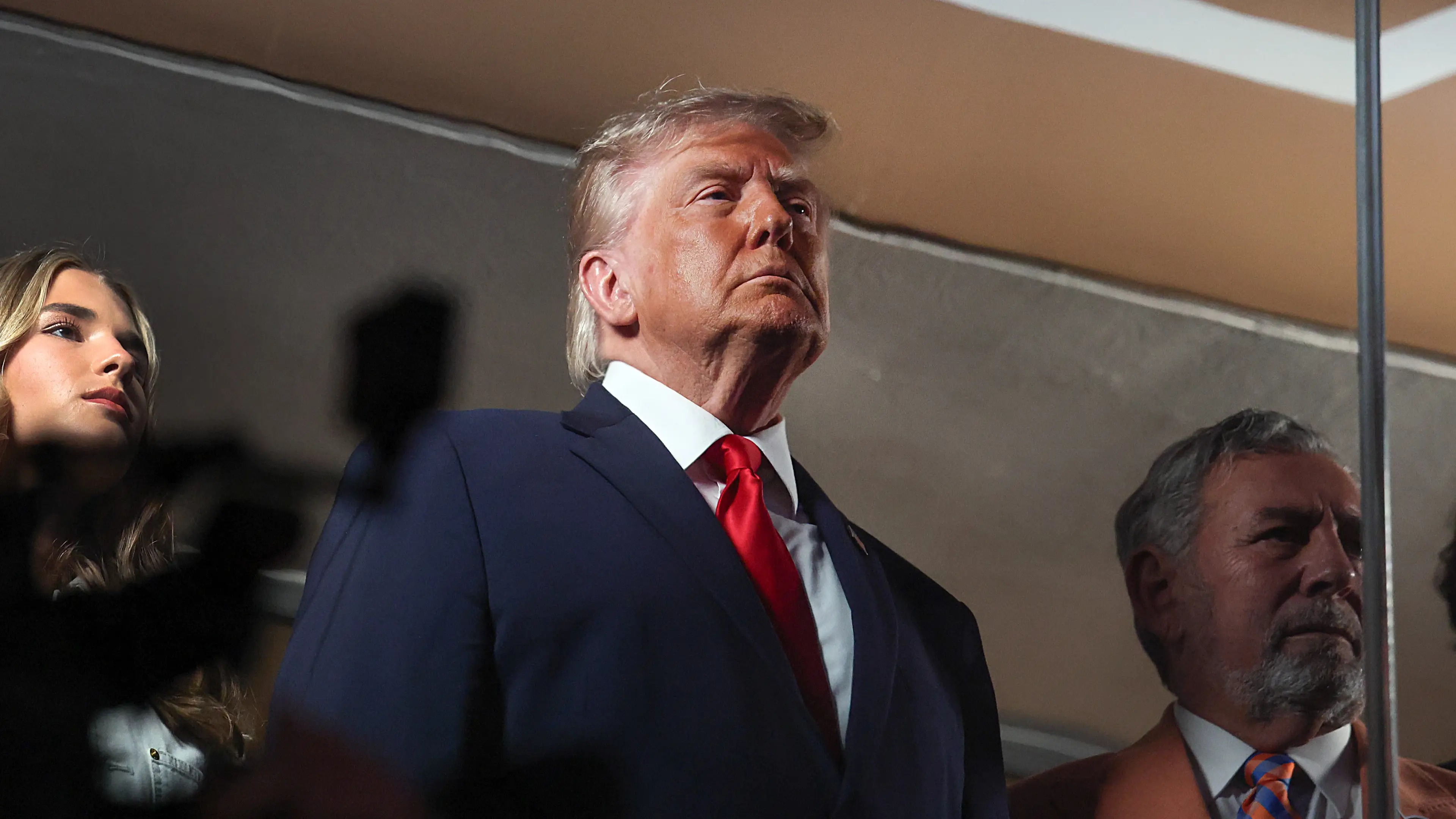
Trump expected to break major FIFA protocol at World Cup after controversial decision

Donald Trump is expected to once again insert himself into the heart of a major football trophy presentation after FIFA confirmed they have no objection to the US president breaking conventional protocol at the 2026 World Cup Final.
Sources close to the situation have told talkSPORT that FIFA president Gianni Infantino has personally informed Trump he has full licence to present the World Cup trophy however he sees fit, including staying beside the winning captain during the lift itself, rather than remaining with other dignitaries on the presentation platform.
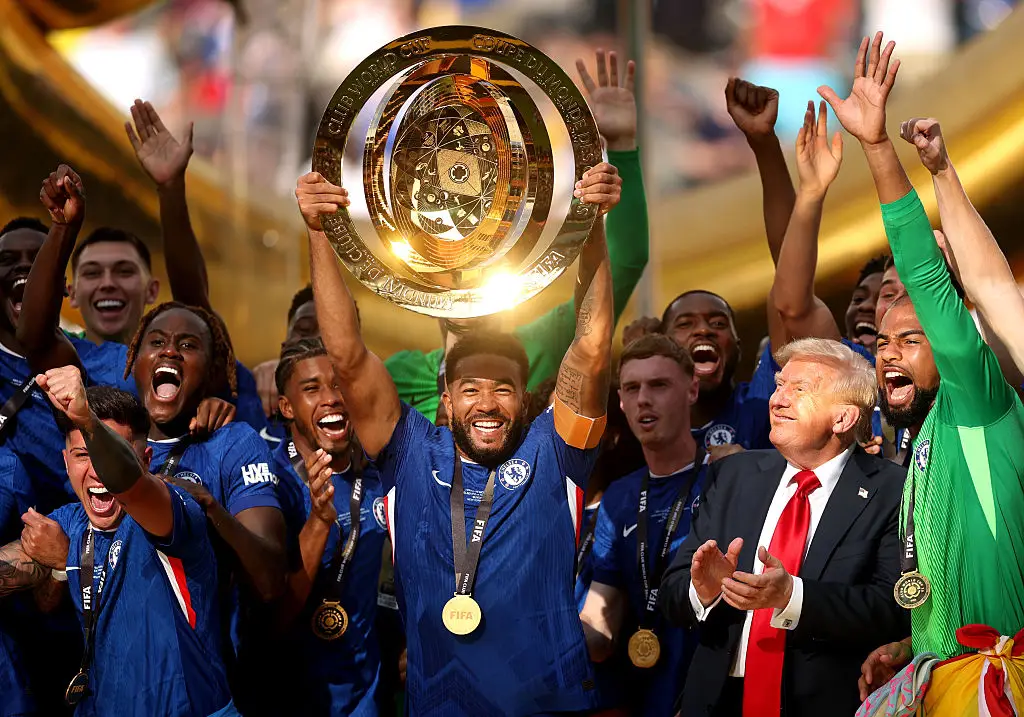
It would be a repeat of scenes that raised eyebrows worldwide at the Club World Cup earlier this year, when Trump positioned himself next to Chelsea captain Reece James as he hoisted the trophy.
Advert
Cole Palmer was visibly bewildered standing directly behind the president, while Infantino initially appeared to usher Trump away before apparently deciding to let him stay. Standard FIFA protocol dictates that the trophy remains on a plinth before being carried by a member of the winning side onto the celebration podium, a tradition Trump appears set to sidestep for the second time in as many months.
White House insiders say Trump will once again opt to celebrate directly with the victorious team rather than observe from a distance.
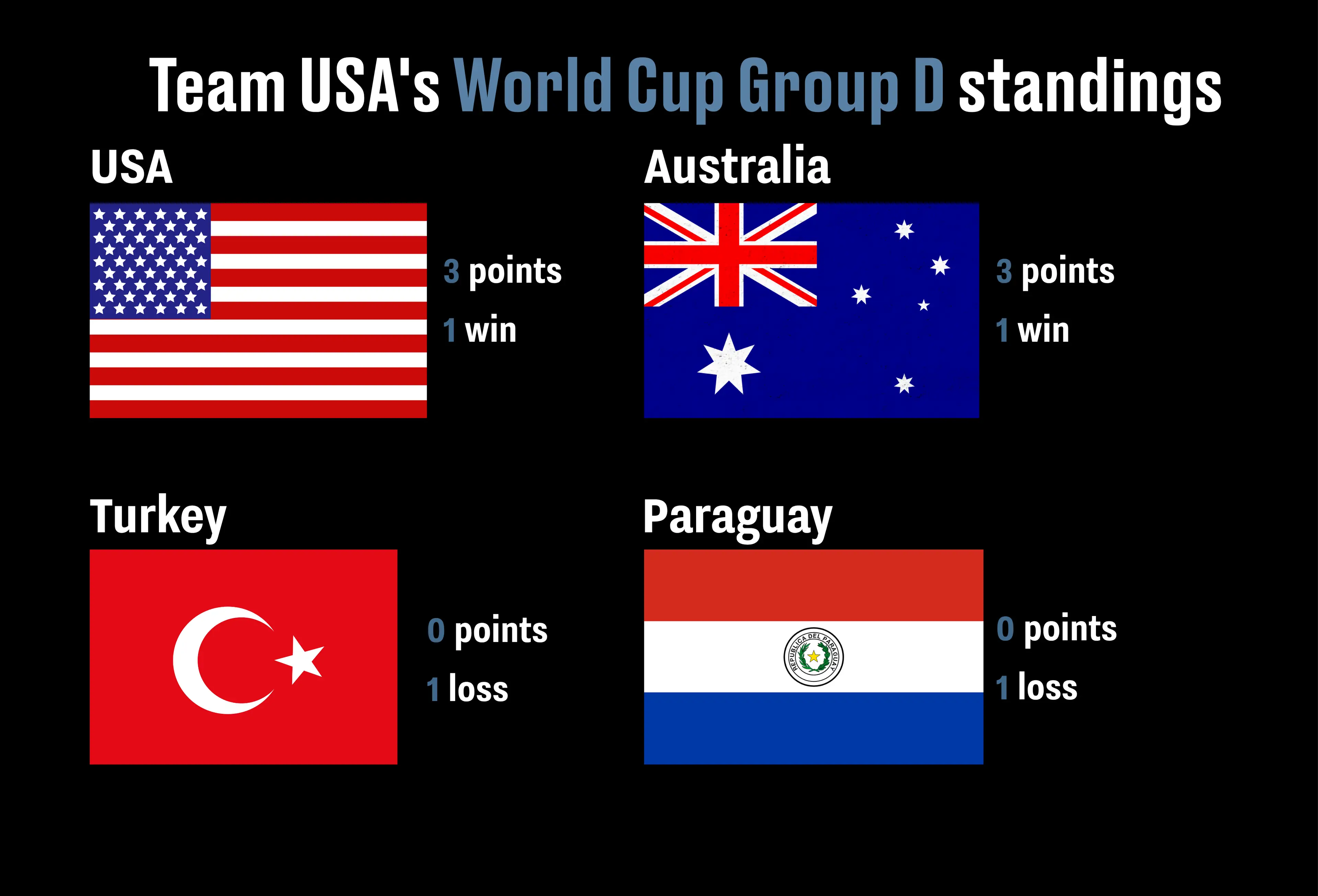
The president is scheduled to attend the World Cup Final at the MetLife Stadium on July 19, though his diary remains subject to change. He missed the USMNT's opening victory over Paraguay due to a scheduling conflict.
Both Mexican and Canadian officials have also been invited to appear at the closing ceremony, reflecting the tournament's joint-hosted status across North America.
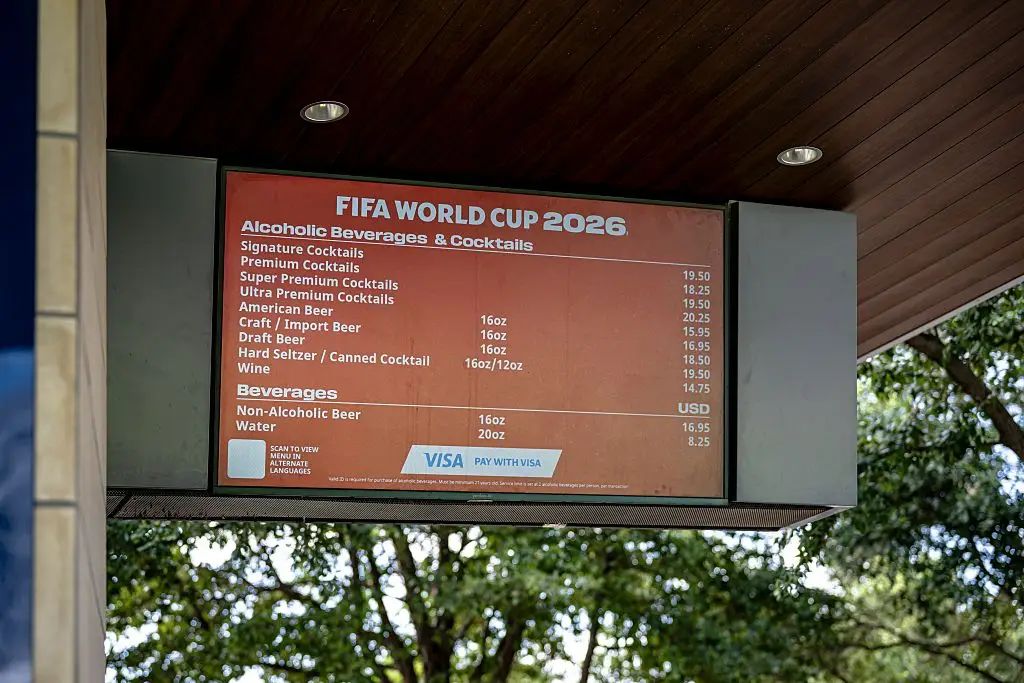
Ticket and refreshment prices in the USA
The trophy lift question is just one of several flashpoints that have defined a deeply controversial World Cup build-up.
Ticket and refreshment prices at stadiums have provoked fury among supporters, while UEFA president Aleksander Ceferin is among those said to be critical of the expanded 48-team format. Iran's participation hung in the balance for weeks amid ongoing tensions with the United States.
Perhaps the most contentious issue, however, has been the decision to deny Somali referee Omar Artan entry into the country. Artan was barred from officiating at the tournament despite holding a valid US visa, a move that has been widely condemned across the footballing world.
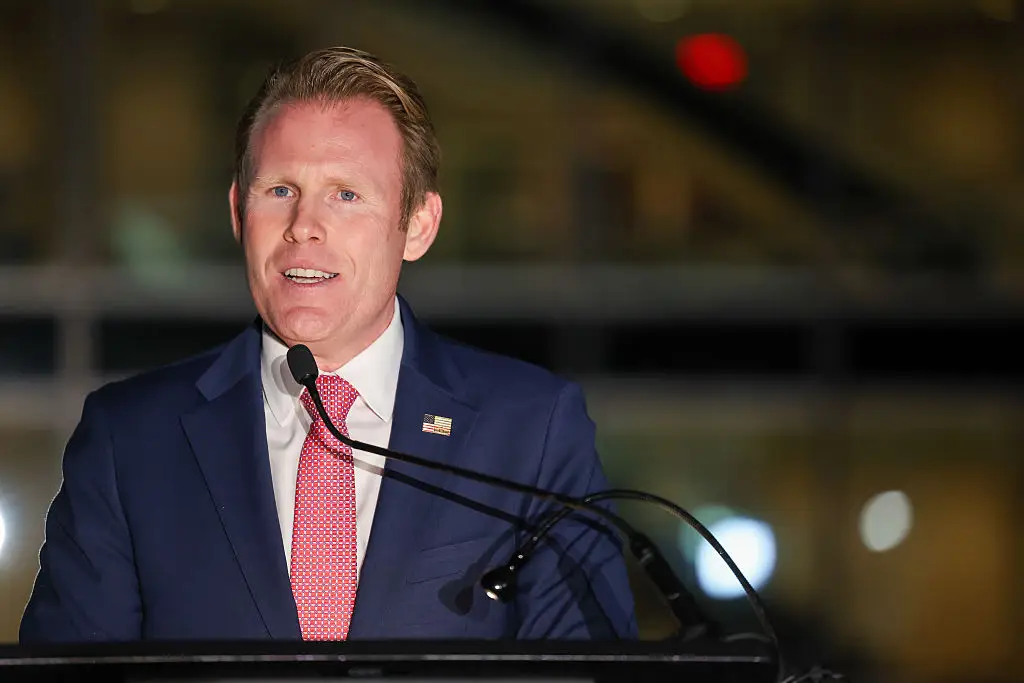
Andrew Giuliani, executive director of the White House's Task Force for the World Cup, defended the ban robustly. "He was talking to some bad people, very recently, about actions here in the United States," Giuliani told talkSPORT.
"What I can tell you from my standpoint, and having seen the information on what he was doing, was that I stand by CBP's decision. It was the right decision."
When pushed on whether he was suggesting Artan had links to terrorism, Giuliani stopped short of elaborating, adding: "I go back to what CBP has said about this.
"From my seat, it was absolutely the right decision and I stand by it."
Artan received a hero's welcome on his return to Somalia, but the US government has shown no signs of reconsidering its position.
New rules for the FIFA World Cup 2026
This year, there’s been a whole host of rule changes, many of which are designed to speed up the game and penalize players who drag things out. Some of the new regulations are likely to prove controversial.
10-second substitution
Subbed players now have to get a move on and leave the pitch within ten seconds by the nearest exit point. If they haven’t, their replacement will get held up by one minute until the next stoppage of play, and until then, their side will have to play with 10 men.
5-second throw-ins and goal kicks
If a referee thinks a player is taking too long for a throw-in or goal kick, they’ll start a five-second countdown, by which time the ball needs to be back in play. If it’s not, for throw-ins the opposing team will get their own throw-in, or for a goal kick the other side gets a corner.
Injured players to remain off the pitch for one minute
An injured player treated by medical staff off-field has to stay off the pitch for one minute, leaving their side with just 10 players.
More VAR
VAR can now be used to review an incorrectly awarded corner kick; second yellow cards resulting in a red card; when a player is incorrectly awarded a yellow or red card for another player’s actions; and any attacking fouls that occur before the ball is in play.
Players can’t cover their mouths
Players who cover their mouths in confrontational situations will be handed a red card. It’s believed players might cover their mouths to guard against lip readers while racially abusing other players, which some suspect has happened in the past.
Red cards for players leaving the pitch
Any player who leaves the pitch in protest over a referee’s decision will be handed a red card, and if a team walks off and causes a match to be abandoned, they’ll forfeit the game.
Topics: Sport, World Cup, Donald Trump
 Thomas Bamford