Real reason Winter Olympics snowboarders are wearing their bibs only on one shoulder

The 2026 Milan-Cortina Winter Olympic Games has already seen a number of major medal wins with dozens of golds handed out across a number of slope sports, like skiing and snowboarding.
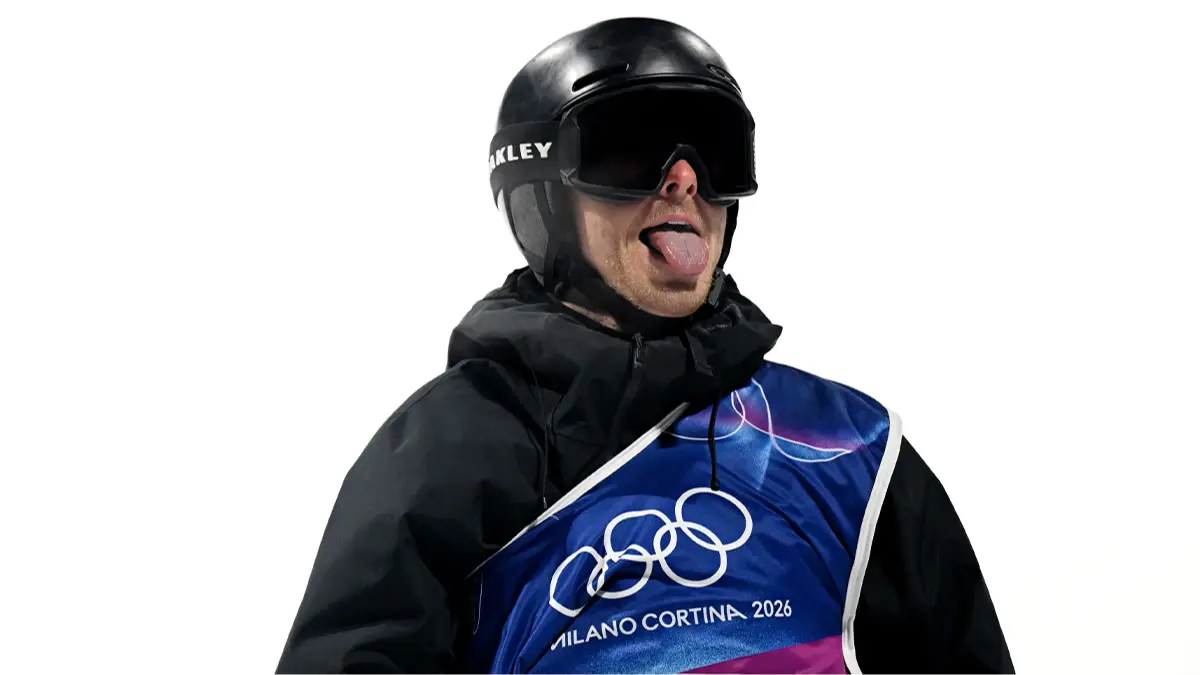
But infrequent viewers of these sports have noticed a growing trend at this Olympics, with a number of snowboarders seeming to only wear their identifying bibs on one shoulder, rather than over both.
With Milan being the home of a number of world-leading fashion businesses, even featuring a tribute to city native Giorgio Armani in the games' opening ceremony, you could be forgiven for thinking that this choice is based on each Olympian's preferred style on the slopes.
This interplay between sport and fashion has even been one of the themes of this Winter Olympics, with Armani even being 'personally involved in the design of the ceremony' and contributing in the definition of its concept', according to the company he founded.
Advert
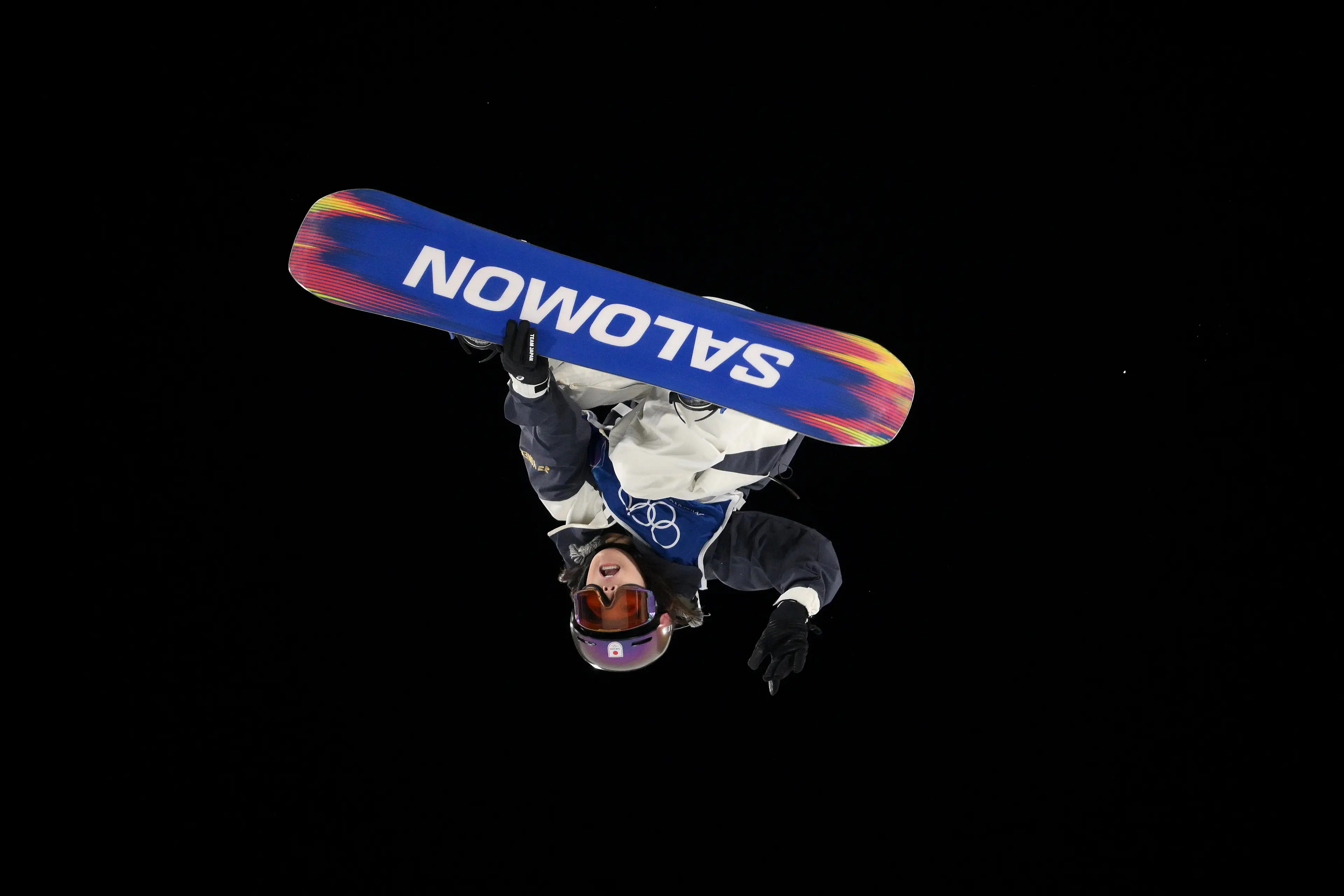
But this bib tucking is not an attempt at haute couture by many of the snowboarders competing this year, it's actually a safety precaution for when they're shredding the snow at speeds up to 70mph.
"Sometimes those bibs can fly up in your eyes. That's very, very dangerous. So a lot of the riders will tuck it under their arm," CBC Olympics snowboarding expert Craig McMorris said during China's 2022 winter games.
Not all boarders do this to their bibs, but given the high stakes of the Winter Olympics, a large number have been spotted keeping their bibs safely tucked under one arm at this year's games.
Monday saw one of these bib-tuckers win a gold medal too, after Japan's Kokomo Murase blew away the competition in the Big Air discipline, which required Murase to launch herself off a ramp to perform a crazy trick and then land it.

In these circumstances, the gold medal winner decided to give her bib a one-arm tuck, as obscuring her vision while tucking and rotating in the air could be incredibly dangerous.
This is not the only secret meaning behind the Olympic bibs either
Not that long ago, many Olympians would have had paper signs pinned to their bibs to help identify them both off and on the slopes, but now this system has been replaced with an electronic tag.
The color of every bib is also important, in ski and snowboard cross, these colors reflect each competitors ranking with the red jersey worn by the top-seeded in each discipline, followed by green, blue, yellow, white and finally black.
These colors also determine which gate each rider will begin in for their heat, with the red bib wearer getting the first pick of gate. This system can vary from discipline to discipline, but generally, each Olympian's bib color will reflect their place in their sport's pecking order.
 William Morgan