Women aren’t allowed to compete in one sport in the Winter Olympics as athlete details heartbreaking truth

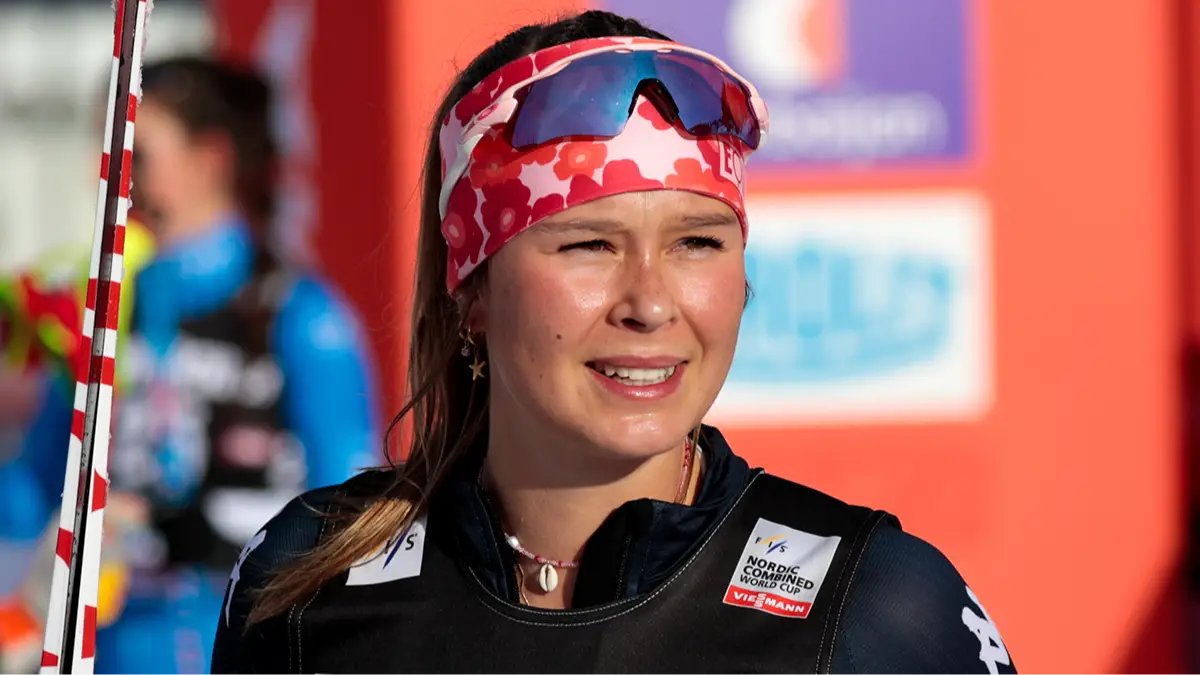
US athlete Annika Malacinski has opened up about training for 'five years' for a sport which the Olympics still doesn't allow women to compete in.
You may be a keen Winter Olympics watcher, but how much do you know about Nordic combined?
The first major competition for the sport was held years before, in 1892, in Oslo. And when the first Winter Olympic Games were held in France in 1924, Nordic combined was included.
The sport has historically maintained one key rule - it doesn't allow women to compete. Although in 2021, the women's event had its first world championship.
Advert
Yet in the upcoming 2026 Winter Olympics, women still aren't set to receive their own event. But what is Nordic combined, and why does it not allow women to compete?
What is Nordic combined?
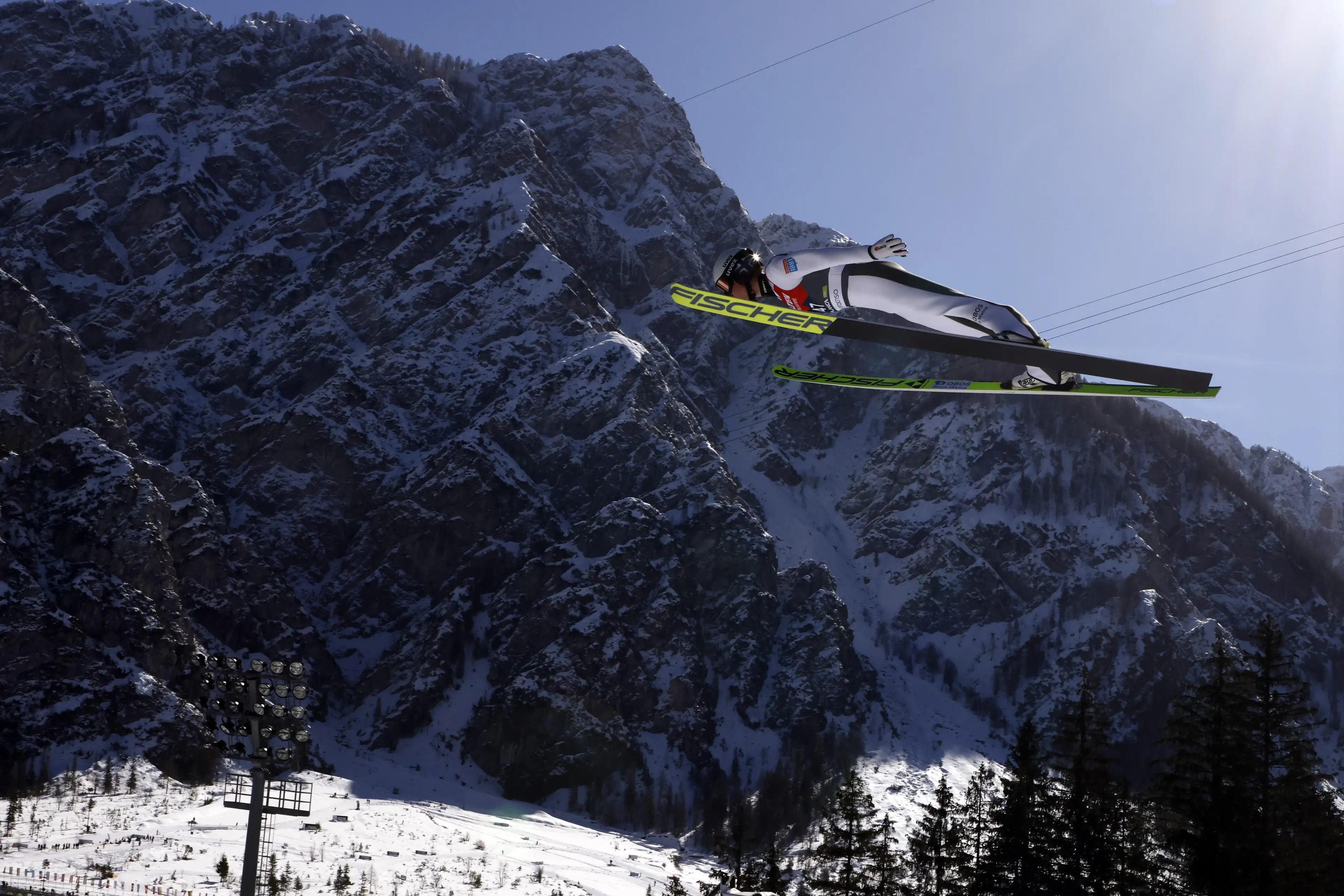
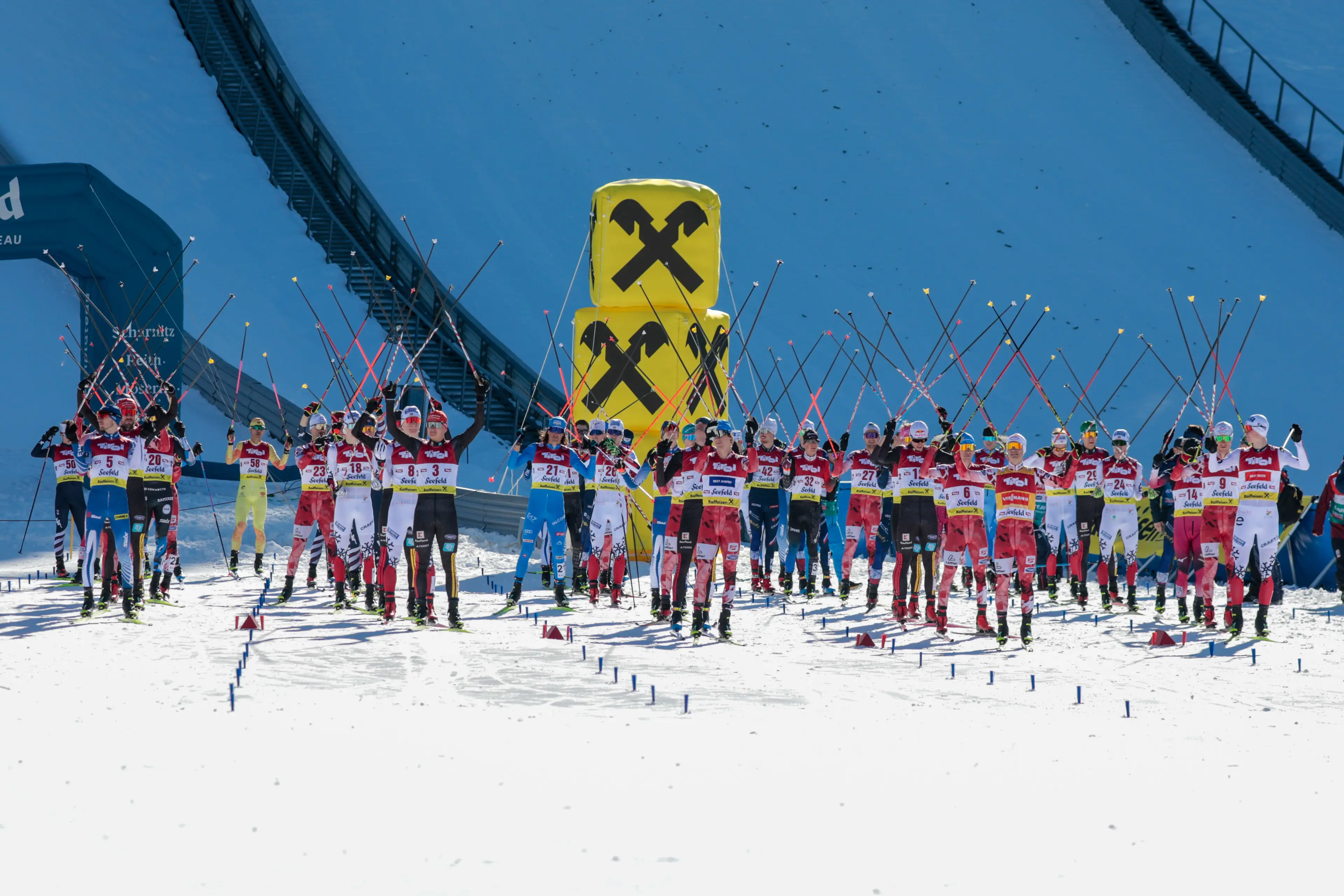
Nordic combined is a winter sport that combines cross-country skiing and ski jumping. The competition begins with a jump from a hill - rather them than me - before doing a 10km cross-country race later that same day.
Whoever wins the first jump competition starts the race with a time of 00:00:00, whereas all other athletes start with a time disadvantage based on their scores in the first jump.
Then, like how most races work, the first to cross the line wins.
The events in the Olympics include the individual normal hill and 10km race, the individual large hill and 10km race, alongside the team sprint large hill and 2x7.5 race; however, none allow women.
And there's no women's singular Nordic Combined event at the Olympics either. But why aren't women allowed to compete?
Why aren't women allowed to compete in Nordic combined?
In the Milano Cortina d'Ampezzo 2026 Olympic Games, Nordic combined remains the only sport in which women will not compete.
In 2022, the International Olympic Committee (IOC) decided not to add a women's event to the skiing program despite the women's event having its first world championship the year before.
The IOC reportedly justified its decision on the basis of Nordic combined not having a big enough audience even in the men's division, alongside pointing to a lack of 'diversity of countries' being able to take part, ESPN reported at the time.
The decision faced particular backlash given the IOC's release titled: "Milano Cortina 2026 set to become the most gender-balanced Olympic Winter Games in history."
And US athlete Annika Malacinski has spoken out, condemning the rule.
What Nordic combined athlete Annika Malacinski has to say about it
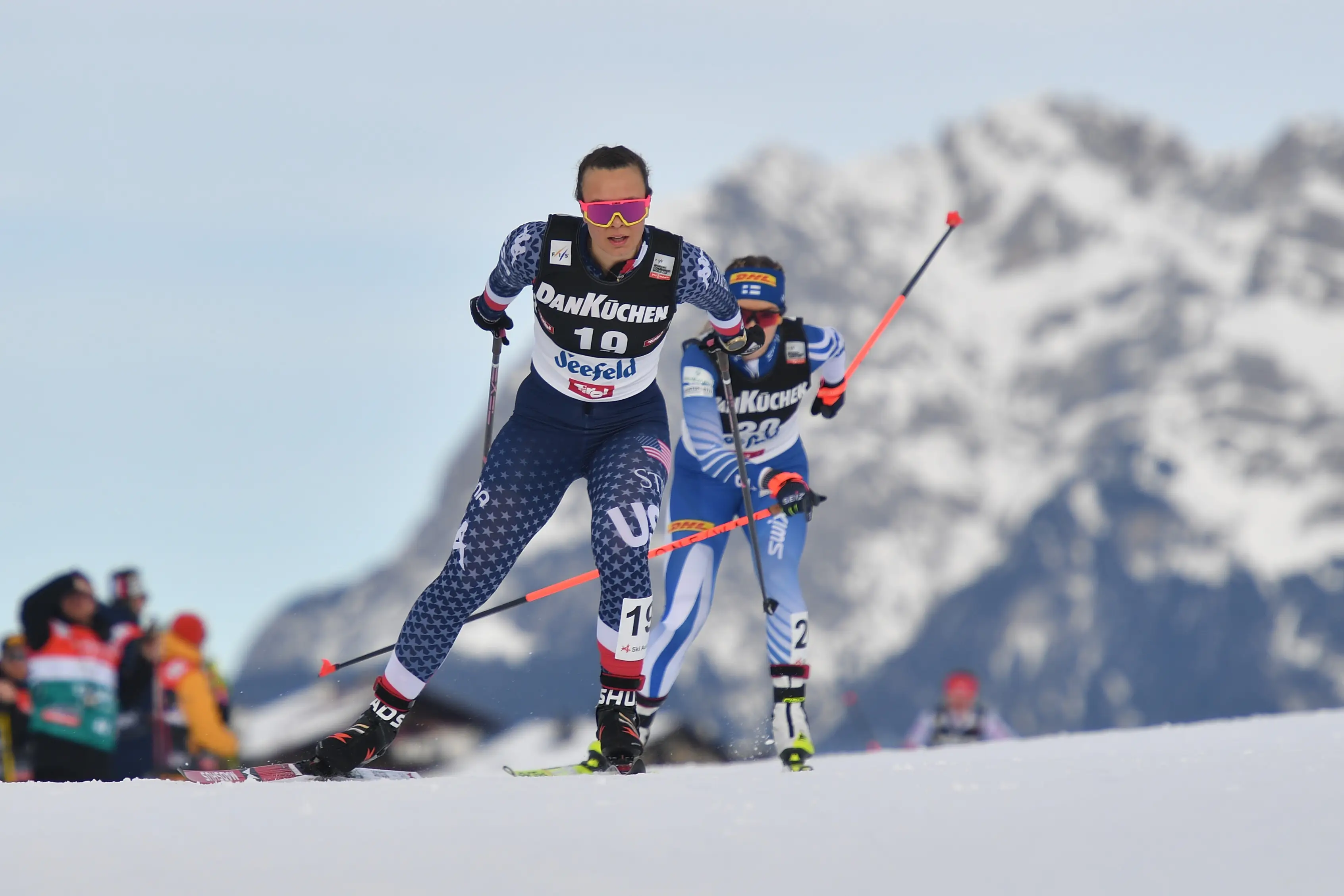
In an op-ed for SELF, Malacinski reflected on training 'for five years' for her sport and being 'beyond ready to rewrite history'.
However, after being told the upcoming games would still not include women in Nordic combined, she was left crying 'for eight hours straight'.
Despite multiple formal proposals requesting women be included in the sport in the Olympics across the years, the sport Malacinski has 'trained for, sacrificed for' and 'fought for' and yet she is still not allowed to compete.
She reflected: "The question has never been whether we’re capable of performing in the sport. It is whether we’re allowed to jump from the same hill and stand on the same stage as men.."
Raising awareness of the 'fraction of the funding, media coverage and event opportunities' in women's sports versus men's, Malacinski argued the 'gap shapes development pipelines, sponsorships and visibility'.
The athlete called on viewers to recognise the 'heartbreak' but also 'hope' women Nordic combined athletes have to be included in the Olympic sport one day, resolving: "I'm not done fighting for that."
What has the IOC said?
In a statement to PEOPLE, the IOC said they 'acknowledges the challenges currently faced by the discipline of Nordic Combined, for both men and women', with the sport undergoing 'a full evaluation following the Olympic Winter Games Milano Cortina 2026'.
They continued: "Following this evaluation, the IOC will take a decision on the inclusion of Nordic Combined for men and women in the programme of the Olympic Winter Games French Alps 2030.
"As women have not yet been part of the Olympic Nordic Combined programme, and as the men’s events have been under review, the decision was taken to retain the men’s competitions for one additional edition and to conduct a data-driven assessment after Milano Cortina 2026."
Topics: Olympics, Sport, World News
 Poppy Bilderbeck