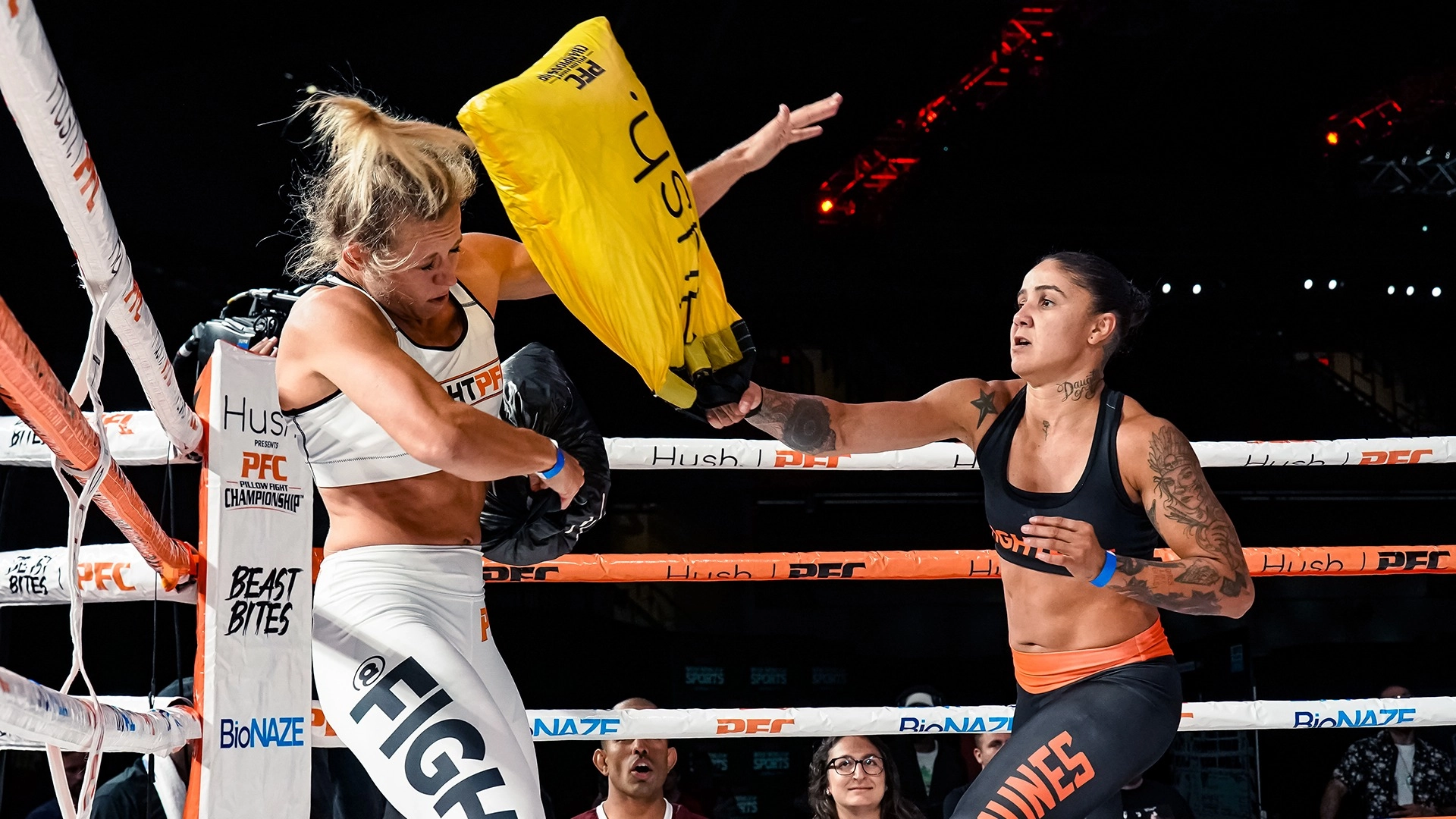
UFC stars are becoming pillow fighters in bizarre new sport - and plan to make it part of the Olympics

A new sport is drawing in ex-UFC fighters by the bucketful, and it’s not quite the violence-laden spectacle you’d expect.
The sport is professional pillow fighting. And before you close the tab, know this: it's on ESPN, it's pulled the highest audience retention numbers on the network, and former UFC hardmen are queuing up to compete in it.
There's a conversation Steve Williams has had more times than he can count.
He pitches his sport, watches the person's face cycle through confusion, skepticism and barely-concealed laughter, and then, once they've actually seen it on the TV, watches them become a fan on the spot.
Advert
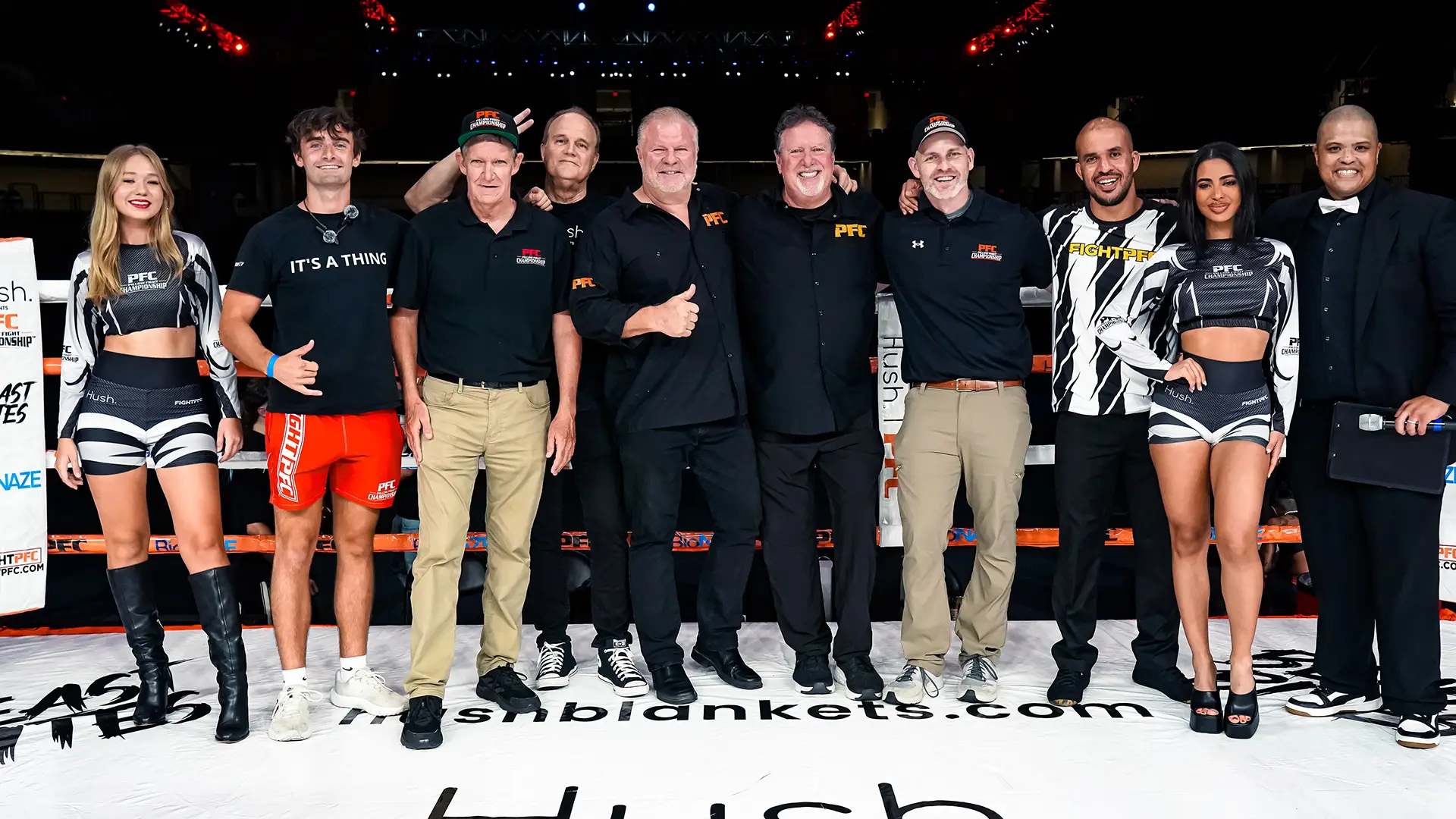
Williams is the co-founder and CEO of the Pillow Fight Championship, the PFC, a fully professional combat sports organisation now licensed in nine countries, with its own patented equipment, a world champion who trains students at his martial arts academy, and an Olympic ambition that, somehow, doesn't feel entirely far-fetched.
Kevin, who runs the social media, spent over a decade at WWE. He knows entertainment. And he's convinced he's landed on something that sits in a gap neither the UFC nor Vince McMahon ever thought to fill.
"We fit squarely between UFC and WWE in our own niche," Williams said. "The competition is 100% real with a truly unique entertainment value."
Kevin Powers, the PFC's chief content officer, agrees. "We definitely embody that Ocho Sports spirit," he says, referencing ESPN8: The Ocho, the network's home for offbeat sports programming where the PFC has now aired twice.
"The kind of 'wtf is this' on paper, but once you actually see it, you become a fan."
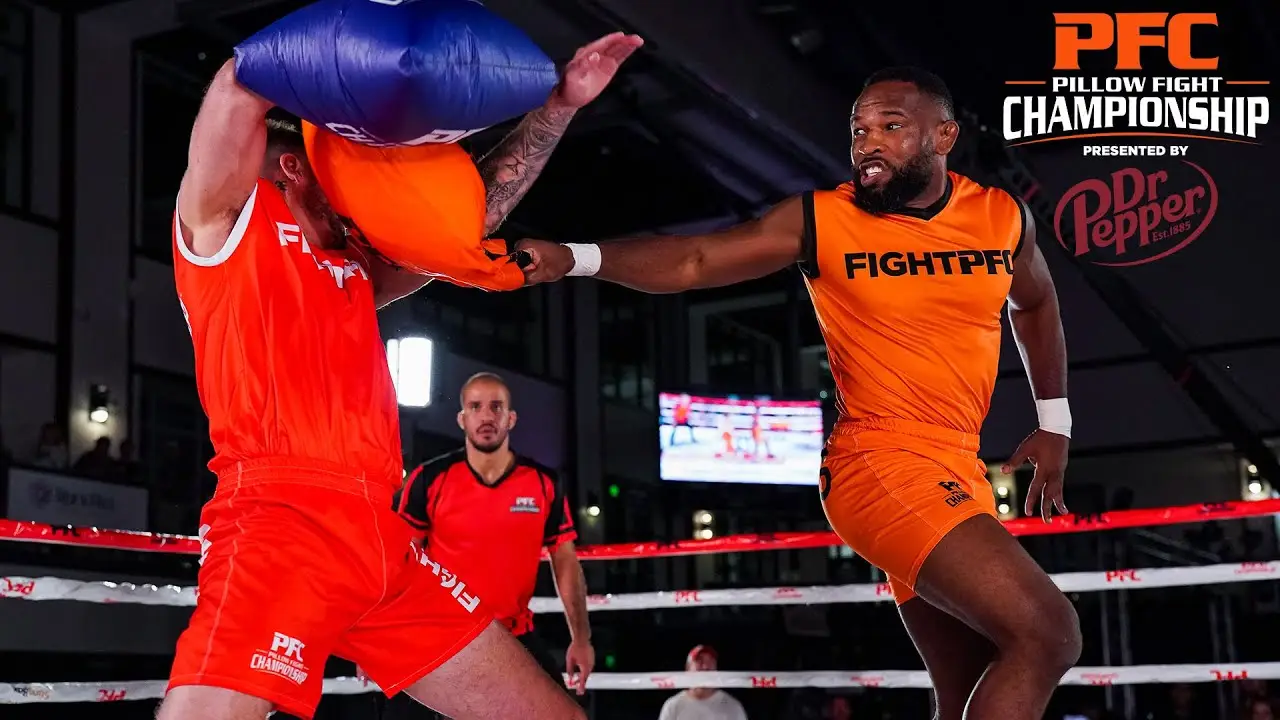
What are the rules of professional pillow fighting?
Matches consist of three 90-second rounds, with a 60-second rest period between each round.
Fighters must adhere to a strict code of conduct:
- DO swing the pillow with full force.
- DO hold the pillow by its straps with only one hand; two-handed overhead strikes are prohibited.
- DON'T strike your opponent below the shoulders or use any part of your body (hands, feet, head) to hit them.
- DON'T grab your opponent, grab their pillow, push, or charge.
- DON'T drop or throw your pillow.
Points are awarded by judges and referees based on the technique and impact of headshots:
- Clean head strike: 1 point.
- 360-Degree spin strike: 3 points
- Knockdown: 5 points are awarded if a fighter knocks their opponent to the mat.
- Showmanship: 1 point per round can be awarded for acrobatic moves (like cartwheels or backflips) and evasive dodging
The pillows themselves are worth understanding.
They're not the things your mom fluffs before guests arrive The PFC's patented Combat Pillows are constructed from a neon-coloured ripstop nylon originally sourced from sailcloth, a material Williams stumbled upon almost by accident during the sport's development, with a special coating that makes the pillow air-tight, creating a drum-like surface that cracks like a whip on impact. A single-handed grip is mandatory. The noise, Williams says, is visceral.
"That shocking hit was the loudest I ever heard. Despite the noise the fighter was completely undazed, which is a very valuable feature of our patented pillows and sport."
Which fighters are taking part in professional pillow fighting?
The fighters, it turns out, are the easy part. It's everyone else Williams has to convince. "Whenever I mention 'Professional Pillow Fighting' I get a wide range of responses," Powers says. "Almost always the first thought that comes to mind is 'Women in lingerie', but then I'll bring up our Instagram or YouTube, show off what we do and from there we usually have a new fan."
As for actual UFC fighters? It’s an easier draw than you might think. "Pitching PFC to a former UFC fighter is far easier than pitching a current PFC fighter," Williams explains. "Former fighters see it as fun and a way to get back in the ring and stay relevant, without getting more headaches, injuries and CTE, and get paid for having the most fun they've ever had in or out of the ring."
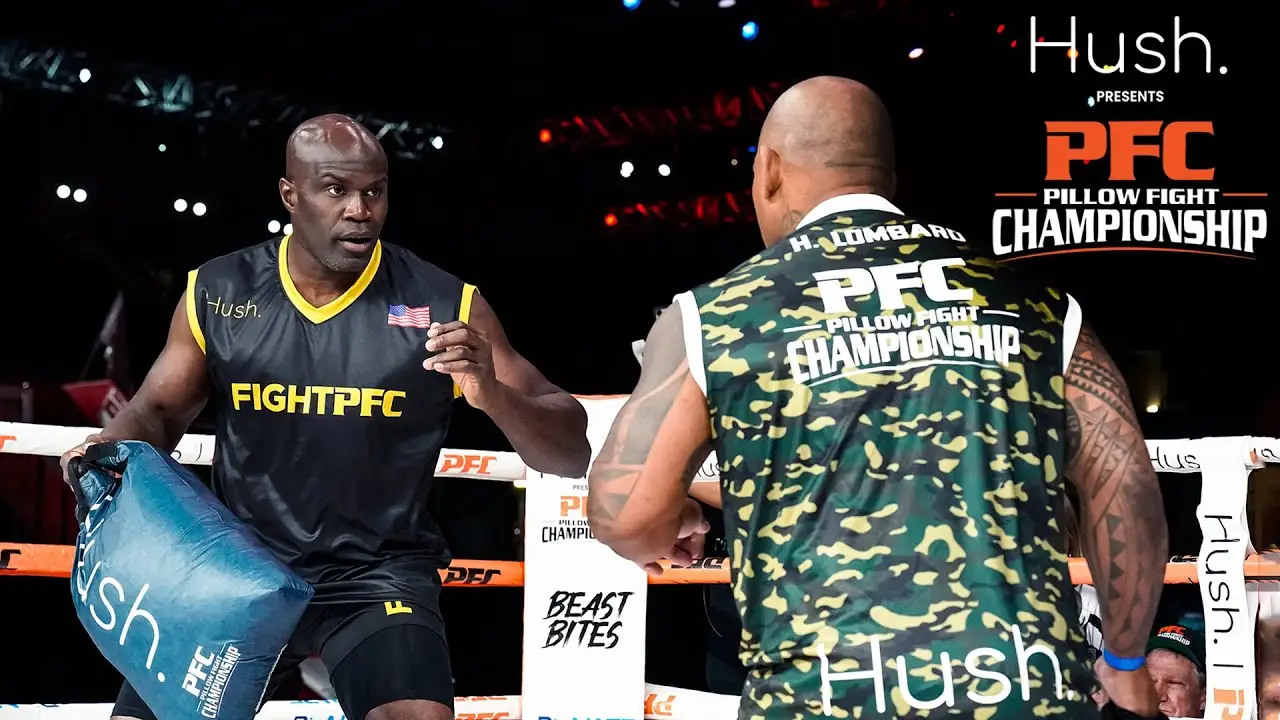
That dynamic played out in spectacular fashion last August, when former UFC veterans Cheick Kongo and Hector Lombard, fighters who between them have faced some of MMA's most dangerous names in sold-out arenas, went toe-to-toe at the ESPN Wide World of Sports Complex inside Walt Disney World.
In a pillow fight. Live on ESPN. The comments on YouTube, had a field day. "Wow, I always wanted to see Lombard vs. Kongo, and now we get it in pillow fighting," read one reaction. "Truly a man's dream." Another: "In the era of 98-year-old Mike Tyson losing to a roided-up loser, this is the best outcome for retired MMA fighters."
Lombard took the win. Both men, by all accounts, had the time of their lives.
This is the PFC's secret weapon. Strip away the tough-guy infrastructure of professional combat sports, the blood, the brain damage, the existential weight of a loss, and what you're left with is people who genuinely love to compete, finally allowed to show it.
"The fighters are loose and in a good mood, their personalities come out as opposed to a rigid UFC mindset where death is possible in every fight," Williams says.
"Fighters get loose and have fun with each other and the crowd. It's the best unscripted entertainment, it's 100% real and the things that go down are 100% organic."
BKFC fighter Uly Diaz, who holds the record for the fastest knockout in Bare Knuckle Fighting Championship history, competed in the PFC's ESPN show and, per Williams, "had an absolute blast and can't wait to fight again." Current PFC world champion Leandro "Apollo" Silva has gone further still, incorporating pillow fighting training into his martial arts academy curriculum.
What are the plans for the Olympics?
The PFC's next major event lands on July 3rd in Altoona, Pennsylvania, taking over a minor league baseball stadium. After that, Williams has his eye on monthly tournaments, global leagues, and, at the furthest point of his ambition, the Olympic Games.
Steve added: “The Combat Sports landscape is moving in our direction. We’re already licensed and played in 9 countries. We're growing rapidly and people really see the value in what we're offering for all ages.
“In five years, I see us being an even bigger global sport with leagues all over the world and our ultimate goal is to get into the Olympics!”
 Thomas Bamford