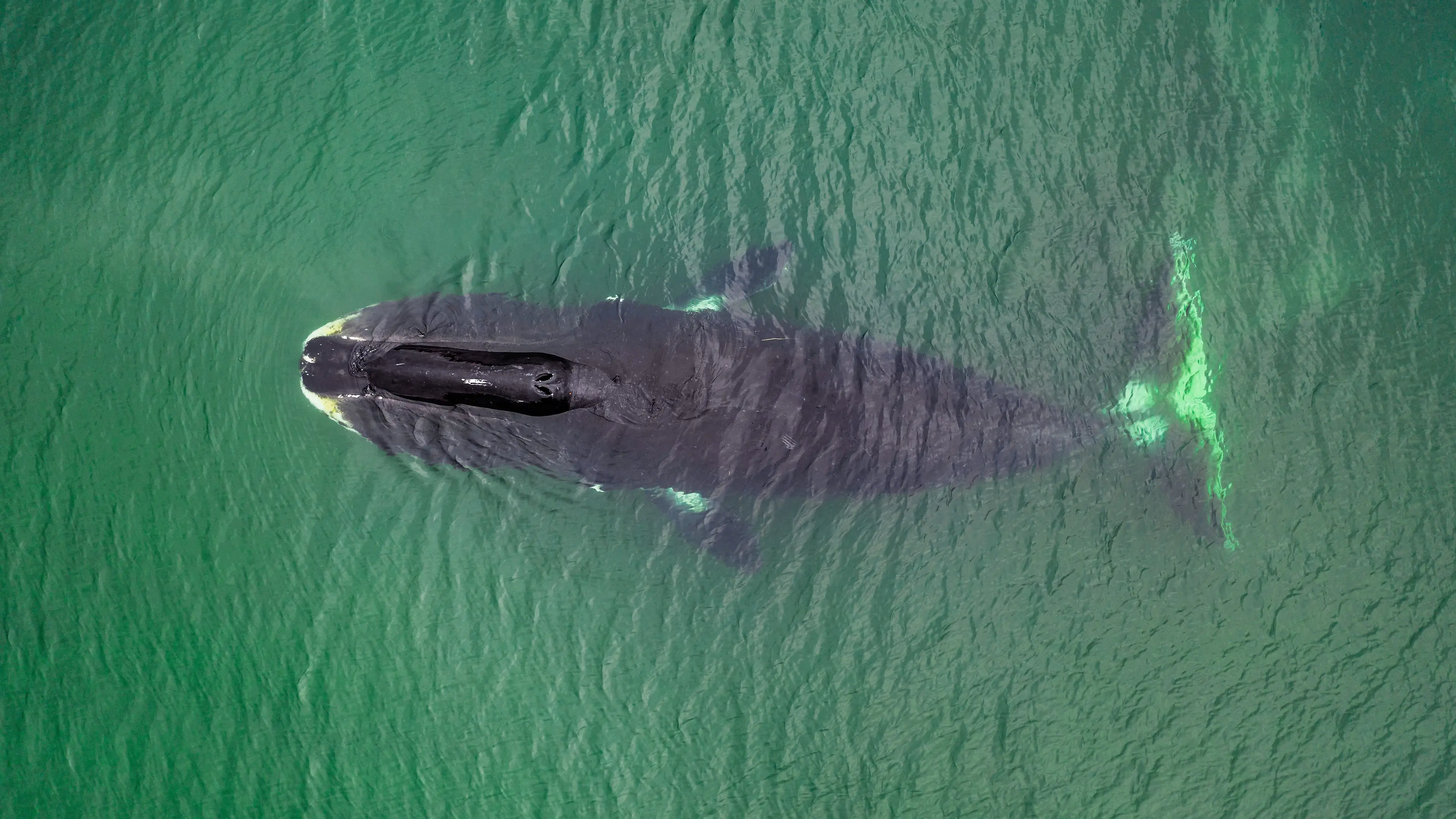
Scientists discover protein in whales that could help humans live up to 200 years

Experts think they have discovered a way for humans to take advantage of whales’ 200-year-old lifespan.
As if we aren’t living long enough, the University of Rochester scientists link whales’ longevity could be the key to treating common diseases that kill humans.
As the largest mammal on Earth, whales are known for having the amazing ability to dodge natural predators due to their massive size.
Apart from the odd shark or orca, whales simply live life in the open ocean, floating by, and eating tiny organisms.
Advert
They even manage to stay clear of diseases, meaning they can live for hundreds of years if they aren’t harmed by outside sources.
When it comes to humans, however, the CDC say the average life expectancy of people in the US is 78.
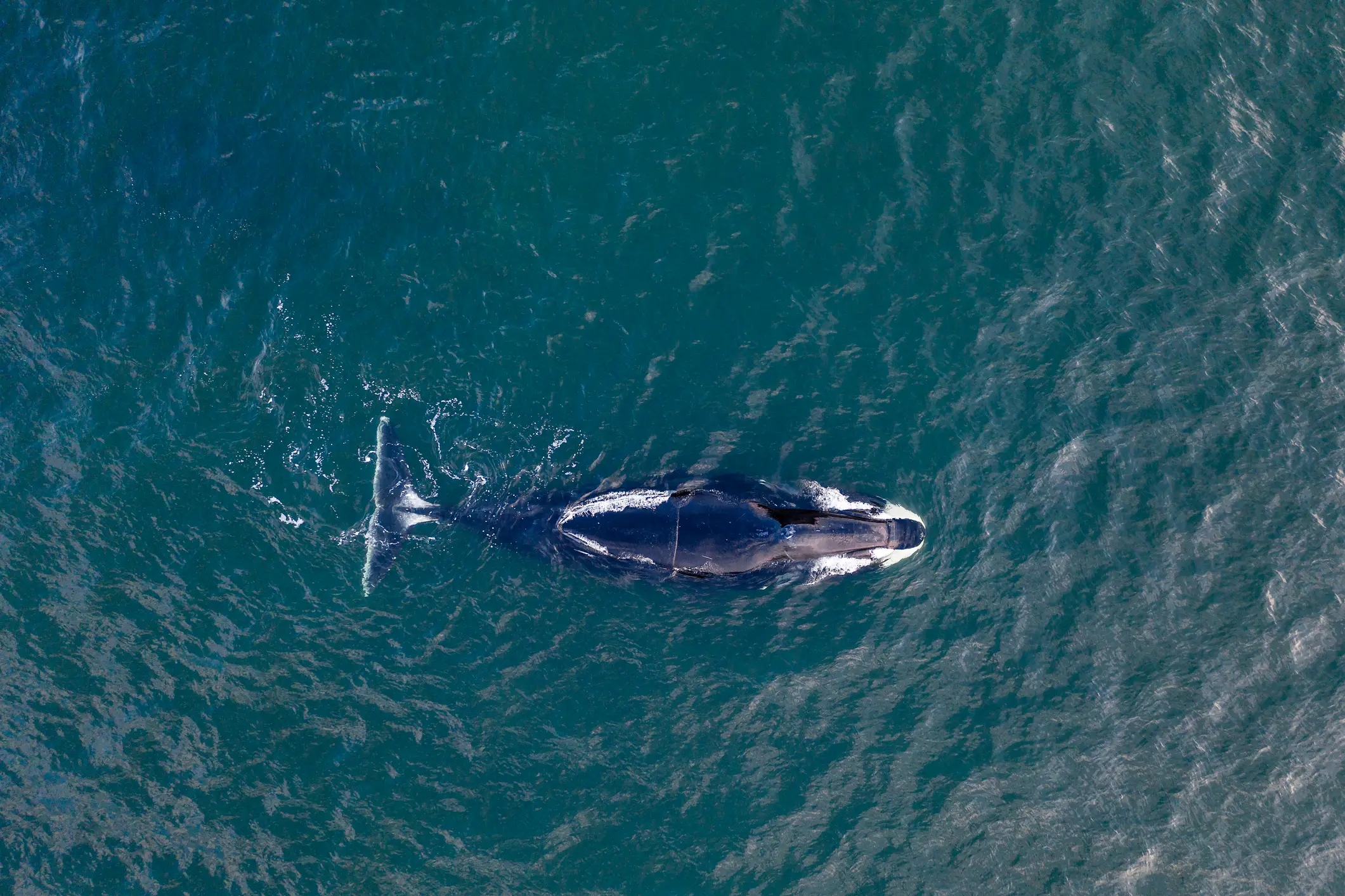
But new research from URochester scientists that was published in Nature, found that a certain protein called CIRBP, could increase our lifespan.
Found in whales, the protein works to repair double-strand breaks in DNA, which is something that can cause disease and shorten lifespan in many species.
While there are other animals who have the protein, whales have around 100 times more – which is probably why they live so long.
Led by professors Vera Gorbunova and Andrei Seluanov and first authors Denis Firsanov, and Max Zacher, the research revealed that bowhead whales have the most CIRBP, and if humans were able to get their hands on some, it could do enhance our longevity.
“This research shows it is possible to live longer than the typical human lifespan,” says Gorbunova. “By studying the only warm-blooded mammal that outlives humans, our work provides information about the mechanisms that allow such extended lifespans, underscoring the importance of genome maintenance for longevity.”
They also speculated that large animals like elephants and whales – who have less instances of cancer – must have evolved to repair their genes, essentially preventing cancer before it has the chance to grow.
In the end, they determined that the cells themselves are more cancer-proof than that of humans, and after studying cells harvested from bowhead whale tissue, the CIRBP was seen to be a clear answer to living longer.
Seluanov said that lowering the temperature made CIRBP increase its production, but: “What we don’t yet know is what level of cold exposure would be needed to trigger that response in humans.”
Gorbunova said that at the moment, they are looking at ways for humans to boost their production too, noting: “Both boosting the body’s existing CIRBP activity or introducing more of the protein may work. Lifestyle changes—things like taking cold showers—might contribute too and might be worth exploring.”
“There are different ways to improve genome maintenance and here we learn there is one unique way that evolved in bowhead whales where they dramatically increase the levels of this protein,” Gorbunova added. “Now we have to see if we can develop strategies to upregulate the same pathway in humans.”
 Britt Jones