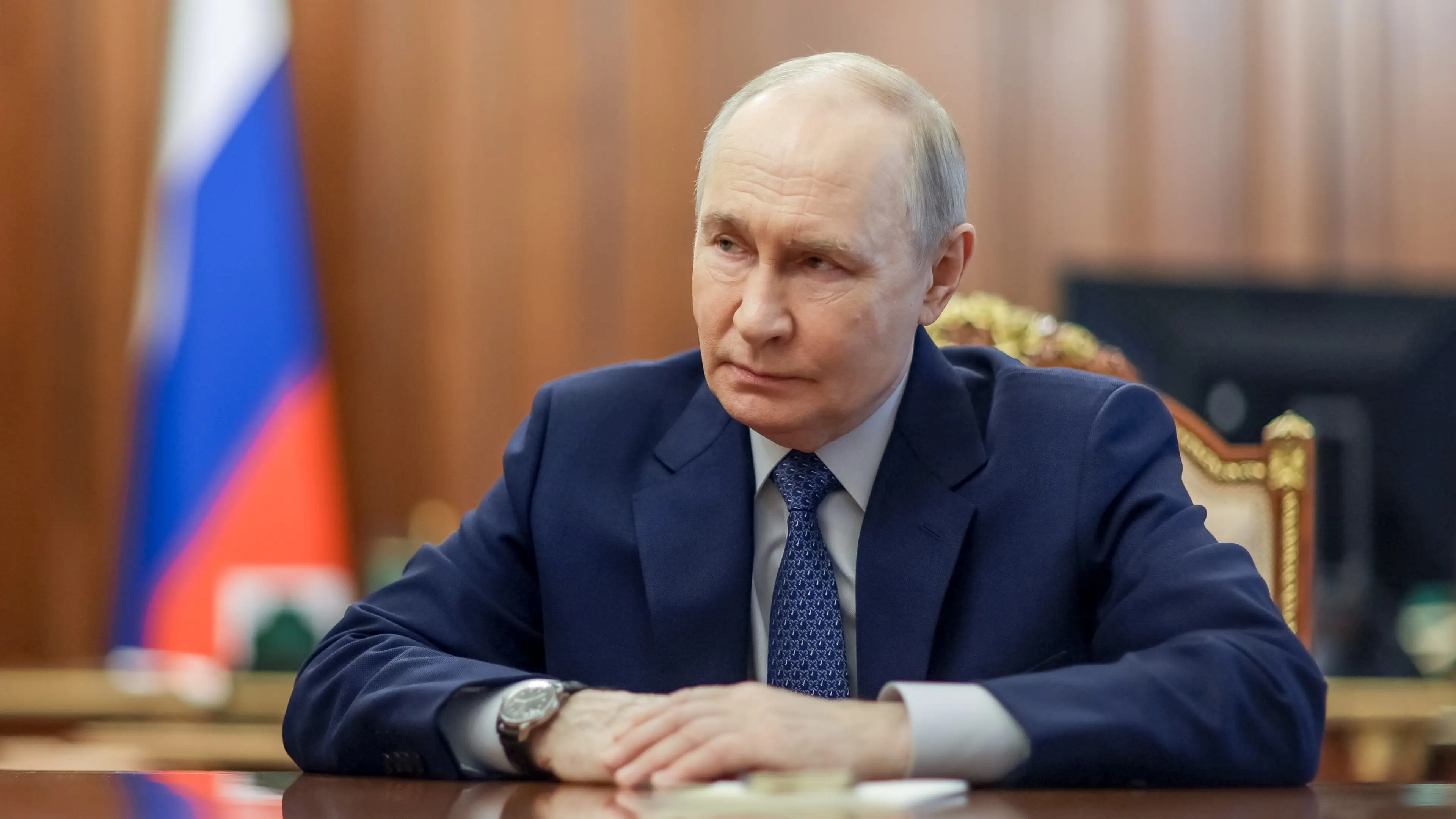
What would happen if Putin died as Russian leader caught coughing and struggling for breath

After the Kremlin accidentally released footage online of Russian President Vladimir Putin appearing to struggle for his breath as he entered an impromptu a coughing fit mid-speech, what would happen if his health was to nosedive has been on many people’s minds.
The 73-year-old was caught attempting to clear his throat during a pre-recorded address for International Women’s Day – showing him continuously pausing as he coughed before flagging someone off camera.
Per the Moscow Times, he said to the person: “You know, let me say that again, because … my throat’s a bit scratchy. Yes, a bit scratchy. I almost started coughing. I’ve been talking a lot today."
However, the clip was taken down from the Kremlin’s social media accounts, before being replaced with a shorter clip that no longer had Putin’s coughing contained within.
Advert
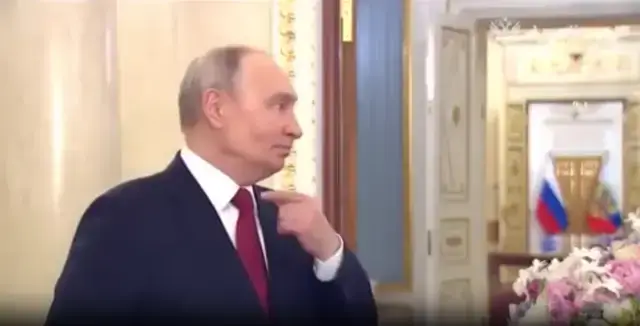
Over the decades Putin has been in power, he has had allegations levied against him regarding his health.
For example, allegations have included things like cancer, strokes, and Parkinson’s disease.
In 2014, an academic called Valery Solovey claimed that Putin had cancer and would be dead within six months.
Then in 2023, Ukraine’s leader, Volodymyr Zelenskyy speculated that he was dead, with Solovey also stating the same thing.
There were also rumors that he was using a body double to carry out his bidding.
However, if he were to die, an heir would have to be chosen for the first time in 27 years, as Putin took power in 1999, with a little gap between 2008 and 2012.
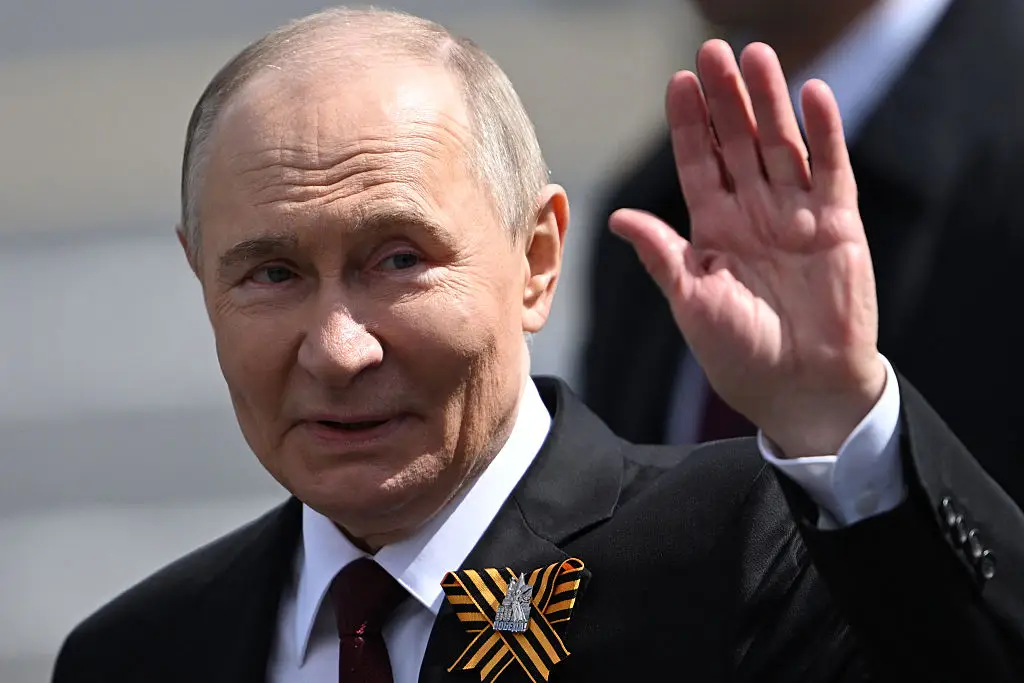
When Joseph Stalin died in 1953, a process began to hash out his succession – which was decided between the higher ups in the Soviet Union.
At this point, someone would be elected to stand in his place, much like you’d see in any other nation’s presidential process.
According to Jens Siegert's book, Where is Russia Heading? Scenarios for the Time Afterwards, life in Russia after Putin could be see a Democracy form.
However, this means that the public and the government will have to disagree on continuing an authoritarian and imperial institute – which if history has anything to say about it, may not be an easy task to complete.
However, if they were to do it, they could see themselves integrate closer into European standards and relationships.
The book talks about a lot of ways this can happen, but considering we’ve no actual knowledge about the Russian succession process other than they choose an acting president until a permanent person can fill the position, who can say?
Topics: Russia, Politics, Health, Vladimir Putin
 Britt Jones