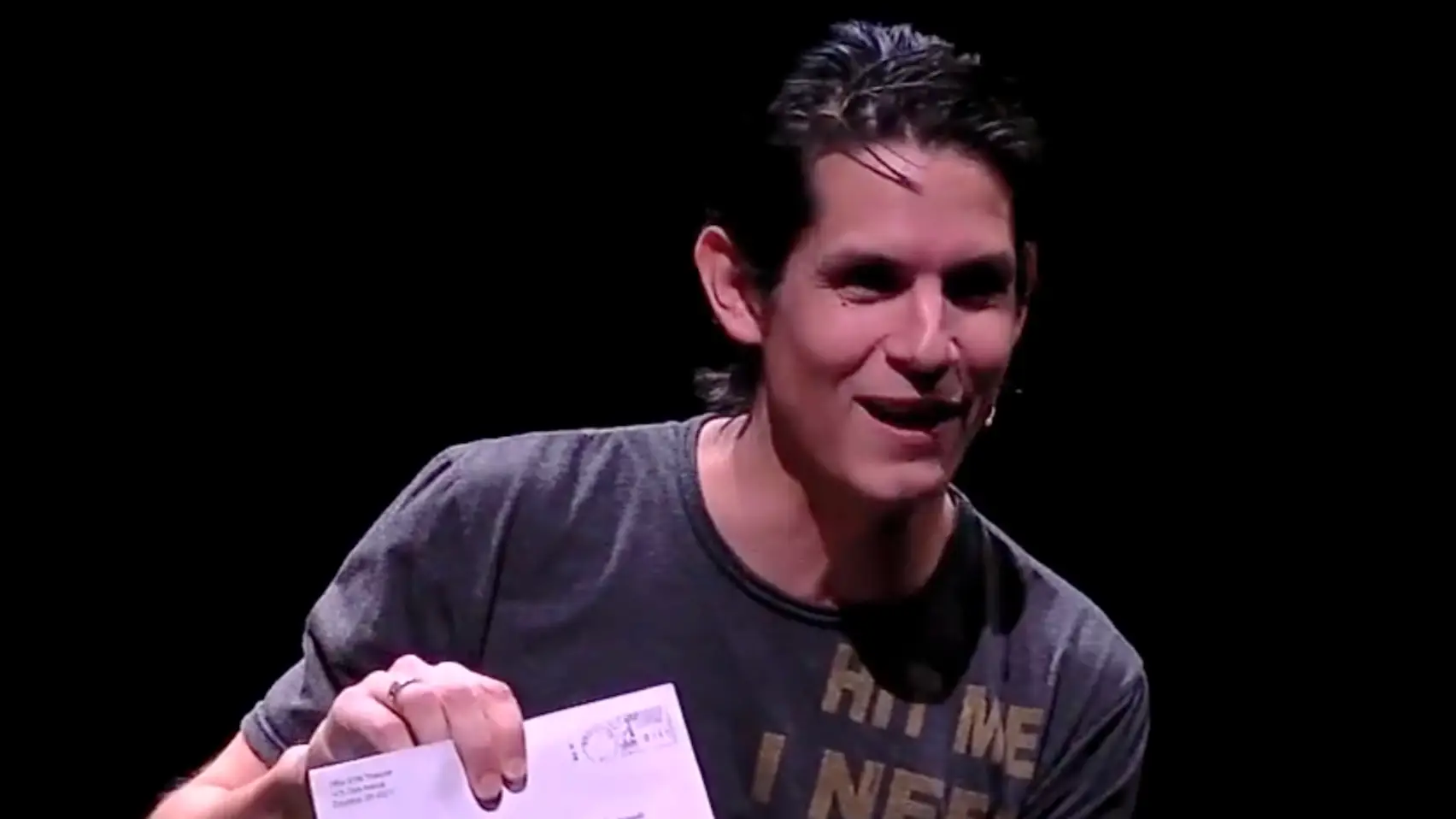
Man who was told he could keep $100,000 from bank after using fake check explains why he gave money back

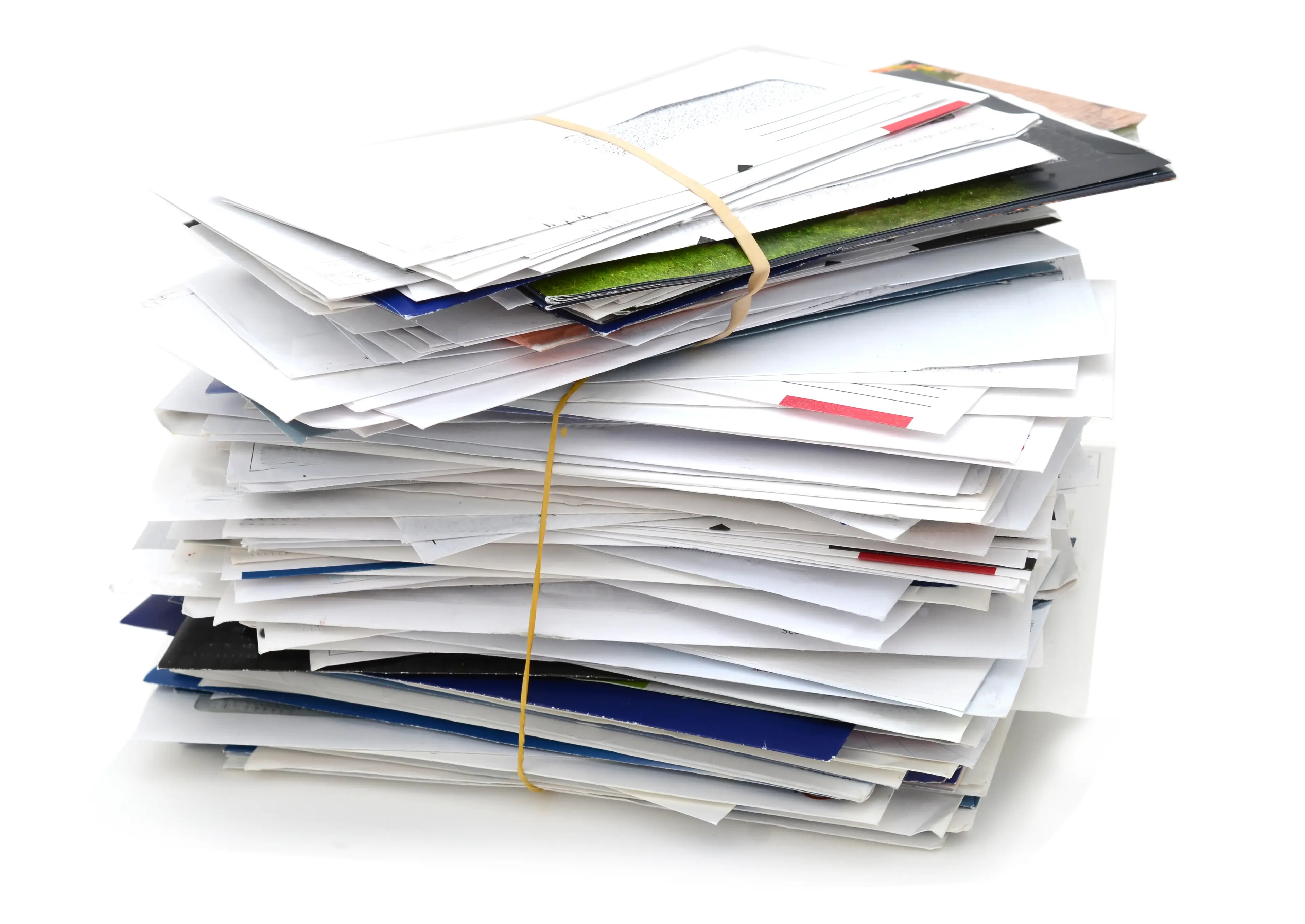
A junk mail letter with a fake cheque for $95,093.35. Certainly not meant to be deposited. Yet one man's random decision to try cash it in at the bank paid off - quite literally.
Unless you've stuck a 'No junk mail' sign on your door - and even then, it's often a futile attempt to ward junk mail away - you likely receive a plethora of tat through your inbox which you likely discard straight in the trash.
However, Patrick Combs did no such thing when he spotted a junk-mail letter from a 'get-rich-quick company' back in 1995.
Instead, Patrick decided to indulge the company and give it a second glance.
Advert
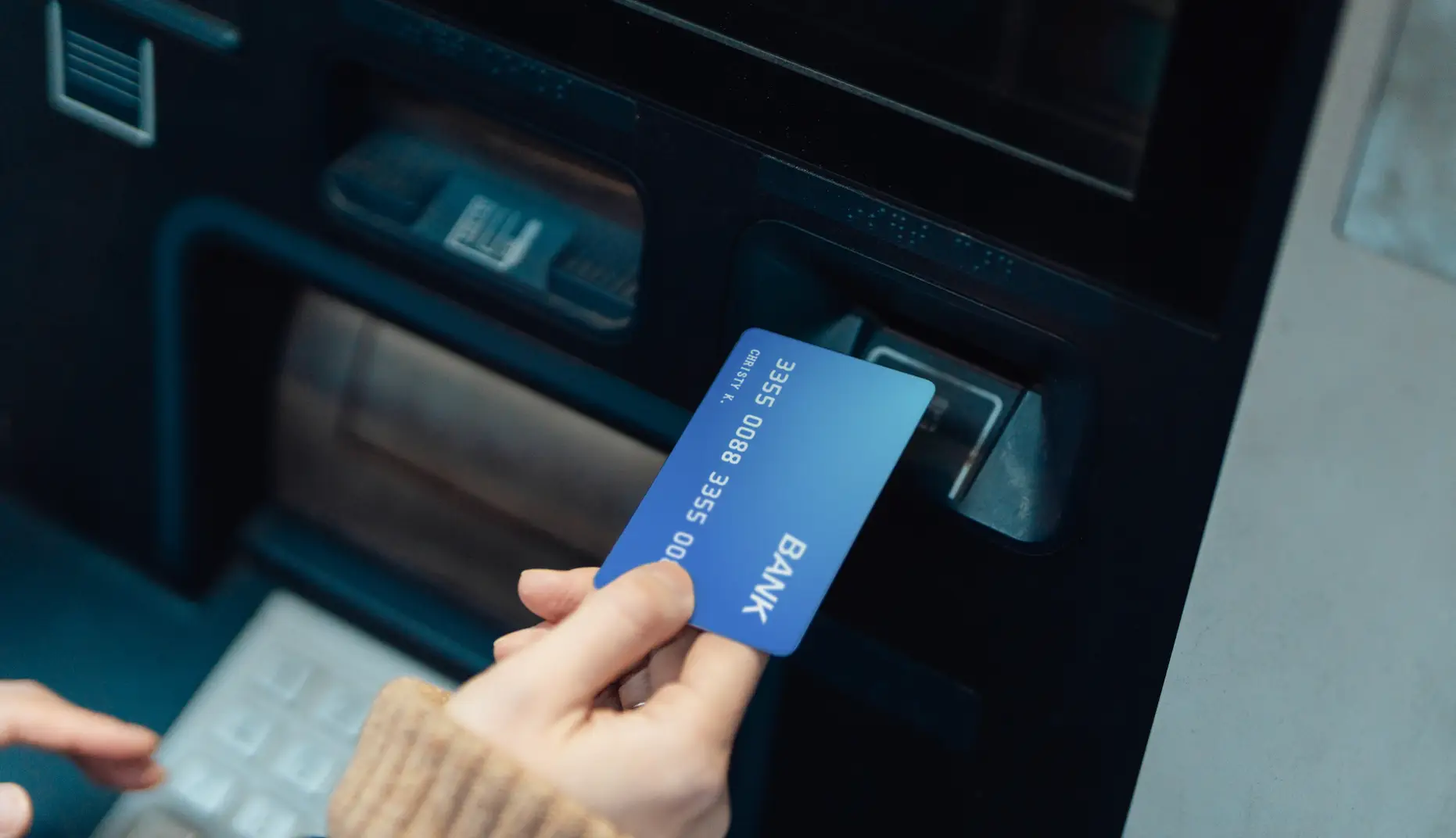
And not just that, but deposit the fake cheque into his bank's ATM as a 'joke'.
The cheque turned into a whole lot more than 'fun' for Patrick though and even became quite a serious issue.
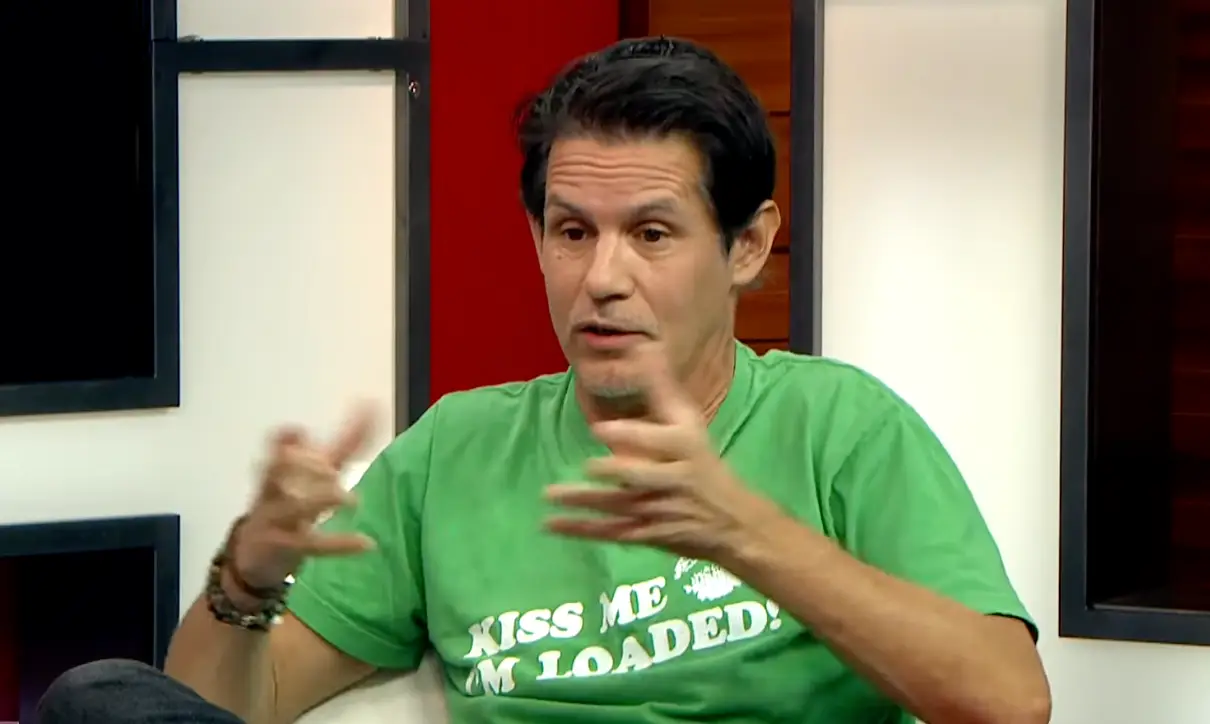
In an op-ed for the Financial Times, he joked: "I'd never had so much fun at my bank."
Days passed and Patrick forgot about his prank on his bank. He'd potentially expected a short phone call or letter informing hi the cheque was fake but heard nothing.
It was only five days later when he withdrew some money from an ATM he saw his bank balance had increased by... You guessed it, $95,093.35.
Patrick quickly turned to his friends to question what to do next.
One informed him it was standard bank policy to credit the account but that during the clearing process it would realise the cheque was fake and would bounce it back, Patrick's balance certain to return to 'embarrassing again in three days'.
But a week later and nothing changed.
Patrick revealed: "I visited the bank where an employee told me that the funds were now all available for cash withdrawal. All $95,093.35 was mine for the taking."
That being said, Patrick didn't withdraw all the money, but held out for another two weeks, thinking the bank may realise and bounce the cheque.
Three weeks later he was told by his bank manager: "You’re safe to start spending the money, Mr Combs. A cheque cannot bounce after 10 days. You’re protected by the law."
Alas, the bank manager was wrong. Although, the real law actually helped Patrick's situation even more.
He discovered it's not a 10-day rule that protects a bounced cheque but in the US it's actually a 24-hour rule - the money safe to spend should the bank fails to notify you a cheque has bounced within just 24 hours. *Mentally takes note*
The 1990 Uniform Commercial Code also made it so the words 'non-negotiable' printed on a cheque don't actually invalidate it so the 'fake' cheque was, in fact, real, even if by accident.
So, if the money was real and had come out of the 'junk-mail king's' account, had they realised? And what would they do?
Well, Patrick expected him to come knocking, but instead, 'quite unexpected[ly]' it was actually his bank which allegedly 'confiscated' his card, locked him out from his account and sent a 'very, very angry' man to 'call on' him.
The bank's senior security offer 'threatened to send policeman' to Patrick's doorstep should he not return the money.
However, just before they came knocking, Patrick had withdrawn a cashier's cheque and locked it in a deposit box 'for safe keeping'.
Noting he would've returned the money instantly had the bank's branch manager called him up and asked so with 'politeness, courtesy and compliments,' Patrick revealed instead the bank's sending of 'their attack dog' prompted him to stand firm, demanding a letter from them if they wanted the money returned.
"My stance was, 'No letter taking responsibility for your mistakes, no return of the money which is legally mine,' he added.
News of the standoff spread, Patrick went viral, appeared on shows from Good Morning America to ABC Nightly News and '99 per cent' of the public backed him to not back down.
Patrick was hoping for 'a pleasant resolve with the bank over lunch' alas they sent a lawyer instead.
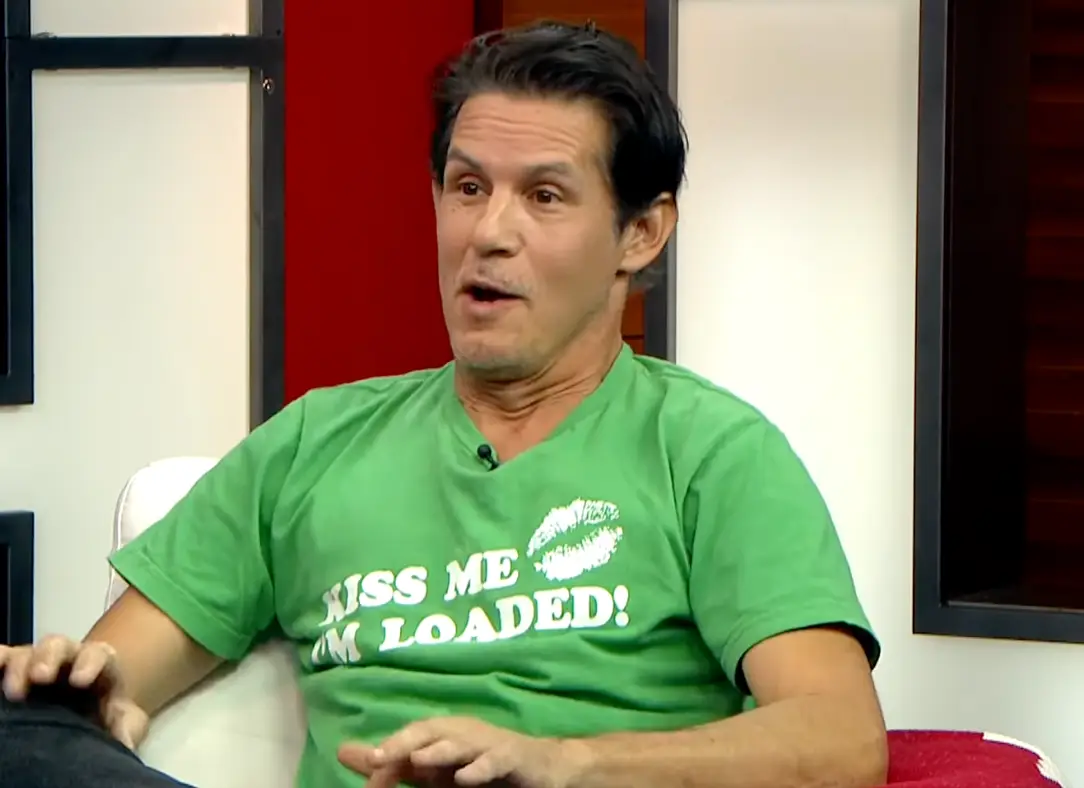
Ultimately, despite legal loopholes meaning Patrick may've had a chance to keep the cash, he decided to give the money back on the day of the OJ Simpson verdict, SFGate reports.
Patrick told the outlet he didn't want to become known as the 'loophole guy'.
He received a letter from the bank acknowledging its mistakes and admitting fault but that was it.
"It was so perfect. So flat. There was no reward whatsoever for doing the right thing. It was like I was winning something by giving away the prize," he added.
While he may've not ended up holding onto the cheque, the story prompted Patrick to develop a comedic one-man show telling his story, which has seen him travel across the globe and even achieve a month-long off-Broadway run in New York - and bring in over $100,000.
Patrick resolved: "Therein lies an irony. I owe despicable banks so much. Not just for the blunders that are the very basis of my show but also for the actions that have continued to create a ripe environment for my show for 10 years and counting."
Priceless, some may argue...
Topics: Money, Social Media, True crime
 Poppy Bilderbeck