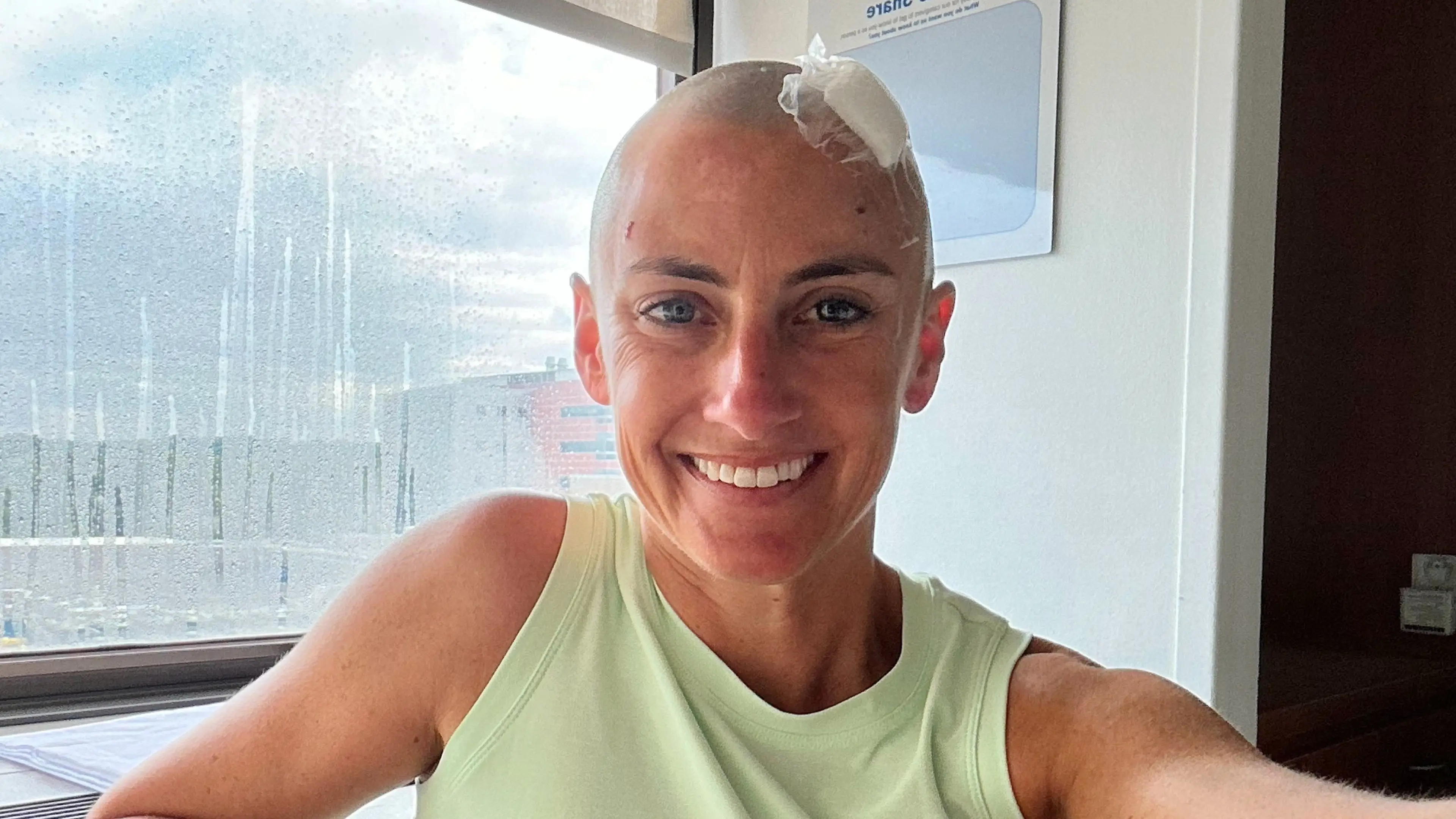
Woman, 37, discovers common symptom she blamed on running was actually Parkinson's

Mom Jessica Krauser experienced a number of seemingly unconnected symptoms in her 30s that most people would dismiss for the aches and pains of growing older, but she discovered they were actually early signs of Parkinson's.
When she began to experience a stiffness in her leg in 2017, Jessica put it down to the rigorous training regime she was going through to prepare for a half marathon. Then, she had another strange experience.
While she was trying to read in church, the otherwise fit and healthy mom struggled to hold a piece of paper in front of her. At work, this only got worse as Jessica began to experience hand tremors more and more.
The Columbus, Ohio, resident has shared how those closest to her started pointing it out. "My kids would always notice it and ask if I was nervous or scared, but I wasn’t, and thought it was just stress," she said.
Advert
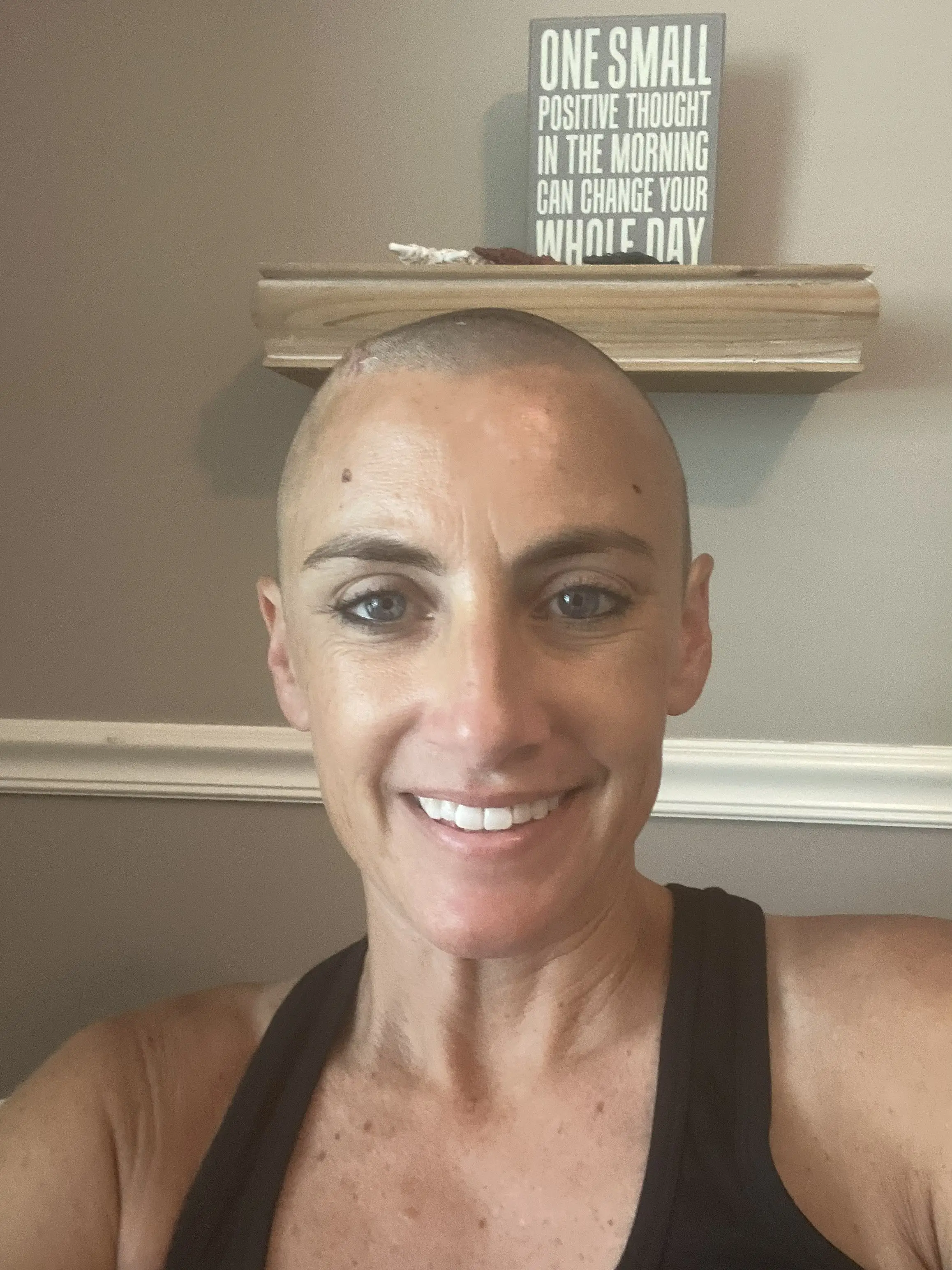
Jessica's leg issue was also getting worse, requiring constant massaging to lessen the pain. She said: "Many nights someone would have to rub my calf muscle because it felt like there was a tight knot that I just couldn’t get out."
Now 44, Jessica says at this point she realized that she needed to speak to a specialist and asked her gynecologist for a referral during a regular check-up. When she mentioned her symptoms, they immediately sent her for a neurological consult.
And it was as she began seeking answers that her symptoms took a noticeable turn for the worse. One leg began to drag and everyday tasks like typing and cooking were becoming increasingly impossible.
She said: "I didn’t connect shaking to neurology. I was also 35 at that point, and I was thinking 'why in the world would I need to see a neurologist?'"
Sadly, despite her age, her condition only got worse, with Jessica sharing that she decided to see a movement specialist after she was unable to sit down at a family meal on holiday without her body going 'all over the place'.
Following this, two years after she first noticed a pain in her leg and issues with her fine motor skills, the mom-of-two was finally diagnosed with the degenerative neurological disease known as Parkinson's.
With most sufferers developing the condition in their 60s, Jessica's diagnosis left her feeling quite lonely.
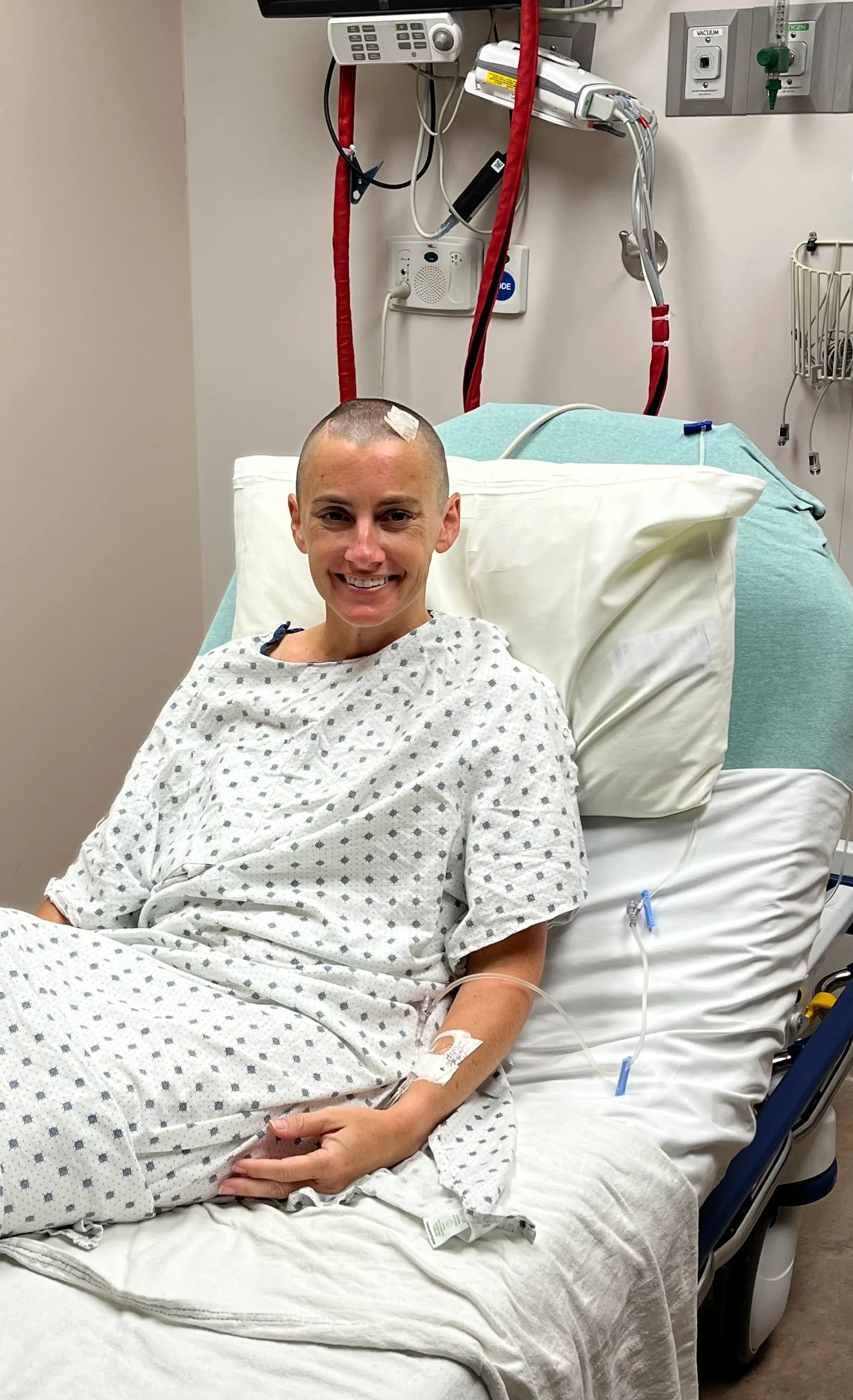
"For me, it was a lonely, hopeless feeling that was just as crippling as the disease can be itself. That’s why finding your community and support system is so important," she said.
Part of the difficulty is that Parkinson's can, at first, appear like an 'invisible' disability. She said: "My Parkinson’s isn’t always something people can see.
"It was constant and something only I could feel. People tend to think of Parkinson’s as just shaking, but it presents itself in many ways, depending on the person."
Now that she has gotten to grips with her condition, Jessica has started a podcast to explore the issues she faces and have enlightening conversations with other sufferers, 'The Secret Life of Parkinson’s'.
Through this new life as a podcast host, Jessica also discovered a pioneering new treatment for her disease, called DBS (Deep Brain Stimulation), which delivers corrective electrical pulses to regions of the brain responsible for movements.
In 2025, Jessica went through brain surgery to have the device installed in her brain to help her to control her spasms, as previous treatments had proved uneffective. Cleveland Clinic neurosurgeon Richard Rammo has explained why DBS was offered to her.
"Most people with Parkinson’s see initial improvement from medications, but for patients like Jessica, some may go on to develop dyskinesia or notice symptom control becomes less consistent over time," he explained.
And the treatment has changed her life.
"I found myself just lying in bed in the morning because it felt so nice not to be stiff anymore," Jessica said. "Before deep brain stimulation, I was either feeling my symptoms, or I was dyskinetic. Something was always going on, and I was constantly thinking about it.
"Now, my symptoms are so well controlled, I wake up every morning and don’t have to think about Parkinson’s. I’m able to focus on other things, like my family and friends."
 William Morgan