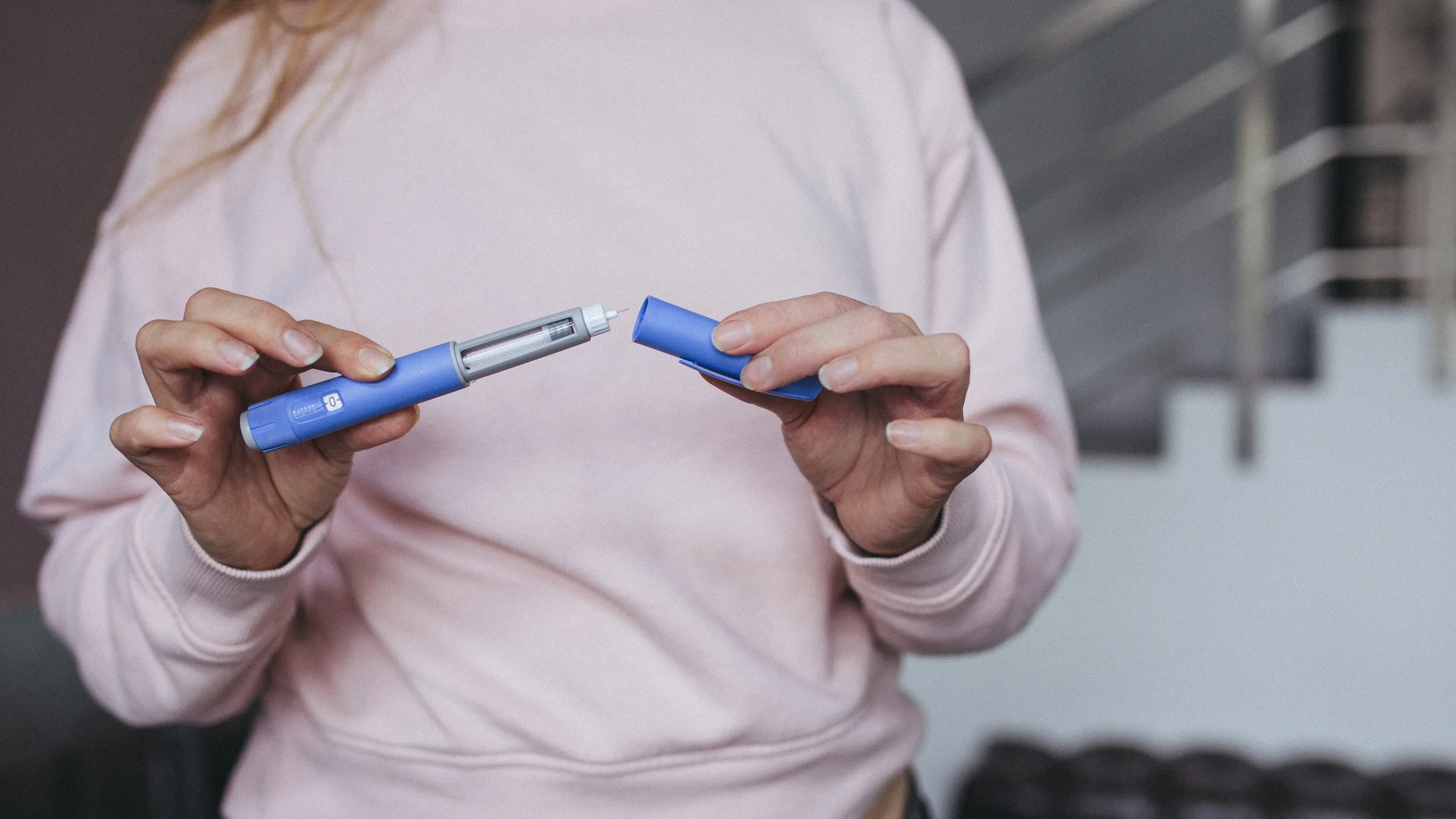
New study shows how weight loss jabs can have surprising impact on anxiety and depression

A new study has found a surprising effect of semaglutide medications on depression and anxiety.
Originally, the medications were licensed for use in treating diabetes.
They impact on the way that the pancreas produces insulin in the body, but also have a side effect in that they create a sensation of feeling full quicker when eating.
This means that when combined with diet and exercise semaglutides can assist in weight loss.
Advert
Since then, the drugs have become widely used for this in addition to their original purpose, but now a new study has found that there may be a new effect as well.
The study was published in medical journal The Lancet, and found a surprising impact on mental health conditions such as depression and anxiety.
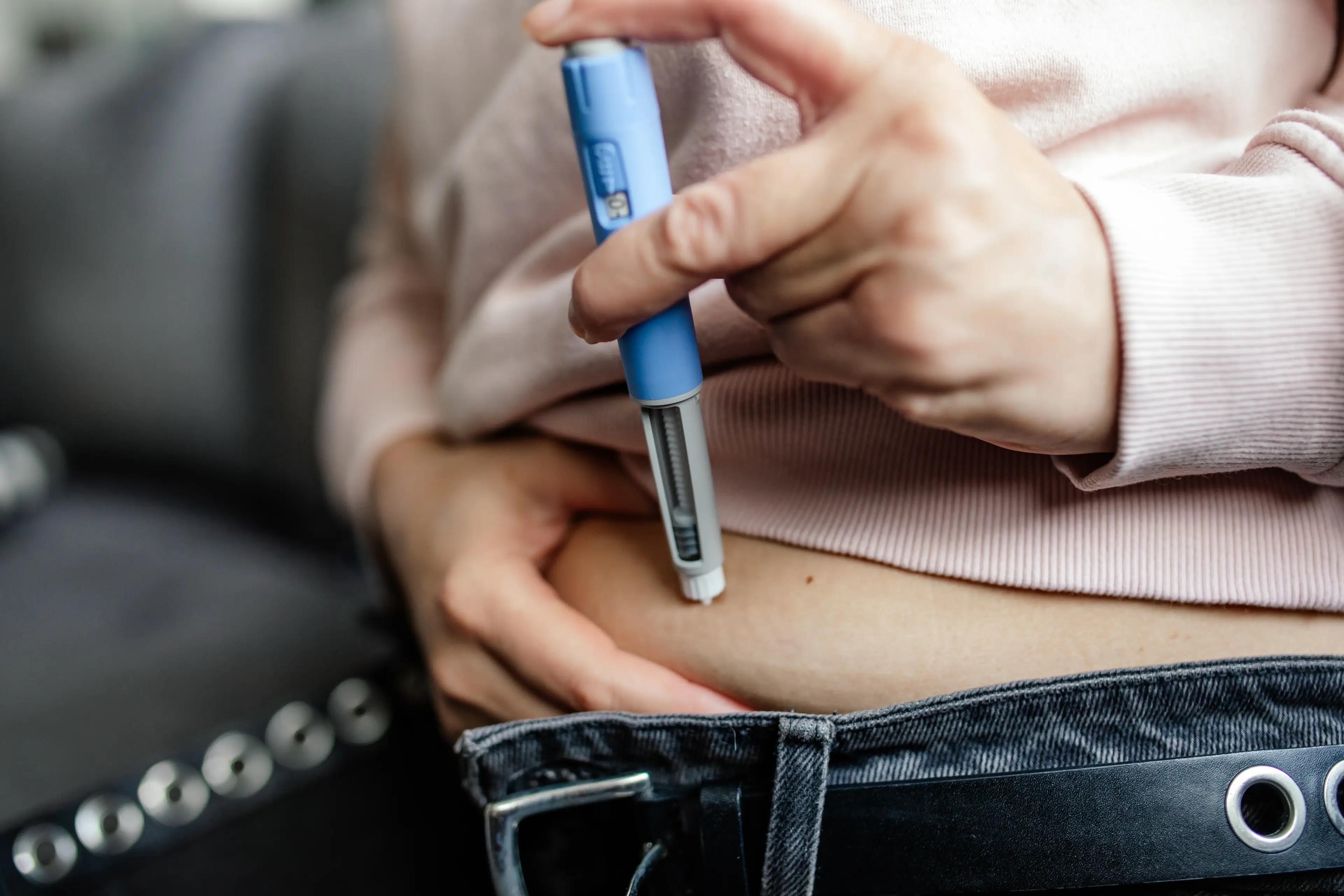
It found that GLP-1 receptor agonists semaglutide and liraglutide had a link to a lesser risk of poor mental health.
This was compared to a group which were not using this particular class of drug.
Researchers from around the world looked at health records in Sweden, examining those of 95,000 people who had been diagnosed with anxiety or depression, and who were also taking a number of diabetes medications between 2009 and 2022.
The study then made comparisons between periods where patients had been taking GLP-1 drugs and other diabetes medications with periods that they weren't taking them.
In order to track whether mental health had worsened the study also examined data on admissions to psychiatric hospital, as well as peopletaking sick leave due to mental health, as well as people being hospitalized due to self harm, and deaths by suicide.

And the study found that people who were taking the semaglutide medication had a lower rate of worsening mental health than people who were not taking it.
The study conluded: “For anxiety and depression that co-occur with diabetes and obesity, semaglutide and, to a lesser extent, liraglutide might be useful dually effective therapeutic options."
While the findings are certainly interesting, it's still not clear whether it's the medication which has caused this directly, or if it's other factors.
Dr Markku Lähteenvuo is a research director at the University of Eastern Finland, and said in The Guardian: “It is possible that, in addition to factors such as reduced alcohol consumption, weight loss-related improvements in body image, or relief associated with better glycaemic control in diabetes, there may also be direct neurobiological mechanisms involved, for example, through changes in the functioning of the brain’s reward system.”
Experts have urged caution, including Prof David Nutt, head of the neuropsychopharmacology unit at Imperial College London.
He said: “It is well established that better mental health tends to follow from better physical health and since the 1880s we have known that diabetes is associated with depression, although I think it’s unlikely that using GLP-1R agonists alone as treatments for depression or anxiety will work.”
Topics: News, Mental Health, World News, Health
 Kit Roberts