
Repeatedly waking up to pee at night could signal an underlying health issue, doctor warns

We've all been drinking much more water due to the heatwave taking over this summer, so it's only natural to be taking more regular trips to the bathroom.
However, one doctor has warned that waking up frequently in the middle of the night may be a bigger problem than just needing to empty your bladder.
What many might not know, is that waking up to pee in the night actually has a medical term, nocturia.
As per Cleveland Clinic, the condition is when someone 'wakes up more than once during the night needing to urinate'.
Advert
Although drinking too much water could be a cause, there can also be more serious causes, such as sleep disorders and bladder obstruction.

The need to urinate during the night does become more common with age, with it 'affecting more than 50% of adults after age 50,' the site states. It's more common in females before the age of 50, and affects 1 in 3 of those over 30.
"Although it is often assumed to be a normal part of aging, nocturia may have treatable underlying causes," urologist Dr Marisa Clifton told the Daily Mail.
Medications such as diuretics, used to treat of high blood pressure, can also be a factor.
However, the doctor warns that obstructive sleep apnea could also be a cause.
This sleep condition is when 'blockage or narrowing in your airway keeps air from moving through your windpipe when you’re asleep' which can cause blood oxygen levels to drop, Cleveland Clinic states.
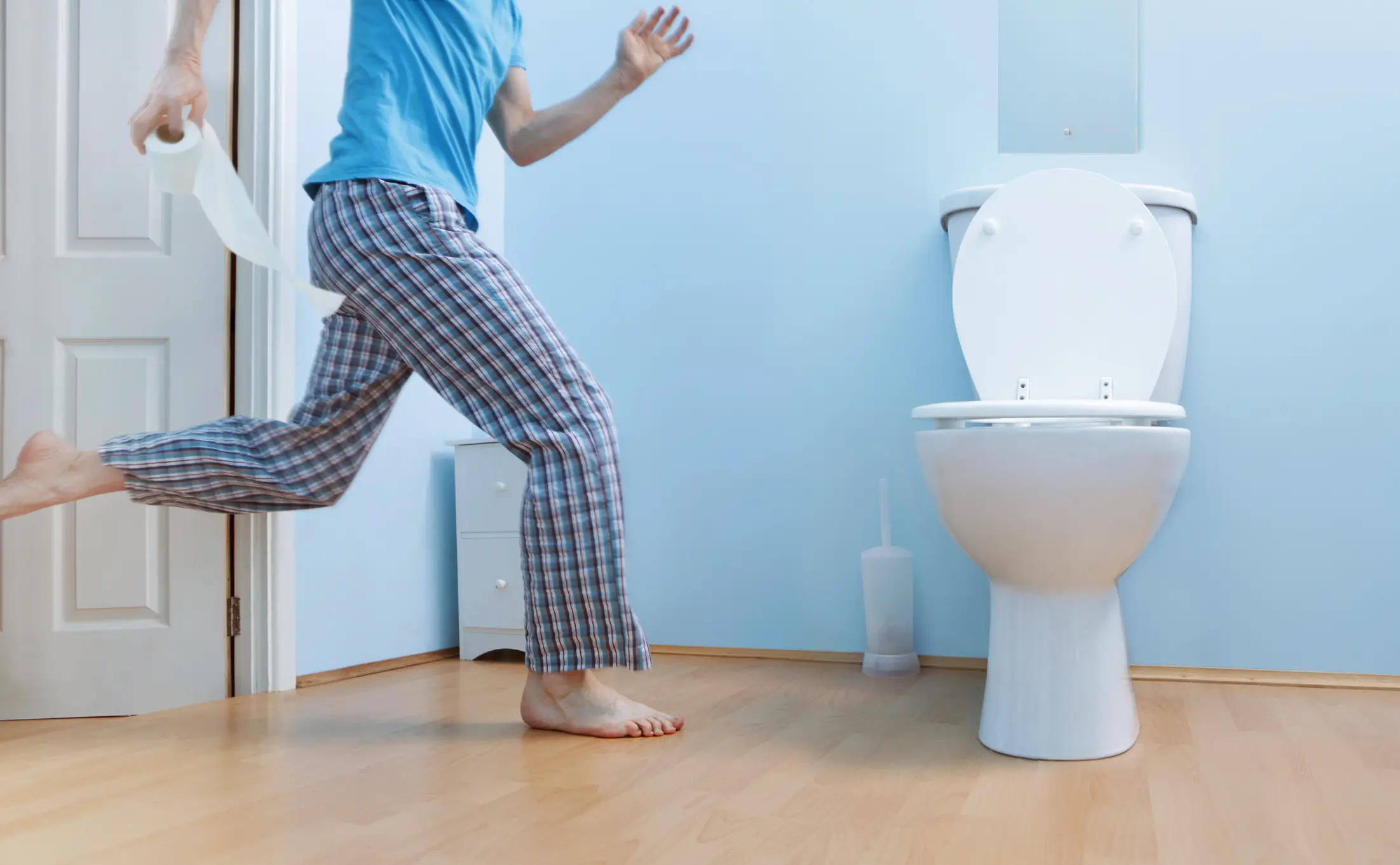
Therefore, it leads to frequent wake ups in the night, with the brain going into 'survival mode'. Although the wake up is extremely helpful in making sure someone suffering is able to breathe again, it also disrupts sleep patterns.
But how does it link to peeing more frequently in the middle of the night? Well, Dr Clifton tells the Daily Mail that 'the condition leads to increased production of the hormone, atrial natriuretic peptide, leading to increased nighttime urine production'.
As well as this, more frequent peeing can also be a sign of diabetes, due to high blood glucose levels, with the kidneys having to work harder to get rid.
As always, those with any concerns should contact their doctor. In the case of nocturia, it is recommended to consult a doctor if the need to wake up to urinate happens multiple times a night, and is affecting you by feeling fatigued the next morning. Plus, any majpr changes occur, and if it develops suddenly, or comes along with other symptoms.
Topics: Health
 Kiesha Dosanjh