Doctor warns of the one hair change you should never ignore and what it could mean for your health

A doctor has broken down what could be happening to your health if you notice a worrying change to your hair.
Most people take immense pride in their mane, whether they grow it long and flowy, or have it chopped short and stylish.
But sadly aging and genetics can cause hair to thin out, with 70 percent of men predicted to lose their hair as they get older, according to the Cleveland Clinic.
But your hair's changing appearance might not be all to do with getting older.
Advert
Instead, it could signal that something's not quite right with your health.
Skin expert Doctor Vanita Rattan warns that hair shedding or thinning might mean you're experiencing one of seven issues.
In some cases, the problems can be rectified and you might notice your mop of hair bounce back to life.
So, if you've been feeling self-conscious of your thinning hair lately, read on...
What could changes to my hair mean for my health?
Doctor Rattan explains there are seven potential underlying causes for thinning hair.
These range from vitamin deficiencies to hormone imbalances - as well as an everyday habit we're all guilty of...
Iron deficiency
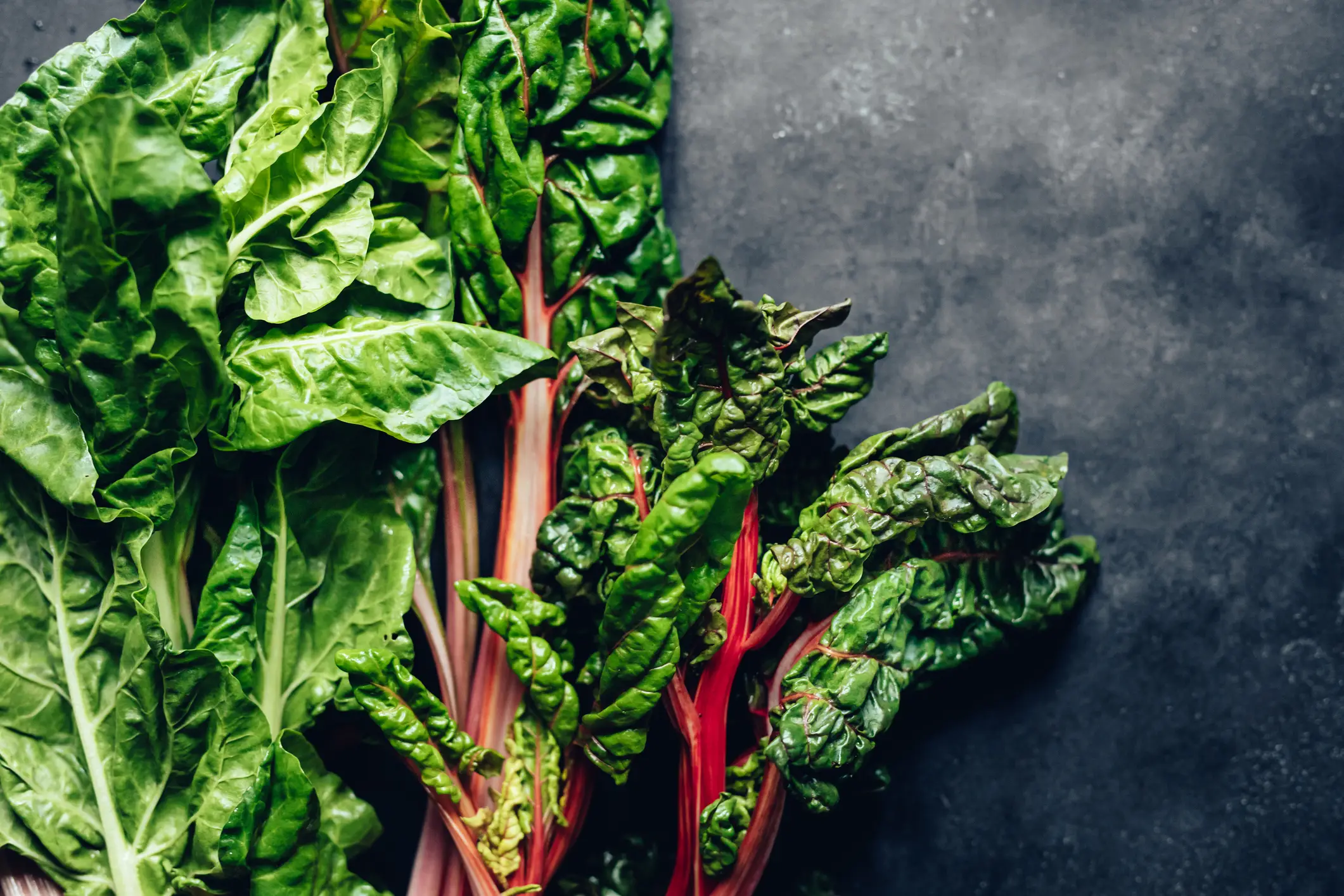
Iron is a key nutrient that keeps hair growth and hair follicles anchored. So, when iron levels drop, the body dumps hair growth and instead focuses on its more essential jobs.
Doctor Rattan explains that this might manifest as hair becoming 'sparse all over' rather than in patches.
You may also notice you have 'unusually pale skin'.
If you're concerned, Doctor Rattan recommends booking in for a blood test to check your iron levels.
She adds that taking collagen shots and vitamin C may help reduce excessive hair shedding over time.
Thyroid imbalance
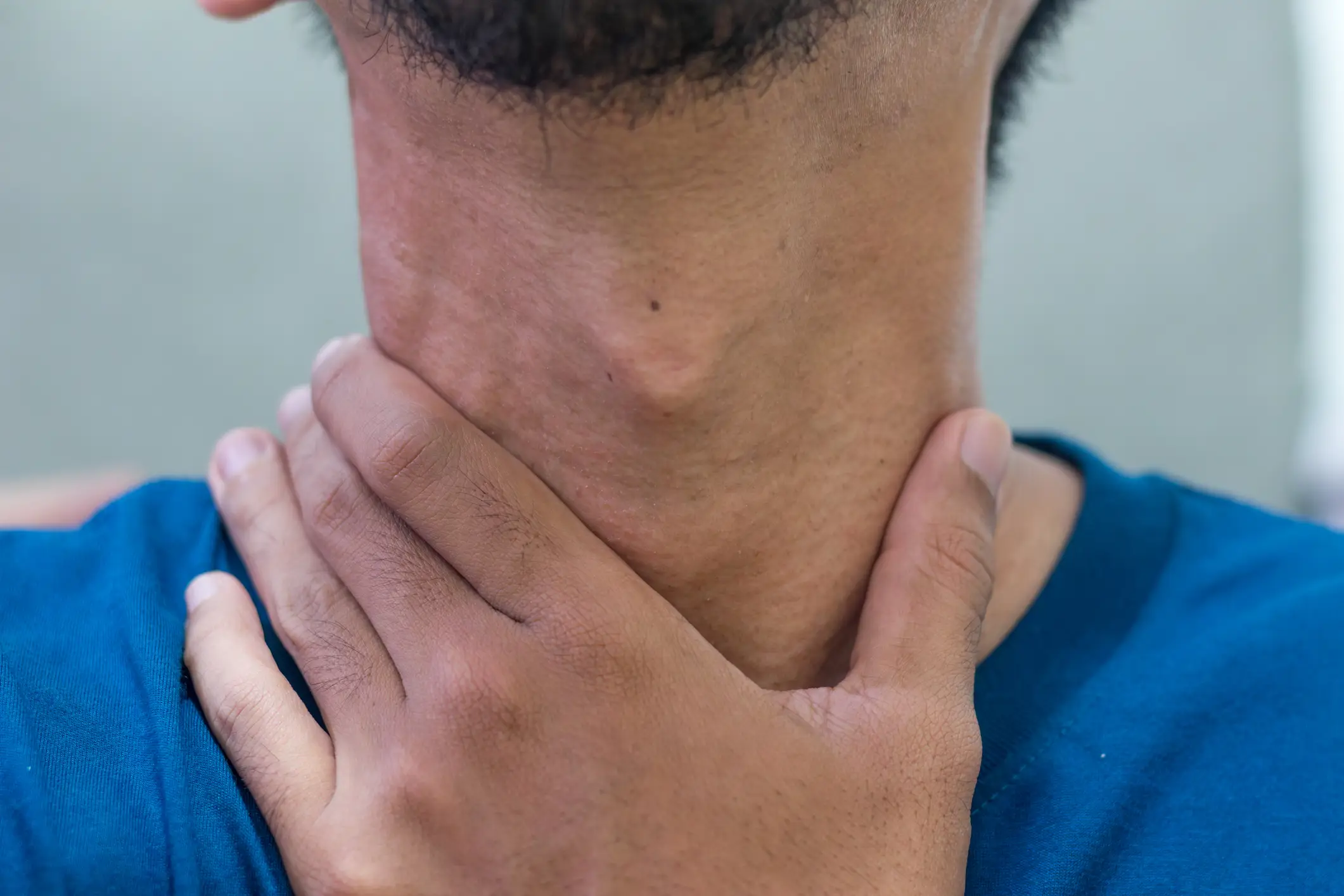
The thyroid acts like your body’s metabolic engine, so when it’s not working properly, your hair often shows it first.
An underactive thyroid can lead to thinning and brittle strands, while an overactive thyroid may cause rapid shedding or even clumps of hair falling out.
"If you’re noticing hair changes alongside symptoms like fatigue, dry skin, or temperature sensitivity, it’s worth getting your thyroid levels checked by a healthcare professional," Doctor Rattan says.
Scalp inflammation
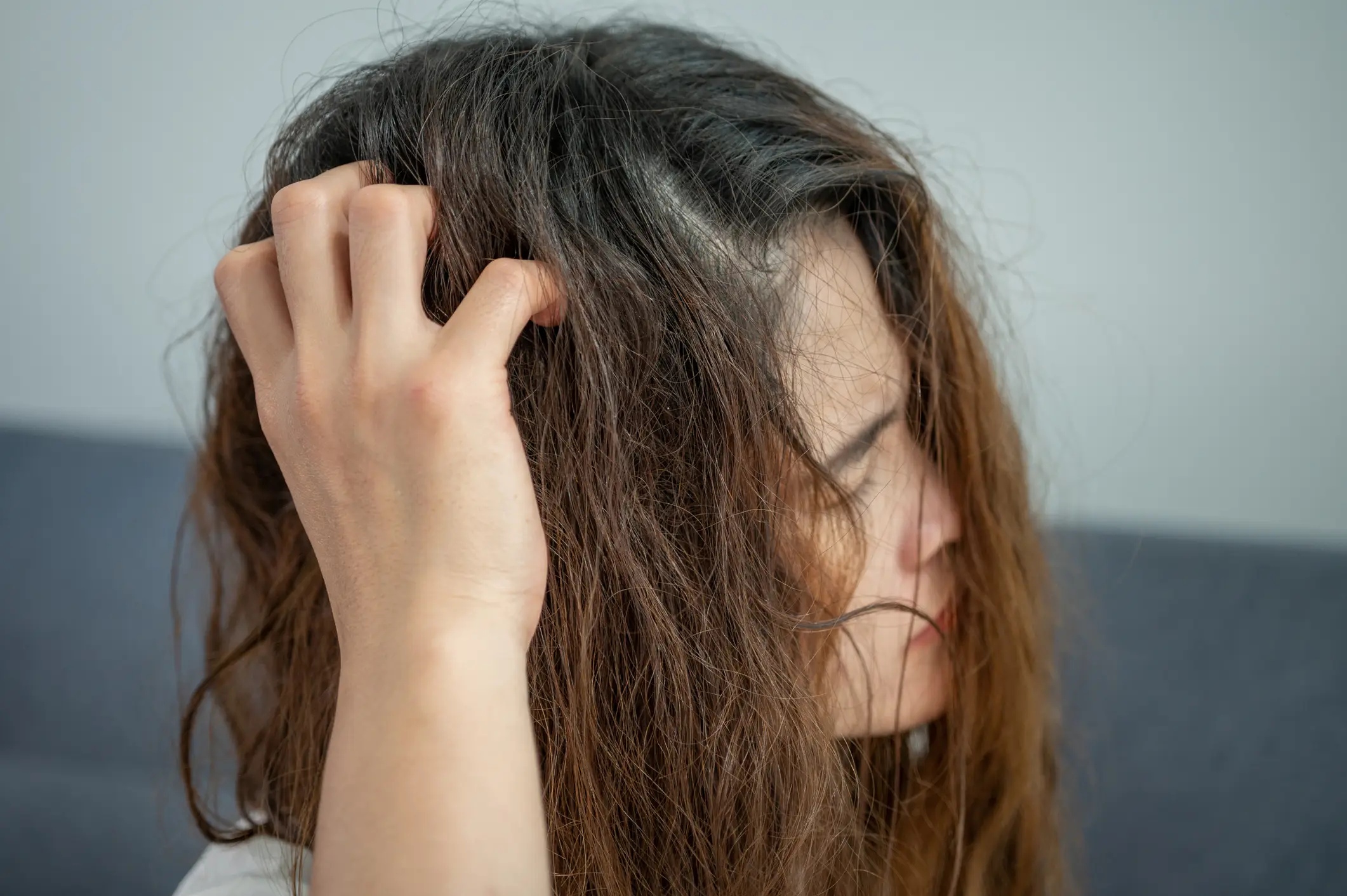
A calm, healthy scalp is the foundation for healthy hair, but conditions like seborrheic dermatitis or psoriasis create inflammation that weakens hair follicles. This can lead to breakage or shedding.
If your scalp gets irritated easily, Doctor Rattan recommends switch to a NAFE SAFE routine (no alcohol, essential oils, or fragrance) to reduce flare-ups.
For more persistent inflammation, a trichologist can help identify and treat the underlying cause.
High stress
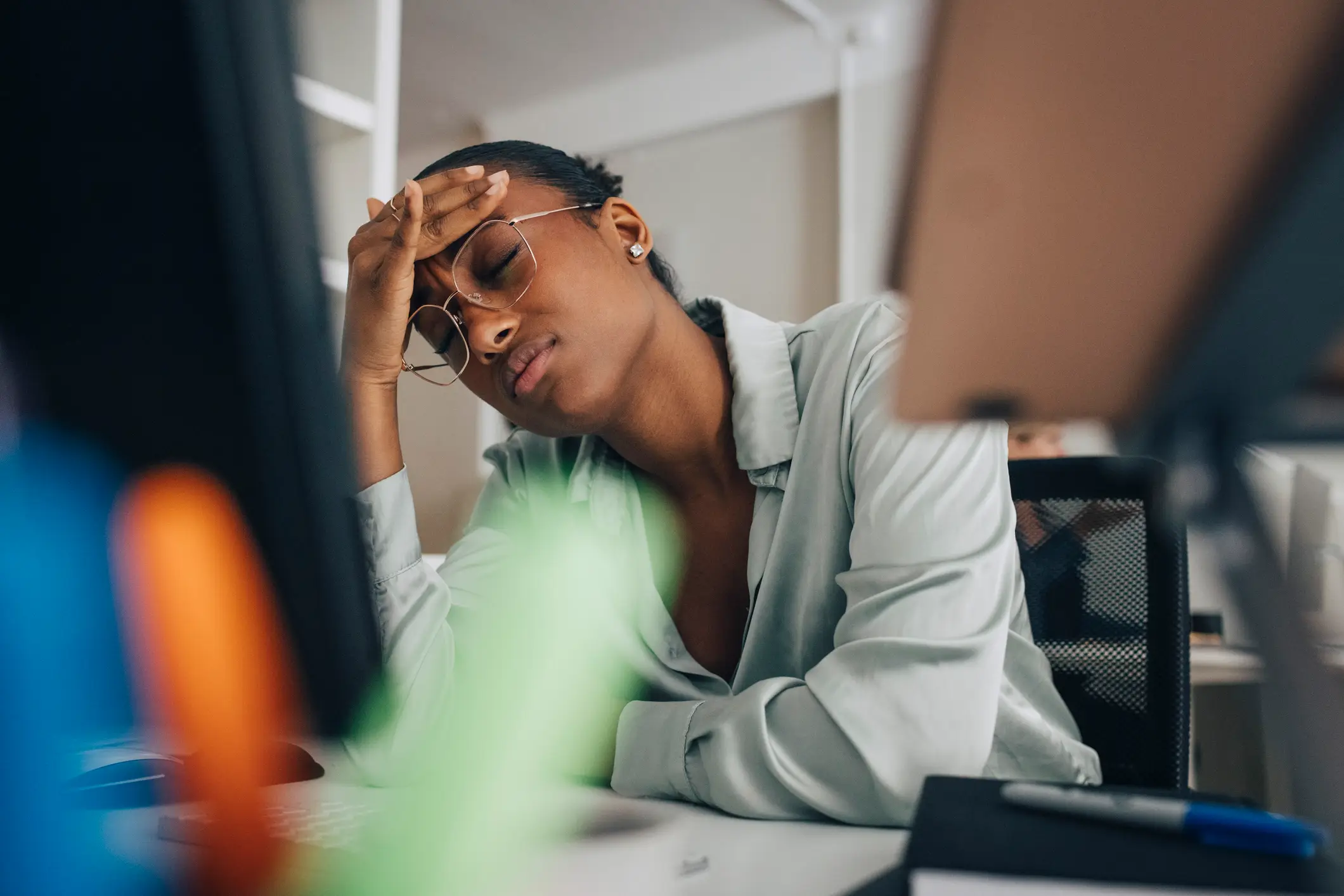
Long-term stress raises cortisol, which can push hair into a resting phase and cause increased fallout two to three months later.
Stress can also lead to excess oil and scalp buildup, which may block follicles.
Doctor Rattan advises using a gentle weekly scalp exfoliator with rosemary extract and arginine to help keep the scalp clear.
If stress is an ongoing issue, practices like breathing exercises, yoga, and getting between seven and nine hours of quality sleep can support healthy regrowth.
Hormonal shifts

Changes in hormones, whether from pregnancy, postpartum shifts, menopause, or other causes, can influence how many hairs grow, rest or shed.
This often results in temporary thinning or increased hair fall. Conditions like androgenic alopecia are also hormonally driven.
Identifying which hormone changes are at play will guide the right treatment, whether it’s balancing hormones, using medications or applying targeted topical treatments.
Missing nutrients

Hair relies on key nutrients to stay strong and grow properly. Iron, zinc, biotin, vitamin D, and adequate protein all support healthy follicles and strong hair structure.
When these levels drop, hair can become weak, brittle or visibly thinner.
If you think nutrient deficiencies may be affecting your hair, a blood test can pinpoint what’s missing, Doctor Rattan explains.
Supplements and dietary changes can also help restore strength and density.
Dehydration

Most of us are guilty of not drinking enough water day-to-day.
When we're dehydrated, our body focuses on more essential organs first, meaning the scalp and hair miss out.
This can leave the scalp dry and irritated, while hair becomes brittle and more likely to break.
Ongoing dehydration can also slow growth and make hair look dull.
Doctor Rattan says we should be aiming to drink at least eight glasses of water a day, and consider using a lightweight hair strengthening oil to lock in moisture without weighing the hair down.
Topics: Food and Drink, Health, Science, Life, Mental Health
 Ellie Kemp