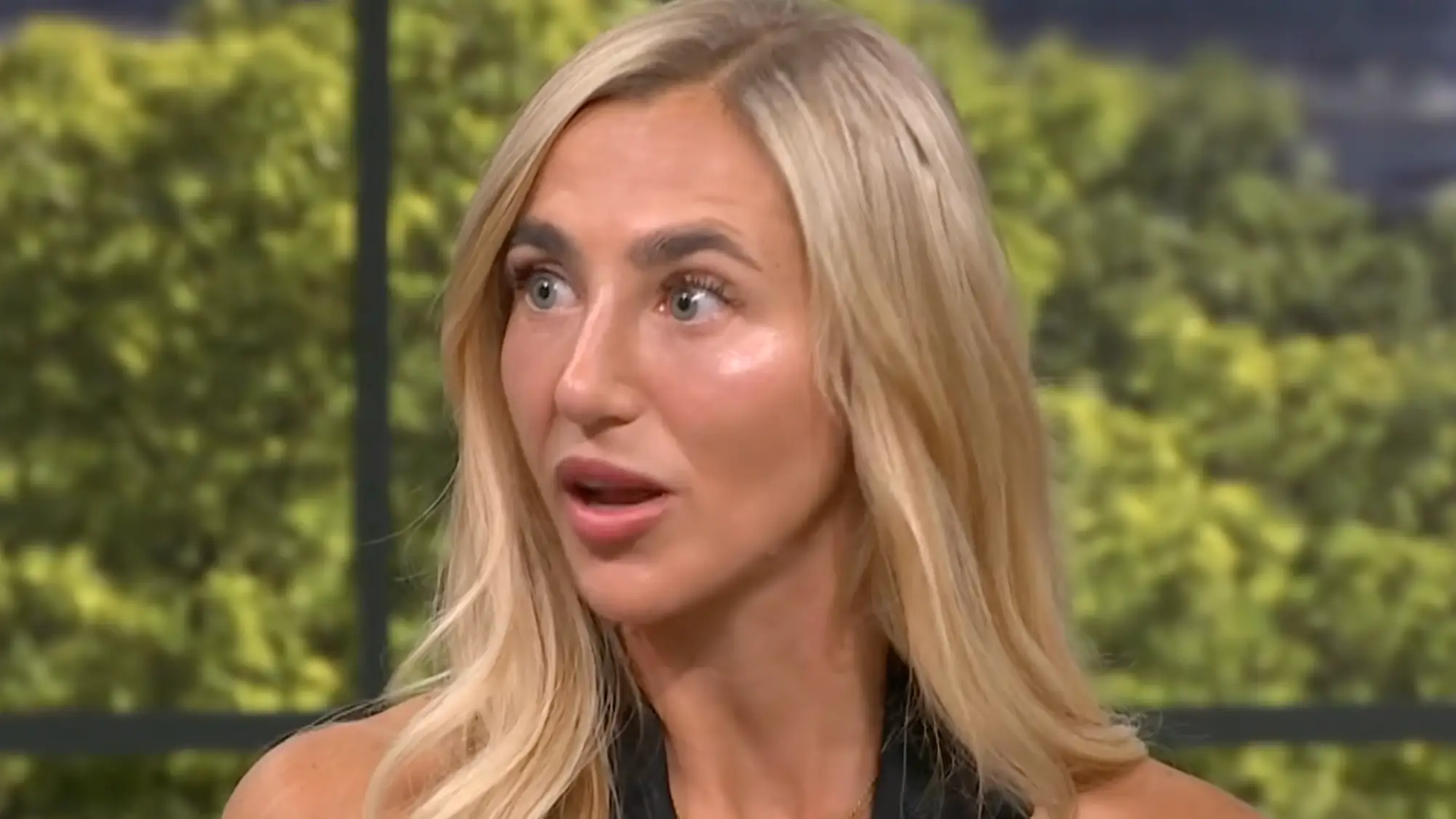
Woman's obsession with tanning led her to have 'hole in her face'

A 30-year-old flight attendant has spoken about developing skin cancer after years of using sunbeds, revealing that what she initially dismissed as eczema turned out to be a tumor that left her with a hole in her face.
Beth Brown, from Dorset in the UK told This Morning that she began using sunbeds at the age of 22, for 20 minutes at a time in pursuit of 'the perfect tan',
She said should would very rarely wear sunscreen.
In 2024, she noticed a small red patch on the side of her face that she assumed was eczema, applying over-the-counter creams that did nothing to clear it up.
Advert
"I basically had a tiny, tiny red patch that wasn't really that noticeable," she said "I just thought it was eczema or something."
The patch would scab over and occasionally bleed, but Brown said it remained largely unchanged in appearance for months, making it easy to overlook.
What is basal cell carcinoma?
By October 2025, Beth could no longer cover the mark with makeup, and after speaking with her boyfriend's mother, a doctor, she was urged to get it checked out.
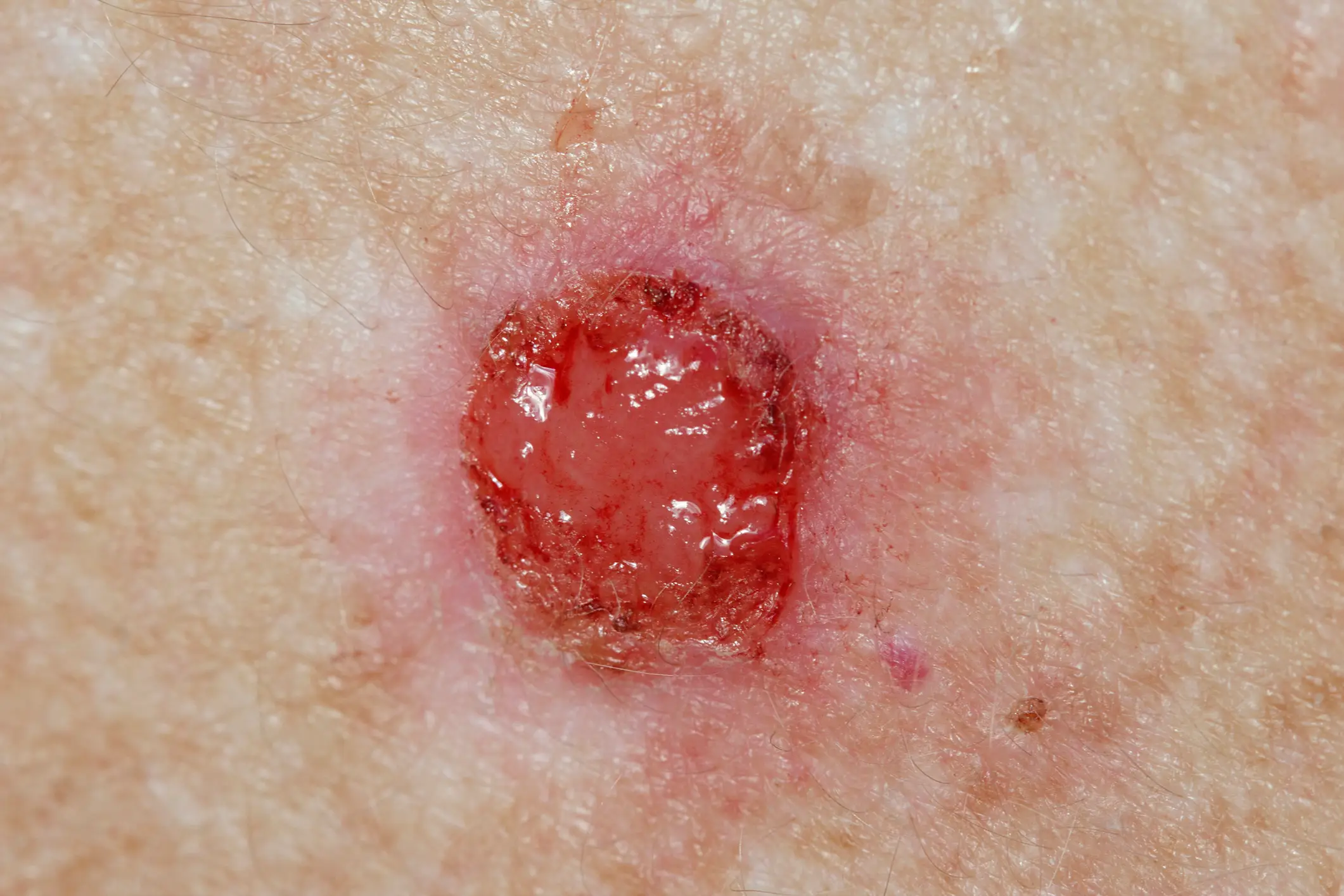
She was subsequently diagnosed with basal cell carcinoma (BCC), the most common form of skin cancer, according to Mayo Clinic, which occurs in the basal cells that produce new skin as old cells die off.
The condition typically appears as a shiny or translucent bump and most often develops on sun-exposed areas such as the face and neck.
Appearing on This Morning alongside Dr. Zoe Williams, Beth explained that the diagnosis left her stunned.
'It's scary,' she said. "For a girl, anything on your face like that, it is scary. I didn't realise it was going to be as big as it was - until the doctor held up the mirror, I was in shock."
Dr. Williams noted that while BCC is highly treatable and does not typically spread, it still requires prompt surgical removal, and any skin lesion that fails to heal within four weeks should be checked by a doctor.
Beth underwent surgery to remove the tumor in May, opting to leave the wound open to heal from the inside rather than have a skin graft, a decision she said she does not regret despite a longer recovery process.
"I hadn't known how intense the healing process would be," she said, adding that she had expected to return to work within a day but instead needed a month off, along with weekly hospital visits to have the wound redressed.
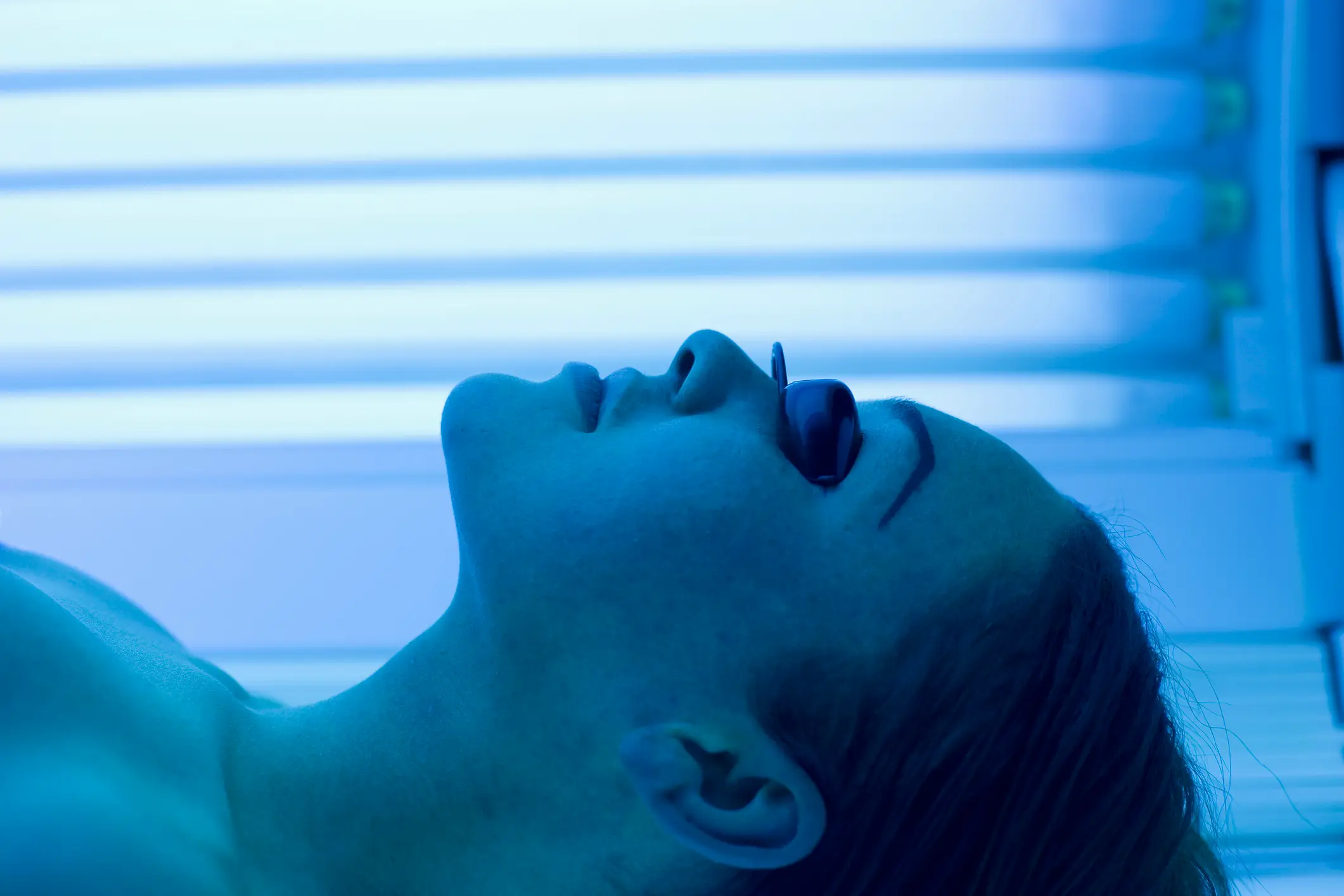
Are sunbeds actually dangerous?
The World Health Organization has classified sunbeds as Group 1 carcinogens, placing them in the same risk category as tobacco, and Dr. Williams said on the program that any tan, whether from a sunbed or the sun, is evidence of skin damage rather than protection.
Despite this, only three countries ban commercial suntanning booths outright: Australia, Brazil, and Iran.
Dr Williams also addressed the common belief that a 'base tan' protects against sunburn on holiday, describing it as a myth with only 'a thread of truth', since the tanning process itself reflects UV damage to the skin.
In a crazy twist of fate, following her diagnosis, Beth's mother also went for a skin check and was found to have BCC as well.
Brown said she has since stopped using sunbeds entirely and now wears factor 50 sunscreen daily.
"I'm a sunshine baby at heart, but I make sure to look after my skin," she said, encouraging other young women not to make the same mistake. "It could happen to you."
UNILAD has approached the American Suntanning Association for comment.
 Thomas Bamford